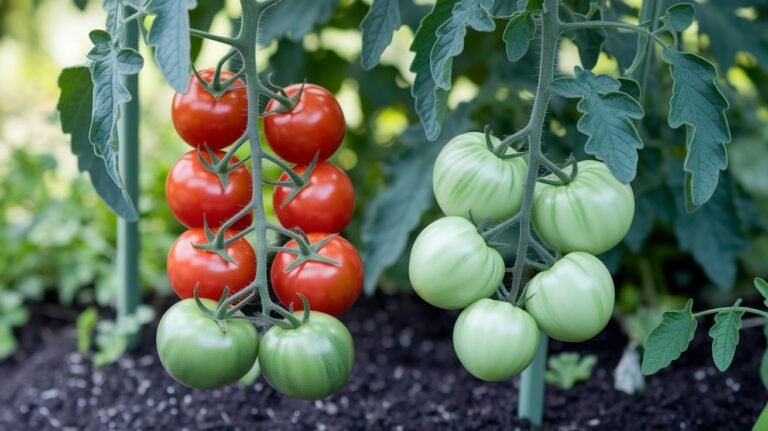
Planting Tomatoes in Raised Beds: A Full Guide
The first summer I grew tomatoes in a raised bed, I couldn’t believe the difference. The same variety that had sulked in my heavy clay row garden the year before shot up past my shoulders, set fruit weeks earlier, and shrugged off the July heat that used to leave the leaves looking tired. Nothing about my gardening had suddenly improved — I’d just given the plants better ground to grow in. That’s the quiet magic of planting tomatoes in raised beds: you stop fighting your native soil and start building the exact conditions tomatoes crave.
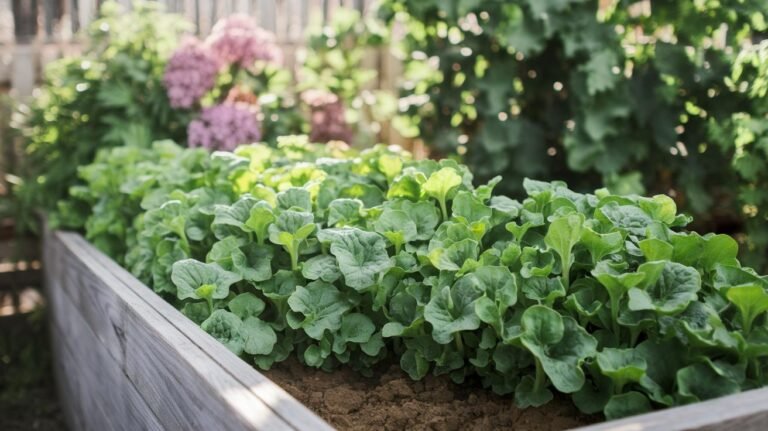
Raised beds warm up faster in spring, drain after a downpour instead of turning to soup, and let you fill them with a loose, rich mix you’d never coax out of bare yard dirt. If you’re standing over an empty bed right now wondering how to give your tomatoes their best possible start, this walks you through all of it — building or choosing the bed, filling it, picking varieties, planting deep, staking, and keeping the plants fed and watered through a long season.
As an Amazon Associate, Backyard Superstar earns from qualifying purchases at no extra cost to you.
Why Tomatoes Do So Well in Raised Beds
Tomatoes are warm-season plants that want three things above all: steady heat at the roots, water that moves through freely, and soil loose enough for roots to run. A raised bed hands them all three in a way an in-ground row rarely can. Because the soil sits above grade and is surrounded by air on the sides, it warms several degrees earlier in spring, and that head start matters — tomato roots essentially stall below about 60°F, so warmer beds mean earlier planting and earlier fruit.
Drainage is the other big win, and it’s the one that saves the most plants. Tomatoes hate wet feet; soggy soil invites root rot and the fungal troubles that flatten a crop by August. Raised beds drain from the bottom and the sides, so even after a hard rain the root zone drinks what it needs and lets the rest go. You also get to skip your yard’s real soil entirely and fill the bed with a fluffy, compost-rich blend, which means no compaction, no rocks, and no wrestling clay every spring. Add the fact that the whole bed sits higher — easier on your back, and a little harder for rabbits to browse — and it’s not hard to see why so many gardeners who switch never go back to rows. If you’re weighing a bed against pots on the patio, it’s worth reading how the two compare for tomatoes specifically in this guide to growing tomatoes in containers, because the watering rhythm is quite different.
Building or Choosing the Right Bed
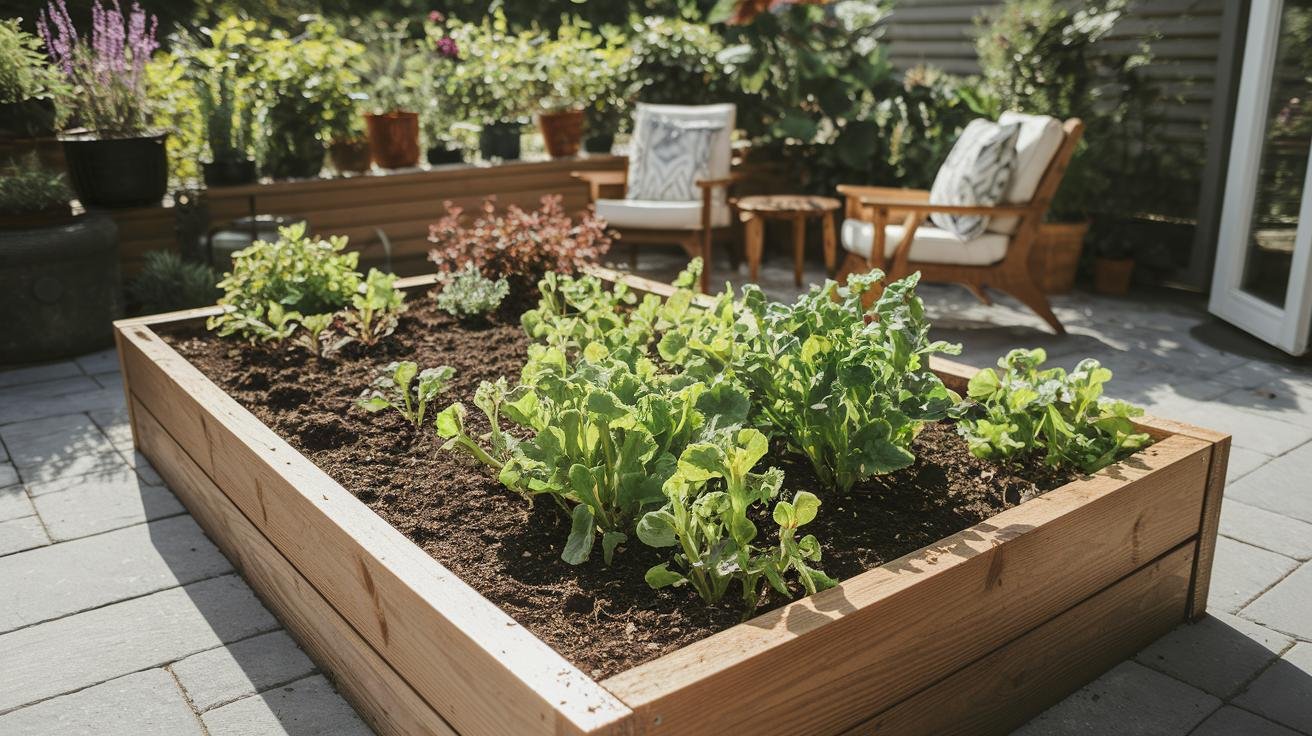
Depth is the number that matters most for tomatoes, and it’s the one beginners most often get wrong. Tomato roots want to go deep — a mature plant can send roots two feet down — so aim for a bed at least 12 inches deep, and 16 to 18 inches if you can manage it. A shallow 6-inch bed sitting on top of hard, unimproved ground will grow you a frustrated, thirsty plant that dries out every afternoon. If your bed sits on soil rather than a patio, loosen the ground underneath with a fork before you fill it, so roots can push past the bottom board into the earth below.
Material is mostly a matter of budget and how long you want the bed to last. Untreated cedar or redwood is the classic choice — naturally rot-resistant, handsome, and easy to build, though it grays and softens over five to ten years. Galvanized steel beds have become my go-to for their sheer longevity and the way they hold heat; a metal galvanized raised garden bed ($$$) assembles in an afternoon, won’t rot, and lasts the better part of two decades. Whatever you choose, skip anything treated with old-style wood preservatives near food crops. A width of about four feet lets you reach the center from either side without stepping in and compacting the soil, and any length works. If you’d rather build from scratch, our walkthrough on how to build and plant a raised garden bed covers the cuts and hardware step by step.
Filling the Bed With the Right Soil
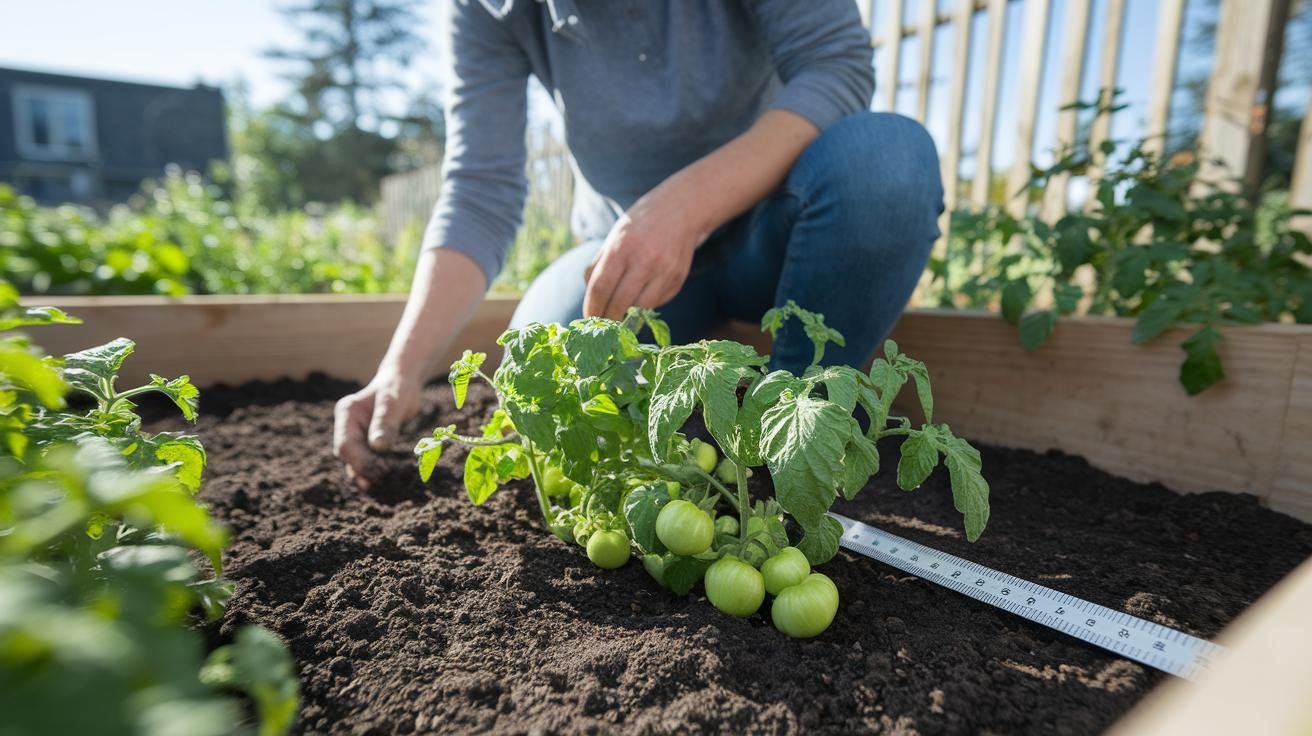
Here’s where a raised bed earns its keep, and where it’s worth spending your money well. Do not fill a new bed with straight topsoil or bagged “garden soil” — both pack down into a dense, airless brick that defeats the whole point. Tomatoes want a light, fertile, moisture-holding mix, and the reliable recipe is roughly half quality raised-bed or potting mix, a generous third good compost, and the remainder aged manure or worm castings for slow, gentle nutrition. A ready-made blend like Espoma Organic Raised Bed Mix ($$) takes the guesswork out for a first bed — it’s already blended for drainage and organic matter, so you can pour, rake level, and plant.
The compost is not optional. It’s what feeds the soil life, holds water like a sponge, and supplies the steady trickle of nutrients tomatoes lean on all season. If you’re mixing your own, don’t skimp on it. It’s also smart to know your soil’s pH before the plants go in, because tomatoes prefer it slightly acidic, right around 6.2 to 6.8; a quick home test tells you whether you need to nudge it, and this soil pH testing guide shows you how in a few minutes. Fill the bed a touch higher than the sides to allow for the inch or two it’ll settle after the first good watering, and let it settle a day before you plant if you have the patience.
Choosing Tomato Varieties for a Raised Bed
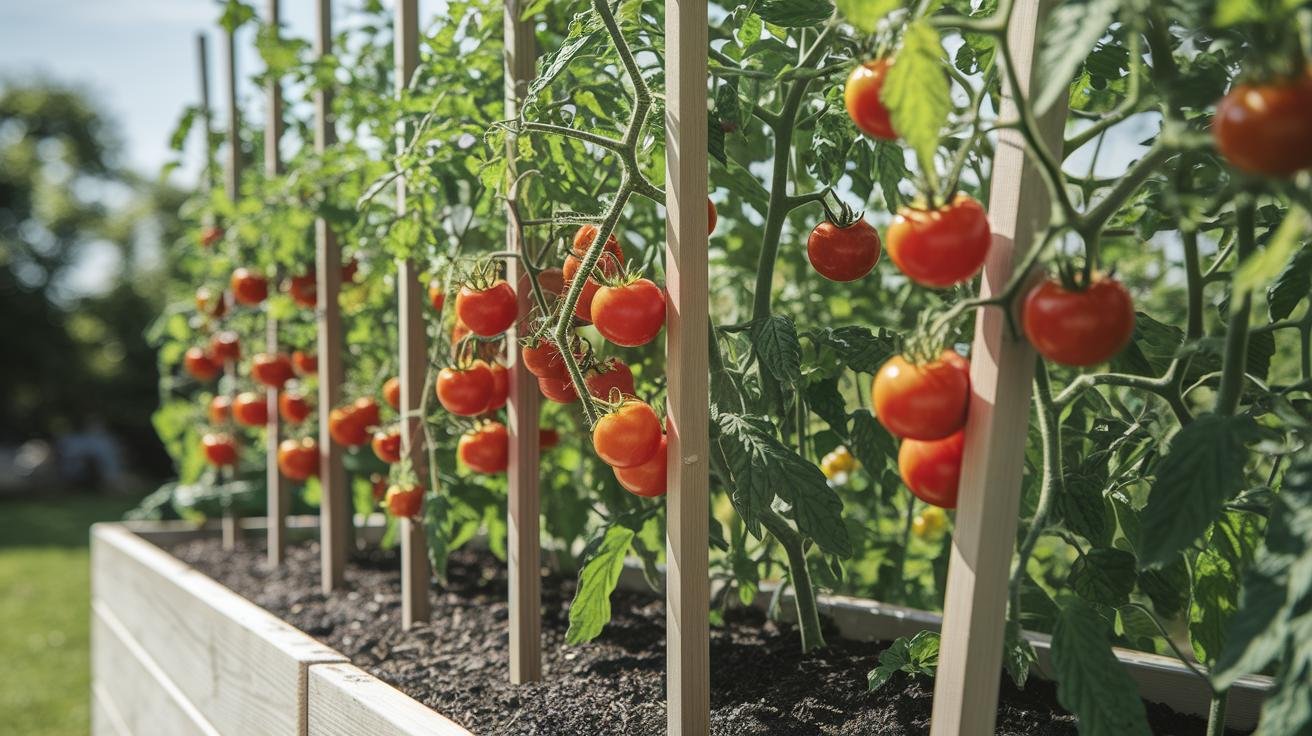
The single biggest variety decision is determinate versus indeterminate, and it changes how you plant, space, and support. Determinate (“bush”) tomatoes grow to a fixed size, set most of their fruit in a concentrated few weeks, and stay compact — ideal for smaller beds or anyone who wants a big batch for canning all at once. Indeterminate (“vining”) tomatoes keep growing and fruiting until frost, climbing five to eight feet if you let them, and rewarding you with a steady handful every few days across months. Most cherry tomatoes and beloved slicers like ‘Brandywine’ and ‘Sungold’ are indeterminate.
| Type | Growth habit | Harvest pattern | Best for | Support |
|---|---|---|---|---|
| Determinate (bush) | 2–4 ft, then stops | Most fruit in a 2–3 week window | Small beds, canning, container mixes | Sturdy cage |
| Indeterminate (vining) | 5–8 ft, grows till frost | Steady picks for months | Deep beds, fresh eating all season | Tall stake or string trellis |
For a first raised bed, I usually steer people toward one reliable slicer and one cherry — the cherry produces so freely it keeps morale high while the slicer takes its time. In a humid climate, lean hard on disease resistance; the modern crop of tough heirlooms and hybrids saves a lot of heartbreak, and it’s worth skimming the most disease-resistant heirloom tomato varieties before you commit. Whatever you grow, don’t crowd more than the bed can carry — two well-spaced plants outproduce four fighting for light and air.
How to Plant Tomatoes Deep for Strong Roots
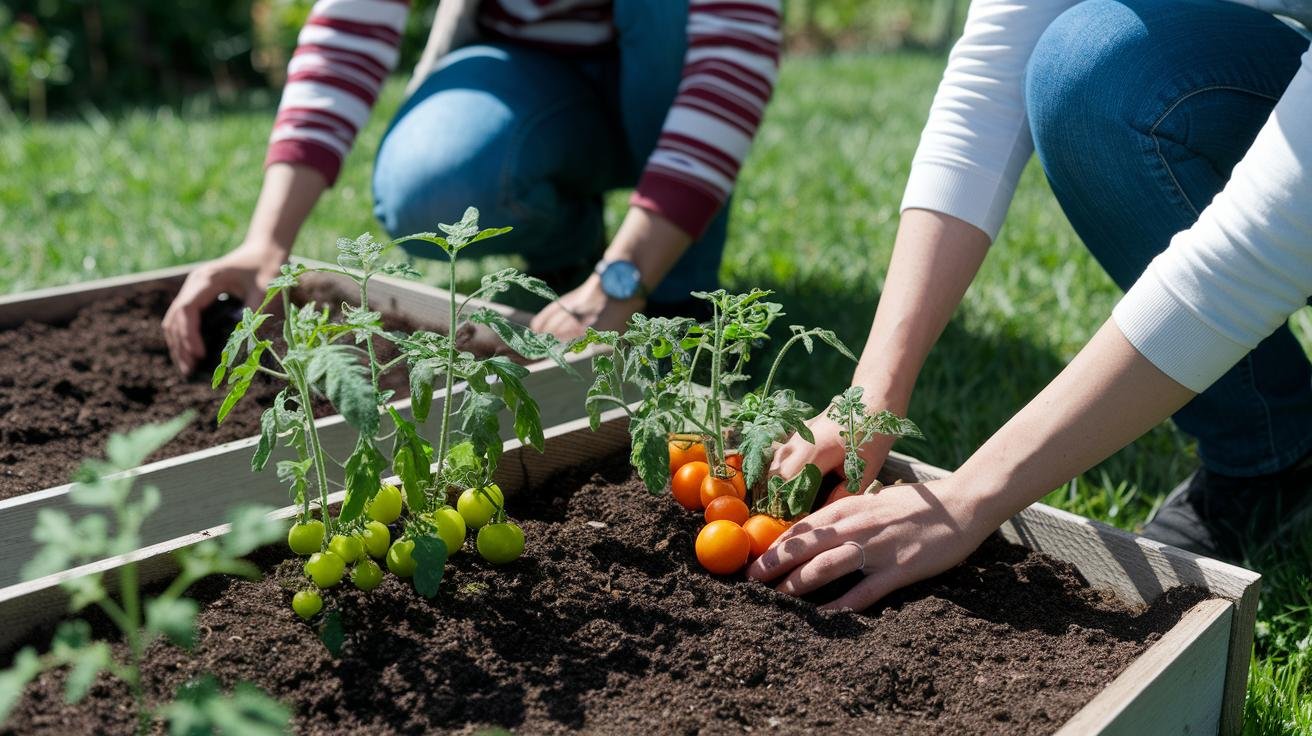
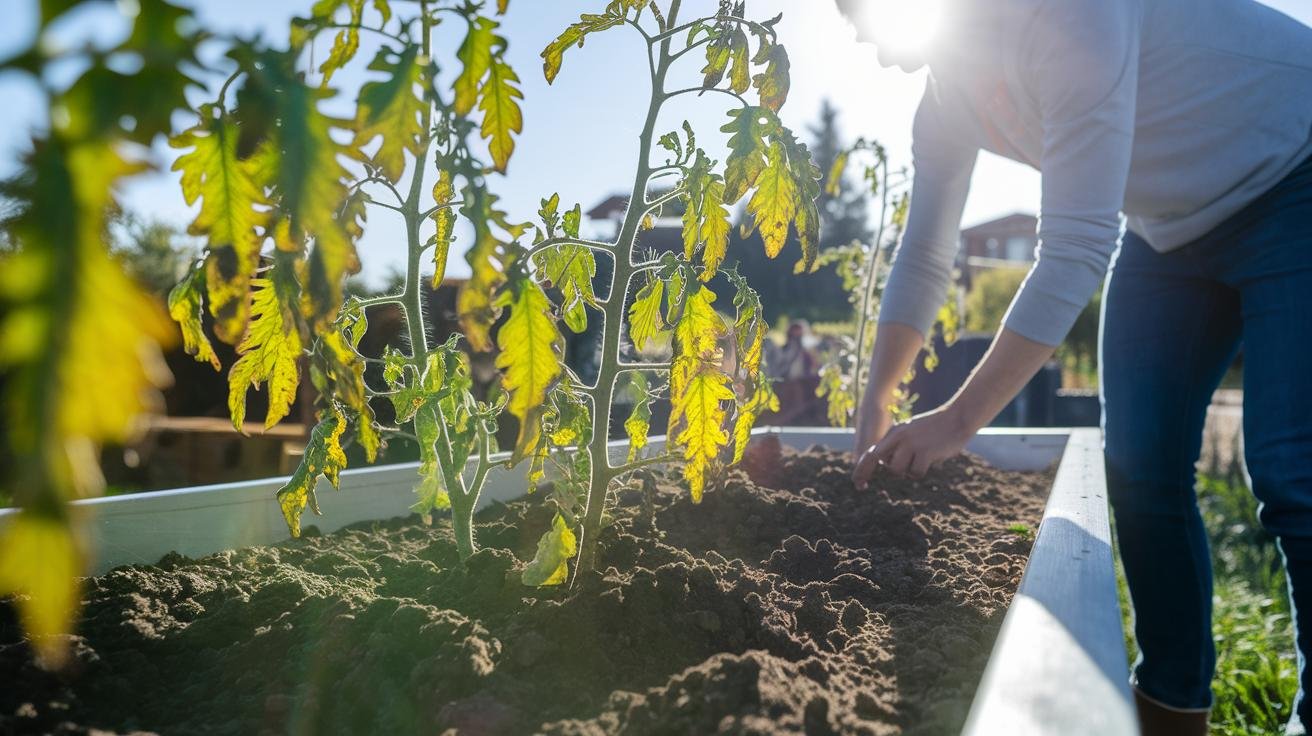
Wait to plant until the danger of frost has passed and nighttime lows sit reliably above 50°F — a tomato set out into cold soil just sits there, sulking, while a plant put out a couple of weeks later into warm ground quickly overtakes it. When the timing’s right, the single most useful trick is to plant deep. Tomatoes are one of the few vegetables that grow roots all along a buried stem, so strip the lower leaves and bury two-thirds of the plant, leaving only the top cluster of leaves above the soil. That buried stem becomes a whole extra root system, and a big root system is what powers a big harvest.
Space determinate plants about 18 to 24 inches apart and indeterminate vines a full 24 to 36 inches, measuring from stem to stem. It always looks like too much room the day you plant those little seedlings, and it always turns out to be exactly right by mid-July, when good airflow between plants is the difference between healthy leaves and a spreading fungal mess. Water each transplant in well to settle the soil around the roots, and — this is the part people forget — put your supports in now, at planting, not later. Driving a stake or dropping a cage over an established plant tears roots and snaps branches; setting it on day one costs you nothing. If a plant looks stalled a few weeks in rather than taking off, don’t panic and don’t overwater — walk through these fixes for stunted vegetable plants before you change anything drastic.
Supporting and Staking
Every tomato in a raised bed needs support — the fruit is heavy, the stems are brittle, and a plant left to sprawl invites rot and pests where the leaves touch damp soil. Match the support to the type. Determinate bushes do fine inside a sturdy cage; the flimsy cone-shaped wire cages sold everywhere buckle under a loaded plant by August, so choose the heavy-gauge kind. A set of heavy-duty tomato cages ($$) that fold flat for winter storage will outlast a decade of the cheap ones.
Indeterminate vines are a different animal. They’ll climb well past any cage, so give them a tall stake — at least six feet, driven a foot into the bed — or run a string trellis and train the main stem up as it grows, tying loosely every foot with soft cloth or garden twine. As the season goes, pinch out the “suckers” (the shoots that sprout in the crotch between the main stem and a branch) on indeterminate plants to keep energy flowing to fruit rather than a tangle of foliage. Leave suckers alone on determinate plants, though — they carry a share of that variety’s limited crop, and pruning them just costs you tomatoes.
Watering and Feeding Through the Season
Consistency is everything with tomato water. The single most common cause of cracked fruit and blossom end rot — that sunken brown patch on the bottom of the tomato — is uneven moisture, where the bed swings from bone dry to flooded and back. Aim to keep the soil evenly damp a few inches down, which usually means a deep soak once or twice a week rather than a daily sprinkle, adjusting up in a heat wave. Water at the base of the plant, never over the leaves; wet foliage is how most tomato diseases spread. A soaker hose ($) laid along the base of the row and left to seep for half an hour does this better than you can by hand, and a two-inch mulch of straw or shredded leaves on top holds that moisture steady and blocks weeds.
Raised-bed soil, for all its virtues, drains nutrients faster than heavy ground, so tomatoes in beds need feeding. Start with compost worked into the bed, then feed every couple of weeks once the plants set their first fruit with a fertilizer formulated for tomatoes — one with calcium to guard against blossom end rot and a modest, balanced ratio rather than a nitrogen bomb that grows lush leaves and few tomatoes. Espoma Organic Tomato-tone ($) is the one I reach for — a gentle 3-4-6 organic blend with 8% calcium, so it feeds steadily without burning and covers the calcium bases at the same time. Whatever you use, water it in, and ease off the feeding once fruit is ripening so the plant puts its energy into flavor rather than new growth.
Common Mistakes That Cost You Tomatoes
Most disappointing tomato seasons trace back to a short list of avoidable missteps. Planting too early into cold soil tops it — the plants stall, and an eager gardener loses the head start a raised bed was supposed to give. Crowding is next: squeezing in one more plant feels thrifty in May and turns into a disease-prone jungle by August. Shallow, infrequent watering trains roots to stay near the surface where they cook in the heat, while inconsistent watering cracks the fruit and rots the blossom ends. And skipping support until the plant is already flopping means torn roots and broken stems right when the harvest is loading up.
The good news is that a raised bed forgives a lot. Get the depth, the soil, and the spacing right at the start, keep the water steady, and the plants largely take care of themselves. If pests move in — hornworms, aphids, the usual summer crew — handle them early and gently rather than reaching for anything harsh around food; this rundown of how to control garden pests covers the approaches I trust in a vegetable bed.
Recommended gear for this project
As an Amazon Associate, Backyard Superstar earns from qualifying purchases at no extra cost to you.
- Top pick — soil — Espoma Organic Raised Bed Mix ($$). Pre-blended for drainage and organic matter, so a first bed is pour-and-plant.
- Best value — feeding — Espoma Organic Tomato-tone ($). Gentle 3-4-6 organic food with 8% calcium to guard against blossom end rot.
- Support — Heavy-duty tomato cages ($$). Heavy-gauge and foldable — they hold a loaded plant instead of buckling in August.
- Watering — Garden soaker hose ($). Delivers slow water at the base, keeping foliage dry and moisture steady.
- Premium — the bed — Galvanized metal raised garden bed ($$$). Won’t rot, holds warmth, and lasts the better part of two decades.
Frequently Asked Questions
How deep should a raised bed be for tomatoes?
Aim for at least 12 inches, and 16 to 18 inches is better. Tomato roots run deep, and a bed that shallow sitting on hard ground dries out fast and limits the plant. If the bed rests on soil, loosen the ground underneath with a fork so roots can push past the bottom into the earth below.
How many tomato plants can I grow in a 4×4 raised bed?
Two to four, depending on type. Give indeterminate vines 24 to 36 inches of space, so a 4×4 bed comfortably holds two of them; compact determinate bushes can go a bit closer, so three or four fit. Resist crowding — well-spaced plants get the airflow that prevents disease and actually outproduce a packed bed.
Should I plant tomatoes deep in a raised bed?
Yes. Strip the lower leaves and bury about two-thirds of the plant, leaving only the top cluster above the soil. Tomatoes grow roots along any buried stem, so deep planting builds a much larger root system and a sturdier, more productive plant.
How often should I water tomatoes in a raised bed?
Deeply once or twice a week in normal weather, more in a heat wave, aiming to keep the soil evenly moist a few inches down rather than swinging between soaked and bone dry. Water at the base, not over the leaves, and mulch to hold that moisture steady — consistency is what prevents cracked fruit and blossom end rot.
What is the best fertilizer for tomatoes in raised beds?
One made for tomatoes, with calcium and a modest, balanced ratio rather than heavy nitrogen. Start with compost worked into the bed, then feed every couple of weeks once fruit sets. An organic option like Tomato-tone (3-4-6 with 8% calcium) feeds gently and helps guard against blossom end rot.
Do tomatoes in raised beds need support?
Always. Use a sturdy, heavy-gauge cage for determinate bushes and a tall stake or string trellis for indeterminate vines. Set the support in place at planting time — adding it later tears roots and snaps branches on an established plant.
The Bottom Line
Raised beds don’t make tomatoes complicated — they make them easier, by handing the plants the warm, well-drained, fertile ground they’ve always wanted. Get the depth right, fill the bed with a loose compost-rich mix, plant deep into warm soil, give each plant room and support from day one, and keep the water and feeding steady. Do that and the bed does most of the work from there. My first raised-bed tomatoes taught me that the secret was never a green thumb — it was good ground. Build the ground, and the harvest follows.