Pet-Safe Plants for Homes with Cats and Dogs
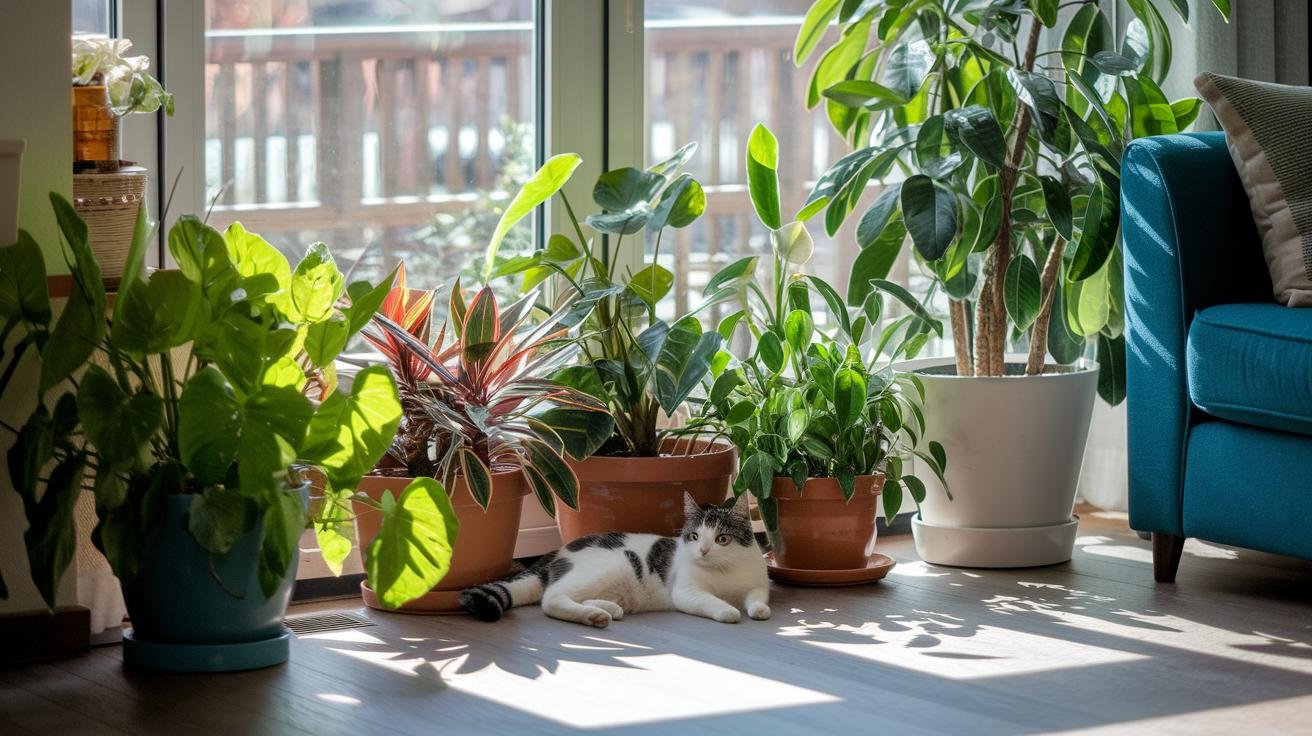
If you’ve ever watched a cat make a beeline for a new houseplant, you know the small worry that comes with keeping greenery and animals under one roof. The good news is you don’t have to choose between the two. There’s a long list of pet-safe plants — non-toxic to cats and dogs — that will fill a sunny windowsill or a shady corner without landing anyone at the vet. I keep a houseful of them, and after a few early mistakes (a chewed fern, one memorable dig through a pot of soil), I’ve learned which plants are worth growing and how to arrange them so curious paws leave them be.
As an Amazon Associate, Backyard Superstar earns from qualifying purchases at no extra cost to you.
One thing worth saying up front: “non-toxic” doesn’t mean “eat all you like.” Even a pet-safe plant can upset a stomach if an animal makes a meal of it, and every plant on the ASPCA’s non-toxic list earned that rating because it won’t cause serious poisoning — not because it’s meant to be snacked on. Think of these as the plants that turn a mishap into a shrug instead of an emergency.
Non-Toxic Houseplants I’d Start a Collection With
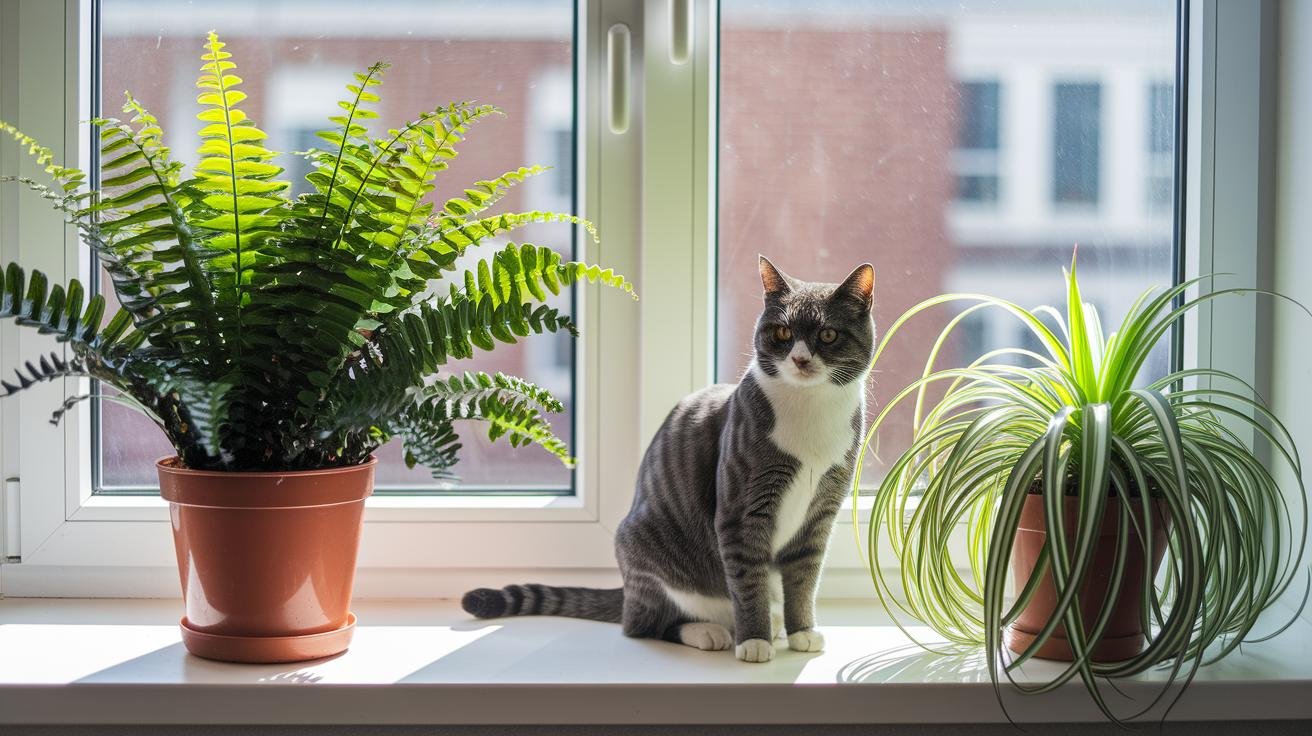
If you’re building a pet-friendly indoor jungle, a handful of forgiving, widely available plants will get you most of the way there. The spider plant is the one I hand every nervous beginner. Its long, arching, green-and-cream leaves take bright indirect light, shrug off the occasional missed watering, and send out baby “pups” you can pot up and give away. Cats are drawn to the dangling leaves, which is exactly why I keep mine up on a shelf — safe to nibble, but tidier out of reach.
From there, the Boston fern brings soft, feathery texture that a spider plant can’t. It wants steady humidity and indirect light, so a bright bathroom suits it beautifully; mist it now and then and keep the soil damp, never soggy. Palms are the other easy win. A parlor palm tolerates the low, medium light of a north-facing room without complaint, while an areca palm, with its yellow-green fronds, fills a bright corner and reads almost tropical. Both are non-toxic, both are slow enough to stay in scale with a room for years.
When you want something sculptural and nearly unkillable, turn to succulents and air plants. Haworthia and Echeveria store water in their fat leaves, ask only for bright light and a drink when the soil is bone-dry, and won’t harm a pet that bats one off a table. Air plants (Tillandsia) skip soil entirely — they live on a weekly soak or a good misting and a spot of bright, indirect light — which makes them ideal for homes where a pot of dirt is just an invitation to dig. Because so many of these picks thrive in the same pots and mixes as any potted plant, they slot neatly into the rhythm of backyard container gardening if you want to move a few outdoors for summer.
Here’s a quick reference for the indoor and outdoor picks worth knowing, with the light and care each one wants and its ASPCA toxicity rating:
| Plant | Best spot | Light | Care in a nutshell | Toxicity (ASPCA) |
|---|---|---|---|---|
| Spider plant | Indoor | Bright, indirect | Water every 1–2 weeks; 60–80°F | Non-toxic |
| Boston fern | Indoor | Indirect | High humidity; keep soil damp | Non-toxic |
| Parlor palm | Indoor | Low–medium | Moist soil; avoid cold drafts | Non-toxic |
| Areca palm | Indoor | Bright, indirect | Evenly moist soil; 65–75°F | Non-toxic |
| Haworthia / Echeveria | Indoor | Bright | Let soil dry fully between waterings | Non-toxic |
| Air plant (Tillandsia) | Indoor | Bright, indirect | Soak or mist weekly; no soil | Non-toxic |
| Marigold | Outdoor | Full sun | Regular water; well-draining soil | Non-toxic |
| Snapdragon | Outdoor | Full sun–part shade | Keep soil evenly moist | Non-toxic |
| Basil | Outdoor | Full sun | Well-draining soil; water regularly | Non-toxic |
| Rosemary | Outdoor | Full sun | Let soil dry between waterings | Non-toxic |
Pet-Safe Plants for the Patio and Yard
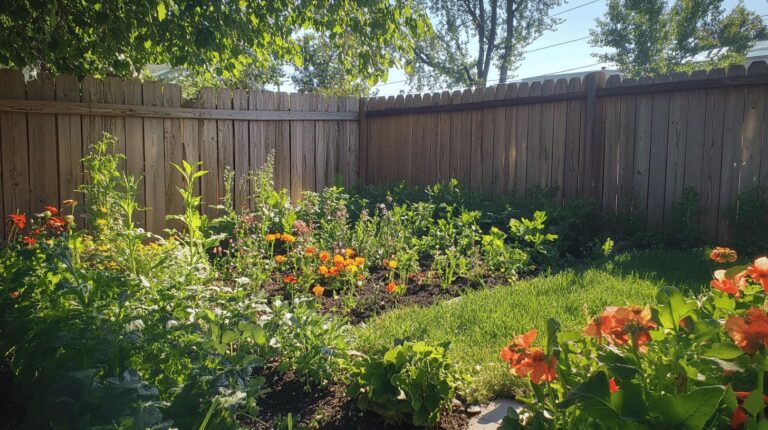
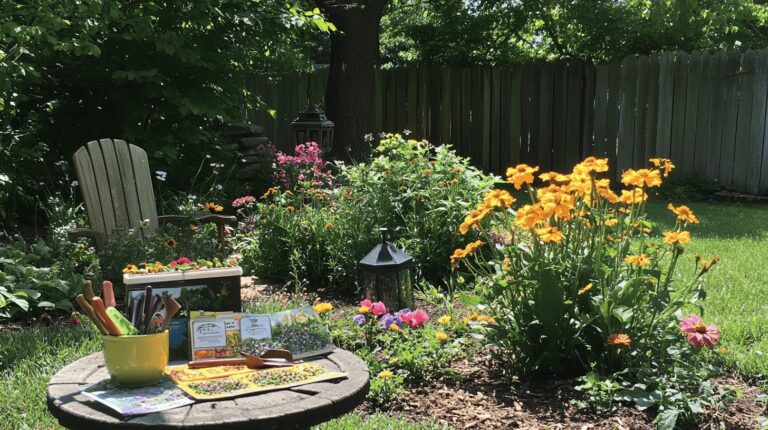
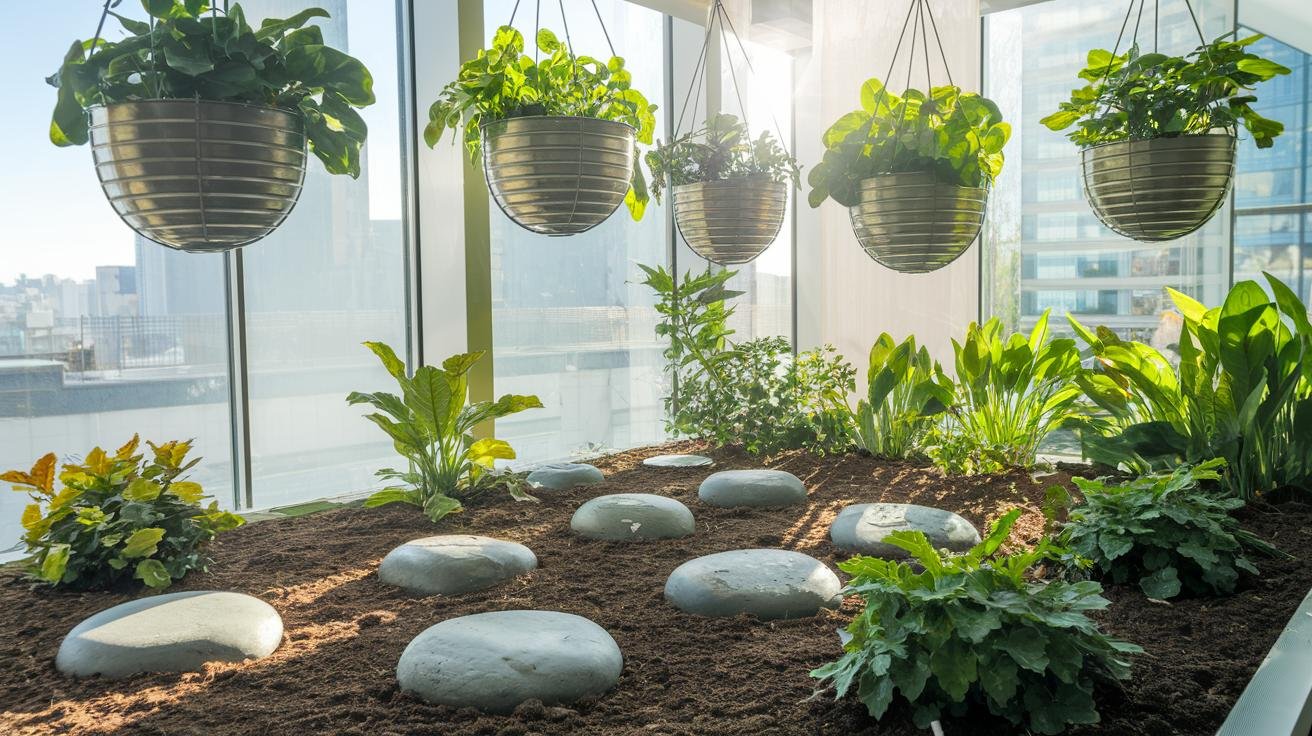
Step outside and the pet-safe palette opens right up. Marigolds are my go-to for a border a dog might brush past — those bright orange and gold daisylike flowers love full sun and regular water, and their scent even helps hold a few garden pests at bay. Snapdragons give you height and cottage-garden charm, happy in full sun to partial shade as long as the soil stays evenly moist. Neither will trouble a cat or dog that wanders through.
Don’t overlook the herb bed, either. Basil and rosemary both want full sun and well-draining soil, both are non-toxic to pets, and both earn their spot twice over — once for the kitchen and once for the way rosemary throws its piney scent every time someone walks by. A row of herbs along a path is one of the easiest pet-safe additions you can make, and if you’re tight on ground, they grow just as well in pots by the door.
Soil, Light, and Watering That Keep Them Thriving
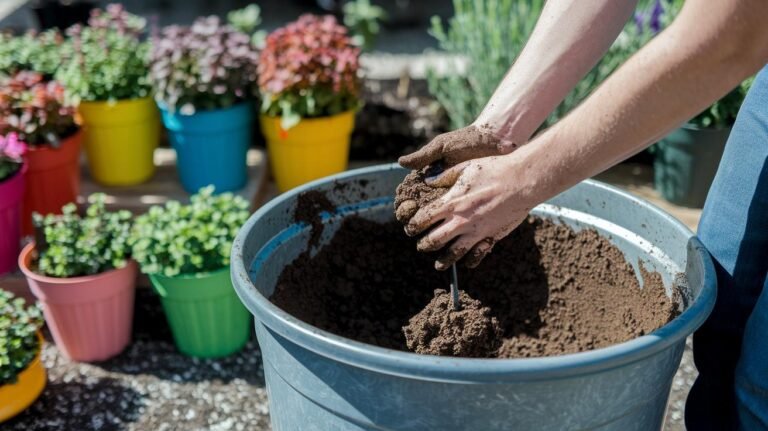
A pet-safe plant that’s slowly dying isn’t doing anyone much good, so the real work is matching each one to the right soil, light, and watering rhythm. Start with the mix. Garden soil is too dense for a pot — it compacts and holds water against the roots — so reach for a light, fast-draining potting blend instead. I lean on FoxFarm Happy Frog Potting Soil, an aerated, ready-to-use blend with earthworm castings, aged forest humus, and beneficial microbes that give roots an easy start (mid-range, $$). If you’d rather understand the ratios and mix your own, my breakdown of the best soil mix for container gardening walks through what to combine and why.
Watering is where most houseplants live or die, and the fix is less about a schedule than about reading the pot. Ferns like their soil consistently damp; succulents and air plants want to dry out completely between drinks; palms sit somewhere in the middle. When your finger can’t reach far enough to tell — and in a deep pot it often can’t — an inexpensive XLUX long-probe soil moisture meter reads moisture down in the root zone so you water when the plant actually needs it, not on a guess (budget range, $). The habit that saves the most plants is simple: water deeply until it runs from the drainage holes, then wait until the top inch or two feels dry before the next soak.
Light is the last piece, and the one people fudge. Match the plant to the window rather than the other way around: bright, indirect light for spider plants, palms, and ferns; the brightest sun you have for succulents. If a plant starts stretching and leaning, it’s telling you it wants more light — rotate the pot a quarter-turn each week so it grows evenly instead of reaching. Because containers dry and drain faster than the ground, a pot in strong light will always ask for more water than the same plant in a dim corner.
Styling Plants So Curious Pets Can’t Reach Them
Half of keeping plants and pets in harmony is simply putting the plants where the animals aren’t. Height is your friend. I group taller ferns and palms up on shelves and sturdy plant stands, then keep the low tables for the truly bomb-proof picks. A tiered piece like the Bamworld 3-tier ladder plant stand lifts a whole cluster of pots into a display that a cat can’t casually swipe, and it turns a bare corner into a little green wall (mid-range, $$).
For trailing plants — the string-of-hearts and pothos-style vines that beg to be batted — get them off the floor entirely. Hanging them keeps the foliage out of reach and looks lovely doing it. A set of Mkono macrame plant hangers comes several to a pack, so you can float a row of pots by a bright window for the price of a single ceramic planter (budget range, $). If you like the look, my guide to gardening with hanging baskets covers the same idea for the porch and patio.
A few smaller touches finish the job. Top the soil in floor-level pots with smooth river stones or coconut chips so digging loses its appeal and paws stay clean. And move your pots around every week or two — pets are far less likely to fixate on a plant that never seems to sit in the same spot twice. It sounds fussy, but it’s the single trick that’s saved my plants the most grief.
Keeping Pets from Chewing Your Plants
Even a plant that’s safe to nibble is better off un-nibbled, and a determined chewer needs more than good placement. A little training goes a long way here: reward your dog or cat for ignoring the greenery, and teach a reliable “leave it” so you’ve got a word for the moment you catch them mid-lunge. Tidy up fallen leaves and petals daily, too — a scattering of dropped foliage is a standing invitation.
When a plant is a repeat target, a pet-safe deterrent spray does the quiet work for you. A plant-based option like Bodhi Dog Bitter Lemon Spray tastes unpleasant to cats and dogs but won’t harm them, and a light mist on the leaves (test one leaf first) usually breaks the habit within a week or two (budget range, $). You can also ring small pots with a wire basket or a clear terrarium cover for a physical barrier while the training sticks. The same gentle, non-chemical mindset carries over to real garden pests — if aphids or mites turn up on your indoor plants, my guide to natural pest control for container gardens covers the safe fixes.
If Your Pet Nibbles Something: What to Watch For
Sticking to non-toxic plants stacks the odds heavily in your favor, but accidents happen — a knocked-over pot, a stray leaf on the floor — so it’s worth knowing the signs of trouble and what to do. Even with safe plants, a pet that eats too much greenery may drool, vomit, or have loose stools for a bit. The signs that warrant a faster call are the ones that point past a simple upset stomach: swelling around the mouth or tongue, pawing at the face, labored breathing, tremors, or unusual lethargy.
If you suspect your pet ate something and isn’t right, gently clear any plant bits from their mouth, note the time and — if you know it — the plant’s name, and call your veterinarian or the ASPCA Animal Poison Control Center at (888) 426-4435. Snapping a photo of the plant or tucking a leaf into a bag helps whoever you reach identify it quickly. I’m a gardener, not a vet, so I’ll leave the medicine to them; my job is to help you fill your home with plants that make that call far less likely. When in doubt, the fastest, safest move is always to phone a professional rather than wait it out.
Trusted Sources for Checking a Plant Before You Buy
Plant tags and store labels aren’t always reliable, so I check anything unfamiliar before it comes home. The ASPCA Toxic and Non-Toxic Plant List is the searchable database I trust most — it flags what’s safe and what isn’t for cats, dogs, and horses. The Pet Poison Helpline keeps a similar reference with clear risk levels, and it’s the same resource many vets lean on. A number of online plant shops now tag their non-toxic picks right in the catalog, which takes the guesswork out of ordering. When a plant clears one of those sources, I’ll bring it in; when it doesn’t, I leave it at the nursery. A two-minute search is a small price for a worry-free windowsill — and for a corner you can style, water, and enjoy without keeping one eye on the cat, treat these low-fuss succulents and other easy picks as your starting shortlist.
Recommended gear for a pet-safe plant corner
As an Amazon Associate, Backyard Superstar earns from qualifying purchases at no extra cost to you.
- Top pick — potting mix — FoxFarm Happy Frog Potting Soil ($$). Light, aerated, microbe-rich blend that gives houseplant roots an easy start.
- Budget pick — watering aid — XLUX long-probe soil moisture meter ($). Reads moisture deep in the pot so you never over- or under-water.
- Raise them up — Bamworld 3-tier ladder plant stand ($$). Lifts a cluster of pots out of easy swiping range.
- Hang them high — Mkono macrame plant hangers (set of 4) ($). Floats trailing vines by a window, away from batting paws.
- Stop the chewing — Bodhi Dog Bitter Lemon Spray ($). Plant-based, pet-safe deterrent that tastes unpleasant but won’t harm a nibbler.
FAQ
What indoor plants are safe for cats and dogs?
Spider plants, Boston ferns, parlor and areca palms, Haworthia and Echeveria succulents, and air plants (Tillandsia) are all rated non-toxic by the ASPCA. Most want bright, indirect light and adapt well to a home with pets.
What outdoor plants are safe for pets?
Marigolds and snapdragons are non-toxic and thrive in full sun to partial shade, and kitchen herbs like basil and rosemary are both pet-safe in well-draining soil. All make easy additions to a border a dog or cat might wander through.
Does “pet-safe” mean my pet can eat the plant?
No. A non-toxic rating means the plant won’t cause serious poisoning, not that it’s meant to be eaten. Any plant can cause mild drooling or an upset stomach if a pet makes a meal of it, so it’s still best to discourage chewing.
How do I stop my cat or dog from chewing my plants?
Combine placement and training: raise plants onto shelves or stands, hang trailing types, reward pets for leaving greenery alone, and use a pet-safe bitter deterrent spray on repeat targets. Topping the soil with stones also discourages digging.
Which pet-safe plants are best for low-light rooms?
Parlor palms and spider plants handle low to medium light better than most, and both are non-toxic and forgiving of the occasional missed watering. Keep them out of direct sun and let the top inch of soil dry between waterings.
What should I do if my pet eats a plant?
Remove any plant pieces from their mouth, note the plant’s name and the time, and call your veterinarian or the ASPCA Animal Poison Control Center at (888) 426-4435. Watch for drooling, vomiting, mouth swelling, or lethargy, and don’t try home remedies.