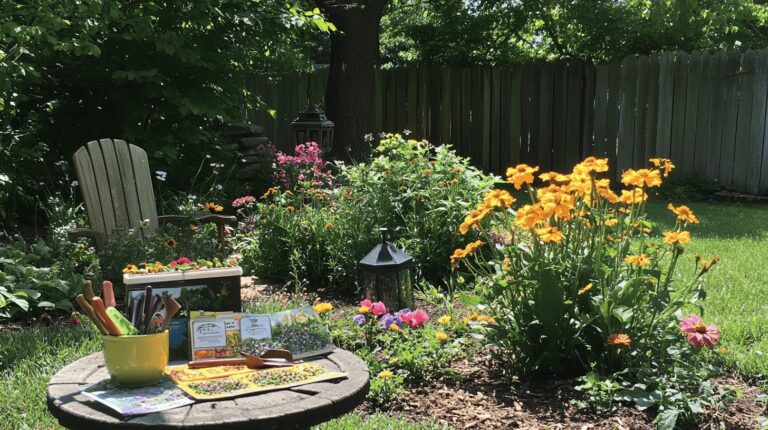
How to Prepare Your Backyard for Spring
The first warm weekend of spring is a trap. The sun comes out, the grass greens up, and it’s tempting to run outside and start planting — but the yard isn’t ready for you yet. There’s winter debris matting down the beds, soil that’s still cold and compacted, and tools that have been sitting in a damp shed since October. Prepare your backyard for spring in the right order and the whole season goes easier: cleaner beds, healthier soil, a lawn that greens up faster, and fewer pest headaches come June.
I’m Mitch, and I’ve rushed this a dozen times over the years — planted too early into cold mud, skipped the soil test, pruned the wrong shrub at the wrong time and lost a season of blooms. What follows is the sequence I actually use now, roughly in the order the work should happen, so each step sets up the next instead of fighting it.
As an Amazon Associate, Backyard Superstar earns from qualifying purchases at no extra cost to you.
Start With a Cleanup Once the Soil Warms
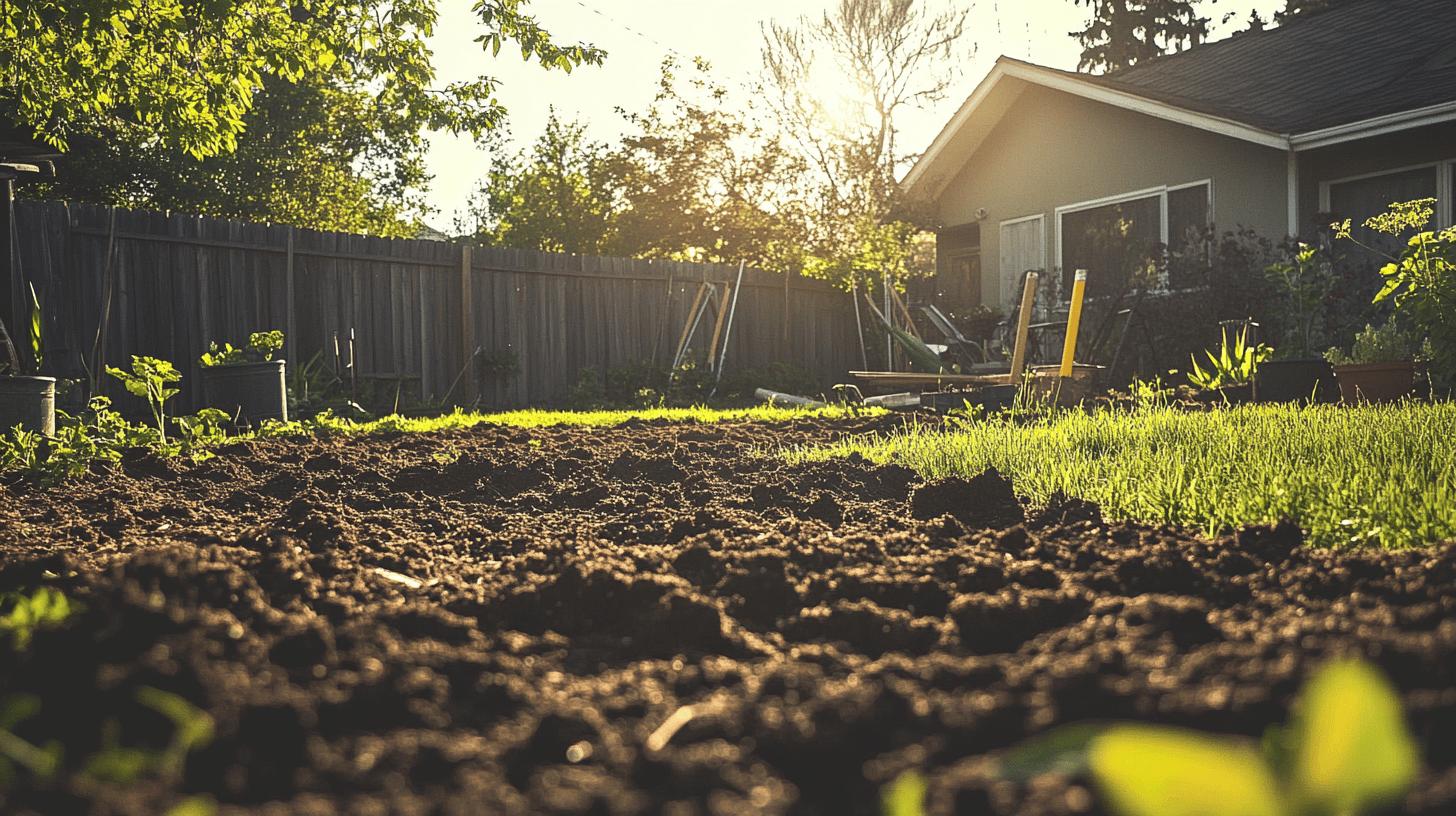
Wait for a stretch of days above about 50°F before you go all in on cleanup. That threshold matters more than the calendar: a lot of beneficial insects overwinter in leaf litter and hollow stems, and clearing everything the second it hits 40 degrees pulls the rug out from under them. Once it’s reliably warm, though, the old growth becomes a liability — wet, matted leaves and dead stems are exactly where fungal disease and slugs have been riding out the winter.
Start by raking the beds and pulling out any dead annuals, broken stems, and the weeds that got a jump on you. Don’t just bag it all, though. Wet leaves make a decent free mulch if you pile them somewhere out of the way, and dry leaves crumble down into leaf mold — that crumbly, dark stuff that’s basically free soil conditioner if you’re patient enough to let it sit. From there it’s the unglamorous list: clear broken branches, sweep and power-wash the patio and deck to knock off the winter grime and algae, clean the gutters before spring rain overwhelms them, and check that your outdoor lights and GFCI outlets still work.
You don’t have to do all of this in one back-breaking Saturday. I break it into two weekends and start with whatever beds I’m planting first, so the areas that matter most are ready when the plants are.
Prune Trees and Shrubs While They’re Still Dormant
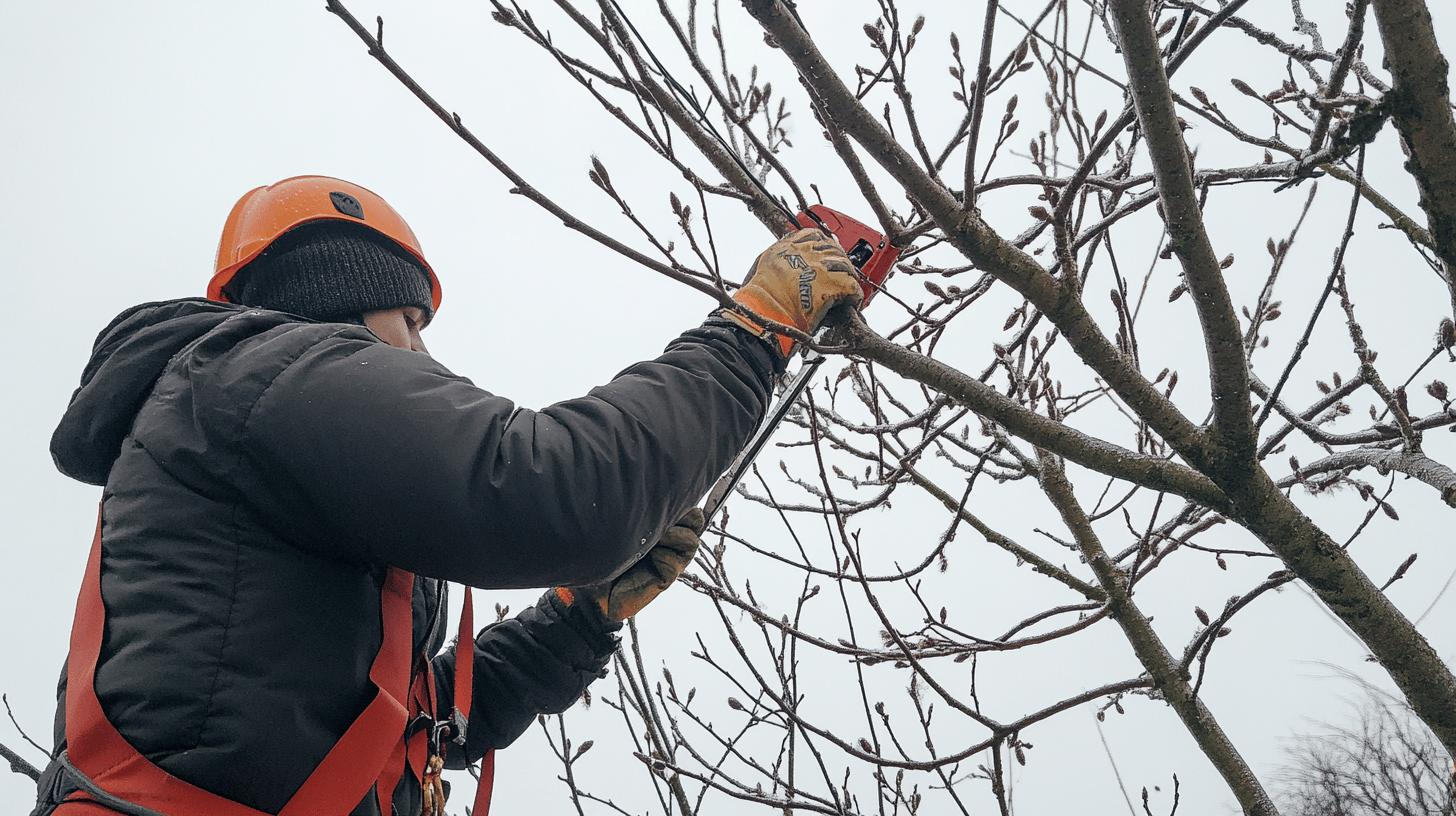
Late winter into early spring is the sweet spot for pruning most deciduous trees and shrubs, and the reason is simple: while the plant is still dormant, a cut won’t trigger a flush of tender new growth that a late frost can kill. With the leaves gone you can also actually see the structure — the crossing branches, the dead wood, the water sprouts shooting straight up — so your cuts are cleaner and more deliberate. Take out anything dead or diseased first, then open up the center for airflow, then step back and shape.
The one rule that trips people up is timing around flowering, and it’s worth getting right. A good pair of Fiskars bypass pruning shears ($) makes clean cuts that heal fast, which matters more than most folks think — ragged tears from dull blades are open doors for disease. Match your timing to what the plant does:
| What you’re pruning | When to do it | Why |
|---|---|---|
| Spring bloomers (forsythia, lilac, rhododendron) | Right after they finish flowering | They set buds on old wood; prune now and you cut off this year’s flowers |
| Summer-flowering shrubs | Early spring, before new growth | They bloom on new wood, so a hard spring cut drives fresh flowering stems |
| Fruit trees | Late winter / early spring, dormant | Easier to shape leafless; encourages strong structure before growth |
| Evergreens | Light shaping in early spring | Save any heavy pruning until after the new growth hardens off |
Early spring is also a fine window to plant or move trees and shrubs, since the cool weather lets roots settle in before summer heat arrives. Water the plant well the day before, dig the new hole twice as wide as the root ball but no deeper, loosen the roots a little as you set it, then water deeply and mulch. Get it in the ground now and it has months to build roots before it has to survive July.
Feed the Soil Before You Plant Anything
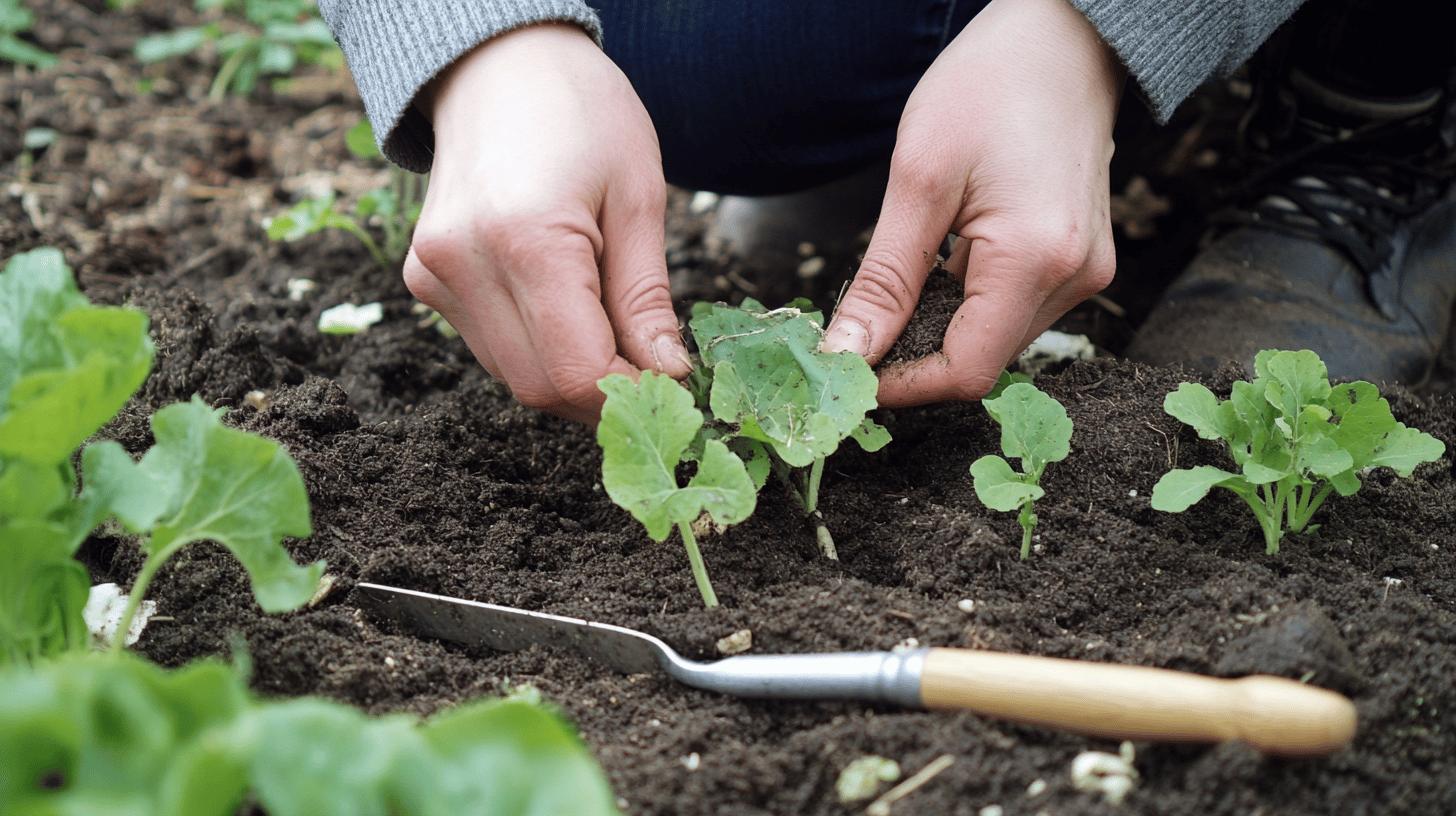
Soil is where a spring garden is won or lost, and it’s the step people skip because it isn’t as satisfying as putting plants in the ground. Start with a test. A cheap Soil Savvy soil test kit ($) tells you your pH and roughly what nutrients you’re short on, which turns “add some fertilizer and hope” into an actual decision. Most vegetables and flowers want a slightly acidic to neutral pH, somewhere between 6.0 and 7.0; if a test says you’re off, that’s when garden lime (to raise pH) or elemental sulfur (to lower it) earns its place. It’s worth knowing how to test your soil’s pH at home before you spend a dime on amendments.
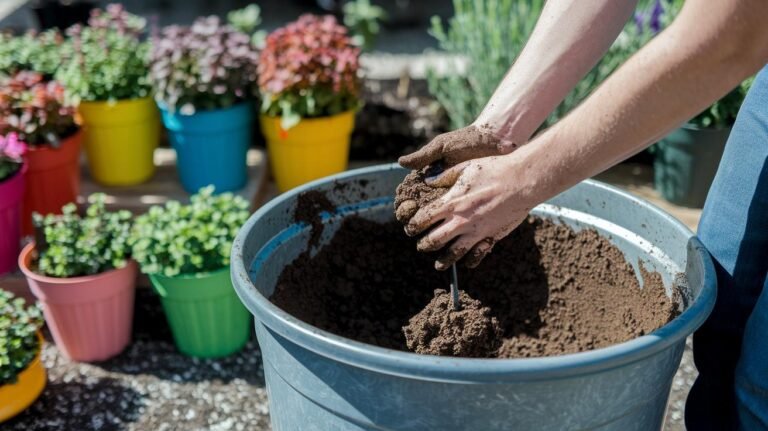
Once you know what you’re working with, feed it. Compost is the do-everything amendment — it adds nutrients, feeds soil microbes, and improves structure whether your ground is heavy clay or loose sand. For a real nitrogen and structure boost, work in a few inches of Black Kow composted cow manure ($), which is aged enough that it won’t burn roots the way fresh manure will — I scorched a whole row of lettuce years ago learning that lesson. Turn amendments into the top six inches or so a couple of weeks before you plant, and do it again in fall; soil health is a twice-a-year habit, not a one-time dump.
Finish with mulch. A two-inch layer of shredded leaves, straw, or wood chips holds moisture, keeps roots cool, and smothers weed seeds before they germinate — and as it breaks down it feeds the soil all over again. If weeds were your nemesis last year, a layer of organic mulch for suppressing weeds is the cheapest fix there is. No compost pile yet? Spring’s the time to start one: layer green stuff (kitchen scraps, grass clippings) with brown stuff (dry leaves, small twigs), keep it damp, turn it now and then, and you’ll have your own black gold by midsummer.
Plant Cool-Season Crops and Early Flowers
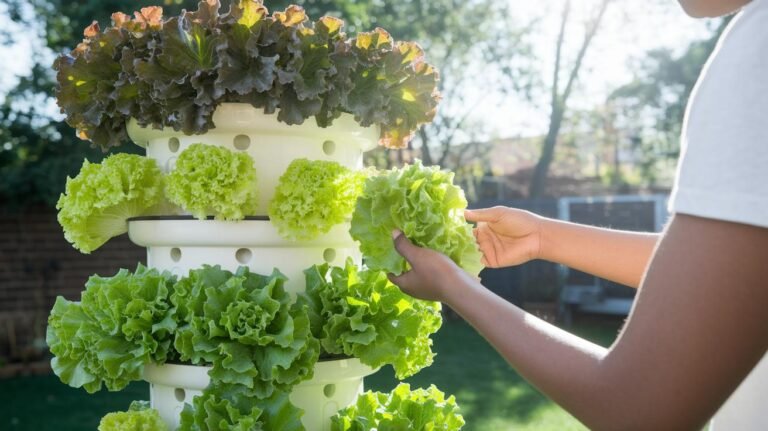
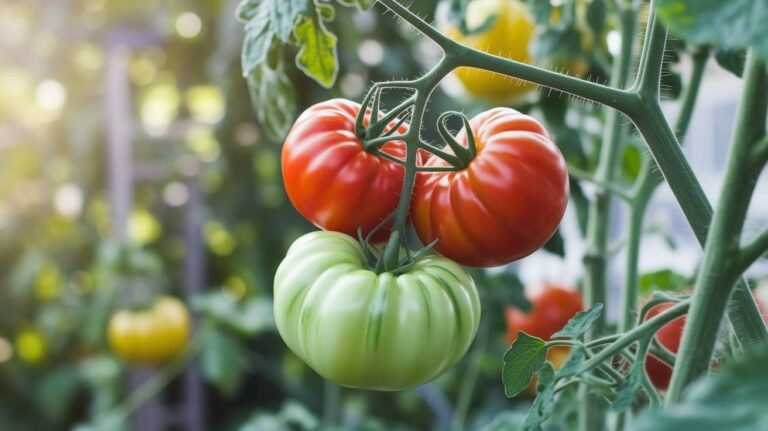
Spring planting is all about matching the plant to the temperature, and the mistake is treating everything like a tomato. Cool-season vegetables actually prefer the chill and can go in as soon as the soil is workable — lettuce, spinach, peas, radishes, carrots, beets, and the brassicas like broccoli, cabbage, and kale all shrug off a light frost. Save the warm-season crops for later; tomatoes, peppers, and squash sulk or rot in cold ground, so they wait until after your last frost date. For early color while the beds fill in, pansies, violas, primroses, and snapdragons handle chilly nights without blinking.
When you lay the garden out, put the tall stuff — corn, sunflowers, staked tomatoes later on — at the north end so it doesn’t shade everyone else, and rotate what grows where each year. A simple rotation (leafy crops, then fruiting crops, then roots, then legumes to rebuild nitrogen) breaks pest and disease cycles and keeps the soil from getting mined out by the same feeders in the same spot. A Nisaku hori-hori knife ($$) is the one tool I reach for most in this stretch — it digs planting holes, slices open bags of soil, divides perennials, and pries weeds out by the root, all with one blade.
If you want a head start, start seeds indoors about six to eight weeks before your last frost. Use a seed-starting mix rather than garden soil, give them real light (a sunny south window rarely cuts it — a shop light works better), keep the mix damp but not soggy, and harden the seedlings off gradually over a week before they go outside. And spring is a good time to underplant for the long haul: a few low-maintenance perennials tucked in now come back on their own every year with almost no effort from you.
Wake Up Your Lawn
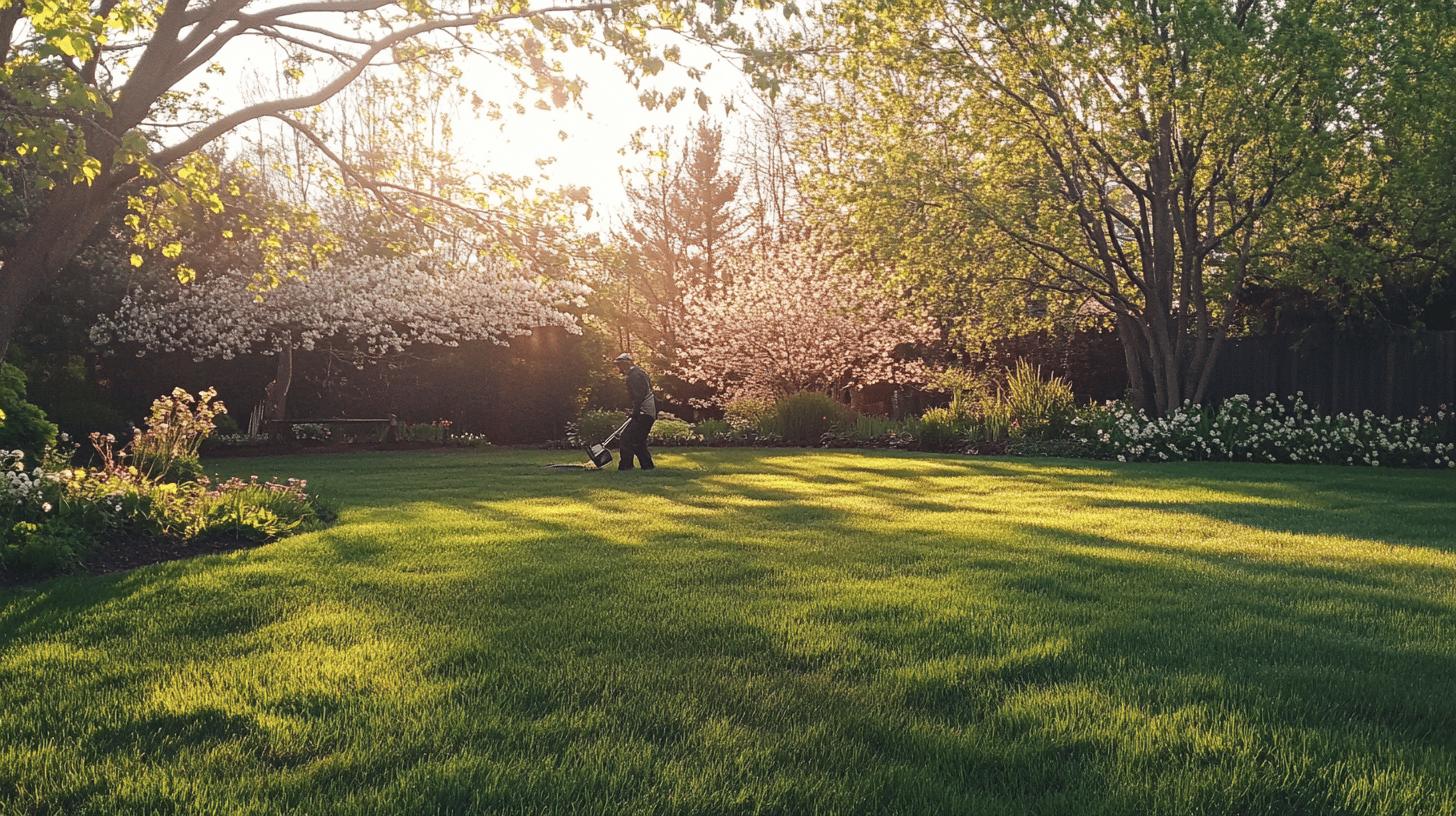
A lawn comes out of winter compacted and hungry, and the single best thing you can do for it is aerate. Pulling small cores or poking holes in the soil lets water, air, and nutrients reach the roots instead of pooling on a hard surface, and it relieves the compaction that chokes out spring growth. For a small yard a manual coring aerator ($$) does the job in an afternoon; for anything bigger, renting a powered core aerator for a morning is money well spent. If you want the full rundown on why it matters and how to time it, it’s worth understanding how lawn aeration works before you start poking holes.
After aerating, the rest of the spring lawn routine falls into place. Mow regularly but never scalp it — keeping the grass around 2.5 to 3.5 inches shades out weed seeds and drives deeper roots. Dethatch if the spongy layer of dead grass above the soil has built up past about half an inch, overseed the thin and bare patches, and put down a slow-release fertilizer suited to your grass type once it’s actively growing. Water deeply and less often rather than a daily sprinkle — a soaker hose or a Raindrip automatic drip kit with a timer ($$) delivers water low and slow where roots can actually use it, and it saves you from remembering to turn anything on. If you’d rather cut the mowing and watering entirely, mixing white clover into the turf or converting low-traffic corners to groundcover is worth a look.
Get Ahead of Pests the Natural Way
Pest control in spring is about being early, not being aggressive. As things warm up, aphids, slugs, cutworms, and the rest wake up looking for the tender new growth you just planted, and it’s a lot easier to keep a population from establishing than to knock one back once it’s exploded. The foundation is a tidy garden and healthy plants — debris gives pests somewhere to hide, and a stressed plant is the one they hit first.
From there, let the ecosystem do the heavy lifting. Flowering plants like dill, fennel, and cosmos pull in ladybugs and lacewings that eat aphids by the hundreds; a few marigolds tucked among the vegetables help deter a range of pests; and bird feeders bring in birds that work the yard for you. When you do need to intervene, start gentle: hand-pick the big ones like hornworms and Japanese beetles, use floating row covers over young seedlings, set beer traps for slugs, or hit soft-bodied pests with a simple soap spray. That’s the whole idea behind integrated pest management — prevent, monitor, and use the least drastic tool that works before you reach for anything stronger. The same thinking makes it easy to design a pollinator garden that keeps beneficial insects around all season.
Refresh the Space and Ready Your Tools
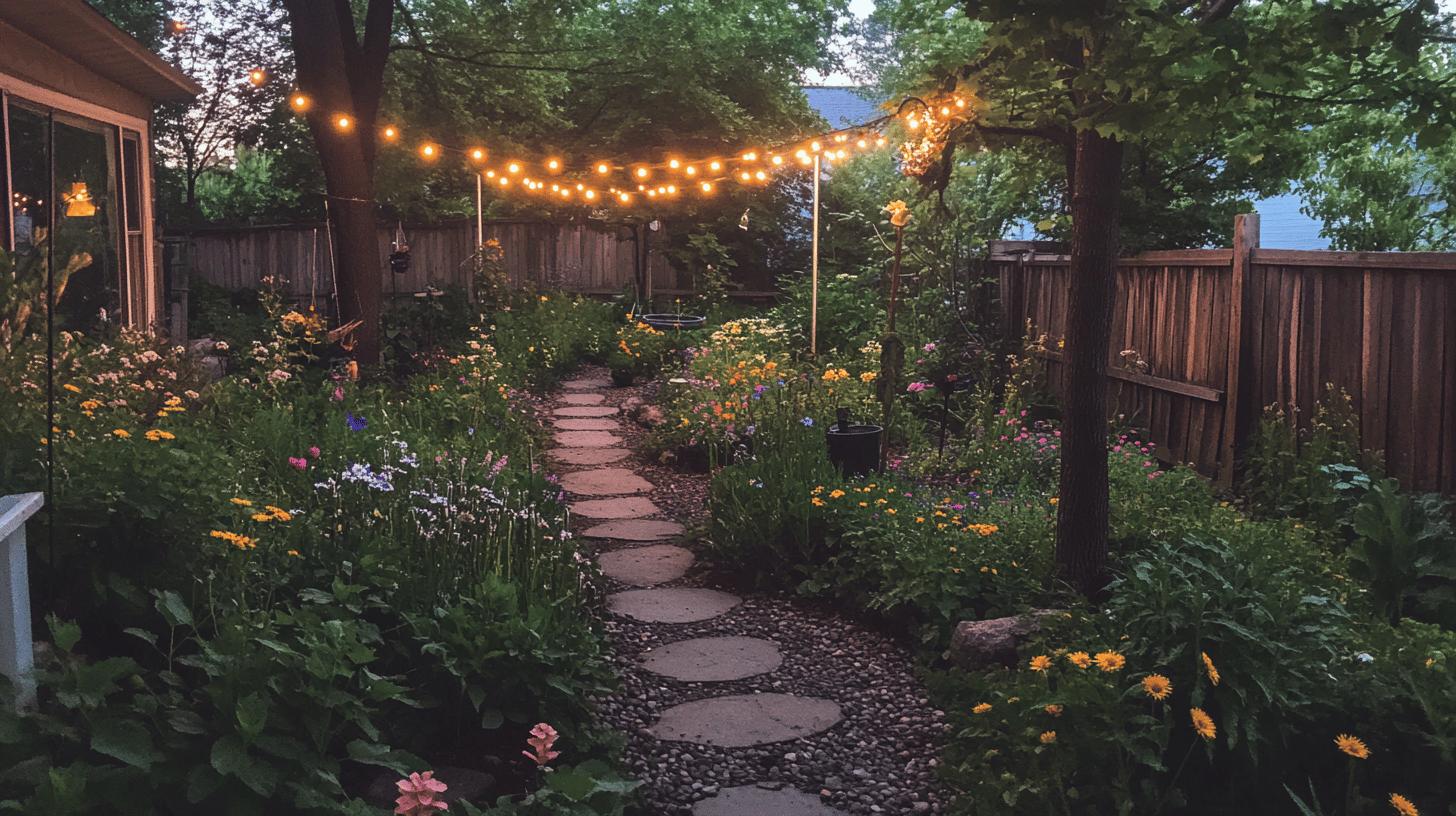
With the growing side handled, the last of spring prep is making the yard somewhere you actually want to sit — and getting the gear that does the work back into shape. You don’t need new furniture to reset a patio. Wash the cushions, hose down and touch up the chairs, oil any teak, and swap in a couple of bright throw pillows and you’ve bought yourself another season. If you are buying, aluminum and recycled-plastic pieces give you the most weather resistance for the least fuss, while teak looks great but costs more and wants occasional oiling. A string of café lights, a few potted plants, and a defined seating area do more for the feel of a backyard than any single big purchase — and a simple backyard fire pit gives people a reason to stay out past sunset.
Then there’s the tools, which is the step everyone puts off and then regrets the first time a rusty pruner mangles a branch. Scrub rust off with a wire brush or steel wool, wipe everything down with a light oil to keep corrosion from coming back, and sharpen the cutting edges — pruners and shears at about a 20-degree angle along the bevel, shovels and hoes with a coarser 45-degree edge. Oil wooden handles so they don’t split, tighten loose hardware, and give the mower a tune-up and a fresh blade before its first cut. Sharp, clean tools make every job on this list faster and easier, and they last years longer than neglected ones. A pegboard in the shed keeps them where you can find them instead of buried in a bucket.
Recommended gear for spring prep
As an Amazon Associate, Backyard Superstar earns from qualifying purchases at no extra cost to you.
- Pruning — Fiskars Bypass Pruning Shears ($). Clean, sharp cuts on shrubs and small branches that heal fast.
- Soil — Soil Savvy Soil Test Kit ($). Reads pH and nutrients so you amend on facts, not guesses.
- Amendment — Black Kow Composted Cow Manure ($). Aged nitrogen and structure that won’t burn roots.
- Planting tool — Nisaku Hori-Hori Knife ($$). Digs, divides, and weeds with one blade.
- Lawn — Manual Coring Aerator ($$). Pulls cores to relieve compaction on a small lawn.
- Watering — Raindrip Automatic Drip Kit with Timer ($$). Deep, hands-off watering that beats a daily sprinkle.
Frequently Asked Questions
When should I start preparing my yard for spring?
Start once daytime temperatures are consistently above about 50°F, which in most regions lands somewhere between late February and early April depending on your climate. That’s warm enough to clear debris and prune without disturbing overwintering beneficial insects too early. Hold off on planting warm-season crops until after your last frost date.
What order should I tackle spring backyard prep in?
Cleanup first, then pruning, then soil prep, then planting, with lawn care, pest prevention, furniture, and tools folded in as you go. Working in that order means each step sets up the next — cleared beds are easier to amend, and amended soil is ready when your plants are.
How do I prepare garden soil for spring planting?
Test it first to learn your pH and nutrient gaps, then work a couple of inches of compost and aged manure into the top six inches of soil a week or two before planting. Finish with a two-inch layer of mulch to hold moisture and block weeds. Repeat the feeding in fall to keep the soil healthy year-round.
Which vegetables can I plant in early spring?
Cool-season crops that tolerate a light frost: lettuce, spinach, peas, radishes, carrots, beets, broccoli, cabbage, and kale can all go in as soon as the soil is workable. Warm-season crops like tomatoes, peppers, and squash should wait until the danger of frost has passed and the soil has warmed.
Do I really need to aerate my lawn in spring?
If your lawn feels hard underfoot or water pools instead of soaking in, yes — winter leaves soil compacted, and aeration lets air, water, and nutrients reach the roots so the grass greens up faster and grows deeper roots. A manual aerator handles a small yard; rent a powered one for larger areas.
What’s the best way to control garden pests in spring?
Get ahead of them: keep the garden tidy, monitor for early damage, and encourage beneficial insects with flowering plants before pests establish. Hand-pick large pests, use row covers on seedlings, and reach for gentle options like soap sprays only when needed. Prevention beats reacting to a full-blown infestation every time.