Backyard Bonsai Gardening for Beginners
The first bonsai I kept alive was a scruffy little juniper I almost talked myself out of buying, convinced I’d kill it within a month like everyone warned me. Five years later it’s still on my back step, a little gnarled, a little wild, and easily the thing visitors ask about most. That’s the quiet secret of backyard bonsai gardening: it looks like a discipline reserved for monks and masters, and it’s really just patient container gardening with a pair of good scissors. If you can keep a potted herb alive on a windowsill, you can grow a bonsai on your patio.
What you’re actually growing is a full-sized tree kept small on purpose — trained by pruning and shaping rather than any trick of genetics. Give it the right light, a fast-draining soil, and a few minutes of attention on the days it asks for them, and it will reward you for years. This guide walks through the whole thing: picking a tree that forgives beginners, potting it, watering and feeding without drowning it, and slowly shaping it into something that feels like yours.
As an Amazon Associate, Backyard Superstar earns from qualifying purchases at no extra cost to you.
Why a Bonsai Earns Its Spot in the Backyard
A bonsai does something no other plant in my yard quite manages. A hanging basket is pretty and a raised bed is productive, but a bonsai is a small, living sculpture you get to keep working on — and the working on it is the whole point. There’s a reason the practice has hung around for the better part of a thousand years, moving from Chinese penjing to Japanese bonsai and eventually onto suburban patios like mine. It scratches the same itch as any slow craft: you make one small, careful decision, then wait to see what the tree does with it.
It also fits where almost nothing else will. A single tree lives happily on a balcony rail, a porch step, or a corner of the deck that gets good morning light, which makes bonsai one of the few genuinely rewarding options for people short on ground. And the ritual of it — the morning check, the slow trickle of the watering can, the occasional snip — turns into the calmest ten minutes of my day. If your goal is a yard that feels like somewhere you actually want to sit, a bonsai pulls more than its weight; it pairs beautifully with the kind of quiet corners I get into in my backyard relaxation ideas.

Choosing a Beginner-Friendly Bonsai Tree
Here’s where most first-timers go wrong: they fall for a delicate Japanese maple in a catalog photo, buy it, and then lose it over the first hard winter. The tree you start with matters more than any tool you’ll buy, and the forgiving species are forgiving for a reason. They tolerate the inevitable missed watering, the slightly-too-much sun, the beginner’s heavy hand with the shears. Start with one of those and you build confidence instead of a graveyard.
For a true first tree, it’s hard to beat a juniper. It’s tough, it’s cheap, it responds well to pruning, and it looks like a “real” bonsai almost immediately. A ready-to-go Brussel’s Bonsai Green Mound Juniper starter kit ($$) is how I’d point most beginners — it arrives already in a bonsai pot with soil, three years into its training, so you’re shaping a tree rather than starting from a seed you’ll be waiting on for a decade. Keep it outdoors; junipers are not houseplants, and the single fastest way to kill one is to trap it inside on a shelf.
Beyond the juniper, a handful of species stay kind to newcomers. Here’s how the reliable starters compare, so you can match one to your climate and how much fuss you’re realistically willing to do.
| Species | Why it forgives beginners | Light | Watering rhythm |
|---|---|---|---|
| Juniper | Hardy, cheap, takes pruning well; the classic first tree | Full sun, outdoors year-round | Water when topsoil is slightly dry |
| Chinese elm | Fast-growing with fine branching that hides mistakes | Sun to part shade | Keep evenly moist |
| Ficus | Tolerates low light and dry indoor air; good if you must grow inside | Bright, warm spot | Moderate; let surface dry between drinks |
| Jade | Succulent that shrugs off missed waterings | Bright light, warm climates | Sparingly — overwatering is the only real risk |
| Japanese maple | Stunning seasonal color once you’ve got the basics | Part shade, sheltered from wind | Consistent moisture; protect in extreme cold |
Notice the maple sits at the bottom of that list, not the top. It’s the tree everyone wants and the one I’d steer a beginner away from for at least the first year — the fall color is worth it, but the fussiness will test you before you’ve built the instincts to handle it. Get a season under your belt with a juniper or a Chinese elm first, and the maple stops feeling like a gamble.

The Tools You Actually Need to Start
You do not need the wall of gleaming Japanese steel you’ve seen in videos. For your first year, the honest list is short: a pair of sharp bonsai shears for trimming soft growth, a concave cutter for removing branches cleanly, wire cutters, and something to loosen roots at repotting time. Everything else is an upgrade you’ll want later, once you know what your hands actually reach for.
If you’d rather buy it all in one go, a starter set covers the basics for the price of a couple of individual tools. The PEEORNT 22-piece bonsai tool kit ($) is the budget way in — shears, cutters, and a bit of training wire in one bag, plenty to learn on before you know your preferences. When you’re ready to commit, the Soligt 12-piece bonsai tool set ($$) steps up in quality and adds a proper concave cutter, a wire cutter, and five rolls of training wire in a wooden box — the concave cutter alone is worth the jump, because it removes a branch without leaving the ugly stub that a regular pruner does.
One piece of advice I wish I’d taken sooner: the shears are the tool you’ll touch most, so if you spend anywhere, spend a little there and keep them clean and sharp. A clean cut heals; a crushed one invites rot. Wipe the blades with rubbing alcohol between trees, especially if you’re ever working on one that looked a little sickly.

Soil and Pots: The Part Beginners Underestimate
This is the section people skim, and it’s the one that quietly decides whether your tree thrives or sulks. Bonsai do not grow in ordinary potting soil, and they absolutely will not tolerate garden dirt — both hold too much water in a shallow pot and slowly suffocate the roots. What a bonsai wants is a gritty, fast-draining mix that lets water rush through and pulls air down to the roots behind it.
The traditional blend is akadama, a fired Japanese clay, cut with pumice and lava rock for drainage. You can buy the components and mix your own once you’re hooked, but for a first tree a pre-sifted, ready-to-use blend saves the headache — a bag of traditional Japanese bonsai soil mix ($$) with akadama, kiryu, and pumice is balanced for exactly this and drains the way a bonsai needs. When you water and it drains out the bottom within a few seconds, you’ve got it right; if water pools on the surface, your mix is holding too much and it’s time to repot.
The pot itself is more than decoration. A shallow bonsai pot with generous drainage holes is what keeps the root ball compact and the tree small — that restriction is doing half the work of dwarfing. Match the pot roughly to the tree’s proportions (a common guideline is a pot about two-thirds the height of the tree), and plan to repot every two to three years for most species, refreshing the soil and trimming the roots so the tree never becomes a rootbound plug. The right soil is really just an extension of the same drainage thinking I get into in my guide to the best soil and setup for a backyard water feature — get the water moving correctly and most problems never start.

Watering, Feeding, and Pruning Without Overthinking It
Watering is where nervous beginners do the most damage, almost always by giving too much. There’s no fixed schedule worth memorizing, because a tree in July drinks nothing like the same tree in November. Instead, check the soil: press a finger a half-inch down, and when it feels barely dry, water thoroughly until it runs out the drainage holes. A tree that sits in constantly soggy soil gets root rot, the single most common way people lose a bonsai; one that dries out completely wilts fast in a shallow pot. You’re aiming for the rhythm in between, and after two weeks of paying attention you’ll simply know.
Feeding matters more than beginners expect, because there’s so little soil to hold nutrients and frequent watering flushes them out the bottom. Through the growing season, a diluted liquid fertilizer every couple of weeks keeps the foliage full and the color deep; ease off in the dormant months when the tree isn’t really growing. Nothing fancy is required — consistency beats strength.
Pruning is the part that feels intimidating and turns out to be the most forgiving of all. Snipping the tips of new growth is how you keep a bonsai bushy instead of leggy, and it’s genuinely hard to do lasting harm as long as you never take more than about a third of the tree at once. Pinch back the longest new shoots to hold the shape, clear any growth sprouting straight down or straight into the trunk, and step back often to look at the silhouette. The tree tells you what it needs if you keep looking at the whole thing rather than the single branch in your hand.

Shaping Your Tree With Wire
Pruning decides what stays; wiring decides where it goes. Wrapping a branch in soft aluminum wire lets you bend it gently into position and hold it there for a few months until the wood sets, and it’s the technique that turns a bushy little shrub into something with real movement and character. It looks like witchcraft in photos and takes about ten minutes to learn in your hands.
Anodized aluminum is the right wire for a beginner — softer and more forgiving than copper, easy to bend, and reusable. A 5-size aluminum bonsai training wire set ($) covers everything from delicate twigs to thicker structural branches, so you’re not stuck with one gauge that’s wrong for half the tree. Wrap at roughly a 45-degree angle, snug but never biting into the bark, then coax the branch into place a little at a time so you don’t snap it. The one rule that saves trees: check every few weeks as the branch thickens, and cut the wire off the moment it starts to press a groove into the bark, rather than unwinding it. Wire scars take years to fade.
Designing a Bonsai Corner That Feels Like a Retreat
A single tree is lovely, but a small grouping is where a backyard bonsai setup becomes a place you linger. I keep mine on a simple tiered bench so each tree sits at its own height and gets seen on its own terms, with a couple of larger stones and a patch of moss to tie the arrangement to the ground. Moss is the cheat code here — it softens the soil surface, holds a little humidity, and instantly makes a young tree look decades older.
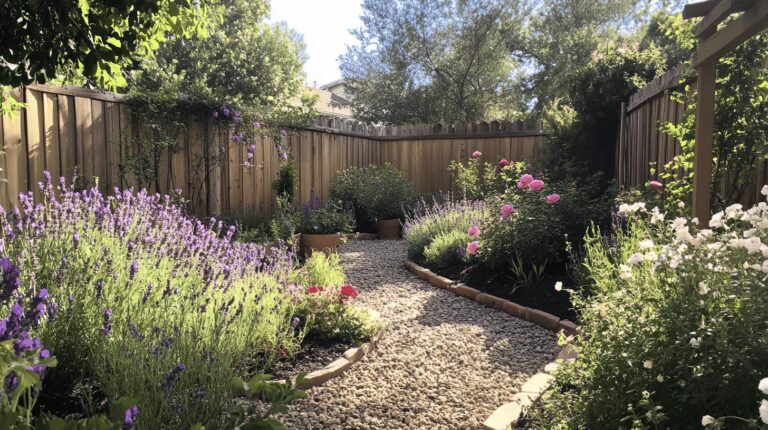
Borrow from the zen-garden playbook if you want that meditative feel: raked gravel to suggest water, a weathered stone or two standing in for mountains, and restraint above all — empty space is part of the composition, not a gap to fill. Tuck the whole thing into a sheltered corner with morning sun and afternoon shade, add a low bench or a single chair, and you’ve built the kind of quiet nook that makes the rest of the yard feel calmer too. It’s the same instinct behind my low-maintenance landscaping ideas: a few well-chosen elements, arranged with a little intention, beat a cluttered yard every time. For a fuller layout, my backyard landscaping ideas pair naturally with a bonsai corner.
Seasonal Care Through the Year
An outdoor bonsai lives by the seasons, and a little foresight keeps it healthy through all of them. Spring and summer are the active stretch: the tree drinks more, sometimes daily in real heat, and it’s the window when pruning and wiring do the most good because growth is racing to respond. Watch for scorched leaf edges in a heat wave and give a tender species some afternoon shade if the sun is punishing.
Fall and winter flip the script entirely. Growth slows to a crawl, watering drops off because the tree simply isn’t using much, and hardy species like juniper actually need a real cold dormancy to stay healthy — so resist the urge to rescue them indoors. What they do need is protection for the roots, which are far more exposed in a shallow pot than they’d ever be in the ground. In a hard-freeze climate, I move the pots into an unheated garage or heel them into a mulch bed for the coldest stretch, then bring them back out as spring returns, flush the soil, and start the feeding rhythm again. That yearly loop, once you’ve been through it a single time, stops feeling like a chore and starts feeling like the calendar the tree keeps for you.
Recommended gear for starting a backyard bonsai
As an Amazon Associate, Backyard Superstar earns from qualifying purchases at no extra cost to you.
- Top pick — beginner tree — Brussel’s Bonsai Green Mound Juniper starter kit ($$). Hardy, forgiving, and arrives already potted and trained.
- Budget tools — PEEORNT 22-piece bonsai tool kit ($). Shears, cutters, and wire in one bag — plenty to learn on.
- Upgrade tool set — Soligt 12-piece bonsai tool set ($$). Adds a proper concave cutter and wire cutter in a wooden box.
- Soil — Traditional Japanese bonsai soil mix ($$). Pre-sifted akadama, kiryu, and pumice that drains the way a bonsai needs.
- Shaping wire — Aluminum training wire, 5-size set ($). Soft, reusable, and sized for everything from twigs to structural branches.
Frequently Asked Questions
Can I grow a bonsai tree outdoors in my backyard?
Yes — most classic bonsai species, including juniper, are outdoor trees that need real seasons and full sun. Choose a species suited to your climate, water when the topsoil is slightly dry, and protect the shallow-potted roots during hard winter freezes.
Is bonsai an expensive hobby to start?
It doesn’t have to be. A beginner-friendly tree and a basic tool kit will get you going for a modest outlay, and you can add better tools one at a time as you go. The real investment is patience, not money.
How often should I water a backyard bonsai?
There’s no fixed schedule — check the soil and water thoroughly when it’s just barely dry, letting it drain out the bottom. Trees need much more water in summer heat than in winter dormancy, so let the soil guide you rather than the calendar.
What kind of soil do bonsai trees need?
A gritty, fast-draining mix such as akadama blended with pumice and lava rock, not regular potting soil or garden dirt. Good drainage keeps air at the roots and prevents the root rot that kills most beginner trees.
Which bonsai tree is best for a complete beginner?
A juniper is the classic first tree — hardy, inexpensive, and quick to look like a real bonsai. Chinese elm and jade are also very forgiving, while Japanese maple is best saved for your second year.
Start with one forgiving tree, pot it in a mix that drains fast, and give it a few minutes on the days it asks for them. Do that and backyard bonsai stops being intimidating and becomes what it’s meant to be — a slow, satisfying craft that leaves a little more calm in your yard every season.