
Pet-Safe Lawn Fertilizer Picks That Actually Work
Pet-safe lawn fertilizer picks with verified ingredients, the certifications worth checking, application and re-entry timing, and DIY recipes to try.
Keep your outdoor space thriving with expert advice on lawn maintenance, plant care, and seasonal upkeep. From watering and fertilizing to pest control and landscaping tips, learn how to maintain a healthy, lush yard all year round.

Pet-safe lawn fertilizer picks with verified ingredients, the certifications worth checking, application and re-entry timing, and DIY recipes to try.
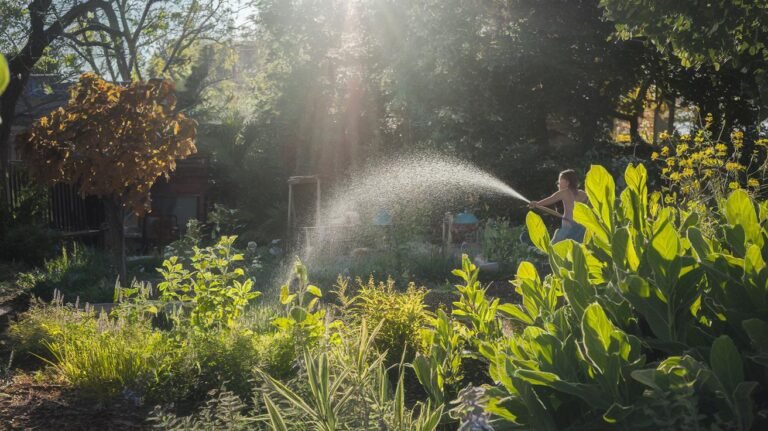
Brew compost tea fertilizer at home. Aerated vs. non-aerated methods, equipment, application rates, troubleshooting, and soil-health benefits inside.
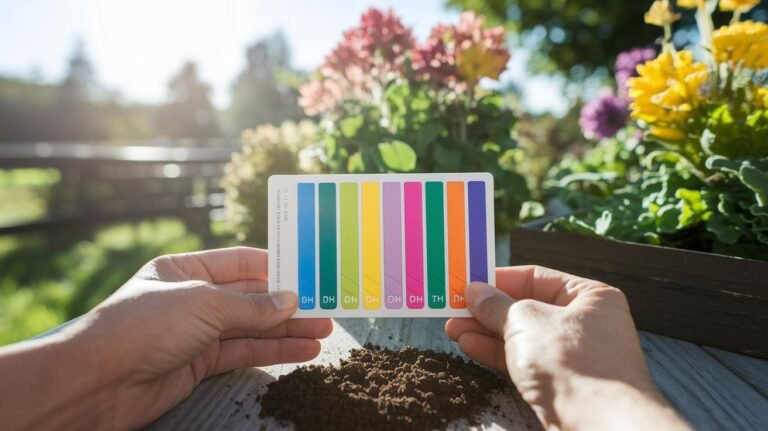
Everything about soil pH: the ideal range for vegetables, four ways to test it at home, and exactly how to raise or lower it with lime and sulfur.
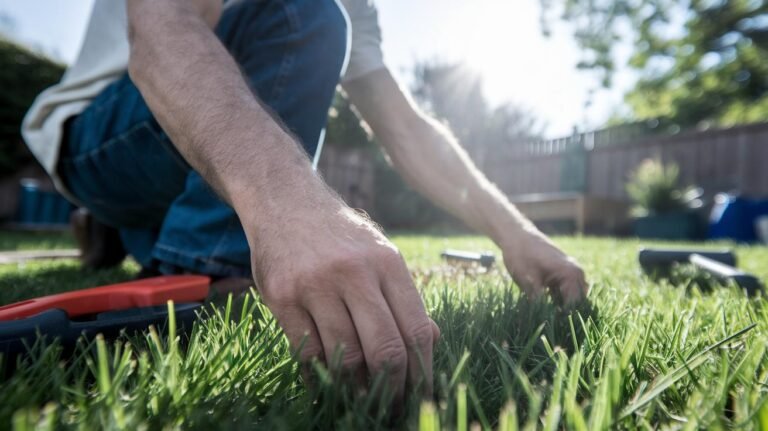
Learn how to get rid of crabgrass with pre-emergent treatments, organic removal methods, and turf-strengthening practices that prevent it coming back.
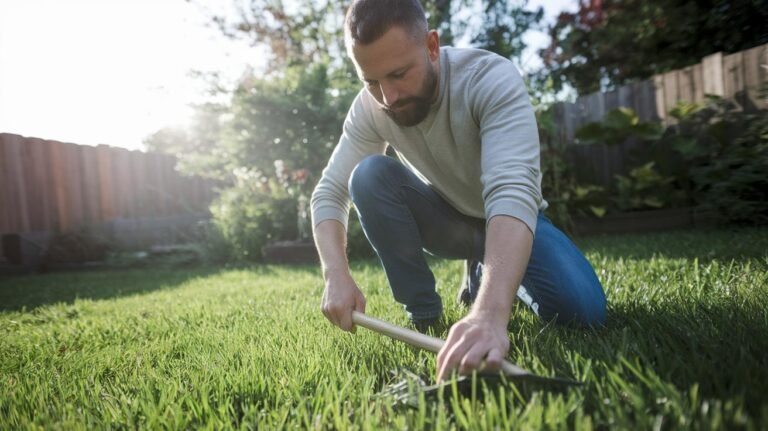
These lawn renovation tips for eliminating weeds cover mapping, weed removal, soil testing, aeration, overseeding, and mowing to crowd weeds out for good.

Care for your lawn through winter dormancy: fall prep, snow and ice damage, aeration timing, regional differences, and what to skip until spring.

Learn how to identify common lawn weeds by leaf shape, flowers, roots, and season, with a quick field chart for dandelion, crabgrass, clover, and nutsedge.
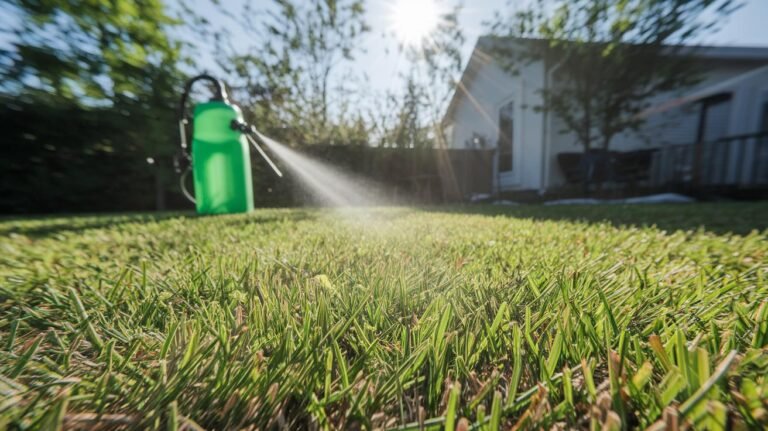
Compare the best pre-emergent herbicide for crabgrass: how prodiamine, dithiopyr, and pendimethalin work, when to apply, and the gear to spread it right.
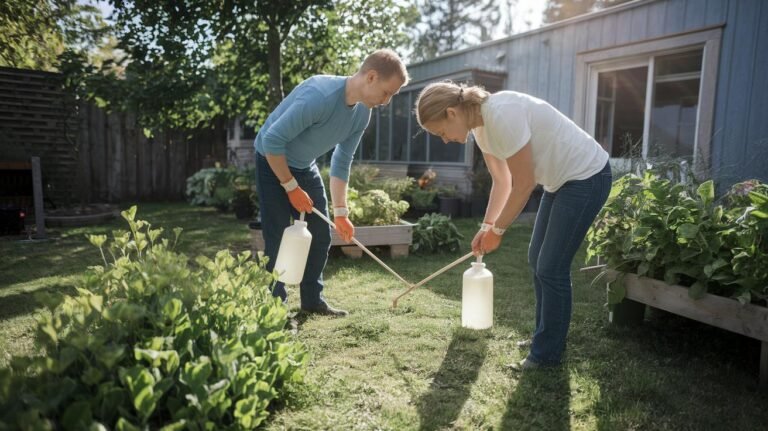
Organic lawn weed control methods that actually work: spot weeds early, pull or spot-treat them naturally, and build thick turf that crowds weeds out.

Keep weeds out of your vegetable garden without chemicals: mulching, corn gluten meal, hand-weeding, cover crops, and smart cultural practices that work.
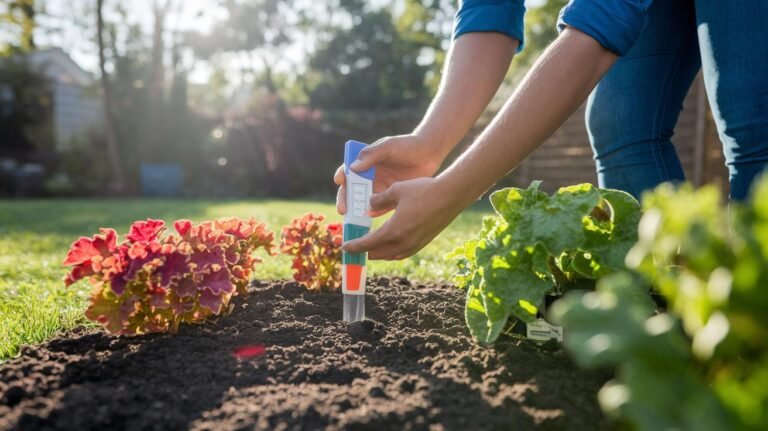
Compare the best soil pH test kits for gardeners — chemical, analog, and digital pens — with honest pros, cons, and a pick for every garden and budget.
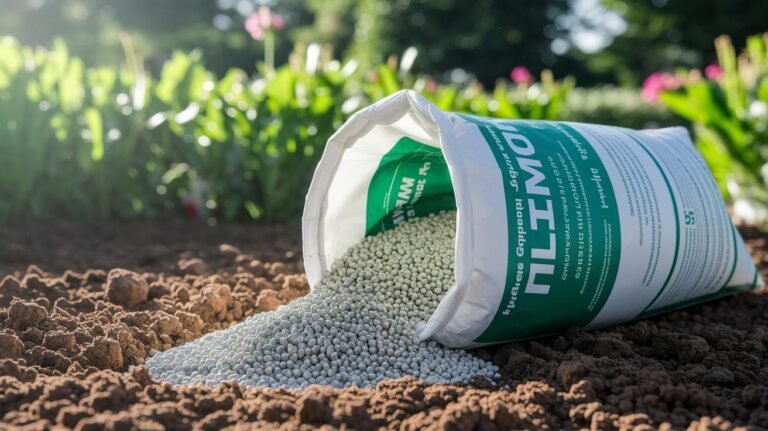
Lime fertilizer raises acidic soil pH so roots can feed. Learn to test your soil, pick calcitic or dolomitic lime, set the rate, and spread it evenly.