Organic Weed Control for Vegetable Gardens
Weeds in the vegetable garden aren’t just unsightly — they steal water, nutrients, and light from the crops you’re trying to grow. The good news is you don’t need harsh chemicals anywhere near your food to keep them in check. After years of growing vegetables, I’ve leaned on a handful of organic methods that genuinely work, and the best results come from combining a few of them. Here’s the complete playbook.
Backyard Superstar is reader-supported. When you buy through links on our site, we may earn a small affiliate commission, at no extra cost to you.
Start With Mulch — Your Best Defense
If you do only one thing, mulch your beds. A thick organic mulch blocks sunlight so weed seeds never sprout, holds moisture for your vegetables, and feeds the soil as it breaks down. Apply two to three inches around your plants (keeping it off the stems), and top it up through the season.
Good organic mulches for the vegetable garden include:
- Straw — classic for vegetable beds; buy seed-free garden straw mulch so you’re not planting weeds yourself.
- Wood chips or bark — long-lasting, best for paths and perennial areas.
- Grass clippings and shredded leaves — free, fast-decomposing, and great around annual veg (use clipping-free-of-herbicide grass only).
- Compost — feeds the soil beautifully, though on its own it’s a weaker weed blocker, so pair it with a coarser mulch on top.
Here’s how the common organic mulches stack up for the vegetable garden:
| Mulch | Weed suppression | Lasts | Best for |
|---|---|---|---|
| Straw | Very good | One season | Vegetable beds |
| Wood chips / bark | Excellent | 1–3 years | Paths, perennials |
| Shredded leaves | Good | Part of a season | Annual beds, free |
| Grass clippings | Good (thin layers) | Weeks | Quick topping-up |
| Compost | Fair (use with a topper) | One season | Feeding + light cover |
For stubborn weeds or new beds, lay a sheet barrier under the mulch. Plain cardboard or newspaper smothers existing weeds and decomposes into the soil — overlap the edges so weeds can’t sneak through the seams, wet it down, and cover with two to three inches of mulch. For paths and long-term beds, a woven landscape fabric weed barrier blocks weeds for years while still letting water through.
Corn Gluten Meal: An Organic Pre-Emergent
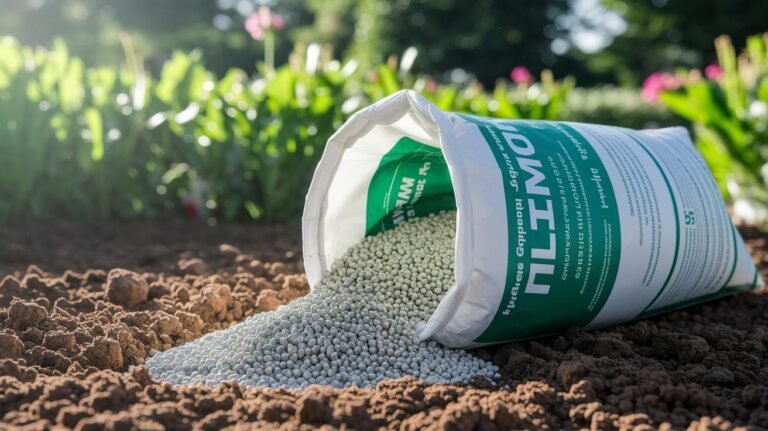
If you want to stop weed seeds before they sprout, corn gluten meal is the organic gardener’s pre-emergent. It releases a natural compound that prevents germinating seeds from forming roots — and as a bonus, it’s about 10% nitrogen, so it gently feeds the soil too.
The key is timing: apply it in early spring before weed seeds germinate, and again in late summer. Apply about 20 pounds per 1,000 square feet, water it in lightly, then let the area dry out for a couple of days so the germination-blocking effect kicks in. It builds over a season or two as it suppresses each new flush of seeds, so think of it as a multi-year strategy rather than an overnight fix.
One critical caveat — it doesn’t know the difference between weed seeds and vegetable seeds, so only use it in beds with established transplants, never where you’ve direct-sown carrots, beans, lettuce, or anything else you want to come up. Wait until your direct-sown crops are well established before applying near them.
Hand-Weeding and Hoeing, Done Right
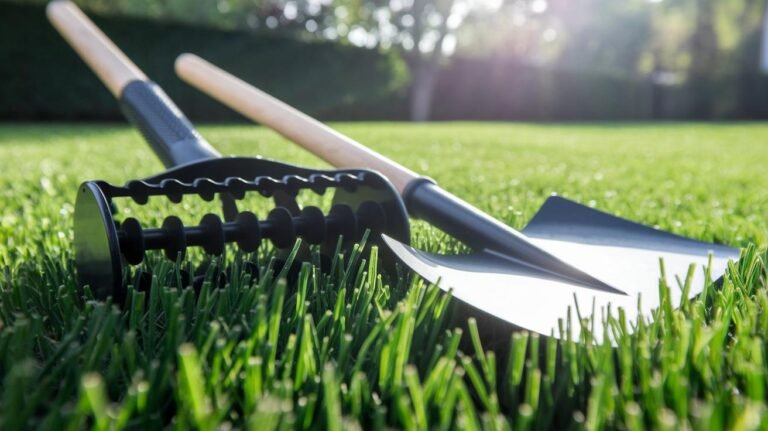
Old-fashioned hand-weeding still has a place — the trick is doing it efficiently. Pull weeds when they’re young and the soil is moist, getting the whole root. For larger areas, a stirrup (hula) hoe slices weeds off just below the surface as you glide it back and forth — it makes quick work of seedlings before they establish. Weed little and often rather than letting it pile up, and never let weeds go to seed (one season’s seeding is seven years’ weeding, as the saying goes). For help telling friend from foe, my guide to identifying common weeds is a handy reference.
Cover Crops: Outcompete Weeds
In the off-season or in empty beds, a cover crop (also called green manure) grows densely enough to crowd weeds out, then gets cut down and turned in to feed the soil. Match the crop to the season:
- Buckwheat — fast summer cover that smothers weeds in as little as a month between plantings.
- Crimson clover or field peas — fix nitrogen while they shade out weeds, great for fall.
- Winter rye — hardy through cold months and even releases natural compounds that suppress weed germination.
Cut or mow the cover crop before it sets seed, then leave it as mulch or turn it in a couple of weeks before planting. It’s one of the most effective and least labor-intensive ways to keep bare ground from becoming a weed nursery — and it improves your soil at the same time.
Homemade Organic Weed Sprays (for Paths, Not Beds)
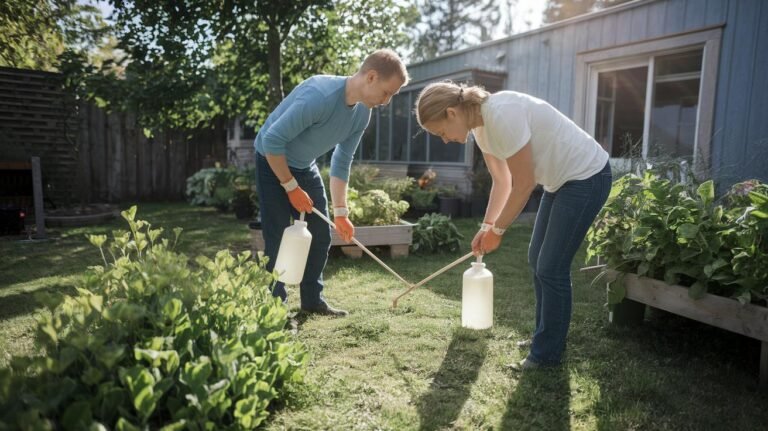
For weeds in paths, driveways, and cracks — away from your crops — a homemade spray of horticultural vinegar with a little dish soap will scorch young weeds on a hot, sunny day. Use it carefully: vinegar is non-selective and will damage any plant it touches, and it doesn’t kill roots, so it’s best for spot-treating walkways rather than garden beds.
Cultural Practices That Starve Weeds
The smartest weed control is designing your garden so weeds struggle in the first place:
- Space plants to close the canopy. Once your vegetables shade the soil, weed seeds get little light to sprout.
- Use drip irrigation or soaker hoses. Watering at the root zone keeps the rest of the bed dry, denying weed seeds the moisture they need.
- Avoid disturbing soil deeply. Every time you dig, you bring buried weed seeds up to the light — no-dig beds keep them dormant.
For Severe Weed Problems: Solarization
If a bed is overrun, solarize it: water the soil, cover it with clear plastic, and let the summer sun bake it for four to six weeks. The trapped heat kills weed seeds, roots, and many soil pests, giving you a clean slate to plant into.
Frequently Asked Questions
What’s the most effective organic weed control for vegetables?
A thick organic mulch is the single most effective method; combine it with hand-weeding and good spacing for the best results.
Is corn gluten meal safe around vegetables?
Yes, around established transplants — but never use it where you’ve direct-sown seeds, because it prevents all seeds from germinating.
Can I use vinegar on weeds in my vegetable beds?
Only with great care, and not near crops — vinegar kills any plant it contacts. Save it for paths and cracks.
How do I stop weeds from coming back?
Mulch consistently, never let weeds set seed, and keep beds planted or cover-cropped so bare soil doesn’t invite new weeds.
Layer a few of these methods — mulch first, then hand-weed, space well, and time a corn-gluten application — and you’ll spend far less time weeding and far more time harvesting. For the lawn side of things, see my guide to organic lawn weed control methods.