Best Organic Lawn Fertilizer: A Buyer’s Guide
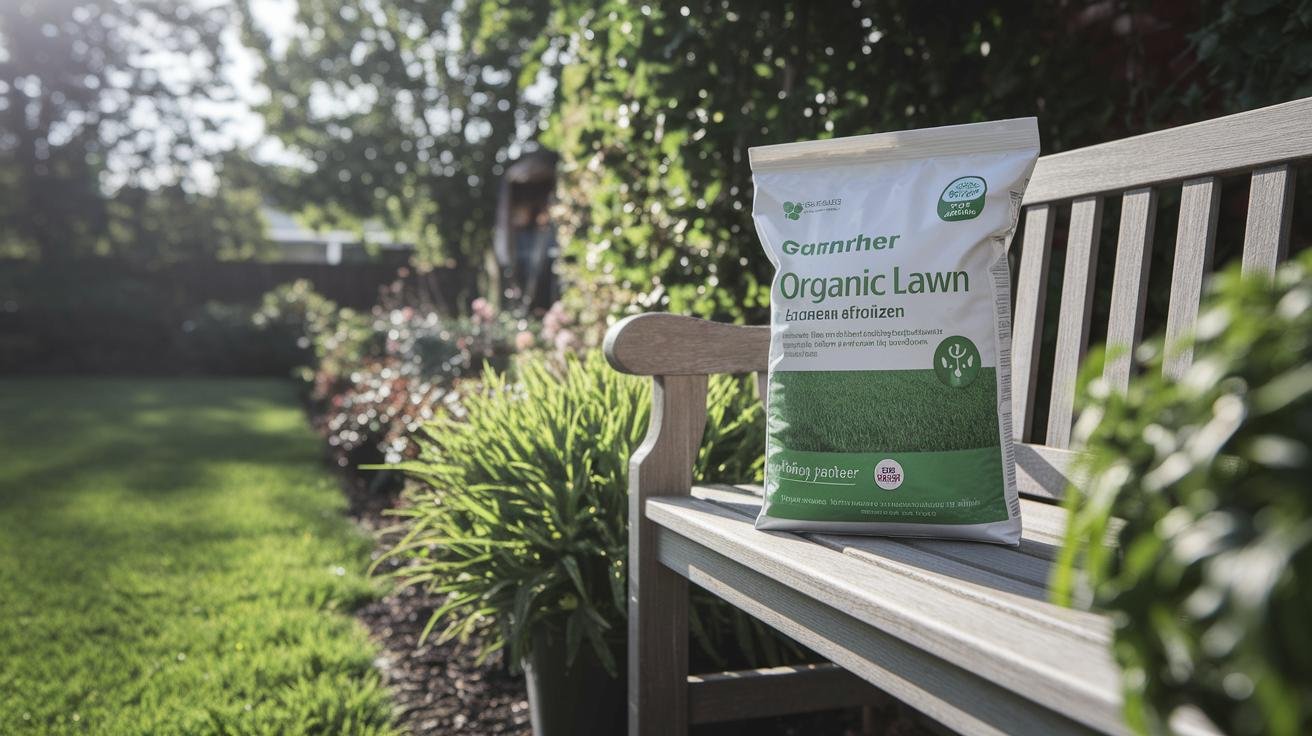
Most “organic” bags on the shelf will feed your grass just fine — the trick is matching the right one to your lawn, your budget, and how much you care about the smell. I’ve spread the cheap classics and the pricey odor-free stuff, and after enough seasons I’ve landed on a short list I actually trust. The best organic lawn fertilizer isn’t a single product; it’s the one that fits how you mow, when you feed, and whether you’ve got kids and a dog rolling around on the turf an hour later. Here’s how I sort them out, plus the specific bags I keep going back to.
As an Amazon Associate, Backyard Superstar earns from qualifying purchases at no extra cost to you.
What “Organic” Actually Means on a Fertilizer Bag
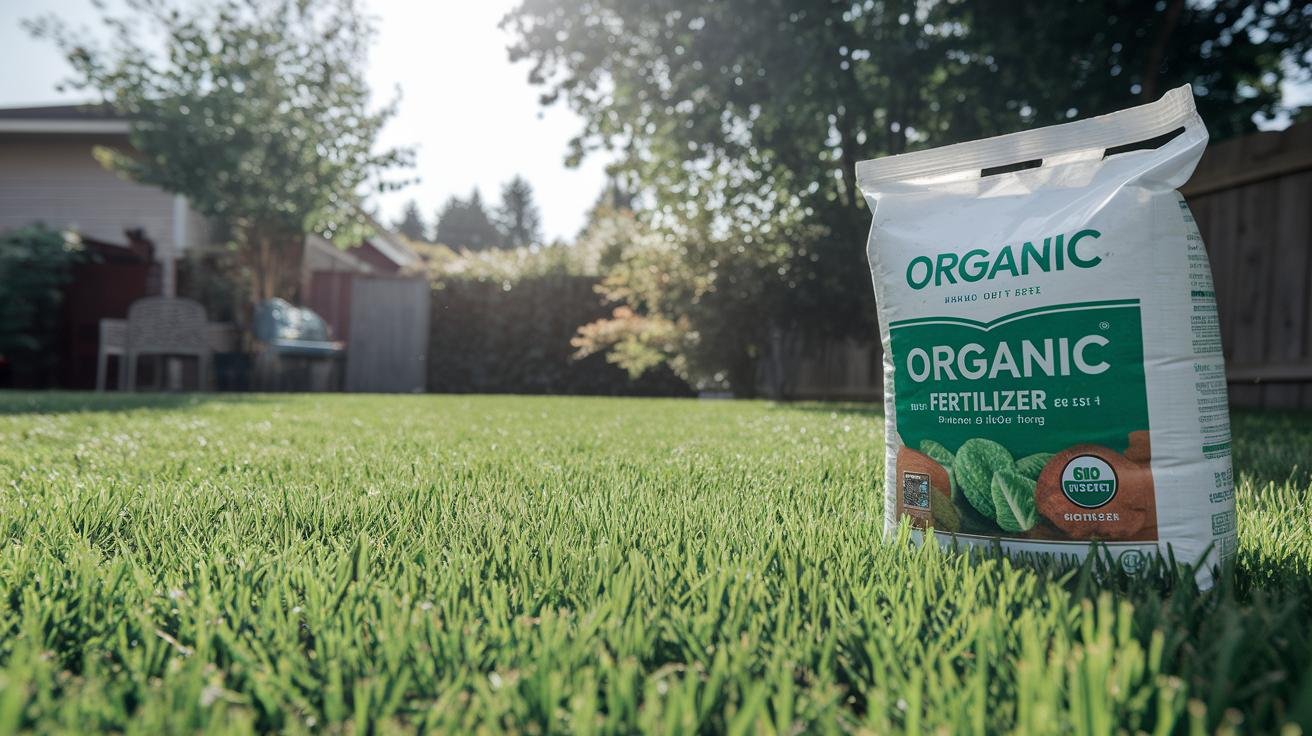
An organic lawn fertilizer feeds your grass through the soil instead of straight into the blades. The nitrogen comes from natural sources — composted manure, feather meal, soybean meal, bone meal, or a byproduct like Milwaukee’s heat-dried microbes in Milorganite — and it has to be broken down by soil microbes before the grass can use it. That’s the whole difference in one sentence. A synthetic fertilizer is a fast, water-soluble jolt; an organic one is a slow breakfast that releases over six to ten weeks as the soil warms and the microbes get to work.
That slow release is the reason I keep recommending these bags to people who’ve burned a lawn before. Because the nitrogen isn’t sitting there as a salt waiting to scorch roots, organic feeds are much harder to over-apply into a striped, burned mess — though “harder” isn’t “impossible,” and I’ll come back to that. The other payoff is under the surface: the same organic matter that feeds the grass also feeds earthworms and microbes, and over a couple of seasons that builds soil structure so rain soaks in instead of sheeting off toward the storm drain.
The catch is cost and patience. Organic nitrogen usually runs two to four times more per pound of actual nitrogen than the synthetic stuff, and you won’t get that emerald-green flash three days after spreading. What you get instead is a steadier color that holds, fewer feast-and-famine growth spurts, and a lawn that needs the fertilizer less over time because the soil itself is doing more of the work.
How I Judge an Organic Lawn Fertilizer Before I Buy
Four things decide it for me, and none of them is the marketing on the front of the bag. First is the nitrogen source and the N-P-K numbers — those three digits (like 6-4-0 or 10-0-2) tell you the percentage of nitrogen, phosphorus, and potassium by weight. For established lawns you want the first number to lead; phosphorus is often zero because most soils already have plenty and many states restrict it. Second is coverage per bag, because a cheap bag that only treats 2,500 square feet can cost more than a “pricey” one that covers 5,000. Third is odor, which sounds petty until you’ve fed the lawn before a cookout — manure- and biosolid-based feeds smell for a day or two, while soybean-based ones stay nearly odorless. Fourth is burn risk and safety: look for an OMRI-listed product if you want the strongest organic assurance, and check whether the label clears kids and pets back onto the lawn after watering in.
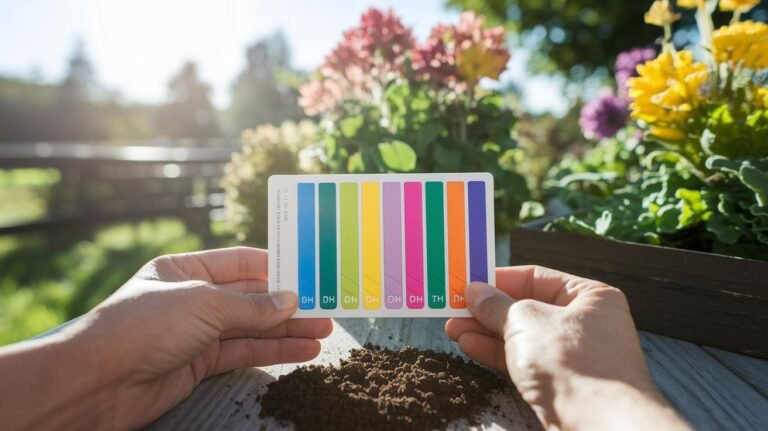
One habit saves more money than any coupon: test your soil before you buy anything. A five-minute soil test tells you your pH and roughly what your lawn is short on, so you’re not dumping phosphorus it doesn’t need or chasing green with nitrogen when the real problem is compaction. If water pools on your lawn or it feels hard as a brick, feeding won’t fix it — you likely need to aerate first so air, water, and nutrients can actually reach the roots. Here’s how my go-to bags stack up on the numbers that matter.
| Fertilizer | N-P-K | Coverage (per bag) | Best for |
|---|---|---|---|
| Milorganite 6-4-0 (32 lb) | 6-4-0 | ~2,500 sq ft | Best value / all-rounder |
| Espoma Organic All Season (28 lb) | 15-0-5 | ~9,000 sq ft | Beginners / all-season feeding |
| The Andersons Innova 7-1-2 (40 lb) | 7-1-2 | ~5,600 sq ft | Premium / odor-free, kid & pet safe |
| Purely Organic 10-0-2 (25 lb) | 10-0-2 | ~5,000 sq ft | Budget / low-odor, no manure |
| Dr. Earth Super Natural Liquid (32 oz RTS) | liquid | spot / quick green-up | Fast color between granular feeds |
The Organic Lawn Fertilizers I Actually Recommend
These are the bags I’ve either used myself or handed to neighbors without a second thought. I’ve grouped them by the job they do best rather than ranking them one to five, because the “best” one genuinely depends on your lawn.
Milorganite — the value classic that’s hard to mess up
If I could only tell someone to buy one bag, it’d be Milorganite All-Purpose 6-4-0 ($). It’s been around for a century because it works: heat-dried microbes give you slow-release nitrogen plus a little iron for color, and it’s about as forgiving as fertilizer gets — you can lay it down in summer heat without scorching the lawn. The 32-pound bag covers roughly 2,500 square feet, and the only real knock is the earthy smell, which is noticeable the day you spread it and mostly gone within about ten days. For a first-timer nervous about burning their grass, this is the one I hand over.
Espoma Organic All Season — the easy all-around feed
Espoma Organic All Season Lawn Food ($$) runs a 15-0-5 analysis with a shot of non-staining iron and Espoma’s Bio-tone microbes baked in. That higher nitrogen number means a 28-pound bag stretches across a lot of lawn — up toward 9,000 square feet — so the per-square-foot cost lands lower than the bag price suggests. I reach for this when someone wants a single product they can spread three or four times a season without thinking hard about it. It greens up reliably and the iron deepens the color without the surge-growth you get from synthetics.
The Andersons Innova 7-1-2 — the premium, odor-free pick
When smell or safety is the deciding factor, The Andersons Innova 7-1-2 ($$$) is the one I point to. It’s OMRI-listed, soybean-based, and it genuinely doesn’t stink the way manure-based feeds do — a real difference if your lawn is where the kids and dog actually play. It’s safe to apply in hot, dry weather and carries essentially no burn risk, and the amino acids in it feed soil biology alongside the grass. The 40-pound bag treats around 5,600 square feet. You pay more per bag than the others here, but for a play-lawn where nobody wants to wait two days for the smell to clear, it earns the premium.
Purely Organic Products Lawn Food — the budget, no-manure option
Purely Organic Products Lawn Food 10-0-2 ($) is built from distillers grains and soy — no biosolids, no smelly manure — so it’s the low-odor choice that still won’t wreck the budget. The slow-release nitrogen feeds for up to eight weeks and won’t burn, and the 25-pound bag covers about 5,000 square feet. If the Milorganite smell is a dealbreaker for you but Innova’s price is too, this is the middle path I steer people toward. If you’ve specifically got pets tearing up the yard, it also pairs well with the thinking in our pet-safe lawn fertilizer picks.
Dr. Earth Super Natural Liquid — for a fast green-up between feeds
Granular feeds are the backbone, but a Dr. Earth Super Natural Liquid Lawn Fertilizer ($$) earns a spot for the in-between weeks. It’s a hose-end ready-to-spray, so it’s the fastest way to nudge color up before a party or knit a thin patch together while your granular program does the slow work underneath. I don’t treat liquid as a season-long plan — it moves through faster than granular — but as a quick, even top-up it’s handy to keep in the garage.
Feeding Your Lawn Organically Without Buying a Bag
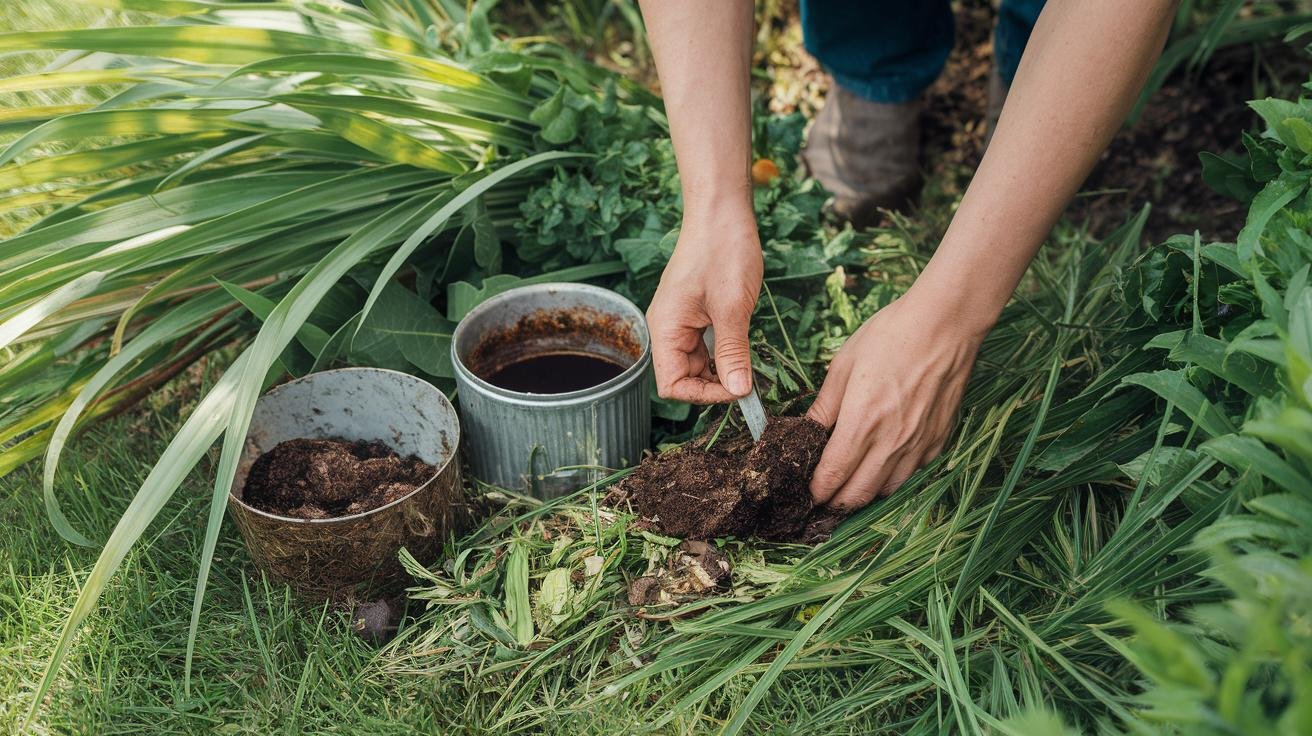
You don’t strictly need a bagged product at all, and the cheapest organic feeding program is one you build yourself. The reliable mix is about four parts finished compost to one part bone meal and one part kelp meal, spread at roughly 30 pounds per 1,000 square feet and repeated in early spring and again in fall. Plain compost or well-aged manure raked into the turf does most of the same work a bag does — it just takes more muscle and a wheelbarrow. If you’re going the homemade route, our natural lawn fertilizer recipes walk through the ratios, and brewing a compost tea is a good way to get a gentle liquid feed out of the compost you already have. The trade-off is honest: DIY is cheaper and great for the soil, but it’s slower and messier than tearing open a bag, so pick based on how much time you’d rather spend.
How to Apply Organic Fertilizer So You Don’t Waste It
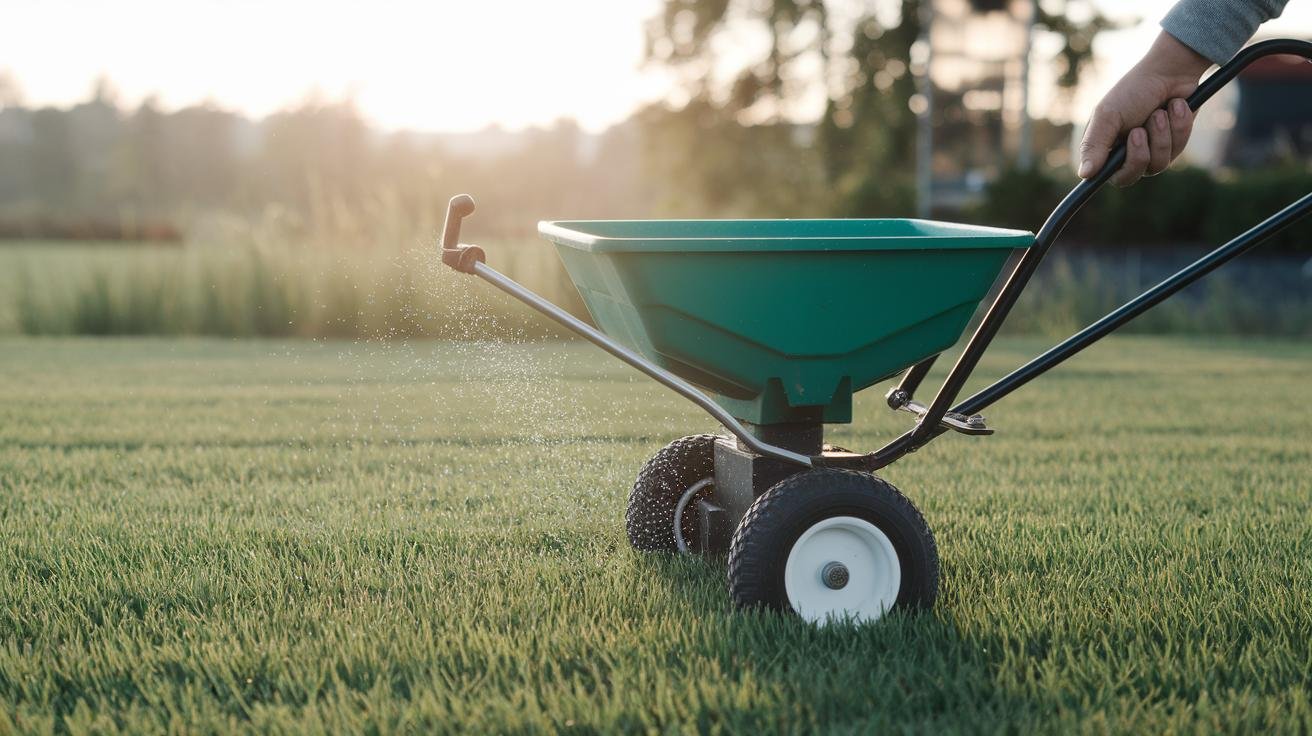
Spread granular fertilizer with a broadcast spreader, not by hand — hand-tossing gives you dark-green streaks next to pale-yellow gaps every time. A Scotts Turf Builder EdgeGuard Mini Broadcast Spreader ($$) holds enough to do most small-to-mid lawns in one fill and keeps product off your driveway and beds, which matters more with organics because you’re often spreading a heavier volume than a synthetic. Set it to about half the labeled rate and make two passes at right angles — one north-south, one east-west — for even coverage with no misses.
Timing follows your grass type. Cool-season lawns (fescue, ryegrass, Kentucky bluegrass) want their heaviest feeding in early fall with a lighter spring pass; warm-season lawns (Bermuda, Zoysia, St. Augustine) want feeding through late spring into summer when they’re actively growing. Whatever you spread, water it in with about a quarter to a half inch so the granules start breaking down and the nitrogen doesn’t just sit on top. Because organic nitrogen releases slowly, plan on three to four feedings across the season rather than one big dump — steady beats heavy.
Common Mistakes I See With Organic Lawn Fertilizer
The biggest one is assuming organic can never burn, then spreading a double dose “to make up for lost time.” Slow-release is forgiving, not bulletproof — pile on enough nitrogen and you can still stress the turf, so stick to about one pound of actual nitrogen per 1,000 square feet per feeding. The second mistake is impatience: people spread on Saturday, see no fireworks by Tuesday, and decide the product is junk. Organic color shows up over a week or two and then holds, which is the whole point. Third is skipping the soil test and feeding a lawn that’s actually starving for lime or choking on compaction — no fertilizer fixes the wrong problem. And fourth is feeding at the wrong time of year for the grass type, which wastes the bag and can push tender growth right into a stress season.
Frequently Asked Questions
Is organic lawn fertilizer better than synthetic?
“Better” depends on your goal. Organic feeds release slowly, are much harder to burn with, and build soil over time, which makes them a strong choice for long-term lawn health and for households with kids and pets. Synthetics green up faster and cost less per pound of nitrogen. Many people run mostly organic and use a quick liquid feed when they want fast color.
How often should I apply organic fertilizer?
Plan on three to four feedings across the growing season rather than one heavy application, since the nitrogen releases gradually. Roughly every six to eight weeks during active growth is a good rhythm, adjusted to your grass type and a soil test.
Can organic fertilizer burn my grass?
It’s far less likely than with synthetic fertilizer because the nitrogen isn’t a fast-acting salt, but over-applying by a wide margin can still stress the lawn. Stick to about one pound of nitrogen per 1,000 square feet per feeding and water it in.
Does organic lawn fertilizer smell bad?
Some do. Manure- and biosolid-based feeds like Milorganite have a noticeable earthy smell for a day or two that fades within about ten days. Soybean-based products such as The Andersons Innova and grain-based ones like Purely Organic are nearly odorless.
How long until I see results?
Expect a gradual deepening of color over one to two weeks rather than an overnight change, followed by steadier, more even growth. That slower curve is normal for organic nitrogen and is a feature, not a flaw.
Recommended organic lawn fertilizers
As an Amazon Associate, Backyard Superstar earns from qualifying purchases at no extra cost to you.
- Best value — Milorganite 6-4-0 (32 lb) ($). Century-old slow-release classic that’s nearly impossible to burn with.
- Best all-season — Espoma Organic All Season 15-0-5 (28 lb) ($$). Higher-nitrogen feed with iron that covers a big lawn per bag.
- Premium / odor-free — The Andersons Innova 7-1-2 (40 lb) ($$$). OMRI-listed, soybean-based, no smell, kid & pet safe.
- Budget / no manure — Purely Organic Lawn Food 10-0-2 (25 lb) ($). Low-odor, distillers-grain-and-soy feed that won’t burn.
- Fast liquid feed — Dr. Earth Super Natural Liquid (32 oz RTS) ($$). Hose-end quick green-up between granular feedings.
- Application tool — Scotts Turf Builder EdgeGuard Mini Broadcast Spreader ($$). Even coverage and no product on the driveway or beds.