Lawn Aeration: The Complete Guide
If your grass looks tired no matter how faithfully you water and feed it, the problem may be underground. Over time, soil gets packed down — by foot traffic, mowers, rain, and its own weight — until air, water, and nutrients can’t reach the roots. That’s where lawn aeration comes in. It’s one of the simplest, most rewarding things I do for my yard each year, and it’s the fix that finally made my own lawn fill in thick and green.
This is the complete guide: what aeration actually does, how to tell when your lawn needs it, the different methods, when and how to do it, and how to care for your grass afterward. By the end you’ll know exactly what to do — and whether to grab a tool and do it yourself or call in a pro.
Backyard Superstar is reader-supported. When you buy through links on our site, we may earn a small affiliate commission, at no extra cost to you.
What Lawn Aeration Actually Does
Lawn aeration is the process of making small holes in your soil so that air, water, and nutrients can move freely down to the grass roots. Most of the time we’re talking about pulling out little plugs of soil — but more on the methods in a moment.
The real enemy here is soil compaction. When soil particles get squeezed tightly together, there’s no room for the pockets of air and moisture roots depend on. Compacted soil sheds water instead of soaking it up, starves roots of oxygen, and makes it hard for new roots to spread. Aerating relieves that pressure. Suddenly water sinks in instead of running off, fertilizer reaches where it’s needed, and roots can stretch out and grow deeper — which is exactly what gives you a lawn that stays green and shrugs off heat and drought.
Aeration also helps with thatch, the spongy layer of dead stems and roots that builds up between the soil and the green blades. A thin layer is healthy, but a thick one blocks water and invites pests and disease. Pulling cores breaks through that layer and introduces soil microbes that help decompose it naturally.
Signs Your Lawn Needs Aerating
Not every lawn needs aeration every year, so before you start, look for the tell-tale signs:
- The screwdriver test. Try pushing a screwdriver into your soil. If it slides in easily, you’re fine. If you have to lean on it, your soil is compacted.
- Water pools or runs off after rain or watering instead of soaking in.
- Thin, patchy, or struggling grass that doesn’t respond to watering and feeding.
- Heavy clay soil, which compacts far more easily than sandy soil.
- High foot traffic — kids, pets, and the path everyone takes to the grill.
- A spongy feel underfoot or a thatch layer thicker than half an inch.
If you’re nodding along to two or more of these, your lawn will thank you for aerating this season.
The Three Aeration Methods: Core, Spike, and Liquid
There’s more than one way to aerate, and the method matters more than most people realize.
Core (or plug) aeration physically removes plugs of soil and deposits them on the surface. This is the gold standard, because it actually relieves compaction by creating open space. For small and medium lawns, a hand tool like the Yard Butler ID-6C Manual Lawn Coring Aerator pulls real cores with nothing but your foot and a little effort. For larger lawns, a tow-behind unit like the Agri-Fab 40-Inch Tow Plug Aerator hitches to a riding mower and covers ground fast.
Spike aeration pokes holes into the soil without removing anything — think of strap-on Punchau Lawn Aerator Shoes or a spike roller. It’s cheap and easy, and fine for light maintenance on loose soil, but on clay it can actually worsen compaction by pressing the soil walls tighter around each hole. I treat spiking as a touch-up, not a cure.
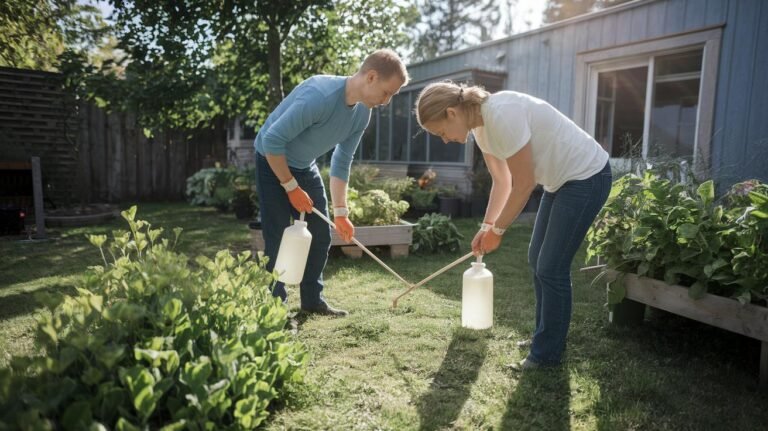
Liquid aeration uses a soil-conditioning spray that loosens compaction chemically over time. It’s the least labor-intensive option and reaches the whole lawn evenly, but it works gradually and won’t fix severe compaction the way pulling cores will. Many people use it between mechanical aerations to maintain the results.
| Method | What it does | Best for | Watch out |
|---|---|---|---|
| Core / plug | Removes soil plugs, truly relieves compaction | Clay, high-traffic, most lawns | More effort / equipment |
| Spike | Pokes holes, no soil removed | Light upkeep on loose soil | Can worsen clay compaction |
| Liquid | Loosens soil chemically over weeks | Maintenance between core jobs | Slow; not for severe compaction |
For a full rundown of equipment for every budget and yard size, see my guide to the best lawn aeration tools for every yard size.
When to Aerate: Timing by Grass Type
The best time to aerate is during your grass’s peak growing season, so it can recover quickly and fill in the open holes. That depends on what you’re growing:
- Cool-season grasses (Kentucky bluegrass, fescue, ryegrass): aerate in early fall, with early spring as a backup. Fall is ideal because the soil is still warm, the air is cooling, and weeds are winding down.
- Warm-season grasses (Bermuda, zoysia, St. Augustine): aerate in late spring to early summer, once the grass is actively greening up and growing.
The golden rule is to aerate when your lawn is growing, never when it’s dormant or stressed by drought or heat. Aerating a struggling lawn in midsummer just opens it up to weeds.
How Often Should You Aerate?
For most lawns, once a year is plenty. But adjust for your conditions:
- Clay soil or heavy foot traffic: twice a year (spring and fall for cool-season grass).
- Loose, sandy, healthy soil: once every two to three years is often enough.
When in doubt, let the screwdriver test decide. Your soil will tell you more than any calendar.
Get the Soil Moisture Right First
This is the step most people skip, and it makes all the difference. Aerate when the soil is moist but not soggy. Bone-dry soil is too hard for tines to penetrate; saturated soil smears and clogs the equipment and compacts again as you walk on it.
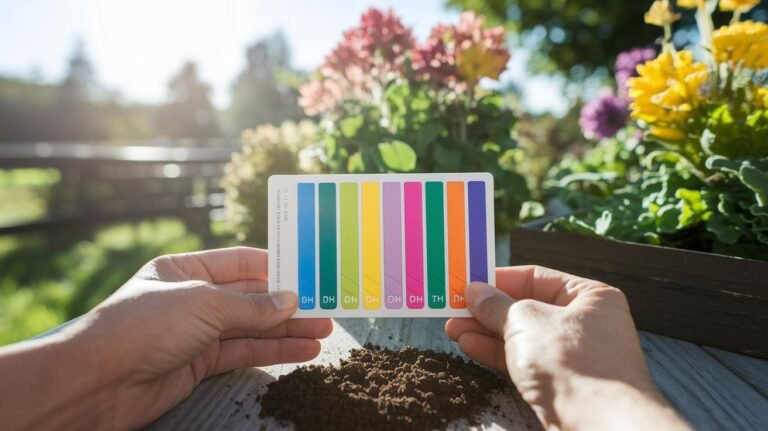
The easiest approach is to aerate the day after a good rain, or water your lawn deeply the day before. You want the moisture about an inch down — damp enough to pull a clean core that crumbles in your hand, not mud. While you’re thinking about soil health, it’s also worth taking a moment to test your soil’s pH, since aeration is the perfect window to correct it.
Dethatch First If You Need To
If your thatch layer is thicker than about half an inch, deal with it before you aerate so the tines reach actual soil instead of bouncing off spongy buildup. You can rake light thatch out by hand, but for anything substantial a powered tool like the Sun Joe AJ801E Electric Scarifier and Dethatcher does the job in a fraction of the time. Dethatch first, rake up the debris, then aerate the same day — the two chores pair perfectly.
How to Aerate Your Lawn, Step by Step
- Mark sprinkler heads and shallow lines with flags so you don’t damage them.
- Water the day before if it hasn’t rained, so the soil is moist.
- Mow a little shorter than usual so the aerator can reach the soil cleanly.
- Make your passes. Cover the whole lawn in one direction, then go over compacted or high-traffic areas a second time at a right angle for extra holes.
- Leave the plugs where they fall. They look messy for a few days, but they break down and return valuable soil and microbes to the surface. A mow or a rain will scatter them.
Aim for holes roughly two to three inches deep and an inch or two apart. If you’re renting a powered core aerator or buying for a big property, the equipment in my lawn aeration tools guide will help you match the machine to your yard.
What to Do After Aerating (This Is Where the Magic Happens)
Those freshly opened holes are an open invitation to thicken and feed your lawn. Right after aerating:
- Overseed. The holes are perfect seed pockets, giving new grass ideal soil contact and protection. Spread quality seed for your grass type immediately while the lawn is open.
- Topdress with compost. A thin layer of compost works into the holes and improves the soil long-term.
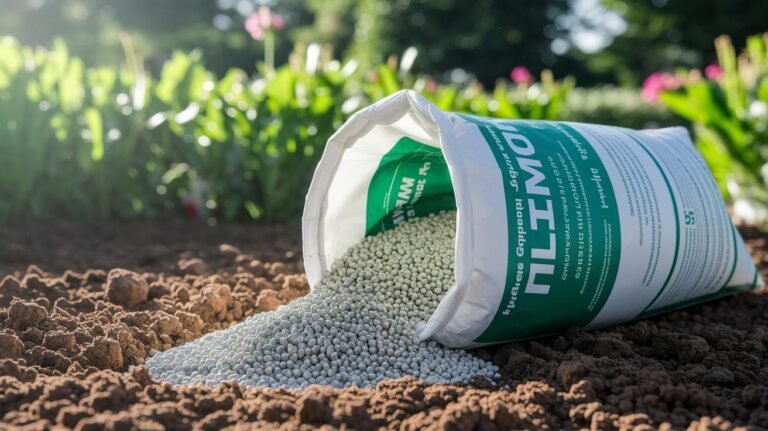
- Fertilize. Nutrients now travel straight to the roots, so this is the most efficient feeding of the year.
- Water consistently. Keep the soil and any new seed lightly moist for the next couple of weeks.
- Mow and walk gently. Hold off on heavy foot traffic and wait until new seedlings are established before mowing.
Overseeding right after aeration is genuinely the one-two punch that transforms a thin lawn into a thick one in a single season.
DIY vs. Professional: What It Costs
Aeration is refreshingly affordable either way:
- Manual tools (coring tools, aerator shoes): roughly $20–$100, and they last for years.
- Renting a powered core aerator: around $50–$90 for a half-day — great for splitting with a neighbor.
- Hiring a professional: typically $75–$200 for an average yard, depending on size and region.
For a small or medium lawn, doing it yourself with a hand tool or rental is the clear value. For a large property or if you’d simply rather not, a pro is money well spent once a year.
Common Aeration Mistakes to Avoid
- Aerating bone-dry or soggy soil instead of moist soil.
- Aerating during dormancy, drought, or peak heat stress.
- Using spike aeration on heavy clay and expecting it to relieve compaction.
- Skipping the overseed and feed afterward — you’re leaving the biggest benefit on the table.
- Ignoring thick thatch, so the tines never reach the soil.
Frequently Asked Questions
Should I aerate or dethatch first?
Dethatch first if your thatch is over half an inch, then aerate the same day.
Do I really need to pick up the plugs?
No — leave them. They break down within a week or two and return nutrients and microbes to the soil.
Can I aerate a new lawn?
Wait until a newly seeded or sodded lawn is well established — at least a full growing season — before aerating.
How soon will I see results?
You’ll often notice better water absorption right away, but the real thickening shows over the weeks after, especially if you overseed.
Is liquid aeration as good as core aeration?
For severe compaction, no — nothing beats pulling cores. Liquid aeration is best as low-effort maintenance between mechanical aerations.
Aerate at the right time, in moist soil, with the right method for your yard — then overseed and feed — and you’ll have set your lawn up for its best, thickest year yet.