How to Identify Common Lawn Weeds in Your Yard
Not every green blade in your lawn is grass, and the fastest way to waste an afternoon is to kneel down and start yanking before you know what you’re pulling. I’ve done it — grabbed a fistful of young fescue thinking it was crabgrass, and pulled a healthy clump right out of a thin spot that needed all the grass it could get. Learning how to identify common lawn weeds fixes that. Once you can read a plant by its leaves, its flowers, its roots, and the time of year it shows up, weeding stops being guesswork and starts being a two-minute job you actually enjoy.
As an Amazon Associate, Backyard Superstar earns from qualifying purchases at no extra cost to you.
Start With Four Clues: Leaves, Flowers, Roots, and Timing
Almost every weed in a home lawn gives itself away through the same four features, and you rarely need all four to be sure. Start with the leaves, because they’re always there. Are they wide and flat with a branching network of veins, or narrow ribbons with veins running straight up the blade like railroad tracks? That single question sorts most weeds into “broadleaf” or “grassy” before you’ve even touched the plant.
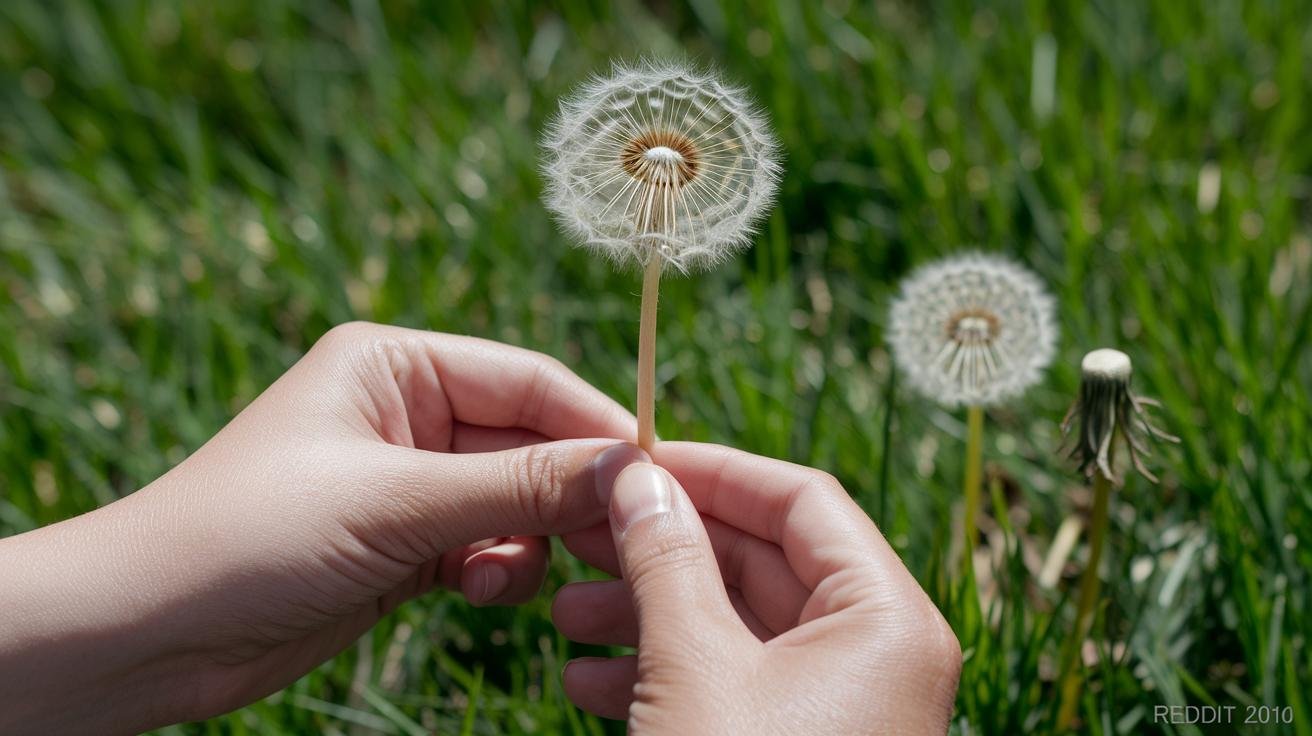
Flowers and seed heads are the next tell, and they’re the easiest of all when a plant is blooming. A bright yellow bloom over a rosette of toothed leaves is a dandelion nine times out of ten. Little round white or pink pom-poms mean clover. Thin, finger-like spikes fanning out from a low clump in July? That’s crabgrass showing its hand.
Roots settle the arguments. Dig up a small sample and you’ll find either one thick taproot that dives straight down — dandelion, plantain — or a shallow mat of thin fibrous roots that lifts out in a clump. The difference matters because it tells you how hard the plant will fight when you pull it. Timing is the fourth clue and the one people forget: chickweed shows up in cool, damp spring soil, crabgrass waits until the ground warms past about 60°F, and nutsedge sneaks in during the heat of midsummer.
For the borderline calls — and there are always a few — it helps to actually see the fine detail. A cheap jeweler’s loupe like the BelOMO 10x triplet loupe ($$) turns a fuzzy stem or a vein pattern into something you can read at a glance, which is exactly what you need when a seedling is too young to have grown into its adult shape. If you’d rather have every regular in one place with photos of each growth stage, a reference like Weeds of North America ($$) lives on my potting bench and settles the ones I can’t name from memory.
Reading Leaves and Flowers Up Close
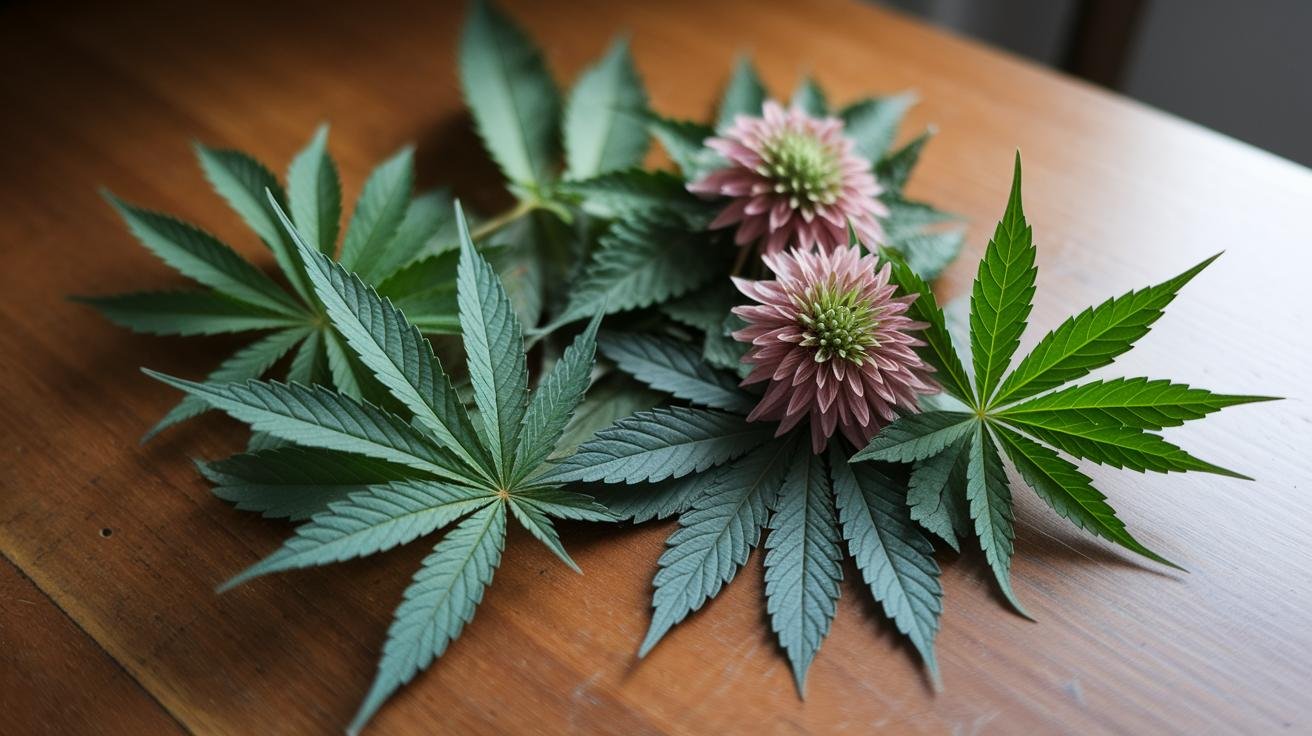
Leaf shape is where identification really lives, so it pays to slow down here. Dandelions carry deeply toothed, jagged edges you can trace with a fingertip — the name literally comes from “lion’s tooth.” Plantain goes the other way, with smooth oval leaves and bold parallel veins that stand out like ribs. Grasses show those same parallel veins but on a narrow blade, while broadleaf weeds (the botanists call them dicots) spread a branching, net-like vein pattern you can almost watch spiderweb across the leaf.
How the leaves attach to the stem is a quieter clue that clinches a lot of IDs. Look at whether the leaves come in:
- Opposite pairs — two leaves directly across from each other at each node, the way henbit and chickweed grow.
- Alternate singles — one leaf at each point, staggered up the stem, as with knotweed.
- A basal cluster — a whole rosette fanning out from one crown at ground level, like plantain and dandelion.
Stem texture is worth a touch, too. Hairy, fuzzy stems point toward weeds like ground ivy and henbit, while young grass shoots feel slick and cool. And the single best party trick in weed ID: roll a suspect stem between finger and thumb. If it’s triangular — three distinct edges — you’ve got a sedge, almost certainly nutsedge, and no amount of pulling the tops will beat it because it regrows from tubers underground.
When something is finally in bloom, flowers shortcut the whole process. Star-shaped white flowers hugging the ground belong to chickweed. A daisy-like head that smells faintly of apple when crushed is likely a wild chamomile. Seed heads tell the same story: crabgrass throws up thin spikes that spread like little fireworks, and foxtail makes a bristly, bottlebrush plume you’ll recognize once and never forget. This is another spot where the loupe earns its keep — the vein detail and tiny florets that decide a close call are hard to see with the naked eye once you’re past forty.
Grassy, Broadleaf, or Sedge? The Three-Second Test
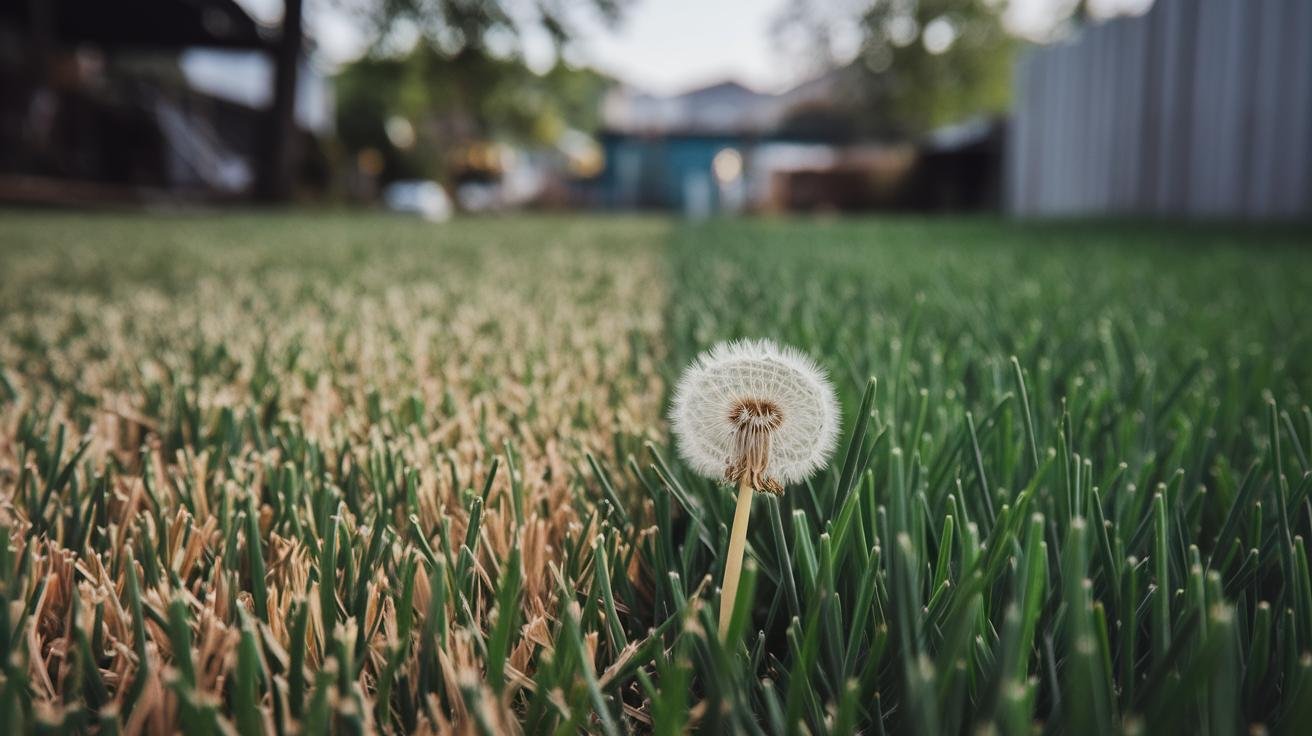
Before you memorize a single species, learn to drop every weed into one of three buckets, because the bucket decides your whole approach. Grassy weeds look like your lawn — narrow blades, parallel veins, hollow rounded stems you can squeeze flat like a straw. Crabgrass and annual bluegrass live here, and they’re the trickiest to spot precisely because they blend in. Broadleaf weeds are the obvious intruders: wider leaves, netted veins, solid stems, and usually a flower that looks nothing like grass. Dandelion, clover, plantain, and henbit are all broadleaves.
Sedges are the third bucket and the one that fools people. Nutsedge looks grassy at a glance — same skinny green blades — but that rolled-stem test gives it away every time with its stiff triangular edges. Here’s why the bucket matters so much: a broadleaf weed can be spot-treated or pulled without much collateral damage, a grassy weed usually needs you to out-compete it by thickening the turf, and a sedge demands you get every tuber or it laughs at you. Sort first, then act.
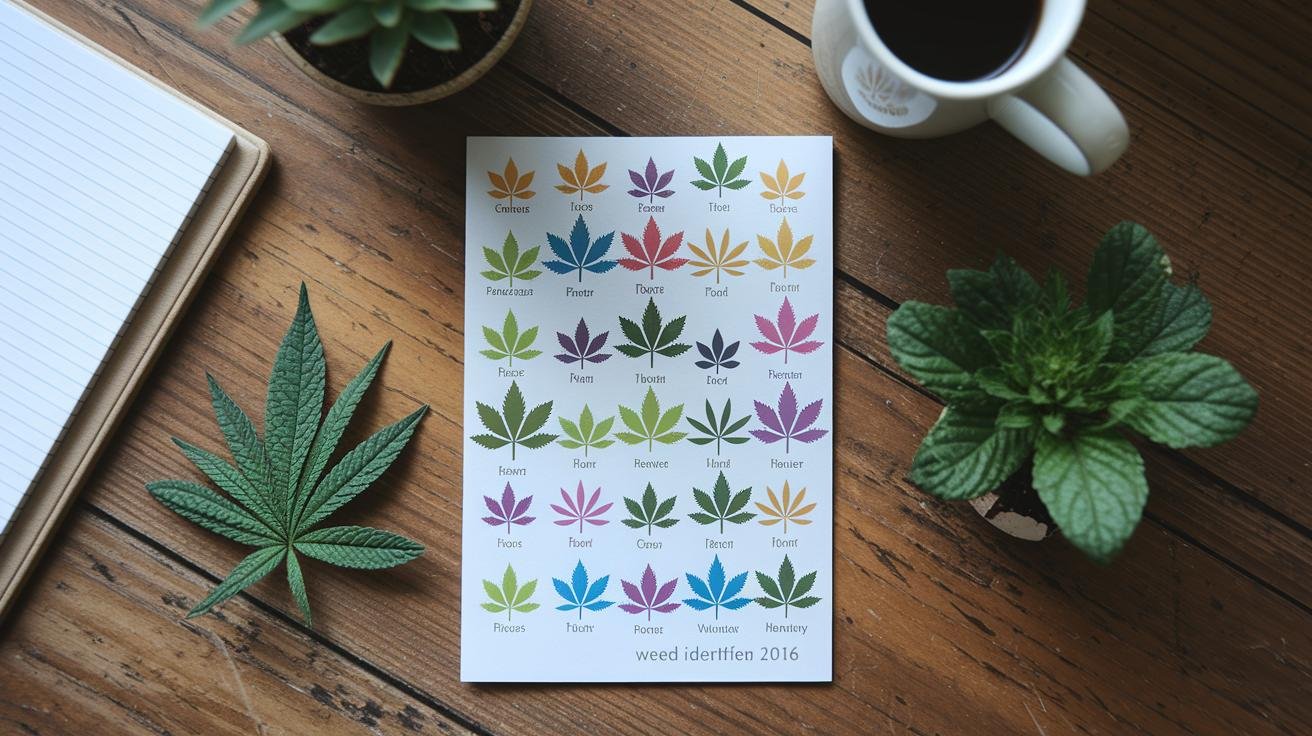
Ten Common Lawn Weeds and How to Spot Each
These ten cover the vast majority of what shows up in a typical yard. I keep this chart on my phone and glance at it before I start pulling — a scalloped leaf edge or a triangular stem points me straight to the right entry, and I know before I dig whether I’m fighting a deep taproot or easing out shallow roots.
| Weed | Leaf feature | Flower / seed head | Root type | Season |
|---|---|---|---|---|
| Dandelion | Deeply toothed rosette | Bright yellow head, then white puff | Deep taproot | Spring / fall |
| Crabgrass | Wide, coarse blades in a low clump | Finger-like seed spikes | Fibrous | Summer |
| Clover | Three leaflets, pale crescent mark | Round white or pink heads | Shallow fibrous | Spring / summer |
| Plantain | Oval leaves, bold parallel veins | Vertical seed spike | Fibrous with short taproot | Spring / fall |
| Nutsedge | Glossy blades, triangular stem | Yellow-brown clusters | Tubers (“nutlets”) | Summer |
| Chickweed | Small opposite oval leaves | Tiny white star flowers | Shallow fibrous | Cool spring |
| Ground ivy | Round scalloped leaves, minty smell | Small purple tubular blooms | Creeping stolons | Spring / fall |
| Henbit | Lobed leaves on a square stem | Purple tube-shaped flowers | Fibrous | Cool spring |
| Knotweed | Small spear leaves along wiry stems | Tiny pink-white clusters | Slender taproot | Summer / fall |
| Annual bluegrass | Light-green fine blades, boat-tip | Whitish seed heads low to ground | Shallow fibrous | Cool season |
A couple of these deserve a warning. Nutsedge and ground ivy both spread underground — tubers for one, creeping stems for the other — so the moment you positively ID either, deal with it before it colonizes a wider patch. And crabgrass is worth learning cold, because catching it early is the whole game; if it’s already gone to seed, you’re better off shifting to prevention, which I walk through in the guide on getting rid of crabgrass in your lawn.
When and Where Each Weed Shows Up
Half of identification is just knowing where to look and when, because weeds are creatures of habit. Cool, damp spring soil brings the low, soft ones first — chickweed, henbit, annual bluegrass — often before your grass has fully woken up. As the soil warms past roughly 60°F, crabgrass germinates in the bare, sun-baked strips along driveways and sidewalks where the pavement radiates heat. By high summer, nutsedge announces itself in the low spots that stay soggy after rain, standing a shade taller and glossier than the grass around it.
Habitat is just as telling as the calendar. Think of your lawn as a patchwork of little micro-conditions, each one favoring different tenants. Sunny areas that drain poorly draw plantain and nutsedge. The hard-packed strip along a garden path or a well-worn dog run is compacted, and compaction is an open invitation for broadleaf weeds that muscle into gaps thin grass can’t fill. Shady ground under a tree hides chickweed and ground ivy. Once you start reading conditions this way, you can almost predict a weed before you see it — and that same reasoning points at the fix. Compacted, weedy ground usually wants relief, which is where a yearly pass with a core aerator earns its place; the primer on what lawn aeration does covers the how and when.
Scout Early, Then Pull the Right Way
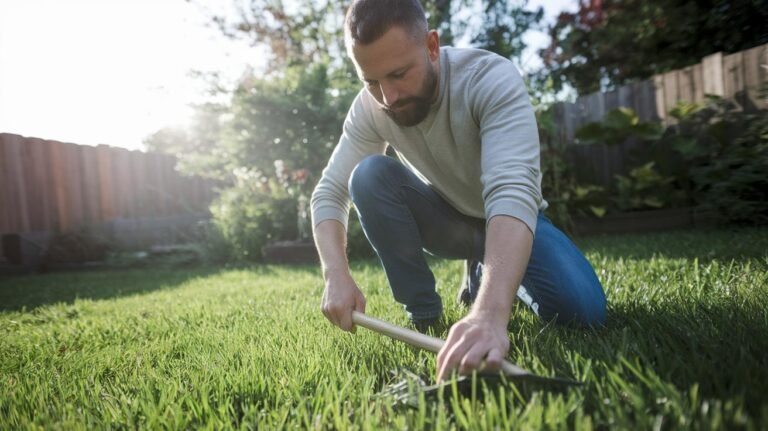
The best weed control is catching them young, so I make a slow lap of the yard every week or so with nothing but my eyes and a notebook. Bare patches, edges, and high-traffic scars are where trouble starts, and a young weed with two flat seed leaves is a thirty-second pull. Wait until it’s a seed-dropping adult and you’ve bought yourself hours later. Seedlings rarely look like their grown selves — those first rounded seed leaves give way to the true, species-specific shape a week or two on — so when a sprout has me stumped, I let it grow a little or check it under the loupe rather than pulling something I’ll regret.
When it’s time to remove what you’ve identified, the right tool matches the root. For deep taproots — dandelion, the occasional plantain — a hori-hori does the job beautifully; I slide the Nisaku NJP650 hori-hori knife ($$) down alongside the root, lever once, and the whole taproot lifts out clean. For a lawn’s worth of standing weeds, a stand-up puller saves your back entirely: set the Fiskars 4-Claw Stand-Up Weeder ($$) over a dandelion, step on the foot bar, and its serrated claws grab the root while you’re still standing upright. And because good identification means getting down low to inspect seedlings, a simple foam garden kneeler pad ($) is the difference between a comfortable scouting walk and sore knees by the third patch.
One habit ties it all together: always pull before a weed flowers, so it can’t scatter seed on the way out. If you’d rather thicken the turf and let dense grass crowd weeds out instead of fighting them one by one, that longer game is worth learning — the routine for how to kill weeds naturally without chemicals builds on everything you’ve just learned to identify.
Gear that makes weed ID (and removal) easier
As an Amazon Associate, Backyard Superstar earns from qualifying purchases at no extra cost to you.
- Field reference — Weeds of North America (Dickinson & Royer) ($$). Photos of 500+ weeds at every growth stage; settles the calls you can’t name from memory.
- Close-up tool — BelOMO 10x Triplet Loupe ($$). Makes leaf veins, stem hairs, and tiny seedlings readable when the shape is too young to call.
- Comfort — Foam Garden Kneeler Pad ($). Keeps you low and comfortable while you scout seedlings up close.
- Taproot tool — Nisaku NJP650 Hori-Hori Knife ($$). Levers deep dandelion and plantain roots out clean, whole.
- Stand-up puller — Fiskars 4-Claw Stand-Up Weeder ($$). Grabs weeds by the root without bending, for a whole lawn’s worth of pulling.
Frequently Asked Questions
What’s the fastest way to identify a lawn weed?
Start with the leaves: wide leaves with branching veins mean a broadleaf weed, while narrow blades with parallel veins mean a grassy weed. Then check the flower or seed head and, if you can, the roots. Those three clues name most common lawn weeds in under a minute.
How do I tell grassy weeds from broadleaf weeds?
Grassy weeds have narrow blades, parallel veins, and hollow rounded stems that squeeze flat. Broadleaf weeds have wider leaves, netted veins, and solid stems, usually with a distinct flower. If a “grassy” stem feels triangular when you roll it, it’s actually a sedge like nutsedge.
Which lawn weeds are the most common?
Dandelion, crabgrass, clover, plantain, nutsedge, chickweed, ground ivy, henbit, knotweed, and annual bluegrass turn up in most yards. Learning their leaf shapes, flowers, and seasons covers the large majority of what you’ll ever need to identify.
When is the best time of year to spot weeds?
Cool spring soil brings chickweed, henbit, and annual bluegrass first. Crabgrass germinates once the soil warms past about 60°F, and nutsedge appears in soggy spots in midsummer. Scouting in early spring lets you catch young weeds before they set seed.
Do I need an app or a book to identify weeds?
A photo-recognition app gives you a quick first guess, and a field guide confirms it with images of seedlings, mature plants, and roots. Between the two, the book is more reliable for the young, in-between stages that trip apps up.
Why does identifying the weed even matter before I pull it?
Because the plant decides the method. A deep taproot needs a hori-hori or stand-up puller to get it whole, a tuber-forming sedge regrows unless you remove every nutlet, and a grassy weed is usually beaten by thickening the turf. Guess wrong and you either leave the root or pull good grass.