Backyard Decorations for Spring: A Styling Guide
The first warm Saturday of spring, I walk the backyard with a coffee and take stock of what winter left behind — the faded cushions, the empty planters by the door, the string lights that quit sometime in January. The good news is that backyard decorations for spring aren’t about a top-to-bottom makeover. They’re a handful of deliberate touches that wake the space back up: a few pots of tulips where you’ll see them, a fresh rug under the table, lights strung where you actually sit after dark. Do those well and the yard feels like somewhere you want to be again, weeks before the garden fills in. Here’s how I work through it each year — the pieces worth buying, and the ones worth making yourself. If your space is on the smaller side, my small backyard design ideas pair well with everything below.
As an Amazon Associate, Backyard Superstar earns from qualifying purchases at no extra cost to you.
Where to Start: The Pieces That Do the Most
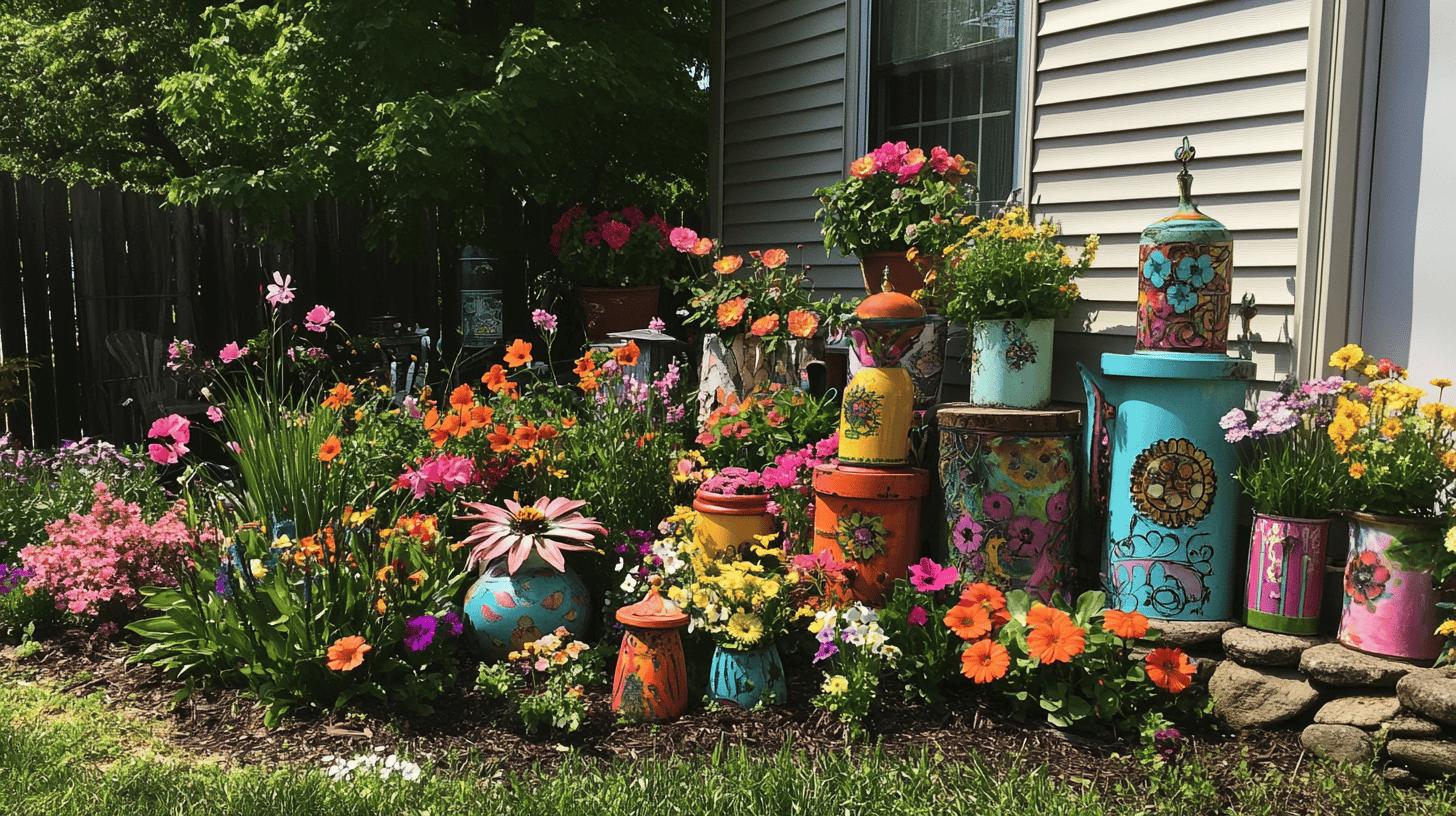
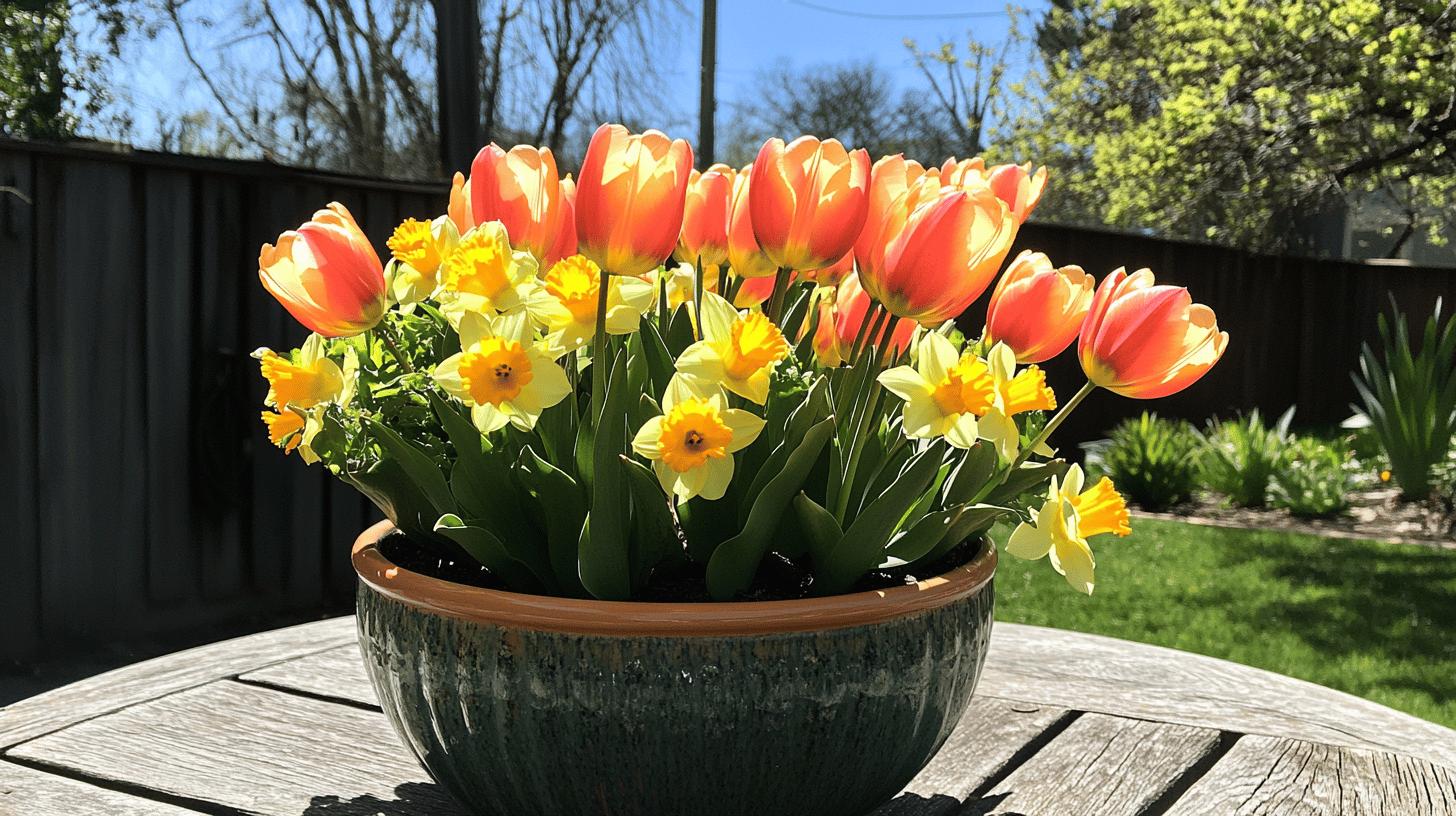
If you only change a few things, change the ones the eye lands on first. Flowers are the obvious one — tulips, daffodils, and pansies in a cluster of pots will do more for a tired patio than almost anything, and the pansies in particular shrug off the cold snaps that still sneak in through April. I group them in odd numbers and vary the pot heights so the planting reads as a little composition instead of a row. Mixing a few flowering pots with decorative grasses or a small shrub gives you that layered, lived-in look without much effort; if you’re new to growing in containers, my container gardening basics covers the drainage and watering side.
Seating is the next thing I look at, because it sets the tone for whether people linger. A pair of Adirondack chairs angled toward each other turns a blank corner into a place to actually sit, and a bright color does double duty as decor. I like a resin chair for this — it holds its color through a full season of sun and rain and doesn’t need the sanding-and-resealing that real wood demands. A set like these Keter Alpine resin Adirondack chairs comes as a pair with a built-in cup holder, wipes clean with a hose, and won’t warp or rot through the season (mid-range, $$). Define the bed behind them with a simple stone or low-fence border and you’ve framed the whole scene; a tidy edge makes even modest planting look intentional.
Budget DIY Spring Decor You Can Make in an Afternoon
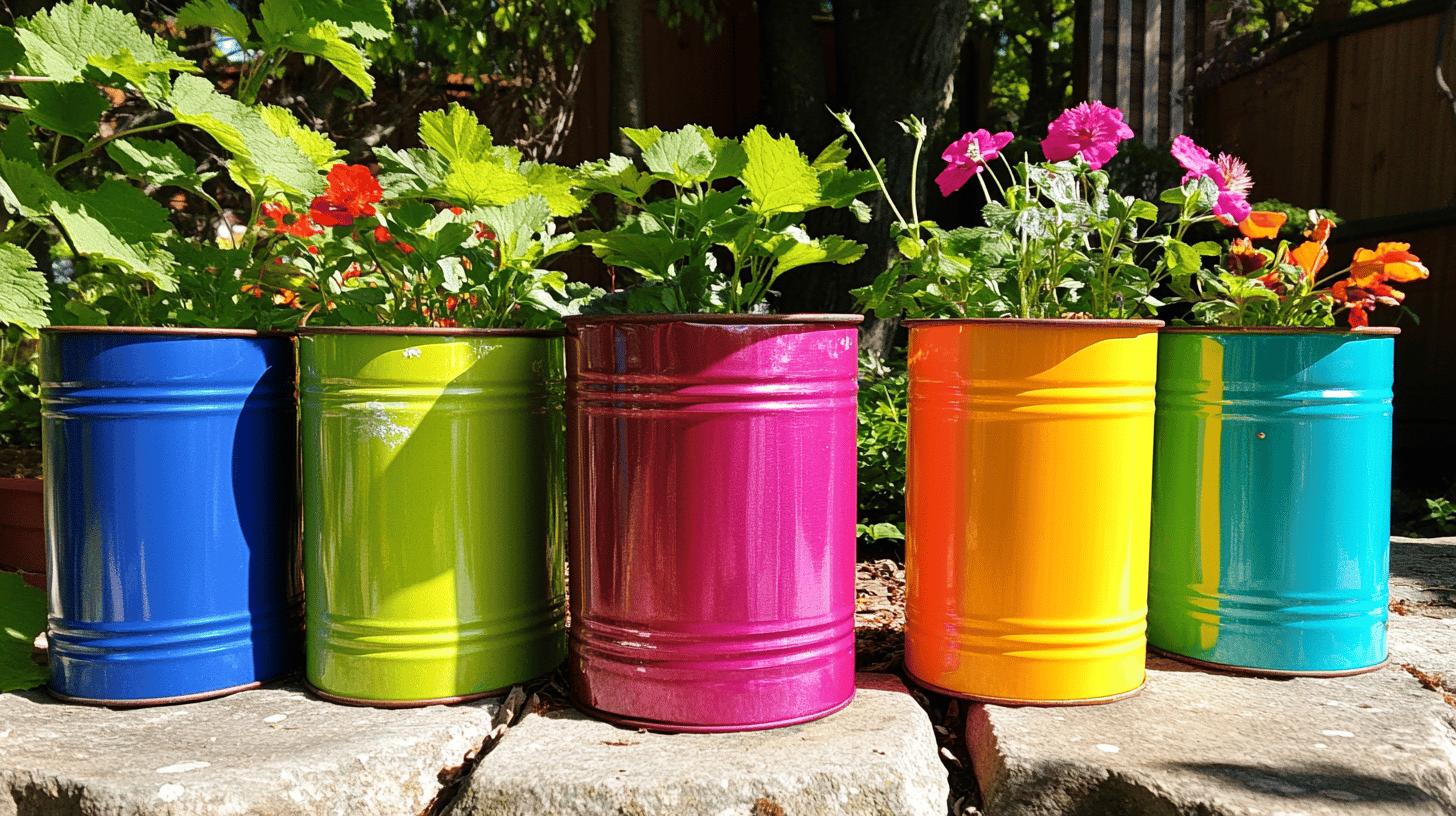
Some of my favorite pieces in the yard cost nothing but a Saturday. Upcycled planters are the easiest win: an old colander, a wooden crate, a row of tin cans painted in sherbet colors. The only rule that matters is drainage — punch a few holes in the bottom, add a fast-draining potting mix, and almost anything becomes a pot. My notes on the best soil mix for container gardening will keep whatever you plant in them from drowning.
From there, lean into the projects that add atmosphere rather than clutter. Mason jars with a tea light inside, hung from a branch or lined along a path, throw a soft glow for the cost of a candle. Smooth stones turn into garden markers or a painted tic-tac-toe board the kids will actually use. And homemade stepping stones — concrete poured into an old cake pan, pressed with sea glass or tile before it sets — give you a one-of-a-kind path piece that looks far more expensive than it is. The thread running through all of these is restraint: a few handmade touches feel personal, while a dozen of them start to look like a craft fair exploded. Pick two or three, make them well, and stop there.
Eco-Friendly Touches That Earn Their Place
The greenest decor is usually the most practical, too. Solar lighting is the clearest example — it skips the outlet entirely, charges itself during the day, and lines a path or a bed edge with zero running cost. I run a row of GIGALUMI solar pathway lights along the walk to the back gate; the metal-and-glass build holds up far better than the flimsy plastic stakes that fade and crack after one summer, and they switch on at dusk on their own (budget range, $). A rain barrel tucked at the downspout — painted to match the fence if you want to dress it up — turns roof runoff into free water for those thirsty container plantings.
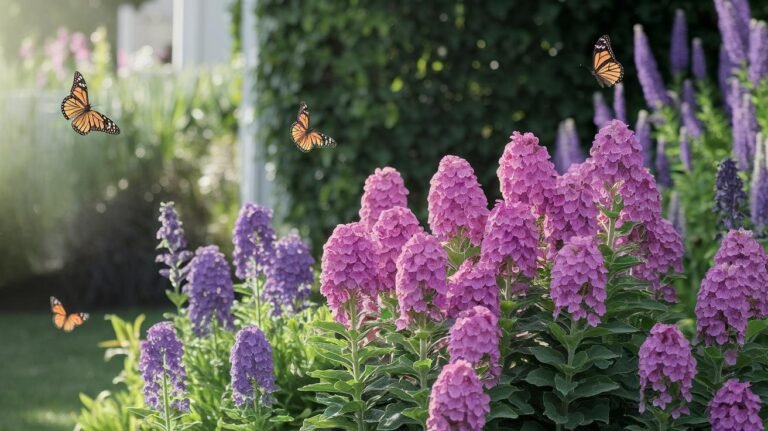
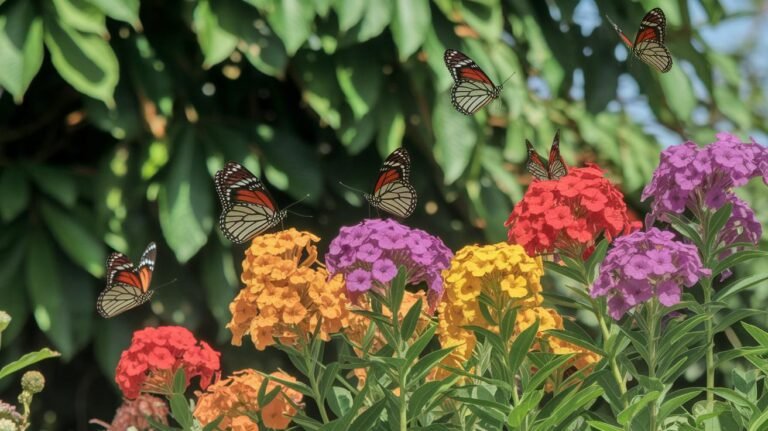
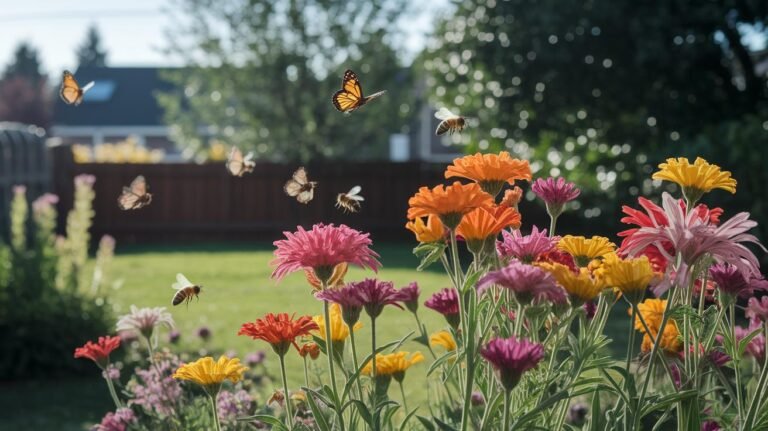
Beyond the hardware, the most rewarding spring additions are the ones that bring the yard to life. A simple bird bath or a feeder draws song and movement within days. A bundle of hollow bamboo wired into a corner makes an insect hotel for the solitary bees that pollinate everything you plant. And a shallow dish of damp sand becomes a butterfly puddling station that, on a warm afternoon, genuinely works. None of it costs much, and all of it makes the space feel less like a set and more like a habitat.

Arranging Spring Flowers for Color That Lasts
A backyard that stays colorful from March through June isn’t luck — it’s a little planning around what blooms when. The trick is to combine early, mid, and late-spring flowers so that as one fades, the next is opening, and to layer them by height so nothing hides behind anything else. Tall tulips and daffodils belong at the back of a bed or the center of a pot, with low pansies spilling toward the front. Group in odd numbers, echo your home’s exterior colors, and let foliage plants like hostas or ferns fill the gaps between blooms. If you want the planting to smell as good as it looks, my guide to fragrant gardening walks through the most scented spring choices.
Here’s how the most reliable spring bloomers compare, so you can stagger them with confidence:
| Flower | Color | Best Conditions | Bloom Time | Worth Knowing |
|---|---|---|---|---|
| Tulip | Nearly any | Full sun, well-drained soil | Mid to late spring | Thousands of varieties; plant deep |
| Daffodil | Yellow, white | Full to partial sun | Early spring | Deer and rodent resistant |
| Hyacinth | Purple, pink, blue | Full sun, rich soil | Early to mid-spring | Intensely fragrant |
| Pansy | Purple, yellow, mixed | Cool weather, partial sun | Early spring onward | Survives light frost |
| Lily of the valley | White | Partial shade, moist soil | Mid-spring | Sweet-scented, shade-friendly |
Once they’re in, the upkeep is light but matters: deadhead spent blooms to push new ones, mulch to hold moisture, and check container soil often, since pots dry out far faster than beds. A balanced slow-release feed at the start of the season carries most plantings through without fuss.

Lighting That Sets the Mood After Sunset
Lighting is the single biggest change you can make to how a backyard feels at night, and it’s the one most people skip. The right glow turns a patio from a place you leave at dusk into the best seat in the house. String lights are where I always start — draped along a fence line, zigzagged over a seating area, or wound up a pergola post, they throw a warm, low light that flatters everything underneath. A solar set like the Brightech Ambience Pro solar string lights gives you that bistro look without hunting for an outlet, and the shatterproof Edison-style bulbs hold up to wind and rain through the season (mid-range, $$).
From there, layer in light the way you would indoors. Path lights guide the way to the gate and double as bed accents; a lantern or two on the table brings the glow down to where people are sitting; and a few candles add the flicker that no LED quite replicates. The goal isn’t to flood the yard — it’s to light the spots that matter and let the rest fall into soft shadow, which is exactly what makes the space feel intimate rather than staged.
Refreshing the Patio and Deck for the Season
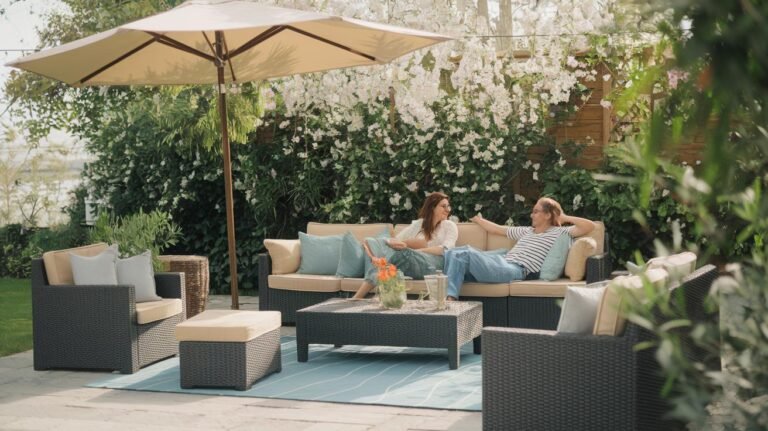
Hard surfaces are where a backyard shows its winter wear the fastest, and where textiles fix it the quickest. An outdoor rug is the piece that pulls a seating area together — it anchors the furniture, warms up bare concrete or decking, and instantly defines the space as a “room.” I keep a reversible recycled-plastic rug like this Fab Habitat outdoor rug under the table; it hoses clean, dries in the sun, and flips to a second pattern when I want a change (mid-range, $$). Lay it so the front legs of your chairs sit on the rug — that’s the trick that makes a seating group look deliberate. For the layout itself, my notes on arranging patio furniture for conversation are worth a look.
Then it’s just a matter of color. Swapping in spring-toned cushions and a couple of throw pillows is the cheapest way to change the whole mood of a patio, and weather-resistant covers mean you don’t have to drag everything inside at the first cloud. A set like these weather-resistant outdoor throw pillows comes two to a pack and wipes clean after a rain, so a quick refresh costs less than dinner out (budget range, $). Add a lightweight throw for the cooler evenings, a vase of cut blooms on the table, and the deck feels ready for company.
Centerpieces and Wreaths for the Finishing Touch
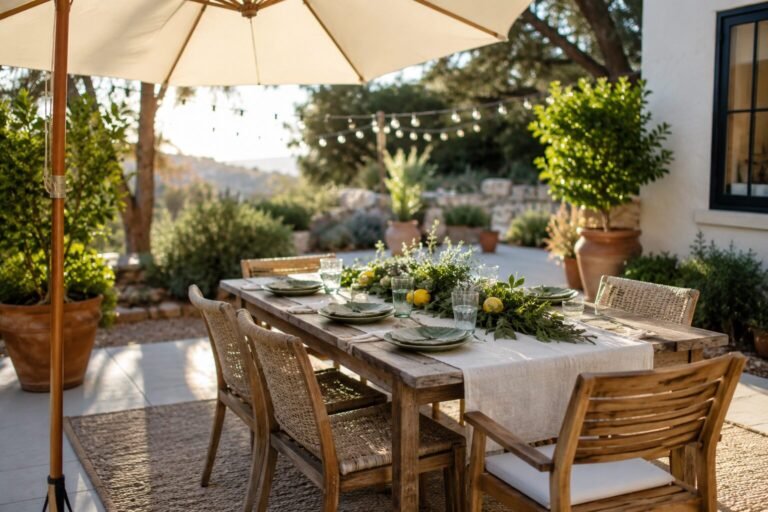
The last layer is the one guests notice without quite knowing why. A centerpiece tells everyone the gathering was planned: seasonal flowers in a rustic wooden box, or a run of pillar candles and trailing greenery down the length of the table. I keep mine low so people can talk across it, and I echo the colors already in the yard so the table doesn’t fight the garden. Glass vases of varying heights filled with whatever’s blooming will carry a party on their own.
And don’t overlook the front of the house. A spring wreath on the gate or the back door — faux blooms, a few twigs, a ribbon in a soft pink or sunny yellow — signals the season the moment anyone arrives. It’s a five-minute touch that frames everything beyond it, and it’s the kind of small, considered detail that makes a backyard feel cared for rather than merely tidied.
FAQ
When should you start decorating the backyard for spring?
As soon as winter starts to loosen — usually late February or early March, when the first bulbs push up and the trees bud. In colder zones, hold the most delicate pieces until the risk of heavy snow has passed, but you can set out frost-tough pansies and weatherproof decor well before the last frost date.
How do I decorate between winter and spring?
Transition gradually. Swap heavy, dark fabrics for lighter pastel throws and cushions, keep any evergreen elements as a bridge, and add potted early bulbs like crocuses and daffodils that handle cool temperatures. The shift in textiles and a few fresh blooms do most of the work.
What are the best budget backyard decorations for spring?
DIY and solar. Upcycled planters, mason-jar lanterns, and painted stepping stones cost almost nothing, and solar path or string lights skip both the electrician and the running cost. New cushions or an outdoor rug are the cheapest store-bought way to change a patio’s whole mood.
How do I keep spring container flowers looking good all season?
Deadhead spent blooms to encourage new ones, water more often than you think (pots dry out fast), mulch the surface to hold moisture, and feed with a balanced slow-release fertilizer at the start of the season. Staggering early, mid, and late bloomers keeps color coming for months.
What lighting works best for a backyard with no outdoor outlets?
Solar. Solar string lights, path stakes, and lanterns all charge during the day and switch on at dusk with no wiring, so you can light a fence line, a path, or a seating area anywhere the sun reaches — no outlet or extension cord required.