How to Create a Fragrant Garden
Most of us design a garden with our eyes. We fuss over color combinations and leaf shapes and whether the coral bells clash with the salvia. But the gardens that stop you in your tracks are usually the ones you smell before you see — a drift of lavender warming in the afternoon sun, a gardenia by the back door that greets you every time you carry the groceries in. Scent is the layer most yards are missing, and it’s the one that turns a nice-looking space into somewhere you actually want to linger.
The good news is that a fragrant garden isn’t harder to grow than any other kind. It just asks you to choose plants for one more quality — their perfume — and to put them where you’ll brush past them. This guide walks through the shrubs, climbers, and herbs that carry a garden’s scent, how to place them so the fragrance reaches you instead of drifting off over the fence, and how to keep something blooming and scented from the first warm days of spring straight through fall.
As an Amazon Associate, Backyard Superstar earns from qualifying purchases at no extra cost to you.
Put Fragrance Where You’ll Actually Walk Past It
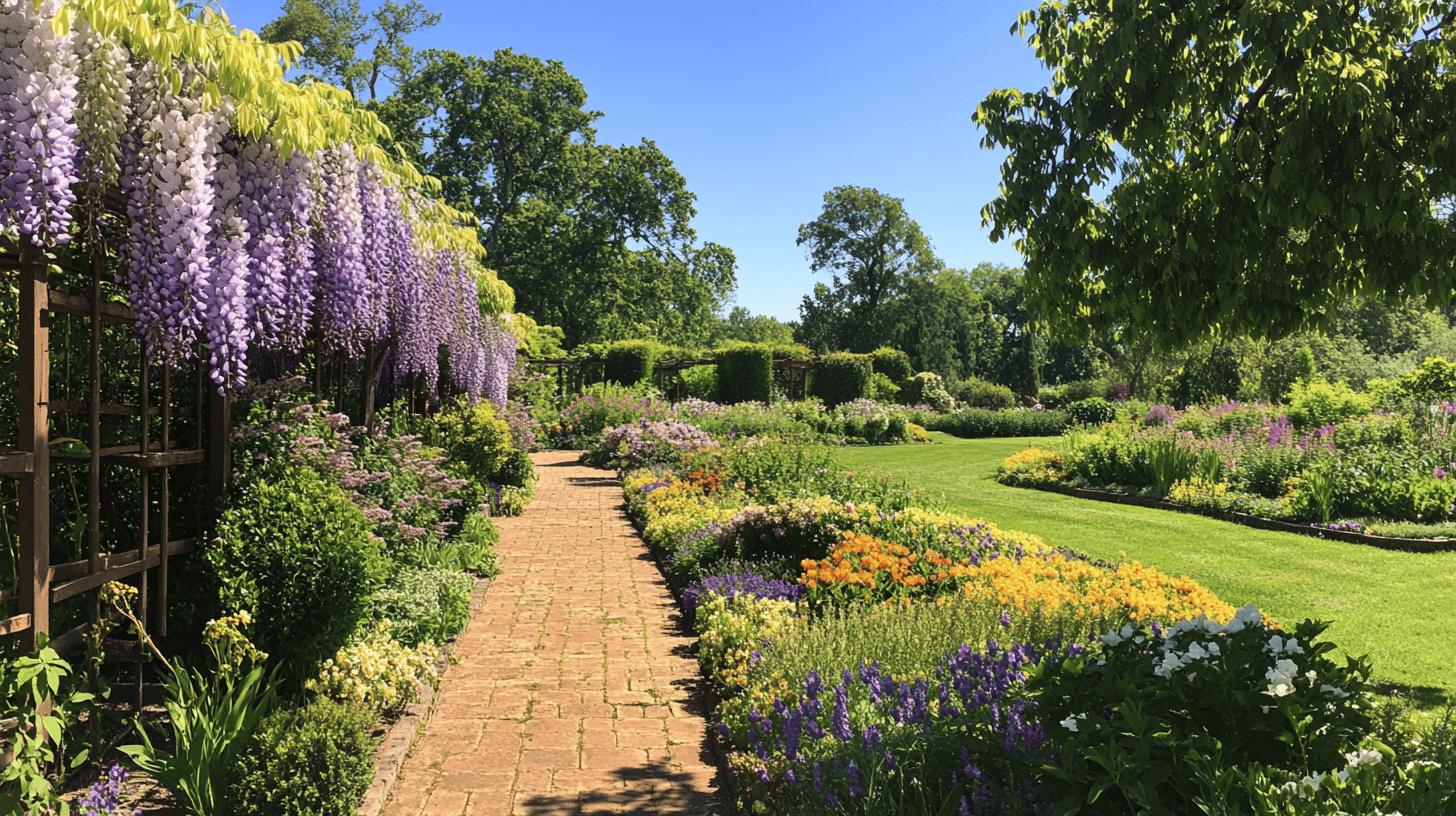
This is the single decision that makes or breaks a scented garden, and it’s the one people skip. A honeysuckle blooming gloriously at the far back corner of the yard, forty feet from anywhere you sit, might as well be plastic. Scent is a close-range pleasure. It pools in still air and fades fast in a breeze, so the plants have to be near the places you and your guests actually pause.
Think about the routes you take every day and the spots where you stop. The path from the driveway to the front door. The bench where you drink your coffee. The edge of the patio where people set down their drinks. Windows you leave open on warm evenings. Those are your fragrance zones, and they’re where the scented plants earn their keep. A gardenia or a pot of lavender flanking a doorway does more for your daily life than a whole border of it out by the property line.
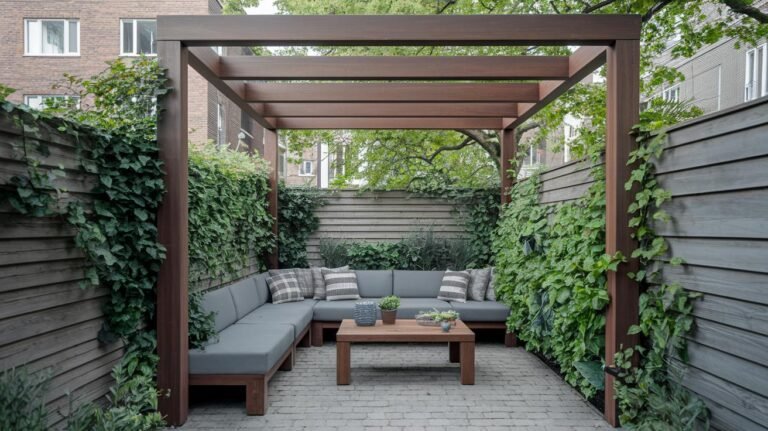
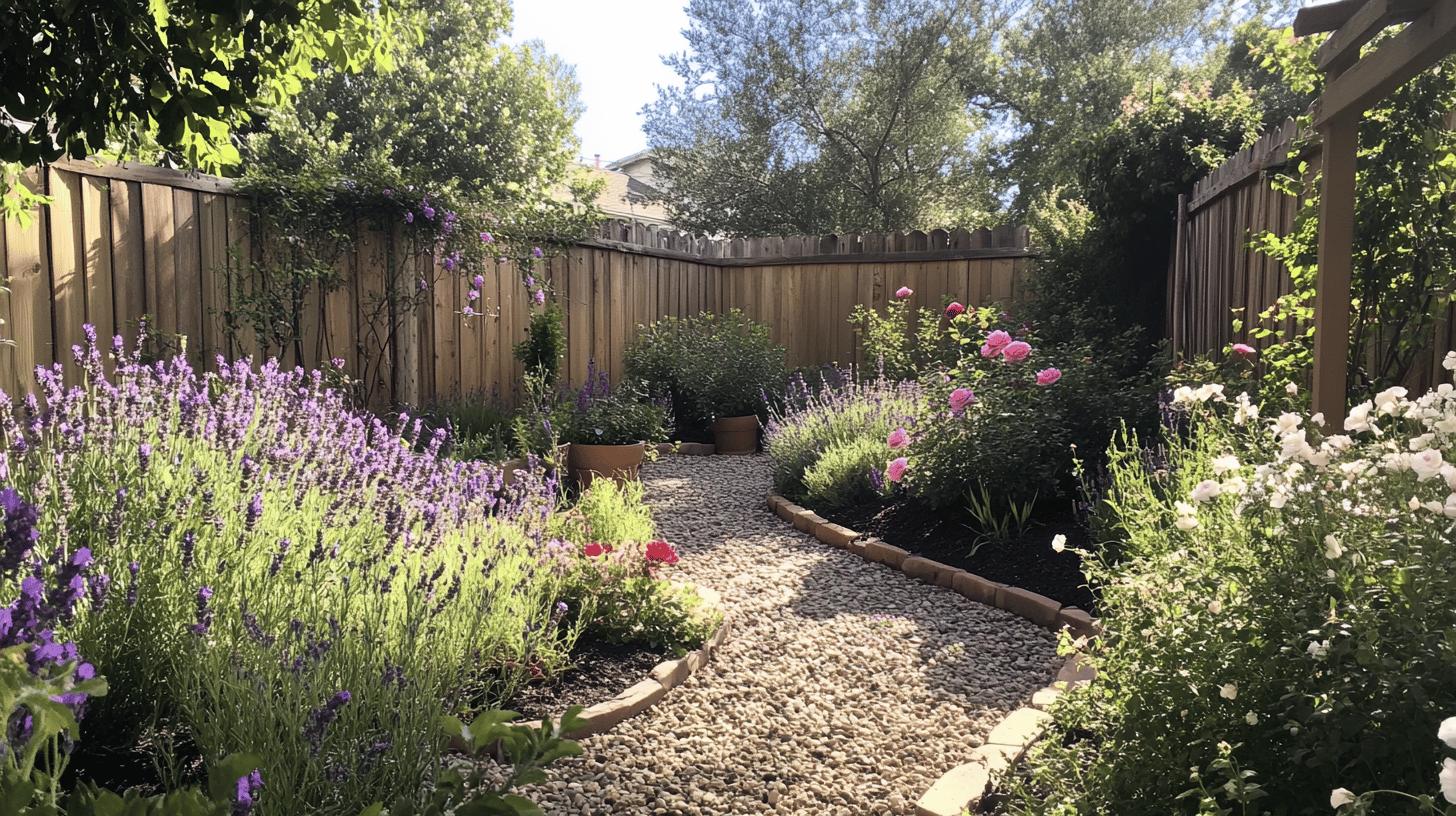
There’s a second trick worth knowing: enclosed or sheltered spots hold scent far better than open ones. A courtyard, a fence corner, a spot tucked against the house — anywhere the air sits still — will concentrate fragrance into something you can practically drink. If your seating area is exposed and breezy, a low hedge or a row of tall grasses on the windward side will calm the air enough to keep the perfume from blowing away. It’s the same reason a walled kitchen garden always smells stronger than an open one.
The Backbone: Fragrant Shrubs and Perennials
Every scented garden needs a few permanent residents — woody shrubs and reliable perennials that come back bigger each year and anchor the fragrance so you’re not starting from seed every spring. These are the plants I’d build around first.
Lavender is the one almost everyone starts with, and for good reason. It’s tough, drought-tolerant once established, loved by bees, and the scent lives in the foliage as much as the flowers, so it perfumes the air any time you brush it. English lavenders are the hardiest and the most fragrant for garden use — a variety like ‘Munstead’ English lavender stays compact at 12 to 18 inches, blooms lavender-blue from late spring into summer, and shrugs off cold down to USDA zone 5. Give it full sun and gritty, fast-draining soil — lavender’s one true enemy is wet feet — and it will outlive most of the fussier things in your border.
Gardenia is the opposite kind of plant: a little demanding, but the payoff is one of the richest perfumes in the whole garden. Those creamy white blooms against glossy evergreen leaves throw a heavy, almost tropical sweetness that carries surprisingly far. A repeat-blooming variety like the ‘August Beauty’ gardenia flowers from late spring through summer and grows well in the ground in zones 8 and warmer, or in a large pot you can shelter over winter in colder regions. It wants morning sun, afternoon shade in hot climates, and acidic, well-drained soil kept evenly moist. Plant one where you’ll pass it daily and it will reward you all season.
Beyond those two, the classic fragrant shrubs are worth seeking out at a good nursery: old-fashioned roses (many modern roses traded scent for looks, so sniff before you buy), mock orange for its citrusy early-summer flush, lilac for that unmistakable spring perfume, and daphne — slow-growing and a touch temperamental, but its late-winter bloom is one of the most intoxicating scents you can grow. Among perennials, peonies, bearded iris, and fragrant dianthus (their clove scent is wonderful edging a path) all pull their weight. If you’re layering these into an existing border, our guide to long-blooming perennials pairs well with the shrubs here.
Fragrant Climbers for Walls, Arbors, and Fences
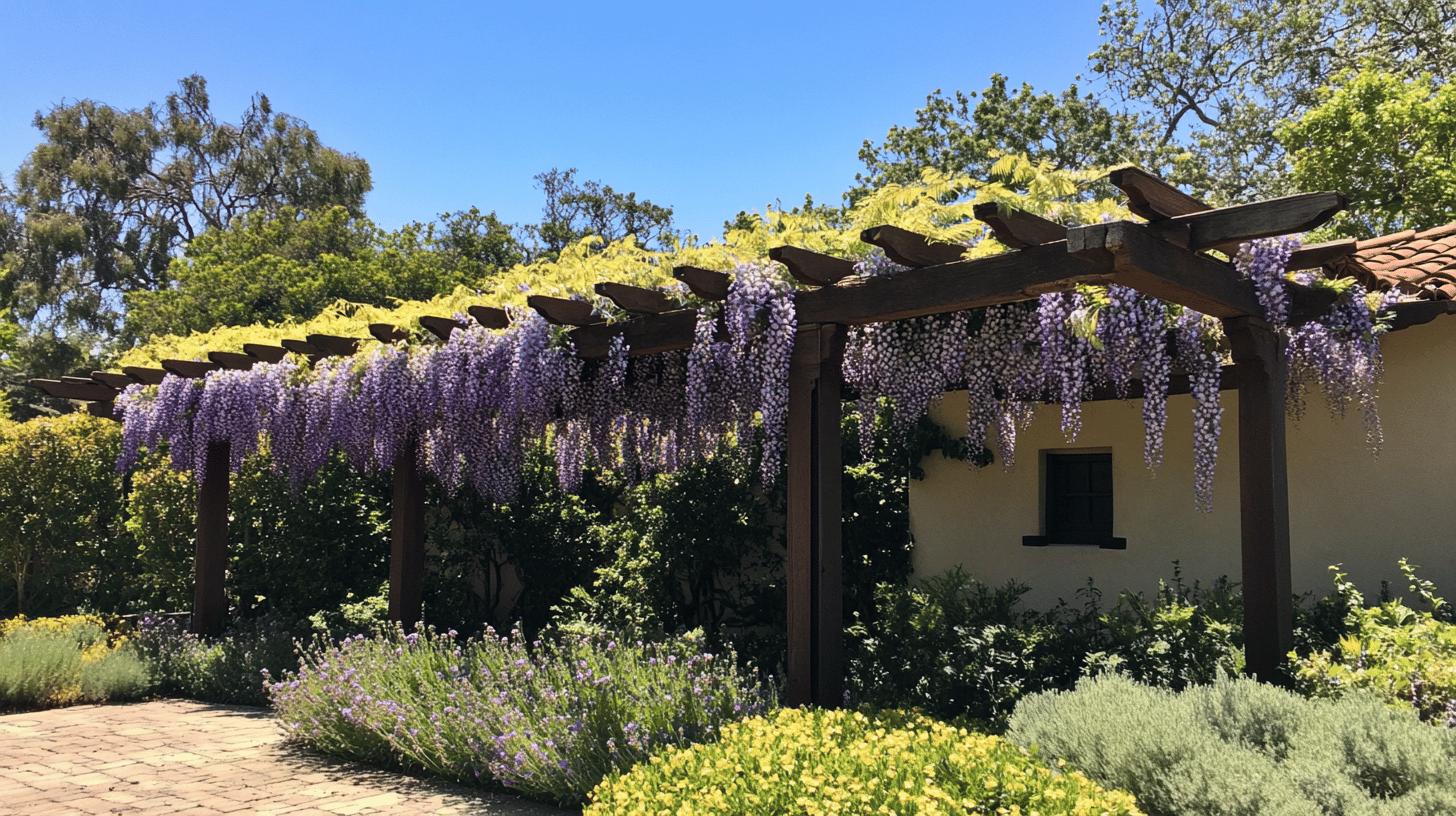
Vertical space is where a fragrant garden gets generous, because climbers put their blooms up at nose height — right where an arbor arches over a gate or a vine scrambles beside a doorway. They also make use of walls and fences that would otherwise sit bare.
My first pick is star jasmine (also sold as Confederate jasmine). It’s an evergreen twining vine with small white pinwheel flowers that release a sweet, clean perfume for weeks in late spring, and it’s forgiving about sun or part shade. A single star jasmine vine will cover a trellis or a section of fence within a couple of seasons in zones 8 to 11, and it takes happily to a large container with support in colder areas. Train it beside a patio and by June the whole seating area smells like a warm evening should.
For a quick, inexpensive hit of fragrance the very first year, nothing beats sweet peas. These old-fashioned annual climbers are cottage-garden royalty, and the heirloom strains are where the real perfume lives — modern show varieties are often bred for flower size at the expense of scent. A packet of ‘Old Spice’ heirloom sweet pea seeds sown in early spring will scramble up a support and hand you armloads of cutting flowers whose scent fills a room. They’re heat-tolerant compared to most sweet peas, which helps them last into early summer before the heat shuts them down.
Both of these need something to climb, and this is where a lot of first-time fragrant gardens stall out — the vine goes in, there’s nothing for it to grab, and it sulks in a heap on the ground. A simple, rustproof metal garden trellis set behind the planting at the start solves it for good; sink it firmly and let the plant find it. If you’d rather grow up a wall or fence, a fan of galvanized wire or a few eye hooks and garden twine works just as well. Round out the climbing crew with honeysuckle (wonderfully scented in the evening, but choose a native or well-behaved variety — some are aggressive) and, for warm climates, climbing roses in a fragrant cultivar.
Layering Bloom Times So Something’s Always Scented
The mistake I made in my own first fragrant garden was planting everything that smelled wonderful in the nursery in May — and then wondering why the whole yard went scentless by July. A garden that smells good all season is a garden you planned across the calendar, not just for one glorious peak. The fix is simple once you think in terms of a relay: as one plant fades, the next takes over the baton.
Here’s a rough scent calendar to build from. You don’t need every plant on it — pick two or three per season and you’ll have overlap year-round.
| Season | Fragrant plants to lean on | Character of the scent |
|---|---|---|
| Early spring | Hyacinth, viburnum, daphne, lilac | Sweet, heady, carries far on cool air |
| Late spring | Star jasmine, peony, bearded iris, mock orange | Fresh, floral, the season’s big flush |
| Summer | Lavender, gardenia, roses, sweet pea, dianthus | Warm and rich, strongest in evening heat |
| Late summer / fall | Sweet autumn clematis, phlox, flowering tobacco | Soft, dusk-scented, a gentle send-off |
| Winter (mild zones) | Daphne odora, witch hazel, wintersweet | Surprising, intense on still cold days |
Notice how many of the strongest scents peak in the evening. That’s not a coincidence — plants like flowering tobacco, star jasmine, and many roses release more perfume at dusk to draw night pollinators like moths. If your garden is somewhere you unwind after work rather than at midday, weight your choices toward those evening bloomers and plant them near where you sit after dark. A fragrant garden and a good outdoor seating area are natural partners.
Scented Foliage and Herbs That Reward a Passing Hand
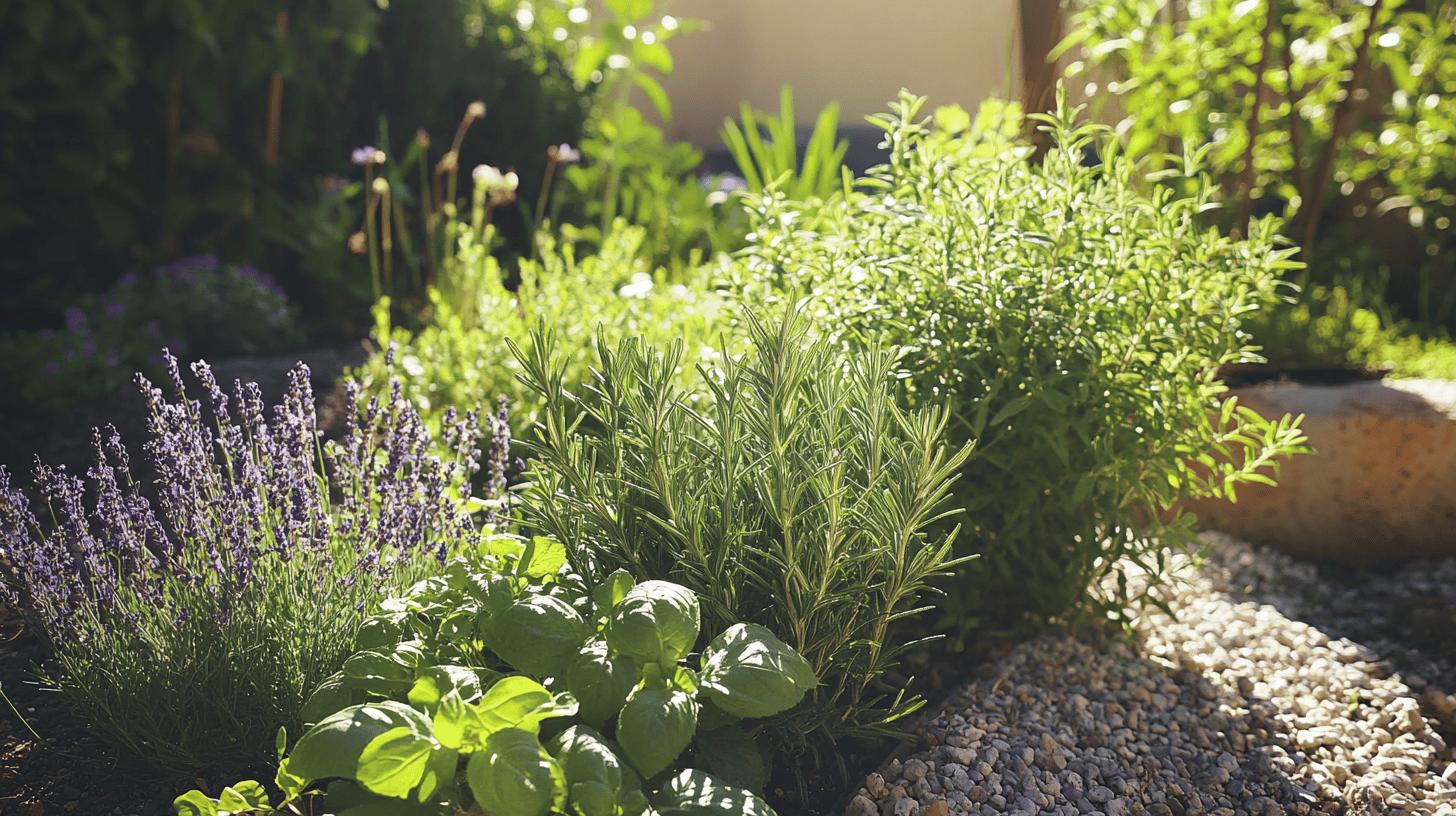
Flowers get the glory, but some of the most reliable fragrance in a garden comes from leaves — and unlike blooms, foliage scent doesn’t wait for the right week to show up. It’s there whenever you touch it, which makes these plants perfect along paths, at the edges of steps, and in pots by the door where sleeves and pant legs brush them.
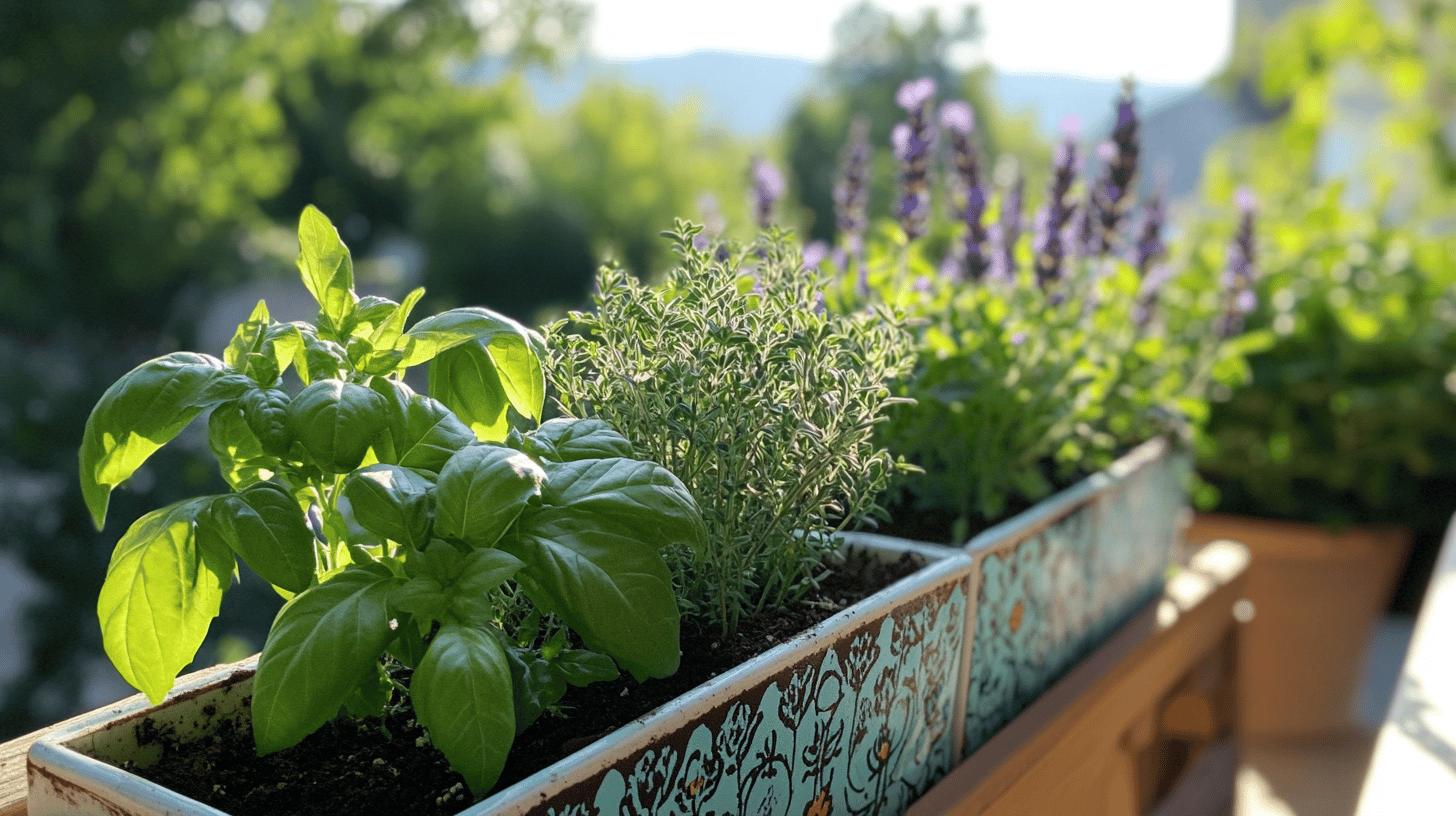
Rosemary is the workhorse here: evergreen in mild climates, piney and warm, and happy to be sheared into a low path-side hedge. Lemon balm and mint both release a bright, cooling scent at the lightest touch (keep mint in a pot unless you want it everywhere — it runs). Scented geraniums are a personal favorite, with leaves that come in rose, lemon, and even chocolate-mint fragrances, and they’re easy to overwinter as houseplants. Thyme tucked between pavers releases its scent underfoot every time you cross the patio, and a lemon verbena in a big container will out-perfume most flowers you can name. Many of these earn their place twice over in the kitchen, which is why they slot so neatly into a container herb garden right outside the back door.
Caring for a Fragrant Garden So the Scent Keeps Coming
Fragrant plants aren’t especially needy, but a few habits keep the perfume at full strength instead of trailing off midsummer. The most important one is deadheading — snipping off spent blooms before they set seed. Left alone, a plant that has flowered and gone to seed decides its job is done and stops producing; take the old flowers off and many bloomers, roses and sweet peas especially, push out a fresh round. A sharp, comfortable pair of bypass pruning shears makes this a two-minute evening pleasure rather than a chore, and clean bypass cuts heal faster than the crushing kind anvil pruners leave behind.
Beyond that, match the care to the plant. Lavender and rosemary want lean, sharply drained soil and resent being fed richly — too much nitrogen gives you soft, floppy, less-fragrant growth. Gardenias and roses are the opposite: hungry, moisture-loving, and grateful for regular feeding through the growing season, with gardenias in particular needing acidic soil to stay green and blooming. Water at the base rather than overhead where you can, since wet petals bruise and can mute a bloom’s scent. And resist the urge to plant too many strong perfumes shoulder to shoulder — a gardenia, a lilac, and a bank of lavender all going at once can turn muddy and overwhelming. Give the big scents a little space to be themselves, and let quieter foliage plants fill in between them.
Recommended Gear for a Fragrant Garden
As an Amazon Associate, Backyard Superstar earns from qualifying purchases at no extra cost to you.
- Top pick — fragrant perennial: ‘Munstead’ English Lavender — hardy, bee-loved, scent in flower and leaf. ($$)
- Best climber: Star (Confederate) Jasmine Vine — evergreen, sweet-scented, covers a trellis fast. ($$)
- Premium fragrant shrub: ‘August Beauty’ Gardenia (1 gal) — the richest perfume in the border. ($$$)
- Budget first-year scent: ‘Old Spice’ Heirloom Sweet Pea Seeds — armloads of scented cut flowers from a packet. ($)
- Support for climbers: VIVOSUN Rustproof Metal Trellis (2-pack) — set it before you plant. ($)
- Care essential: Fiskars Bypass Pruning Shears — clean cuts for deadheading that keep blooms coming. ($)
Frequently Asked Questions
What are the most fragrant plants for a garden?
For most yards, the reliable heavy-hitters are lavender, gardenia, old-fashioned roses, star jasmine, sweet peas, lilac, and daphne, plus scented-foliage plants like rosemary and scented geraniums. Choose based on your climate and where you’ll place them — a strong scent near a doorway or seating area does more than a dozen plants out of reach.
How do I make my garden smell good all year?
Plant across the seasons instead of buying everything that smells nice in May. Pair early-spring bloomers (hyacinth, lilac, daphne) with late-spring and summer scents (jasmine, roses, lavender, gardenia) and fall bloomers (sweet autumn clematis, flowering tobacco). Two or three fragrant plants per season give you continuous overlap.
Where should I plant fragrant flowers?
Put them where you’ll pass them daily and where the air is calm — beside doors and paths, near seating, and under windows you open on warm nights. Sheltered spots like courtyards and fence corners concentrate scent, while open, breezy areas scatter it before it reaches you.
Do fragrant plants need special care?
Not really, but a couple of habits help. Deadhead spent blooms to keep repeat-flowering plants like roses and sweet peas producing, and match feeding to the plant — lavender and rosemary want lean soil, while gardenias and roses are hungry and need richer, evenly moist conditions. Water at the base rather than over the flowers.
Which fragrant plants are best for containers?
Lavender, gardenia, scented geraniums, dwarf citrus, and herbs like rosemary and lemon verbena all grow beautifully in pots, which lets you move the scent right up to a doorway or seating area — and shelter tender plants like gardenia over winter in cold zones.