Easy Vegetables for Beginners to Grow from Seed
The fastest way to talk yourself out of a vegetable garden is to start with the hard stuff. Sprawling tomatoes that need staking, cauliflower that sulks, melons that take all summer — plant those first and you’ll be discouraged by July. Start instead with a handful of crops that are almost impossible to fail with, and you get the one thing that actually keeps beginners going: a real harvest, fast.
I learned this the slow way, killing more than my share of seedlings before I figured out that the vegetable matters as much as the effort. So this is the short list I hand anyone starting out, plus the soil, water, light, and seed-starting basics that turn a packet of seeds into food on the table. Grow these first, get a few wins under your belt, and everything harder gets easier from there.
As an Amazon Associate, Backyard Superstar earns from qualifying purchases at no extra cost to you.
Five Vegetables That Practically Grow Themselves
Five crops do the heavy lifting for new gardeners because they germinate reliably, shrug off neglect, and reward you quickly. Radishes are the sprinters — sow them and you’re pulling crisp, peppery roots in three to four weeks, which is exactly the kind of instant payoff that hooks a kid or a doubtful beginner. Sow a short row every two weeks (that’s succession planting) and you’ll have a steady supply instead of forty radishes all at once.
Lettuce is the crop that keeps giving. Snip the outer leaves and leave the center, and a single planting feeds you for weeks — the “cut and come again” trick. Between butterhead, romaine, and loose-leaf, you can grow a whole salad bar in a few square feet; just give it afternoon shade once summer turns hot, or it’ll bolt and go bitter on you.
Carrots take longer — figure 70 to 80 days — but few things beat easing a perfect one out of loosened soil, and the purple and yellow varieties make it fun. The only real trick is sowing the tiny seeds thinly; I mix them with a pinch of dry sand so they scatter evenly instead of clumping. Spinach rounds out the cool-season crew, thriving in spring and fall and even taking a little shade, with a flavor that leaves the bagged stuff in the dust. And bush beans are the summer workhorse: compact plants that need no trellis and produce a generous flush all at once for fresh eating or freezing. Pick them often — the more you harvest, the harder the plant works.
If you’d rather not chase down five separate seed packets, a starter collection like the Survival Garden Seeds 30-variety heirloom vegetable pack ($$) covers these crops and a couple dozen more in one non-GMO, open-pollinated set, with growing instructions on every packet — enough range to learn what your family actually likes to eat before you commit bed space to it.
Get the Soil and Layout Right First
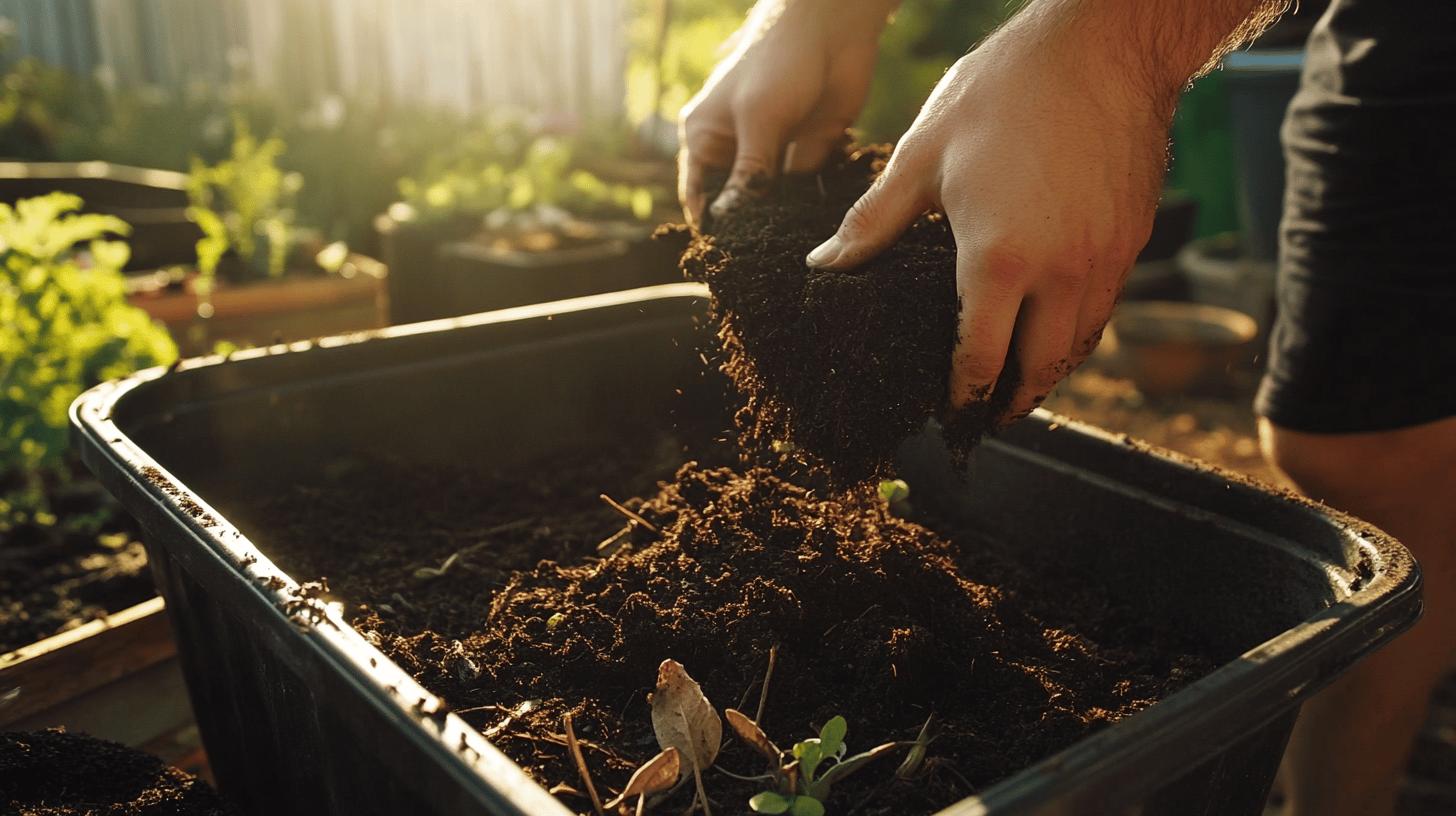
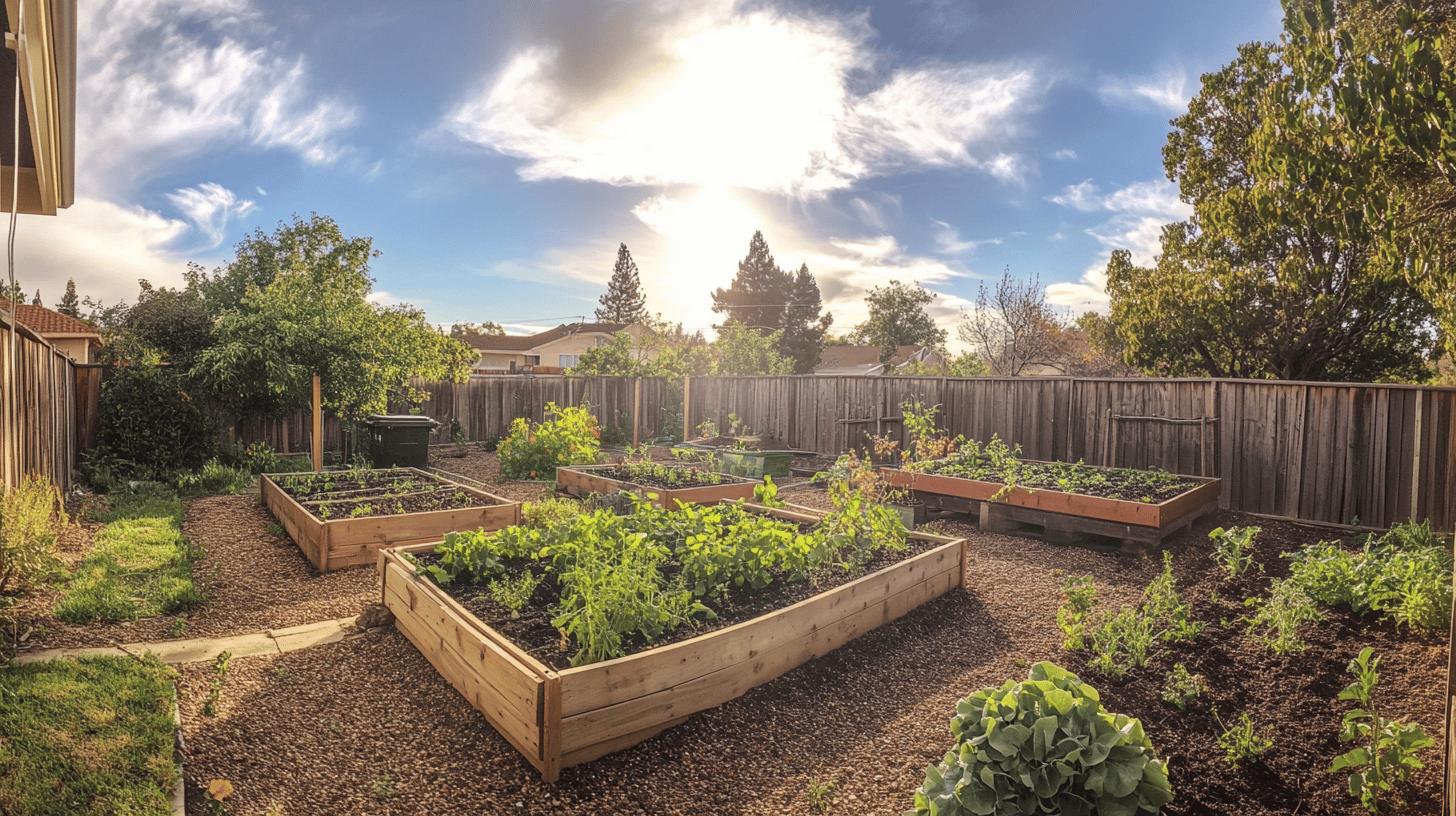
Everything that grows well starts underground, so give the soil an afternoon before you give it seeds. Loosen the top six to eight inches with a fork so roots can push down and water can soak in, pull the weeds out by the root rather than snapping their tops, and work in two to three inches of compost. That compost is the single biggest upgrade a new garden can get — it feeds the plants and the soil life at the same time.
Then check your pH, because even good compost won’t help if the soil’s chemistry is off. Most vegetables want a slightly acidic to neutral range, about 6.0 to 7.0, where they can actually take up the nutrients that are there. A quick reading with something like the Soil Savvy soil test kit ($) tells you where you stand and whether to add a little lime to raise pH or sulfur to lower it — thirty seconds of testing that saves you a season of guessing.
Layout matters almost as much as soil. Give most crops at least six hours of direct sun, and put the tall ones — corn, staked tomatoes, sunflowers — on the north side so they don’t shade everything else. Group plants with similar thirst together so watering is simple, and leave yourself paths wide enough to reach every plant without stepping in the bed and compacting the soil you just loosened. Here’s a quick reference for the five starter crops:
| Vegetable | Sunlight | Soil | Spacing | Days to maturity |
|---|---|---|---|---|
| Radishes | Full sun | Well-drained | 1–2 in | 21–28 days |
| Lettuce | Partial shade | Rich, moist | 6–8 in | 45–60 days |
| Carrots | Full sun | Loose, sandy | 2–3 in | 70–80 days |
| Spinach | Partial shade | Rich, well-drained | 3–5 in | 40–45 days |
| Bush beans | Full sun | Average garden | 4–6 in | 50–60 days |
Watering and Light Without the Guesswork
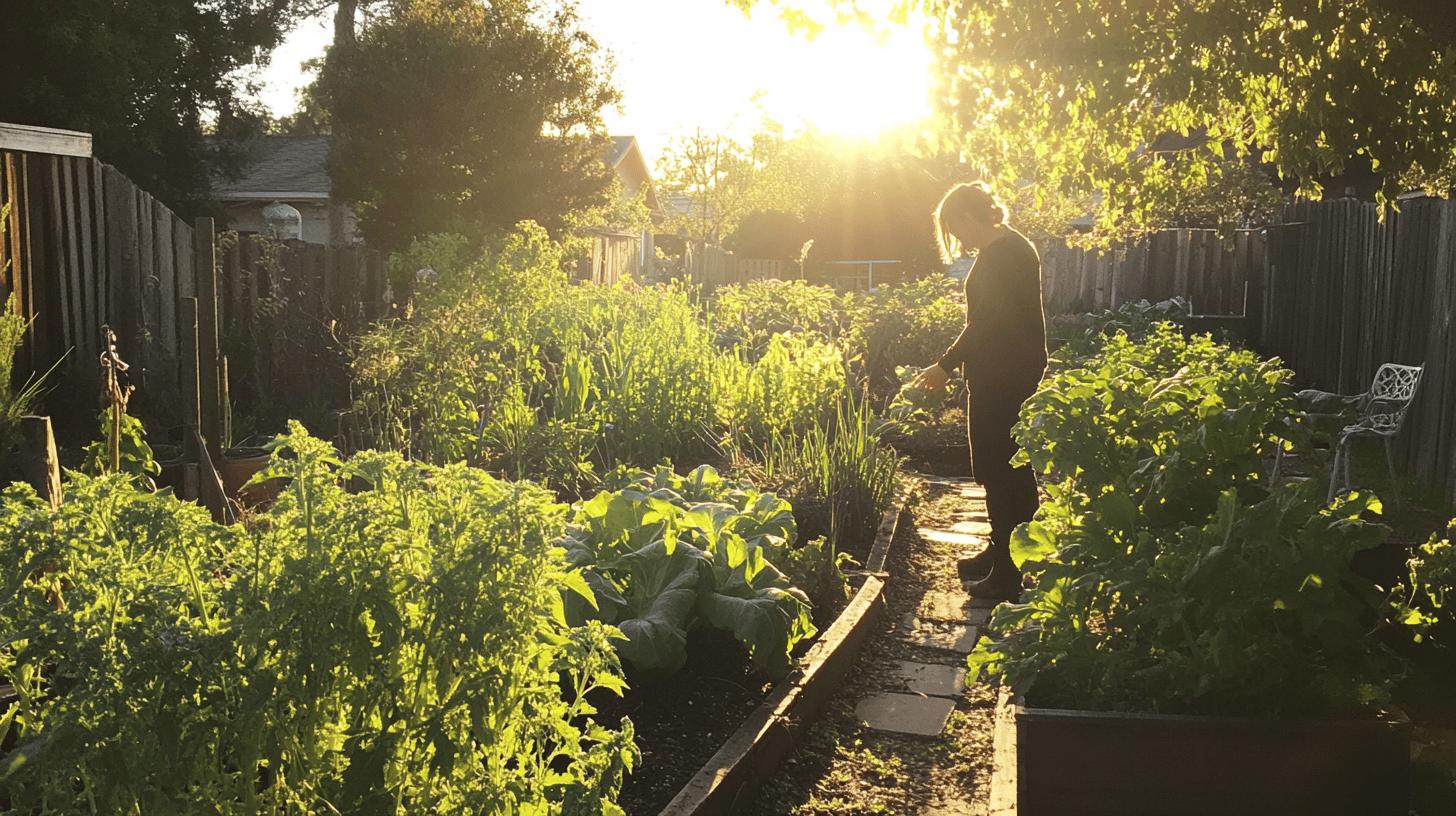
How you water matters more than how often. Aim for about an inch to an inch and a half a week, counting rain, and deliver it in fewer, deeper soakings rather than a daily sprinkle — deep watering pulls roots down where they’re safe from drought, while light splashing keeps them shallow and needy. Morning is the best time, ideally before nine, so leaves dry before evening and you’re not inviting disease. When you’re not sure, use the finger test: push a finger two inches into the soil, and if it’s dry down there, it’s time to water.
A two-to-three-inch layer of mulch is the closest thing to a cheat code for new gardeners. Straw, shredded leaves, or compost over the soil holds moisture steady, smothers the weeds that would otherwise steal water, and keeps roots cooler through a heat wave. Light is the other half of the equation, and it pays to plant to it honestly. Sun-lovers like radishes, carrots, and bush beans want six-plus hours of direct sun; lettuce, spinach, kale, and most herbs are happy with four to six and actually prefer some afternoon shade in summer. If your yard is shadier than you’d like, lean into the greens rather than fighting for tomatoes.
Starting Seeds Indoors for a Head Start

Starting seeds indoors buys you weeks of growing season and opens up varieties you’ll never find as transplants. It’s not complicated, but a few details make the difference between stocky seedlings and pale, floppy ones. Use a real seed-starting mix, not garden soil — it’s sterile and light, which is what tiny roots need. Sow each seed about two to three times as deep as it is wide (barely cover the fine ones like lettuce), keep the mix as damp as a wrung-out sponge, and label everything, because you will not remember which cell is which in three weeks.
The two things seedlings care about most are warmth and light. Most vegetables germinate best around 65 to 75°F, and once they’re up they want strong light 14 to 16 hours a day, kept just a couple of inches above the leaves and raised as they grow — a sunny windowsill almost never delivers enough, which is why indoor seedlings stretch and flop. A self-contained kit like the VIVOSUN seed-starting tray with a built-in grow light and heat mat ($$) bundles the warmth and the light into one setup, which is what keeps stubborn seeds moving and seedlings compact. Before anything goes outside, harden it off: set the trays out for an hour of filtered sun and bring them back, adding time over seven to ten days until they can take full sun and wind without wilting.
Growing in Containers and Small Spaces
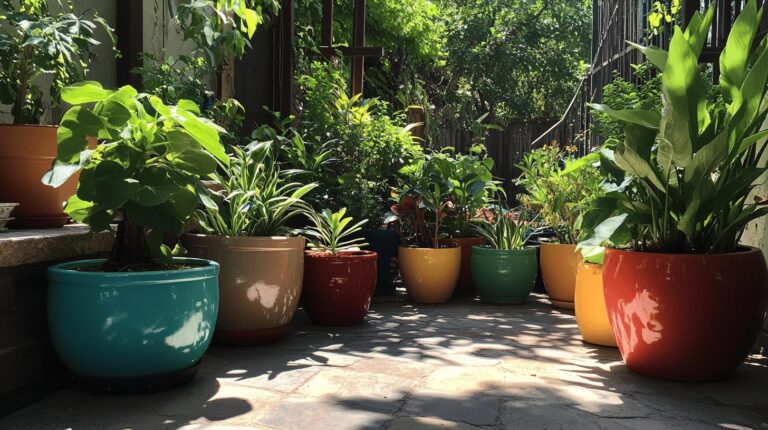
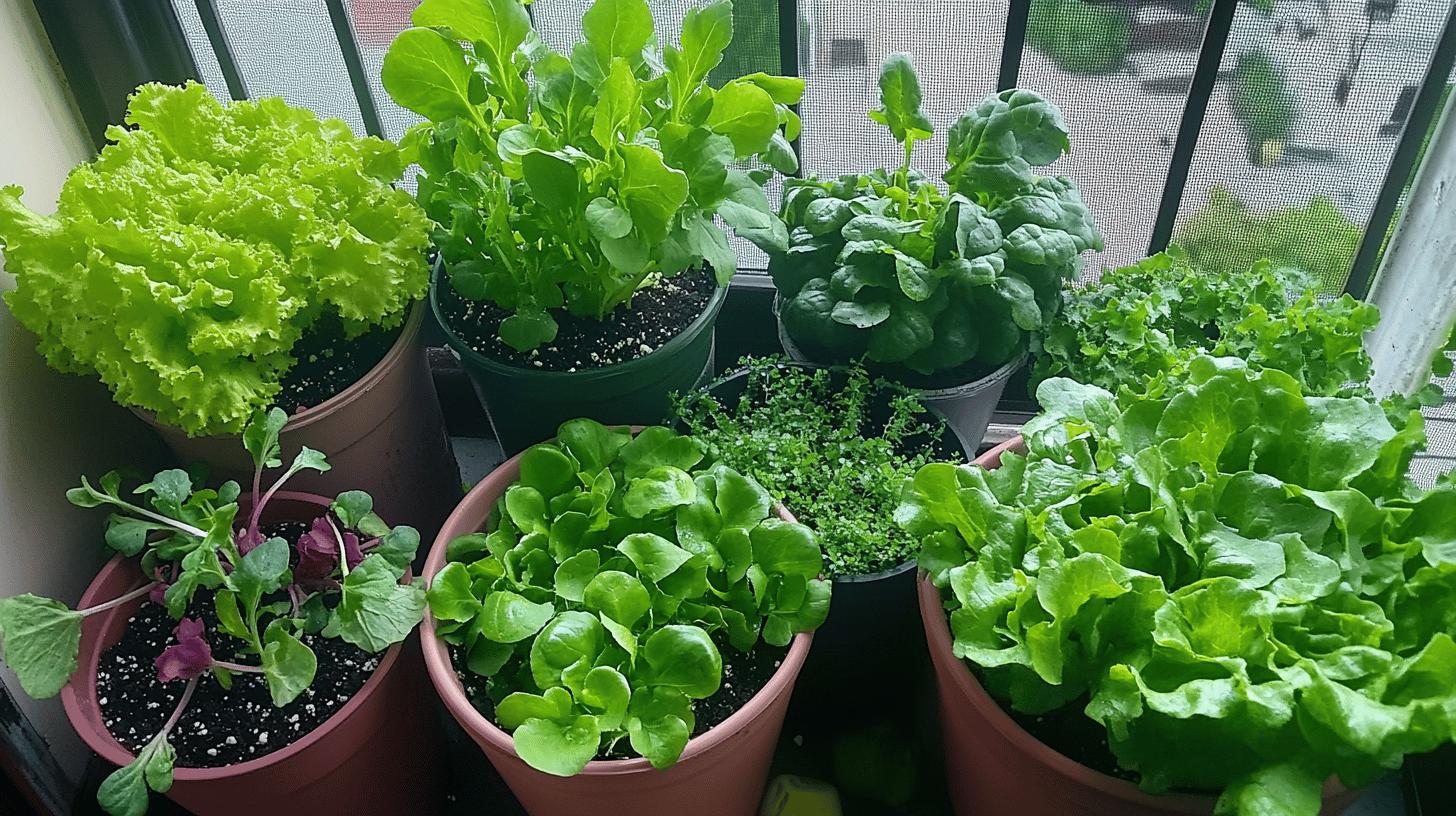
No yard is no excuse — a balcony, a patio, or a single sunny railing is enough to grow real food. The rules just tighten up a little. Use a quality potting mix rather than garden soil, which packs down and drains poorly in a pot, and match the container’s depth to the crop: six to eight inches for lettuce, spinach, radishes, and herbs; eight to twelve for bush beans and peppers; a foot or more for carrots and tomatoes. Whatever you plant in, it must have drainage holes, or roots will drown in the first heavy watering.
Containers dry out fast, so expect to water more often — sometimes daily in high summer — and feed a bit more often too, since frequent watering flushes nutrients out the bottom. Fabric grow bags are a beginner favorite because they “air-prune” the roots and are easy to shuffle around to chase the sun. And whatever you grow up high or in tight quarters, look for varieties labeled “bush,” “dwarf,” “patio,” or “container” — they’re bred to stay compact and productive in exactly this situation.
Fixing the Problems Every Beginner Hits
Almost every first-year setback traces back to one of a few causes, and each has a simple fix. Overwatering is the big one — soggy soil pushes the air out and roots suffocate, so yellowing leaves usually mean back off, not add more. Check with your finger before every watering and let the top inch dry between drinks. Leggy, stretched-out seedlings are a light problem, not a water one: move them somewhere brighter or thin out whatever’s shading them. And overcrowding quietly strangles a garden by choking airflow and setting plants to fight over water; be brave about thinning, and toss the thinnings into a salad as microgreens so it doesn’t feel wasteful.
Pests are inevitable but rarely a crisis if you catch them early. Aphids cluster on new growth and wipe out fast — a hard spray of water knocks them off, and a tablespoon of mild dish soap in a quart of water finishes stragglers, while ladybugs handle the rest for free. Slugs and snails chew ragged holes overnight; hand-pick them by flashlight after dark, or ring vulnerable plants with crushed eggshells or a copper strip. Keep the plants themselves healthy with good soil, steady water, and room to breathe, and they’ll shrug off most trouble before you ever reach for a spray.
The Few Tools Worth Buying First
You don’t need a shed full of gear to start — a handful of good tools covers ninety percent of the work. The one you’ll reach for constantly is a hand trowel for digging holes and setting transplants; a solid cast-aluminum one like the Fiskars Ergo garden trowel ($) won’t bend at the neck the way cheap stamped ones do, which is exactly where budget trowels fail. The second is a decent pair of pruners for harvesting and trimming — Fiskars bypass pruning shears ($) cut clean like scissors, which is what you want on living stems, and they’ll outlast a dozen flimsy snips. Add a pair of gloves and a watering can with a fine “rose” for gentle seedling watering and you’re genuinely equipped.
Take two minutes of care and these tools last for years: knock the soil off after each use, wipe the metal with an oiled rag now and then to keep rust away, and touch up the cutting edges with a file when they start to drag. Buy decent tools once and maintain them, and you won’t be replacing them every spring.
Recommended seeds and gear for beginners
As an Amazon Associate, Backyard Superstar earns from qualifying purchases at no extra cost to you.
- Starter seeds — Survival Garden Seeds 30-Variety Heirloom Pack ($$). Non-GMO, open-pollinated, with growing instructions on every packet.
- Soil test — Soil Savvy Soil Test Kit ($). Reads pH and nutrients so you amend on facts, not guesses.
- Seed-starting kit — VIVOSUN Tray with Grow Light + Heat Mat ($$). Warmth and light in one setup for stocky, faster seedlings.
- Everyday trowel — Fiskars Ergo Garden Trowel ($). Cast-aluminum head that won’t bend at the neck.
- Harvest pruners — Fiskars Bypass Pruning Shears ($). Clean scissor-style cuts for harvesting and trimming.
Frequently Asked Questions
What’s the easiest vegetable to grow from seed?
Radishes. They germinate within days, mature in just three to four weeks, and grow in almost any soil with minimal care. Their large seeds are easy to handle and space, which makes them ideal for beginners and for gardening with kids who want to see fast results.
What are the best easy vegetables for beginners?
Radishes, lettuce, spinach, bush beans, and carrots. Each has straightforward needs, decent pest resistance, and reliable yields even with little experience. Together they give you quick wins (radishes, lettuce), a longer-season success (carrots), and a heavy summer producer (bush beans).
How much sun do vegetables need?
Most vegetables want at least six hours of direct sun a day, and fruiting crops like tomatoes, peppers, and beans want more. Leafy greens such as lettuce, spinach, and kale get by on four to six hours and actually appreciate afternoon shade in hot weather, so match the crop to the light you have.
Should I start seeds indoors or sow them directly?
Quick, cool-season crops like radishes, lettuce, spinach, carrots, and beans do best sown straight into the ground. Start long-season crops like tomatoes and peppers indoors six to eight weeks before your last frost to gain time. Starting indoors also gives you steadier germination and access to varieties you won’t find as transplants.
What vegetables grow well in pots?
Lettuce, radishes, spinach, bush beans, peppers, cherry tomatoes, and herbs all thrive in containers. Choose compact or “bush” varieties, use a quality potting mix rather than garden soil, and make sure every pot has drainage holes. Containers dry out faster, so expect to water and feed a little more often.
Why are my seedlings tall and floppy?
That’s stretching from too little light. Seedlings on a windowsill reach toward the weak sun and grow weak, spindly stems. Move them under a grow light kept a couple of inches above the leaves for 14 to 16 hours a day, and add gentle airflow from a fan to strengthen the stems.