Victory Garden History: Patriotic Roots and Impact
During both World Wars, planting a row of beans in your backyard counted as patriotic service. That’s not an exaggeration — the government printed posters urging it, schoolchildren were enlisted to do it, and by 1944 roughly 20 million American households were growing food for exactly that reason. The Victory Garden movement started as a fix for wartime food shortages, but it turned into something bigger: proof that ordinary people, working a few square feet of dirt at a time, could take real pressure off a nation at war. Here’s where the movement came from, how it scaled to feed a country, and why the idea keeps coming back.
As an Amazon Associate, Backyard Superstar earns from qualifying purchases at no extra cost to you.
Where the Victory Garden Idea Started
The concept traces back to 1917 and a businessman-turned-forestry-expert named Charles Lathrop Pack. With World War I pulling farm labor and rail capacity toward the front, food supplies got tight fast. Pack’s answer was to move part of the burden into people’s own yards. He organized the U.S. National War Garden Commission and started pushing a simple message: if you had a patch of ground, you had a job to do.
What made it work wasn’t just the food — it was the framing. Pack sold backyard vegetable growing as a direct contribution to the war effort, not a chore. That reframing turned a practical necessity into a point of pride, and people responded. Vacant lots, suburban backyards, and city corners that had been sitting idle became working vegetable plots almost overnight.
The part that still gets me is who did a lot of the actual digging: kids. The government formed the United States School Garden Army and put students to work planting and tending “War Gardens,” calling them “soldiers of the soil.” It wasn’t a token program. Those young gardeners produced real food, and along the way they picked up skills — soil prep, watering, harvest timing — that stuck with a generation. If you’ve ever wondered why so many people who grew up in that era just knew how to garden, this is a big part of the answer.
How World War II Turned It Into a Movement
The idea went dormant after WWI, then came roaring back when the second war hit. This time the trigger was rationing. When the U.S. introduced food rationing in the spring of 1942, suddenly everybody had a personal, weekly reason to grow their own — the produce you raised at home didn’t come out of your ration allotment. Practicality and patriotism lined up perfectly, and the movement scaled far past anything the first war had seen.
Eleanor Roosevelt gave it a shove that mattered. She planted a victory garden right on the White House lawn — over the objections of some officials who worried it would look bad — and that single decision did more than a stack of posters could. If the First Lady was pulling weeds on the South Lawn, the message to a skeptical homeowner was hard to argue with: this is worth your time, and nobody’s above it.
The numbers from the peak are genuinely hard to believe. At its height around 1944, roughly 20 million victory gardens were in the ground across the country. Gardeners grew whatever fit their climate and their plot — kale, lettuce, beans, carrots, tomatoes, the reliable workhorses — and they grew a staggering amount of it. Posters, radio spots, and neighborhood events kept the pressure on, and it worked because the payoff showed up on the dinner table every single week.
What Victory Gardens Actually Fed the Country
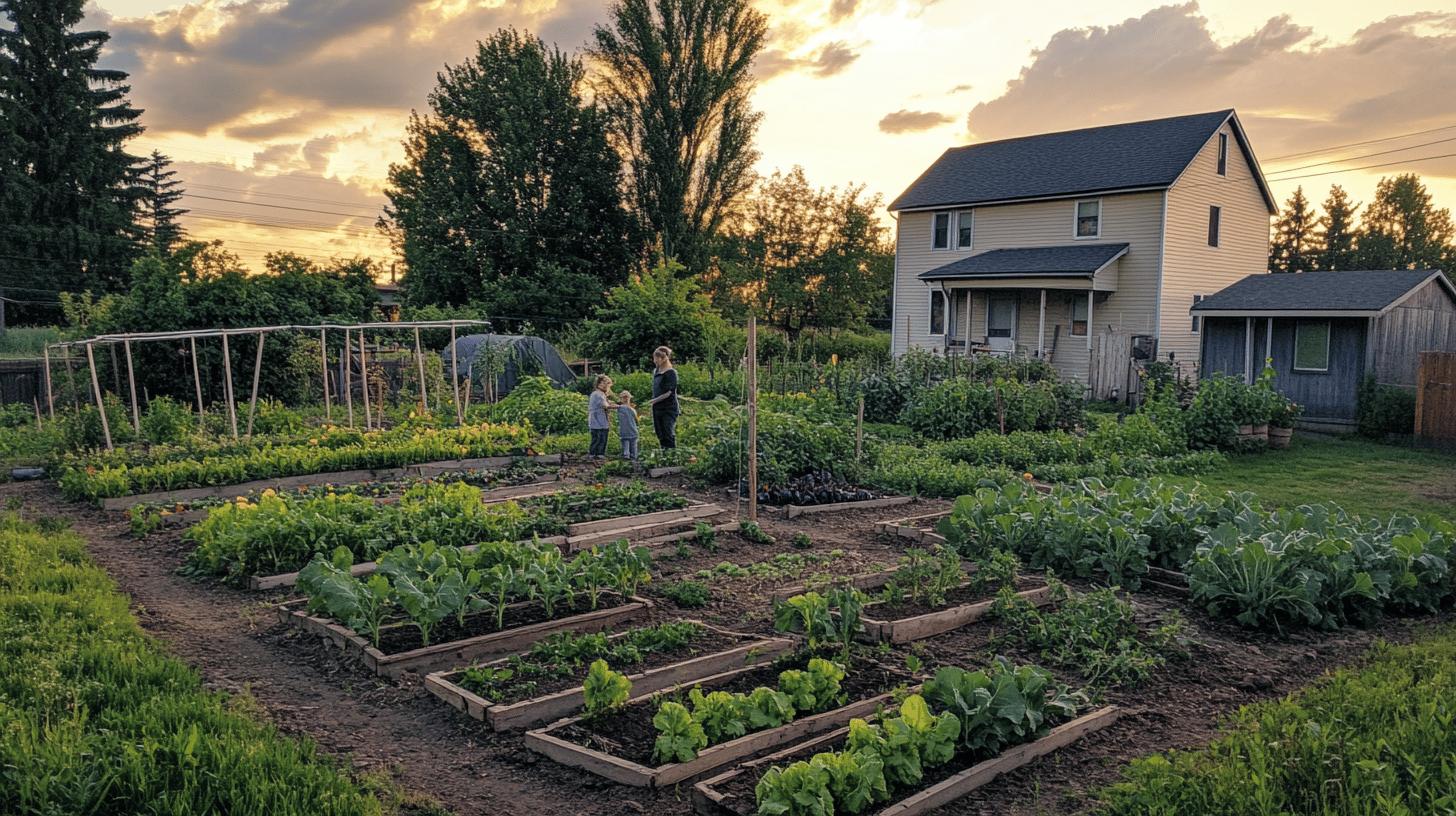
Here’s the statistic that turns this from a feel-good story into a serious logistics achievement: at their peak, victory gardens produced roughly 8 million tons of food — somewhere north of 40 percent of all the fresh fruits and vegetables Americans ate during the war. Nearly half the country’s fresh produce, grown in backyards and vacant lots.
That mattered for reasons beyond the calories. Every pound of tomatoes a family grew at home was a pound the big commercial farms didn’t have to raise, freeing those operations to focus on crops the military and Allied forces needed. And because the food was grown where it was eaten, it skipped the trucks and trains entirely — no long-haul transport, which meant less fuel burned and less strain on a rail system already stretched thin. The decentralization was the point. Millions of tiny farms, each one taking a sliver of load off the whole system.
There was a softer return too. Working a plot together gave families a shared job, taught kids where food actually comes from, and put fresh vegetables into diets that rationing had otherwise flattened. The gardens fed people in more ways than one.
How People Designed and Ran Their Plots
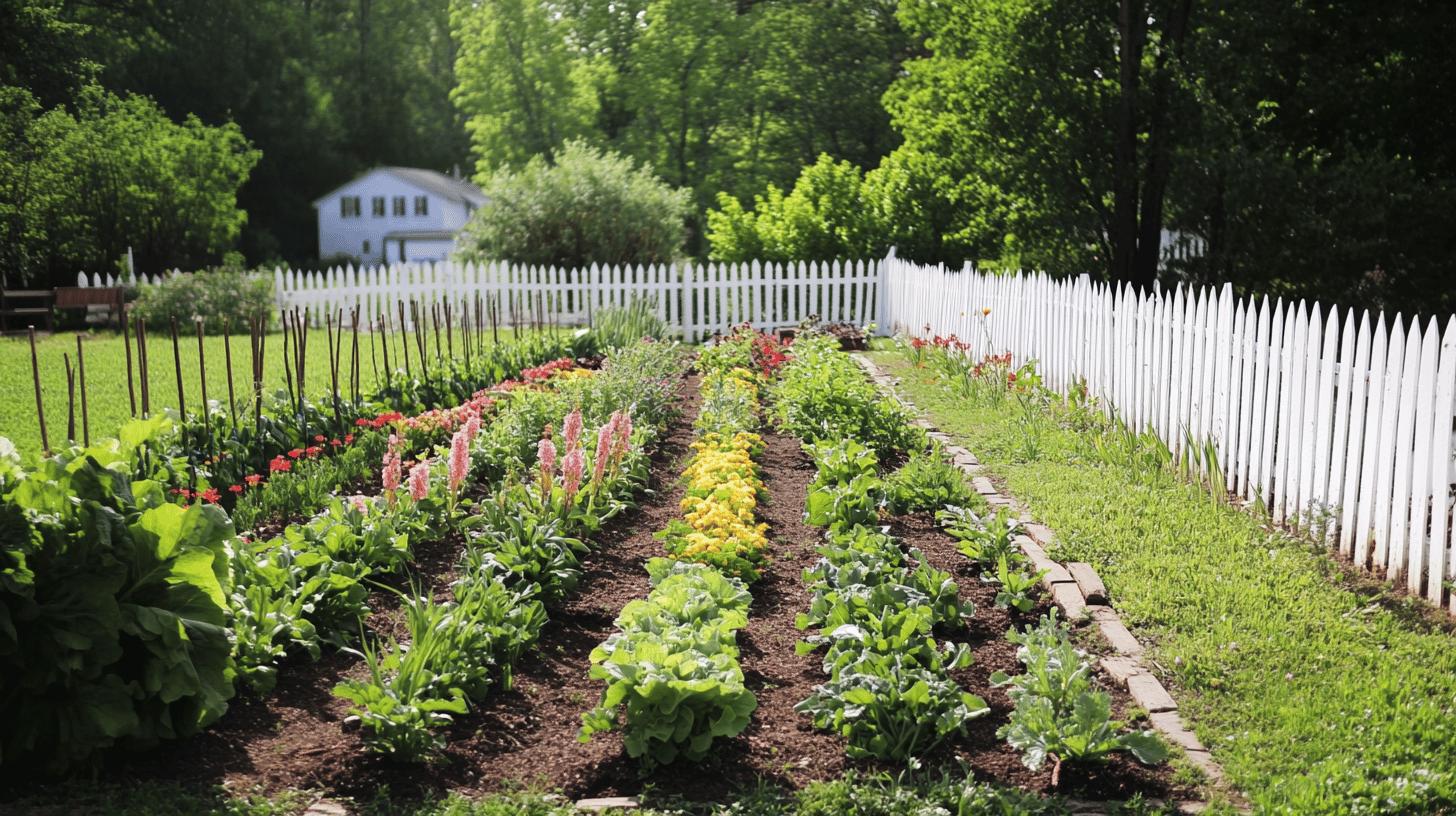
Victory gardeners weren’t romantics about it — they were after maximum yield from minimum space, and their layouts show it. Straight rows and raised beds dominated, because both make efficient use of ground and keep everything within easy reach. Rows made crop rotation and access simple. Raised beds drained better and let you build up good soil in a spot where the native dirt was lousy, which is exactly why they’re still the first thing I recommend to anyone starting a food garden in tough ground. A simple galvanized raised bed kit assembles in a few minutes and gives you that same clean, well-drained growing space without having to mill lumber.
The maintenance playbook they leaned on is the same one that works today. Keep an eye on your soil, rotate crops so you’re not planting the same family in the same spot year after year, feed the ground with compost instead of stripping it, water on a consistent schedule, and manage pests with companion planting before you reach for anything harsher. None of that has changed in eighty years because none of it needed to.
If you’re translating those habits to a modern plot, a few tools carry most of the weight. Testing your soil before you plant tells you what you’re actually working with — a mail-in soil test kit comes back with your pH and nutrient levels plus a fertilizer recommendation, which beats guessing. From there, a couple bags of composted cow manure worked into the top few inches builds the kind of structure victory gardeners got from years of adding organic matter. A solid garden trowel handles the planting, and a drip watering kit with a timer covers the “consistent schedule” part on the days you’re not out there yourself. The wartime gardeners would have killed for that last one.
Their challenges were real, though. Pests came for the crops the same as they do now, and a bad stretch of weather — a drought, a wet spring — could gut a season’s yield. What kept people going was the stakes. When your garden was tied to the war effort, you didn’t just shrug and give up on a buggy tomato patch; you problem-solved. That pressure bred a lot of practical, hand-me-down know-how.
The Community Side, and the Gardens That Survived
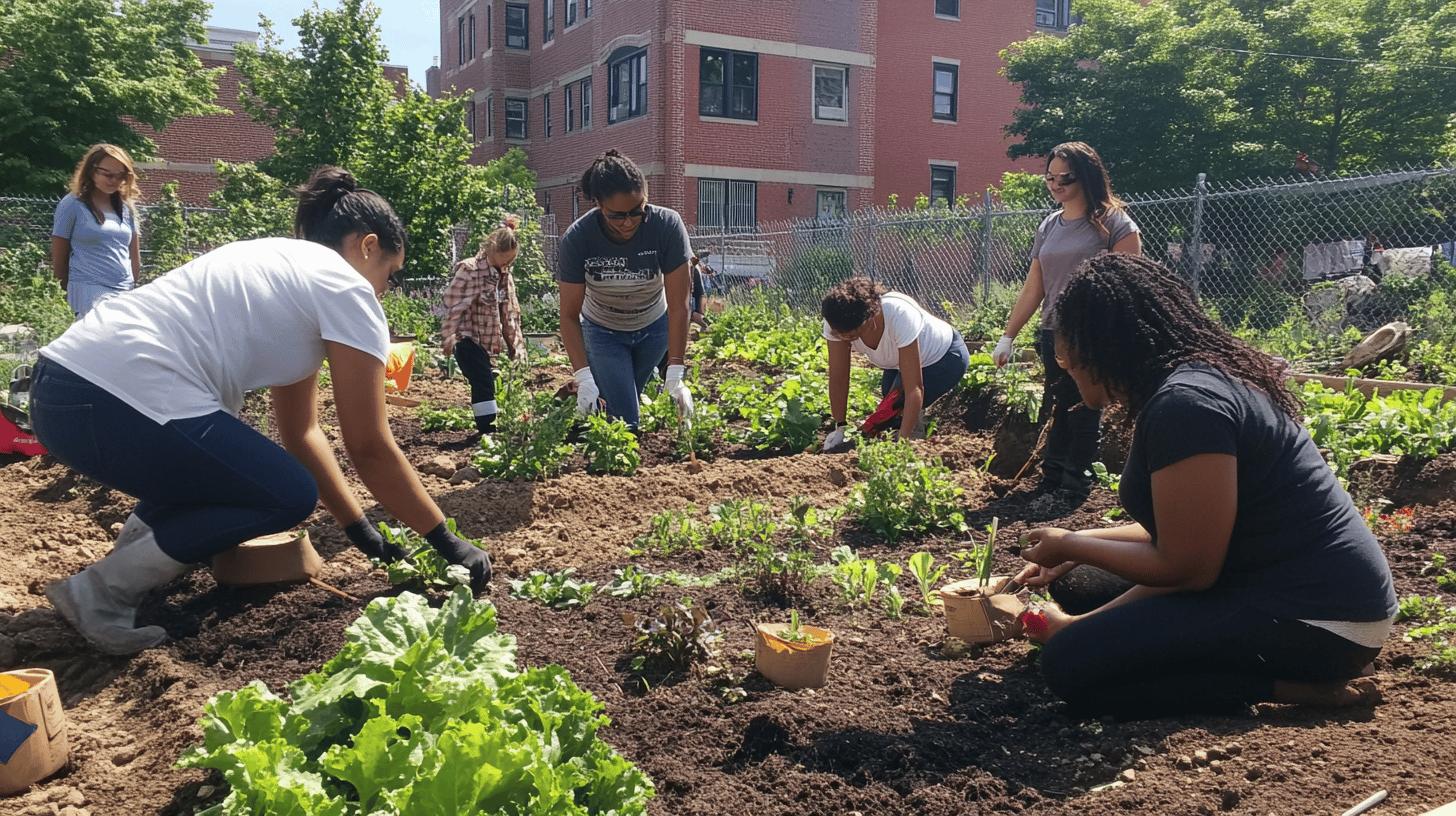
A lot of the movement happened over the fence, not behind it. Community gardens became hubs where neighbors swapped seeds, shared tools, and traded the kind of advice you can’t get from a pamphlet. People who’d never spoken worked adjacent plots and figured out, together, what grew well in their particular patch of the city. The food mattered, but the social glue mattered too — these gardens pulled diverse neighborhoods into a common project at a moment when common projects were in short supply.
Some of those plots never went away. The Fenway Victory Gardens in Boston, established in 1942 as part of Frederick Law Olmsted’s Emerald Necklace, are still going — 7.5 acres worked by more than 475 members from across the city. They’re the oldest continuously operating victory gardens in the country, and walking through them is about as close as you can get to standing inside the movement’s history. Each plot carries its own story, and together they’re a living argument that a good idea rooted in community doesn’t just evaporate when the emergency passes.
That’s really what victory gardens became: a cultural symbol as much as a food source. They stood for the notion that everybody had a part to play and that resourcefulness was something to be proud of. That symbolism is why the image of the movement outlived the wars that created it.
Why Victory Gardens Still Matter — and How to Start One
The reason this history isn’t just history is that the same logic keeps pulling people back to it. Every time food prices spike, supply chains wobble, or folks get serious about shrinking their environmental footprint, the victory garden idea resurfaces — and for good reason. Growing food where you eat it cuts transportation, trims your grocery bill, and gives you a direct line to what’s actually in your dinner. The wartime lessons about compost, crop rotation, and companion planting turn out to be a pretty solid blueprint for low-input, sustainable growing.
You don’t need a war or a 7.5-acre lot to plant one. Start with a small, defined space — a raised bed or even a few large containers — and a handful of crops you’ll actually eat. A mixed heirloom vegetable seed pack is the easiest on-ramp: it gives you a spread of proven, open-pollinated varieties in one box, so you can experiment without committing to a dozen separate seed orders. Pick the ones suited to your climate, put them in good soil, water them consistently, and you’re doing exactly what 20 million households did — just without the rationing.
If you want the step-by-step version, I walk through the whole process in how to plant a victory garden, and if you’re brand new to growing from seed, start with these easy vegetables for beginners. Gardeners tight on space should look at the best heirloom vegetables for small organic gardens, and if raised beds are your route, planting tomatoes in raised beds is a good next read. The movement’s whole point was that anybody could contribute. That’s still true — the only thing that’s changed is that now you get to keep all the tomatoes.
Recommended gear to start your own victory garden
As an Amazon Associate, Backyard Superstar earns from qualifying purchases at no extra cost to you.
- Top pick — Survival Garden Seeds 30-Variety Heirloom Pack ($$). One box of proven open-pollinated varieties — the simplest way to plant a full garden.
- Budget pick — Soil Savvy Soil Test Kit ($). Mail-in pH and nutrient analysis with a fertilizer recommendation, so you plant into soil you actually understand.
- Premium pick — Land Guard Galvanized Raised Garden Bed Kit ($$$). Assembles in minutes and gives you clean, well-drained growing space in tough ground.
- Soil builder — Black Kow Composted Cow Manure ($). Worked into the top few inches, it builds the structure victory gardeners got from years of adding organic matter.
- Everyday tool — Fiskars Ergo Garden Trowel ($). A comfortable, near-indestructible trowel that handles most of the planting.
- Hands-free watering — Raindrip Automatic Watering Kit with Timer ($$). Covers the “consistent schedule” part on the days you can’t get out there.
Victory Gardens: WWI vs. WWII at a Glance
| Aspect | WWI War Gardens (1917–1918) | WWII Victory Gardens (1941–1945) |
|---|---|---|
| Main driver | Food shortages from redirected labor and transport | Food rationing and supply pressure |
| Key figure | Charles Lathrop Pack, U.S. National War Garden Commission | Eleanor Roosevelt’s White House garden as public example |
| Standout program | U.S. School Garden Army — kids as “soldiers of the soil” | National poster, radio, and community-event campaigns |
| Scale at peak | Millions of new plots on idle land | ~20 million gardens producing ~40% of fresh produce |
| Lasting legacy | Established backyard growing as civic duty | Blueprint for today’s community and urban gardens |
FAQ
What is the history of victory gardens?
Victory gardens — first called War Gardens — emerged during World Wars I and II to ease food shortages. Charles Lathrop Pack introduced the idea in 1917 through the U.S. National War Garden Commission, framing backyard food production as a patriotic contribution to the war effort.
Were victory gardens used in both World Wars?
Yes. The movement began in WWI under Charles Lathrop Pack, faded after the war, then revived on a much larger scale during WWII when food rationing began in 1942 gave families a direct incentive to grow their own.
Why were victory gardens important?
At their peak they produced roughly 40 percent of the fresh fruits and vegetables Americans ate, taking pressure off commercial farms and the transportation system so more resources could go to the war effort. They also built community and taught practical food-growing skills.
How much food did victory gardens produce?
At the WWII peak, an estimated 20 million gardens produced around 8 million tons of food — more than 40 percent of the fresh produce consumed in the United States during the war.
Do victory gardens still exist today?
Some do. The Fenway Victory Gardens in Boston, established in 1942, still operate on 7.5 acres with more than 475 members, and the broader idea is regularly revived as community and urban gardens focused on local food and sustainability.
How do I start my own victory garden?
Begin with a small, defined space — a raised bed or a few large containers — and a handful of crops you’ll actually eat. Test and amend your soil, plant proven varieties suited to your climate, water consistently, and manage pests with companion planting. It’s the same approach 20 million households used, minus the rationing.