Begonias for Containers: Best Types and Care
Begonias are the plant I reach for when a shady corner needs life. They bloom for months, they don’t demand full sun the way most flowering annuals do, and a single well-chosen pot can light up a porch step or a north-facing patio that nothing else seems to like. The trick to begonias for containers is matching the right type to your space, then giving them the loose soil and steady-but-not-soggy watering they quietly insist on. Get those two things right and they’re some of the most forgiving color you can grow.
New to growing in pots? My guide to backyard container gardening covers the fundamentals; this article zooms in on begonias specifically — which varieties shine in pots, and how to keep them blooming.
As an Amazon Associate, Backyard Superstar earns from qualifying purchases at no extra cost to you.
The Best Begonias for Pots
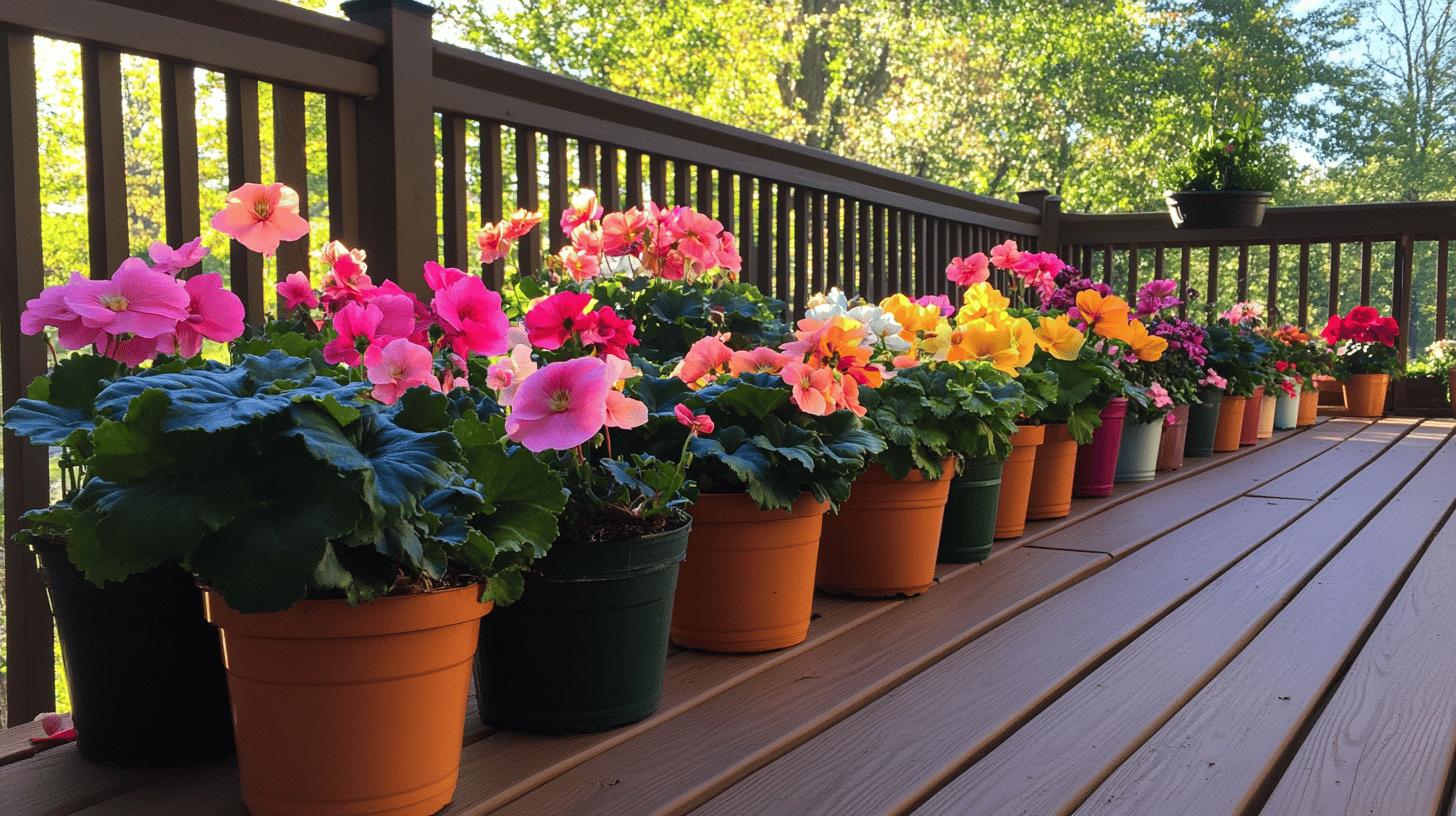
Not every begonia is built for container life, but a surprising number are. The two groups I plant most are tuberous begonias, which carry big, showy blooms that spill beautifully over a pot’s edge, and semperflorens — the wax begonias — which stay compact and flower nonstop with almost no fuss. Fibrous, hardy, and rhizomatous types round out the family, each bringing something different, from glossy mounded foliage to leaves patterned like stained glass.
A few varieties have earned a permanent spot in my pots:
- Nonstop Red — A tuberous begonia that lives up to its name, throwing vivid red blooms from late spring straight through fall.
- T-Rex Painter’s Palette — Grown for its bold, swirled foliage as much as its flowers; the leaves alone carry a container.
- Amstel Blitz — A prolific bloomer in rich, saturated tones that reads as pure color from across the yard.
- Solenia ‘Dusty Rose’ — A tuberous hybrid with frilly, rose-colored blooms and a tidy, weather-tough habit.
- ‘Double Up White’ — Fully double, pure-white blossoms that brighten the dim corners where white shows best.
If you’re choosing your first begonia, start with a wax begonia for easy, season-long flowers, or a Nonstop tuberous type when you want drama. Both adapt to a range of light and shrug off the small weather swings a patio throws at them, which makes them dependable even if you’re still finding your footing as a gardener.
How to Plant Begonias in Containers
Begonias are sensitive about two things: drainage and crowding. Solve both at planting time and you’ve headed off the problems that sink most potted begonias before they start. Begin smaller than you think — a pot just slightly larger than the root ball — and step up to a 6- to 8-inch container as the plant fills in. A too-big pot holds too much wet soil around young roots, which is exactly what begonias hate.
Here’s the order I plant in:
- Pick a pot with drainage holes. This is non-negotiable; without an exit for excess water, roots sit wet and rot.
- Fill with a light, free-draining mix. Begonias want fluffy, airy soil, not dense garden dirt that packs down and stays soggy.
- Settle the plant gently. Cover the roots but don’t pack the soil tight — leave it loose so air and water move through.
- Water lightly to start. Just enough to settle the mix around the roots; a flood at the start does more harm than good.
- Place it in part shade. Filtered light or morning sun with afternoon shade suits most begonias right out of the gate.
For the mix, I skip homemade blends with begonias and reach for a bagged organic potting soil that’s already light and well-aerated — Espoma Organic Potting Mix ($$) drains freely and won’t compact the way cheaper, peat-heavy mixes do. If you want to understand what makes a container mix work so you can tweak your own, my breakdown of the best soil mix for container gardening has the ratios.
The pot itself matters more than people expect. A decorative glazed set like the La Jolie Muse ceramic planters with drainage holes ($$) looks the part on a front step and comes drilled for drainage, which not every pretty pot does. When I’m planting several begonias for a patio display and don’t care about looks, breathable 247Garden fabric grow bags ($) are my budget go-to — the fabric walls drain and breathe, which keeps begonia roots from ever staying waterlogged.
Watering and Feeding Container Begonias
Watering is where begonias make or break, and the balance is narrower than with most plants. They like to stay consistently moist but never wet, and they’ll forgive a brief dry spell far faster than they’ll forgive soggy roots. My rule is simple: water only when the top inch of soil feels dry to the touch, then water thoroughly until it runs from the drainage holes.
Because “the top inch feels dry” is easy to misjudge — especially in a deep or glazed pot — I keep an inexpensive XLUX soil moisture meter ($) tucked nearby. Pushing the probe down to the root zone takes the guesswork out of it, and for a plant as overwatering-prone as a begonia, that one reading saves a lot of grief.
Feeding is gentler than you’d think. A little goes a long way:
- Use a balanced fertilizer sparingly — begonias don’t want to be force-fed.
- Feed every two to four weeks through the growing season for steady blooms.
- If you notice leaf spotting, ease off the fertilizer right away; it’s often a sign of too much.
A balanced, water-soluble food like Jack’s Classic 20-20-20 ($) mixes into your watering can and gives an even hand of nutrients, which is exactly what a light feeder like a begonia wants. Dilute it a touch more than the label suggests and feed a little more often — begonias respond better to small, regular meals than to one big dose.
Light and Placement for Healthy Begonias
Most begonias are shade lovers at heart, which is precisely why I value them. They thrive in part shade or filtered sun, making them perfect for the spots that defeat sun-hungry annuals — a covered porch, the east side of the house, the dappled ground under a tall tree. Morning sun with afternoon shade is the sweet spot for nearly every type.
A few placement habits keep them at their best:
- Give them bright, indirect light or gentle morning sun rather than harsh midday rays.
- Shield rex and other foliage begonias from direct afternoon sun, which scorches their leaves.
- Move pots as the light shifts through the season — the freedom to chase the right light is the quiet gift of growing in containers.
- Keep air moving around the plants; stagnant, humid pockets invite leaf trouble.
Because begonias do their best work in low light, they pair naturally with other shade dwellers. If you’re filling a dim corner, my picks for shade-loving plants for a butterfly garden show what else earns its place beside them.
Designing Begonia Container Arrangements
A begonia rarely needs company to look good, but the right companions turn a single pot into a composition. Begonias pair beautifully with plants that share their love of shade and moisture — coleus for foliage drama, golden lysimachia and creeping Jenny for trailing color, hostas and ferns for lush texture behind the blooms.
A few combinations I come back to:
- Nonstop Red with coleus — Vivid red blooms set against the rich, ruffled foliage of coleus for instant contrast.
- Amstel Blitz with golden lysimachia — Bright flowers above trailing golden strands for a sun-kissed look in a shady spot.
- T-Rex Painter’s Palette with hostas — Bold patterned begonia leaves layered over the broad, calm foliage of hostas.
- Wax begonias with creeping Jenny — Delicate blossoms spilling over a cascade of chartreuse greenery.
Trailing begonia varieties also belong in hanging baskets, where their blooms tumble down at eye level and bring color to vertical space a tabletop pot can’t reach. For a fuller grouping, line a shaded path or patio edge with potted begonias to draw the eye along, or weave them in among other easy-care patio plants for a low-fuss display that reads as intentional rather than fussed-over.
Solving Common Begonia Problems
Begonias are forgiving, but a handful of issues come up often enough to plan around. The good news is that each one tells you exactly what’s wrong if you know what to look for.
Pests. Aphids, whiteflies, and mealybugs are the usual visitors, feeding on sap and leaving wilted, discolored leaves behind. A simple spray of soapy water knocks back a light aphid problem. For anything more stubborn, an organic option like Bonide Captain Jack’s Neem Oil ($) handles a broader range of pests without harsh chemicals — I treat at the first sign rather than waiting for a few bugs to become an infestation.
Leaf spots. These usually trace back to overwatering or too much sun. Fungal spotting follows soggy soil, so plant in a free-draining mix and water only when the top inch is dry. Sunburn-style spots mean the plant needs more shade, especially in the hottest hours.
Yellowing leaves. Almost always a watering signal — too much or too little. Check the soil moisture before you assume it’s hungry, and adjust the routine before reaching for fertilizer.
Temperature stress. Begonias dislike extremes. In a heat wave, move them into deeper shade and out of drying wind; when cold threatens, bring them in or cover them. Reading the plant and acting early keeps small problems from becoming lost plants.
Overwintering Begonias in Containers
One of the quiet advantages of growing begonias in pots is that you can carry them through winter instead of starting over each spring. As the weather cools, the goal shifts from blooming to resting, and a little preparation now means a head start next year.
- Reduce watering as the plant slows and enters dormancy — wet soil in cold weather is the fastest way to lose a tuber.
- Prune back leggy or spent stems to a tidy shape so the plant conserves energy.
- Bring tender types indoors before the first frost; angel wing and many tuberous begonias overwinter happily as houseplants on a bright sill.
- Protect pots you can’t move by wrapping them in frost blankets or burlap to shield the roots from freezing.
When spring returns, ease back into the routine — gradually increase water as growth resumes, start a light feeding schedule again, and set the pots back in their part-shade spots. With that small handoff between seasons, the same begonias reward you year after year.
A Few Last Thoughts Before You Plant
Begonias earn their keep in the spots most flowers won’t touch. Choose a type that fits your light — a wax begonia for easy, steady color, a Nonstop or Solenia for big tuberous blooms — give it a draining pot, a light mix, and water with a careful hand, and it will bloom for months with very little from you.
Pick one shady corner this week and set a single begonia there. The way it fills that overlooked spot with color has a habit of turning one pot into a whole collection.
Recommended gear for container begonias
As an Amazon Associate, Backyard Superstar earns from qualifying purchases at no extra cost to you.
- Top pick — potting mix — Espoma Organic Potting Mix ($$). Light, free-draining organic mix that won’t compact around overwatering-prone begonia roots.
- Budget pick — containers — 247Garden 5-Gallon Fabric Grow Bags (5-Pack) ($). Breathable, air-pruning pots that drain freely and store flat off-season.
- Premium pick — decorative pots — La Jolie Muse Ceramic Planters (Set of 2, with drainage) ($$). Glazed display pots drilled for drainage — pretty enough for a front step.
- Feed it — Jack’s Classic 20-20-20 All-Purpose Fertilizer ($). Balanced, water-soluble food for the gentle every-2-to-4-week feeding begonias prefer.
- Water it right — XLUX Soil Moisture Meter ($). Probe reads the root zone so you water only when begonias actually need it.
- Protect it — Bonide Captain Jack’s Neem Oil (Concentrate) ($). Organic control for aphids, whiteflies, and mealybugs at the first sign.
FAQ
What are the best begonias for pots?
Tuberous and semperflorens (wax) begonias are the standouts. Varieties like Nonstop Red, T-Rex Painter’s Palette, and Amstel Blitz bring vivid color and a compact, container-friendly habit.
Do begonias like sun or shade?
Most begonias prefer part to full shade. Too much direct sun, especially in the afternoon, scorches their leaves, so filtered or morning light suits them best.
Do begonias do well in containers?
Yes — they’re one of the most reliable container flowers. With a draining pot, a light mix, and careful watering, they bloom for months in spaces other plants struggle in.
What is the secret to growing begonias?
Free-draining soil, part shade, and watering only when the top inch is dry. Begonias forgive a little drought far more readily than soggy roots.
How do you plant begonias in containers?
Start in a small pot with drainage holes and a light potting mix, settle the roots without packing the soil, water lightly, and step up to a 6- to 8-inch pot as the plant grows.
Can you leave begonias in pots over winter?
Tender types should come indoors before frost — reduce watering, prune for shape, and overwinter them on a bright sill. Pots that can’t move can be wrapped to protect the roots.
How can I tell my begonia is overwatered?
Yellowing leaves and fungal-looking leaf spots are the classic signs. Let the soil dry to an inch deep between waterings and make sure the pot drains freely.
What pairs well with begonias in a container?
Shade-loving companions like coleus, hostas, ferns, golden lysimachia, and creeping Jenny. They share the same light and moisture needs and set off begonia blooms beautifully.