How to Grow Gerbera Daisies in Containers
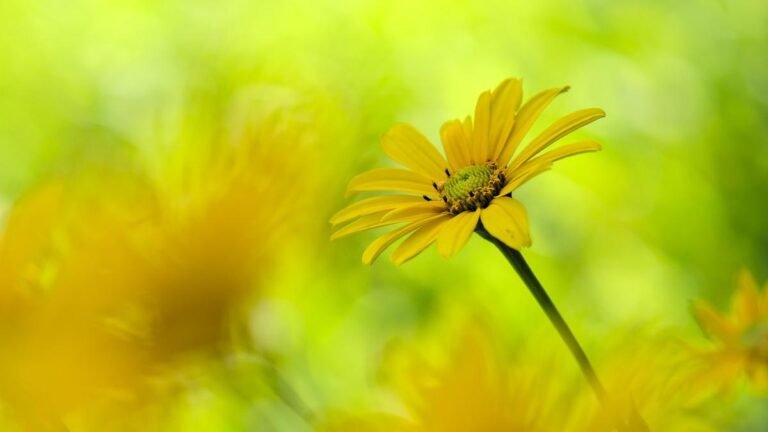
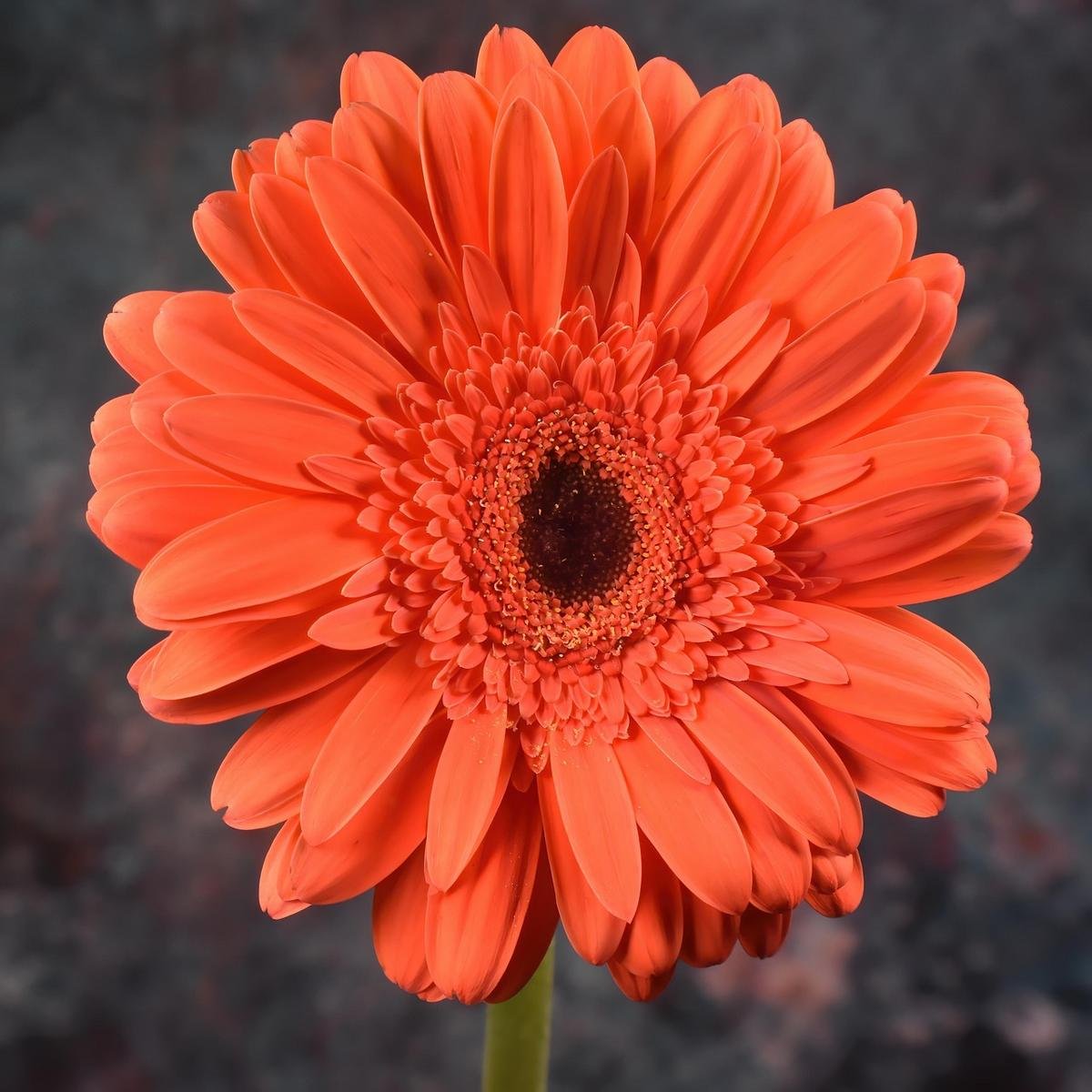
Gerbera daisies are the flower that stops me every time I pass the nursery bench — those wide, symmetrical faces in blush, tangerine, and deep crimson look almost hand-painted. The trouble is that a lot of gardeners bring one home, watch it dazzle for three weeks, and then watch it fade. It usually isn’t the gardener’s fault. Gerberas are fussy about exactly the things a container lets you control: how wet their roots stay, how hot the afternoon gets, and how much their crown is buried. Once you grow gerbera daisies in containers instead of fighting them in the ground, you’re the one holding the dials — and that’s when they turn into a plant that blooms from late spring clear into fall.
Below is everything I’ve learned about keeping potted gerberas happy: the pot, the mix, the watering rhythm, the feeding, and the handful of problems worth catching early. If you’re brand new to growing in pots, my container gardening basics guide is a good companion read.
As an Amazon Associate, Backyard Superstar earns from qualifying purchases at no extra cost to you.
Start With a Pot That Breathes and Drains
The pot is the first decision, and it matters more than most people expect. Gerberas have surprisingly hungry roots for such a compact plant, and a cramped container is one of the fastest routes to a sulking, bloomless daisy. Give a single plant a pot at least 12 inches deep and roughly two inches wider in diameter than the nursery pot it came in. If you want to combine gerberas with trailing companions, size up again so air can still move between the crowns.
Whatever you choose, drainage is non-negotiable. Gerberas will forgive a lot, but they will not forgive sitting in a saucer of water — that’s a direct line to crown rot, which I’ll come back to. So the pot needs generous holes at the bottom, and if it comes with a saucer, empty it after every soak rather than letting the roots wick that water back up.
Material changes how the pot behaves. Plastic and glazed ceramic hold moisture longer, which helps if you tend to forget the watering can but works against you in a wet spring. Unglazed terracotta is my quiet favorite for gerberas precisely because it breathes: the porous clay lets excess moisture evaporate through the walls, which nudges the plant toward the “evenly moist, never soggy” zone it wants. A classic like this D’vine Dev 12-inch terracotta pot with a drainage hole and saucer is the right size and the right material for one gerbera to settle into for the season (mid-range, $$). The one trade-off to know going in: terracotta dries faster than plastic, so in high summer you’ll be watering a touch more often — a fair price for roots that never drown.
The Potting Mix Gerberas Actually Want
Reach past the bag of garden soil for this one. Native soil is far too dense for a pot — it compacts into a brick, holds water around the crown, and smothers the fine roots gerberas depend on. What you want instead is a light, springy potting mix that drains fast but still holds enough moisture to keep the root ball evenly damp between waterings.
A quality bagged mix takes the guesswork out of it. FoxFarm Ocean Forest Potting Soil is my go-to for container flowers: it’s aerated and ready to use, blended with composted forest material, earthworm castings, and perlite, and it’s pH-adjusted to a slightly acidic range that gerberas read as home (mid-range, $$). If you’d rather build your own, start with a good potting soil and stir in perlite or coarse sand at roughly ten percent by volume for extra drainage — my post on the best soil mix for container gardening walks through the ratios.
One planting detail makes an outsized difference: set the crown — the spot where the leaves meet the roots — about half an inch above the soil line, not level with it. Gerberas hate having their crown buried, because water collects there and rot follows. Planting a touch high keeps that junction dry and airy, and it’s the single most common thing I see beginners get wrong. Firm the mix gently around the roots, water it in, and let it settle; if the crown sinks, lift the plant and add mix beneath it.
Watering Without Drowning the Crown
If gerberas have a temper, it shows up around water. Too little and the leaves go crisp; too much and the crown quietly rots from the inside while you’re still congratulating yourself on being attentive. The rhythm that threads the needle is simple: soak deeply, then wait. Water until it runs freely from the drainage holes, then hold off until the top inch or two of mix feels dry to your finger before the next soak. That wet-then-slightly-dry cycle is exactly what the roots are built for.
How often that lands depends on your weather and your pot. In the heat of summer a terracotta pot in full sun might want water every day or two; a plastic pot on a shaded porch might go the better part of a week. Rather than guess — and guessing is where crown rot creeps in — I check. An inexpensive XLUX long-probe soil moisture meter reads moisture down in the root zone of a deep pot, where a fingertip can’t reach, so you water when the plant actually needs it instead of on a calendar (budget, $).
Two habits protect the plant beyond timing. Water into the soil, not over the leaves and blooms — wet foliage overnight invites powdery mildew and botrytis, so I aim the can at the soil ring and water early in the day so any splashes dry fast. And if a plant wilts even though the mix is damp, don’t reach for more water; that’s often rot, not thirst. Slide the plant out, look at the roots — healthy ones are firm and pale — trim anything mushy and brown, repot in fresh mix, and water more sparingly from there.
Sun, Heat, and the Freedom to Move the Pot
Gerberas want a full serving of light. Six or more hours of direct sun a day powers the flowering; much less and you’ll get lush leaves and stingy blooms. Morning sun is the gentlest way to deliver it, so I angle pots to catch generous early light and ease them out of the harshest afternoon glare.
Here’s the catch that surprises people: in a hot climate, it’s usually summer heat, not winter cold, that ends a gerbera’s season. The plants are happiest between about 60°F and 70°F, tolerate a brief dip toward freezing, but start to yellow and stall when afternoons climb past roughly 85°F day after day. Ground-planted gerberas are stuck with whatever the bed gives them. Potted ones aren’t — and that mobility is the whole argument for growing them this way. When a heat wave rolls in, slide the pots into afternoon shade; when frost threatens in fall, pull the tender ones onto a bright porch or near an east-facing window to stretch the show a few more weeks.
If moving pots around isn’t practical where yours live, a length of shade cloth does the same job in place. A panel rated around 30 to 50 percent, like this Agfabric 40% sunblock shade cloth, filters the fierce midday beams without starving the plant of the light it still needs to bloom (budget, $). Rig it over the hottest exposure on a simple frame, and the daisies keep their color through the part of summer that would otherwise scorch them.
Feeding for Weeks of Blooms
Nutrients wash out of a container far faster than they leach from garden soil, so potted gerberas need steady feeding to keep pushing flowers. The mistake to avoid is a heavy hand — a big dose of high-nitrogen fertilizer buys you a flush of leaves at the expense of blooms. What you want is a feed tilted toward flowering, applied little and often.
Through the growing season I use a bloom-focused fertilizer at half strength every couple of weeks. A water-soluble flower food like Jack’s Classic Blossom Booster (10-30-20) is formulated with the higher middle number that drives flower production, plus the micronutrients gerberas lean on, and it mixes into a watering can in seconds (budget, $). Ease off as the peak heat of summer sets in — you don’t want to force tender new growth into a stressful stretch — and stop feeding entirely once the plant goes quiet for winter.
Watch the leaves and they’ll tell you what’s missing. Yellowing between the veins while the veins themselves stay green usually points to an iron or manganese shortage, common when the mix drifts too alkaline. A feed that includes chelated micronutrients corrects it without upsetting the soil chemistry, and keeping the mix slightly acidic — roughly 5.5 to 6.5 on the pH scale — helps the roots take those nutrients up in the first place.
Deadheading, Grooming, and Repotting
A little regular grooming is what separates a gerbera that blooms for a month from one that blooms for a season. The most important habit is deadheading: as each flower fades, snap or snip it off right at the base of its stem rather than partway up. Left alone, a spent bloom pours the plant’s energy into setting seed; removed, that energy swings back into making the next bud. I do a quick pass every few days in peak season, pulling spent flowers and clipping any yellowed or spotted leaves before they become a landing pad for disease.
Repotting is the other piece, and gerberas ask for it more often than you’d think because their roots grow fast. A pot-bound plant slows down and stops flowering, so plan to refresh the container each spring — either shift the plant up to the next pot size, or lift it, trim the outer roots, and return it to the same pot with fresh mix. Roots creeping out the drainage holes, a plant that dries out within hours of watering, and a general drop in flowering are the signals it’s time. Done in early spring while growth is just waking up, repotting barely sets the plant back and keeps it productive year after year.
Common Gerbera Problems in Pots (and Fixes)
Grown in the right pot with good light and honest drainage, container gerberas are fairly trouble-free. A few issues do show up most seasons, though, and catching them early keeps them minor.
Crown and root rot. The number-one killer, and almost always a moisture problem. Keep the crown planted slightly high, use a fast-draining mix, empty the saucer, and let the top inch dry between waterings. If a plant wilts with damp soil, suspect rot rather than thirst and check the roots.
Aphids, thrips, and spider mites. Pots can turn into little micro-habitats for sap-suckers, especially in dry spells, and they love tender new buds. Check the undersides of leaves weekly. A firm spray of water knocks down light infestations; for anything stubborn, an insecticidal soap like Garden Safe’s ready-to-use spray handles aphids, mites, and thrips through contact and is labeled for use right up to harvest on edibles nearby (budget, $). For a fuller, gentler playbook, see my guide to natural pest control for container gardens.
Powdery mildew and leaf spots. Fungal trouble follows wet leaves and stagnant air. Water at the soil, water in the morning, and leave a few inches between pots so air moves around each plant. Strip off badly affected leaves rather than leaving them to spread spores.
Leggy growth and few flowers. Nearly always too little sun or too much nitrogen. Move the pot to a brighter spot and switch to a bloom-focused feed, and the plant usually rebalances toward flowers within a few weeks.
FAQ
How do I grow gerbera daisies in a container?
Choose a pot at least 12 inches deep with good drainage, fill it with a light, fast-draining potting mix, and set the crown about half an inch above the soil line. Give it six or more hours of sun, water deeply then let the top inch dry, and feed with a bloom-focused fertilizer at half strength every couple of weeks.
Why are my potted gerbera daisies dying?
The most common cause is a buried or waterlogged crown leading to rot. Make sure the crown sits slightly high, the pot drains freely, and you’re letting the mix dry a little between waterings. Sudden collapse with damp soil almost always means root or crown rot rather than thirst.
How much sun do gerbera daisies need in pots?
At least six hours of direct light a day, ideally weighted toward morning sun with some relief from the harshest afternoon heat. In hot climates, filter the midday sun with 30–50% shade cloth so the blooms don’t scorch.
How often should I water gerbera daisies in containers?
Water deeply whenever the top inch or two of mix feels dry — often daily for terracotta in summer heat, less for plastic or shaded pots. Aim the water at the soil rather than the leaves, and water early in the day so foliage dries before evening.
Are gerbera daisies perennials or annuals?
They’re tender perennials, hardy in roughly USDA zones 8–11. In colder regions most gardeners grow them as annuals or overwinter the pots indoors in a cool, bright spot, watering sparingly until spring.
What size pot is best for a gerbera daisy?
For a single plant, a pot at least 12 inches deep and about two inches wider than its nursery pot, with drainage holes. Combining gerberas with other plants calls for a larger container so each crown keeps its airflow.
Recommended gear for potted gerberas
As an Amazon Associate, Backyard Superstar earns from qualifying purchases at no extra cost to you.
- The pot — D’vine Dev 12-inch terracotta pot with saucer ($$). Breathable clay in the right size for one gerbera to settle in.
- The mix — FoxFarm Ocean Forest Potting Soil ($$). Light, aerated, and pH-adjusted for container flowers.
- Water smart — XLUX long-probe soil moisture meter ($). Reads deep in the root zone so you never guess at watering.
- Beat the heat — Agfabric 40% sunblock shade cloth ($). Filters brutal midday sun without starving the blooms of light.
- Feed the blooms — Jack’s Classic Blossom Booster (10-30-20) ($). Bloom-tilted, water-soluble food with the micronutrients gerberas want.
- Handle pests — Garden Safe Insecticidal Soap ($). Contact control for aphids, thrips, and mites on tender new growth.
Get the pot, the mix, and the watering rhythm right and gerberas reward you out of all proportion to the space they take — a single 12-inch pot can carry weeks of color on a step or a balcony rail. Once you’ve got the hang of container culture, it’s a short leap to growing edibles the same way; my guide to the best fruit trees for container gardening uses the exact same pot-mix-water-feed logic on a bigger scale.