Backyard Jungle Gyms — How to Pick the Right One

A backyard jungle gym combines multiple play structures — swings, slides, climbing walls, monkey bars, sometimes a small fort — into a single anchored installation. For families wanting one substantial play investment that covers years of use, it’s usually a better fit than buying individual structures one at a time. This guide walks through how to pick a set that suits your yard and budget, the tradeoffs between frame materials, safety and installation basics, age-appropriate features, seasonal upkeep, and where to place the whole thing.

Picking a Jungle Gym That Fits Your Yard

Three decisions narrow the field before specific products matter: budget tier, age range, and footprint.

Tier Typical Price Materials Features Included Best For
Entry $200–$500 Plastic or plastic-coated steel Small slide, 1–2 swings, basic climber, low deck Toddlers and preschool-age (2–5)
Mid-range $500–$1,500 Cedar or treated lumber with steel hardware Slide, 2–4 swings, climbing wall, fort deck, monkey bars Mixed-age families (3–10)
Premium $1,500–$4,000+ Cedar/redwood with stainless hardware, or heavy-gauge welded steel Multiple slides, towers, swings, climbing options, ladders, ropes Multiple kids, longer-term use (4–12+)

Three other variables within each tier:

  • Footprint. Most mid-range sets need 8 by 12 feet of clear flat ground plus 6 feet of safe fall zone on every side — call it 200–250 square feet total. Premium multi-tower sets can need 400+ square feet. Measure twice before ordering.
  • Weight capacity. Entry-tier sets typically handle one or two small kids at a time (combined ~150 lbs). Mid-range handles 200 lbs. Premium 300+. Pick at least 50 pounds above the heaviest active load you expect.
  • Assembly. Plastic sets snap together in 1–2 hours. Mid-range wood sets run 6–12 hours for a 2-adult crew. Premium installations sometimes warrant professional assembly ($300–$800 added cost), especially if anchored in concrete.

For families wanting a single play structure type instead of an integrated set, the monkey bars buyer’s guide covers bars-only options at lower cost and smaller footprint.

Wood, Metal, and Plastic Frames Compared

Frame material drives lifespan, look, and maintenance load more than any other single choice.

Wood (cedar, redwood, treated pine). Warmest look, blends into landscaped yards, comfortable to grip in hot or cold weather. Cedar and redwood resist rot naturally; treated pine costs less but needs careful selection of non-toxic treatment for play structures (older treatment chemicals can leach). All wood frames need annual sealing in most climates to prevent splintering. Lifespan with care: 10–15 years.

Powder-coated steel. Strongest frame option and most weather-resistant. Powder coating resists rust but eventually chips at high-touch points — check rung connections and bolt heads during annual safety checks. Steel can get uncomfortably hot in direct summer sun, especially dark colors. Lifespan with care: 15–20 years.

Plastic / molded polymer. Coolest to the touch, easiest to clean, lightest weight. Plastic coatings can crack with UV exposure after several seasons, exposing structural cores. Lower weight capacity than wood or steel. Best for toddler and young-elementary use where loads stay light. Lifespan: 5–10 years.

Material Lifespan Maintenance Hot-Sun Comfort Typical Price Range
Cedar / redwood 10–15 years Annual seal, splinter check Comfortable $700–$2,500
Powder-coated steel 15–20 years Bolt check, rust touch-up Hot in direct sun $500–$2,000
Plastic / molded polymer 5–10 years Wipe clean, replace cracked parts Comfortable $200–$600

Look for stainless steel or marine-grade brass hardware regardless of frame material. Zinc-plated hardware rusts within 2–3 seasons in any humid climate and is the most common early-failure point on otherwise good sets.

Safety Standards and Installation

Three safety standards are worth checking before buying: ASTM F1148 (residential play equipment), CPSC Public Playground Safety Handbook (federal guidelines for play structures), and any “ASTM-certified” or “CPSC-compliant” claim on the product page. Cheap sets sometimes skip both — that’s a red flag for hardware, fastener, and weight-rating quality.

Site requirements:

  • At least 6 feet of clear fall zone in every direction from the structure.
  • Level ground — slopes over 5 degrees make the structure rock under load.
  • Soft surfacing in the fall zone: rubber mulch (6 inches deep) is the safest common option; engineered wood fiber (9–12 inches) is second-best; pea gravel works but is the least forgiving.
  • No tree branches, fences, walls, or paved walkways within the fall zone.

Anchoring: Free-standing sets work on level ground for toddler-scale frames. Anything over 6 feet tall, anything wood-framed at premium tier, or any set that will see aggressive swinging from older kids should be anchored in concrete footings 2–3 feet deep. Concrete cures 48 hours before adding load.

Common install mistakes: Skimping on post depth, mixing hardware brands mid-build (different thread pitches don’t engage cleanly), ignoring the manufacturer’s clearance specs around moving parts (especially swings — they need more clearance than people expect), and pouring footings on a sloped pad without leveling first.

Age Tiers and What Suits Each

The right set for a 3-year-old is almost useless for a 9-year-old, and vice versa. Match the set to your kids’ current age range and to the range they’ll grow into over the next 3–5 years.

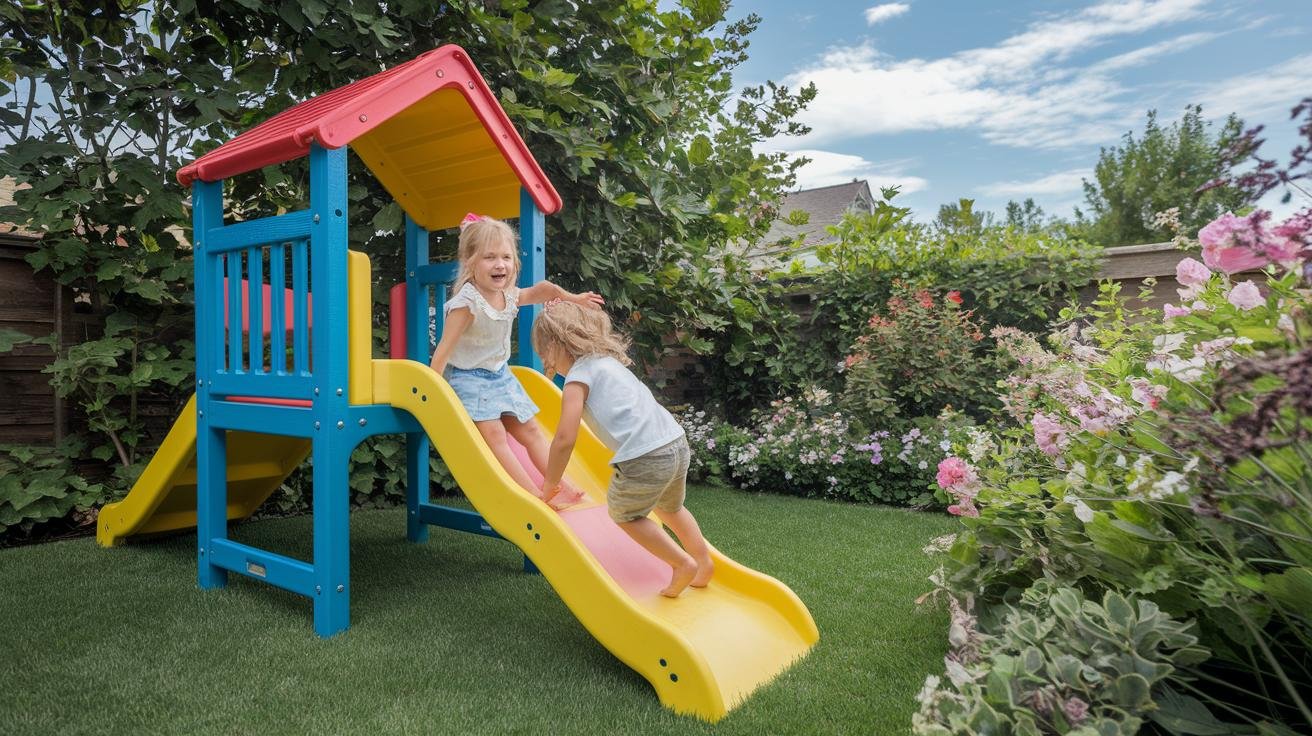
Toddler tier (ages 2–4). Low deck height (2–3 feet maximum), bucket swings with full back support, short slides (4–5 feet), wide steps with handholds, no monkey bars. Focus on motor skill development and confidence-building rather than challenge.

Preschool to early elementary (ages 4–7). Medium deck height (3–5 feet), standard belt swings, small climbing walls with large grips, simple monkey bars at 4–5 feet, optional slide of 6–8 feet. This is the broadest sweet spot for backyard jungle gyms.

Elementary tier (ages 6–10). Higher decks (5–7 feet), longer monkey bars, cargo nets, climbing walls with varied grip styles, longer slides, optional swing types (tire swings, trapeze, gymnastic rings). Sets in this range often have multiple towers connected by bridges.

Tween tier (ages 9–12+). Full-height structures, more challenging climbing options (rope climbs, peg boards), monkey bars at 6+ feet, fitness-style add-ons. By this age many kids also want freestanding alternatives — see the obstacle course building guide for DIY course ideas that suit older kids.

Mixed-age families. A mid-range set with adjustable features (swap-out swings, adjustable rope ladders, multiple deck levels) handles a wider age spread than a single-purpose tier set. Plan for the youngest user’s safety and the oldest user’s challenge needs simultaneously — most quality sets are designed to grow with kids.

Seasonal Maintenance Routine

A short seasonal routine extends the lifespan of any jungle gym significantly.

Spring (open of season). Tighten every bolt with a socket wrench. Inspect every wood surface for splinters, cracks, and soft rot spots (especially at ground contact). Check chains, ropes, and swing hardware for wear; replace anything that looks stretched, frayed, or rusted. Top up fall-zone surfacing to maintain depth across the full safety area.

Summer (active season). Hose down weekly to clear pollen, bird residue, and dust. Watch for loosening bolts after heavy use weekends. Brush off any sap or sticky residue before it bakes onto plastic slides.

Fall (close of season prep). Deep clean. For cedar or redwood, decide whether to apply a fresh seal coat (yes if you want to preserve color; the natural silvery patina is fine and protective if you’d rather skip). For metal, touch up any rust spots with manufacturer’s paint pen. Disconnect any swings that aren’t weather-resistant.

Winter (storage/cover). In freezing climates, cover the structure with a breathable tarp (not airtight plastic — that traps condensation and accelerates rot). Remove ropes, swings, and any fabric components for indoor storage. Brush snow off horizontal surfaces after storms to prevent ice load on plastic slides and roofs.

A 5-minute weekly visual check during use season catches most issues before they become safety problems — loose bolts, frayed ropes, splintering edges. Hardware (bolts, brackets) typically needs full replacement every 5–7 years even on premium sets.

Layout and Yard Placement

Where you put the jungle gym matters as much as which one you buy.

Sun exposure. Partial afternoon shade keeps metal frames usable in summer and slows UV degradation of plastic and wood. Full-sun positions on south-facing yards work but expect more maintenance and uncomfortable metal in midday heat. Full-shade positions stay damp longer and accelerate wood rot.

Sight lines from the house. Pick a spot you can see from a kitchen window or back deck for supervision without standing outside. Unsupervised play on most jungle gyms isn’t appropriate for kids under 8.

Distance from hard surfaces. The 6-foot fall zone shouldn’t extend onto a driveway, walkway, patio, or hard packed gravel. If the only available spot has hard surfaces within range, move the structure or extend soft surfacing to cover the fall zone.

Property line buffer. Most municipalities want play structures at least 5–10 feet from property lines. Check local zoning before installation; some HOAs have additional restrictions on structure height and visibility from the street.

Drainage. Avoid low spots where water pools. Standing water under the structure rots wood posts from the bottom up and rusts metal frame bases. If your only flat spot has drainage problems, build up the pad with compacted gravel before installation.

For broader yard layout context — how a play structure fits into the rest of an outdoor living area — see the outdoor living area planning guide. For smaller yards that can’t accommodate a full jungle gym, the small-backyard obstacle course guide covers compact alternatives that pack more play variety into less footprint.

FAQ

How much does a backyard jungle gym cost?

Entry-tier plastic sets run $200–$500. Mid-range cedar or treated lumber sets run $500–$1,500. Premium multi-tower wood or heavy-gauge steel sets run $1,500–$4,000+. Professional assembly adds $300–$800 if needed. Annual maintenance materials (sealant, replacement hardware) run under $50 a year.

How much space does a jungle gym need?

Most mid-range sets need an 8 by 12-foot flat clear footprint, plus 6 feet of soft fall zone in every direction — about 200–250 square feet total. Premium multi-tower sets can need 400+ square feet. Measure the actual footprint plus fall zone before ordering, not just the eyeballed yard space.

What age is appropriate for a backyard jungle gym?

Toddler-scale sets work for ages 2–4 with low decks and bucket swings. Mid-range sets handle ages 4–10. Larger premium sets handle 4–12+. Sets with adjustable features (swap-out swings, adjustable rope ladders) work across wider age ranges. Direct adult supervision is required for ages under 8 on any structure over 3 feet tall.

What’s the safest surface under a jungle gym?

Rubber mulch at 6 inches deep over the full fall zone is the safest common surfacing. Engineered wood fiber at 9–12 inches is second-best (cheaper but needs annual top-up). Pea gravel at 9–12 inches drains well but is the least forgiving in a fall. Plain lawn is the worst common surface — soil compacts hard under repeated foot traffic.

Wood, metal, or plastic — which jungle gym lasts longest?

Powder-coated steel typically lasts 15–20 years with annual bolt checks. Cedar and redwood last 10–15 years with annual sealing. Treated pine lasts 8–12 years. Plastic and plastic-coated sets last 5–10 years before UV degradation cracks the coating. Hardware quality (stainless vs. zinc-plated) often matters more than frame material for total lifespan.

Should I assemble a jungle gym myself or hire pros?

Entry-tier sets and most mid-range cedar sets are workable as a 2-adult weekend project. Premium multi-tower sets and any set requiring concrete-anchored footings often warrant professional assembly. Professional install runs $300–$800 and includes site prep, anchoring, and post-install safety check. If you’ve never built one before, factor in 50% more time than the instructions estimate.

Do I need a permit for a backyard jungle gym?

Usually no for freestanding sets under 12 feet tall and not concrete-anchored. Some municipalities require permits for any anchored play structure, structures over a certain height, or structures within view of the street. HOA restrictions can add their own rules. Check both local zoning and any HOA covenants before installing.

Are wooden jungle gyms safe?

Yes, with two caveats. First, treated lumber should use modern non-arsenic treatment chemicals (ACQ or copper azole) — older CCA-treated wood is no longer sold for play structures but can show up in used or older sets. Second, all wood needs annual splinter checks; the most common wood-set injuries come from neglected surface inspection, not from structural failures.

Similar Posts