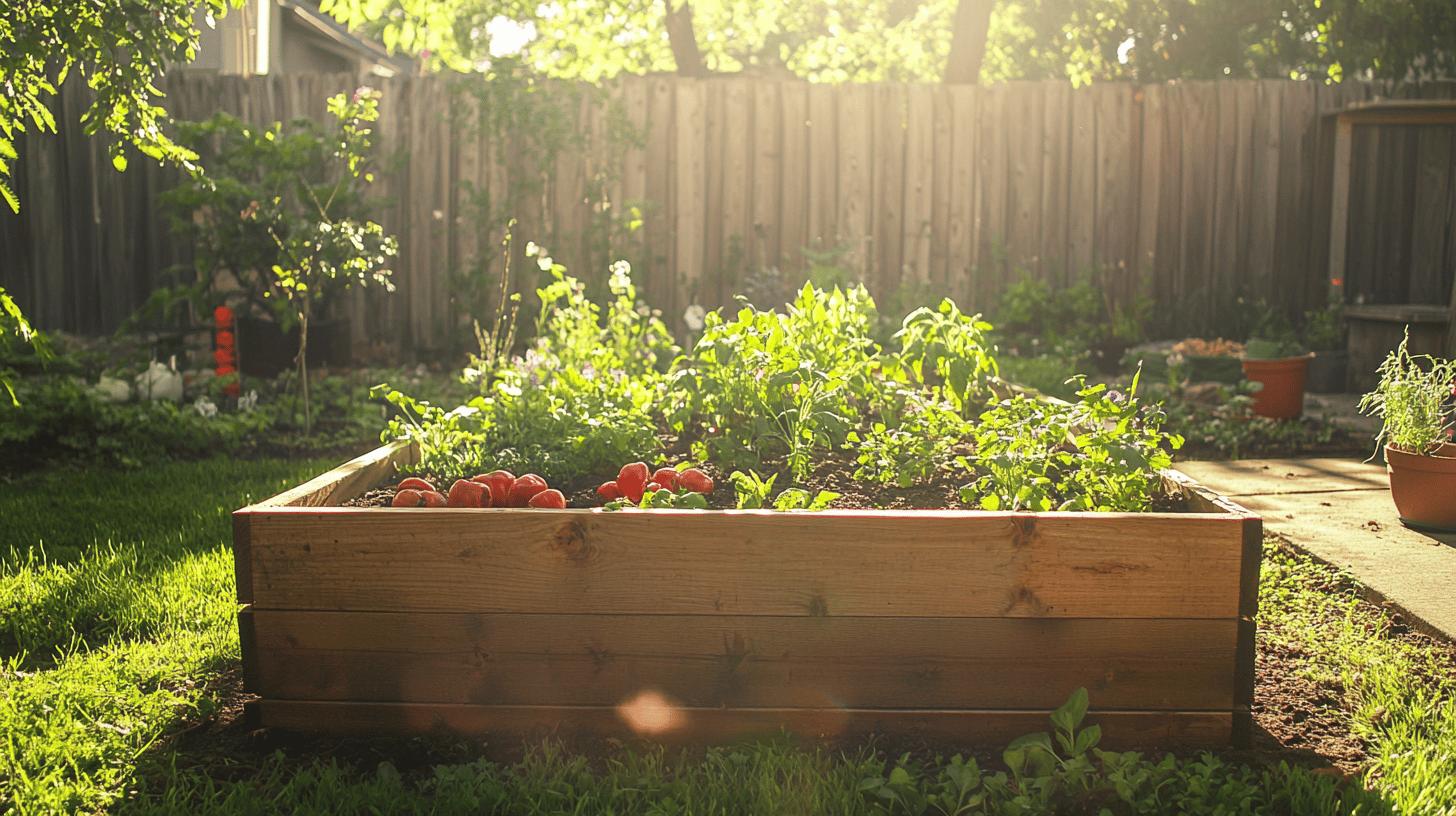
4×8 Raised Garden Bed Planting Layout Guide
A 4×8 raised garden bed offers 32 square feet of productive growing area — enough to feed a small household with fresh vegetables through most of the season if you plan the layout well. This guide covers spacing for the most common raised-bed vegetables, companion pairs that improve yield, a three-season planting schedule, vertical growing tactics to squeeze more out of the footprint, and the harvest and succession routines that keep the bed producing from spring through fall.
Plant Spacing and Arrangement
The single biggest mistake in 4×8 bed planning is overcrowding. Plants jammed too close together compete for light, water, and nutrients, and the whole bed underperforms. Proper spacing produces more total yield than packing more plants in.
Standard spacing for common raised-bed vegetables:
| Vegetable | Spacing | Plants per 4×8 bed (full bed) | Notes |
|---|---|---|---|
| Tomatoes | 24 inches | 6–8 plants | Determinate varieties (bush types) for compact growth |
| Peppers | 18 inches | 10–12 plants | Stake taller varieties |
| Cucumbers | 18 inches (or trellised) | 10–12 plants trellised; 5–6 sprawling | Trellis up the back to save floor space |
| Zucchini and summer squash | 36 inches | 2–3 plants | Big space-eaters; one plant feeds a family |
| Lettuce (leaf types) | 8–12 inches | 30–40 plants per row | Plant in succession every 2 weeks |
| Lettuce (head types) | 12 inches | 20 plants per row | Single harvest per plant |
| Carrots | 3 inches | 100+ per row | Thin after germination |
| Radishes | 2 inches | 150+ per row | Quick crop (25–30 days) |
| Beets | 4 inches | 75+ per row | Thin to spacing after germination |
| Onions | 4 inches | 75+ per row | Plant sets in early spring |
| Bush beans | 6 inches | 60+ per row | Plant in succession for continuous harvest |
| Pole beans | 4 inches (trellised) | 50+ trellised | Require vertical support |
| Kale and chard | 12 inches | 20 plants per row | Cut-and-come-again harvest |
| Broccoli | 18 inches | 10–12 plants | Cool-season; spring or fall crop |
A reasonable mixed-crop 4×8 layout for the main summer season:
- Back row (one 8-foot row): 3 tomato plants spaced 24″ apart, with pole beans or trellised cucumbers between them on a 6-foot trellis frame.
- Middle row: 5 pepper plants spaced 18″ apart.
- Front row: Mixed quick crops — lettuce, carrots, radishes, beets in 12-inch sections that can be harvested and replanted through the season.
That layout leaves room for one zucchini at the end of the bed (if you want one), plus succession plantings of quick crops along the front. The pattern repeats easily for multiple beds.
Square-foot gardening is an alternative approach — divide the bed into 1-foot squares with a grid and plant by recommended counts per square (one tomato per square, 4 lettuces per square, 16 carrots per square). Works well for tight management but can complicate succession planting; pick whichever approach matches how you actually want to work the bed.
Companion Planting Pairs That Work
Companion planting isn’t a cure-all — but several plant pairings have demonstrable benefits, mostly through pest deterrence, beneficial insect attraction, or efficient use of vertical and ground space.
Pairings worth using:
- Tomatoes + basil: Basil deters tomato hornworms and the herbs share similar water needs. Plant basil between tomato plants in the same row.
- Carrots + onions: Onion smell deters carrot rust fly; carrot foliage shades onion soil. Alternate carrot and onion rows.
- Three sisters (corn + beans + squash): Classic combination — corn provides bean trellis, beans fix nitrogen for corn, squash shades soil and deters pests. Works in larger beds; tight for a single 4×8.
- Lettuce + tomatoes: Lettuce uses the soil while young tomatoes are getting established, then is harvested before tomatoes need the space.
- Marigolds + most vegetables: Marigold roots release compounds that deter nematodes. Edge the bed with marigolds.
- Radishes + carrots: Radishes germinate fast and mark carrot rows while carrots are still emerging. Harvest radishes before carrots need the space.
Pairings to avoid:
- Tomatoes + brassicas (cabbage, broccoli, cauliflower): Compete heavily for soil nutrients. Plant in separate beds or separate sections.
- Onions/garlic + beans/peas: Onion family inhibits legume growth. Keep them in separate sections.
- Fennel + most vegetables: Fennel inhibits growth of nearby plants. Plant in its own bed or container.
- Tomatoes + corn: Both attract tomato fruitworm (also known as corn earworm). Separate them.
For broader pest management beyond companion planting, the garden pest control guide covers organic options that work well in raised beds.
Three-Season Planting Schedule
A 4×8 bed produces from early spring through fall if you plan in three waves. Each wave uses different crops; the bed never sits idle.
Spring (cool-season, plant 4–6 weeks before last frost):
- Direct sow: Lettuce, spinach, peas, radishes, carrots, beets, kale, chard.
- Transplant: Broccoli, cabbage, cauliflower (started indoors 6 weeks before transplant date).
- These tolerate frost and bolt to flower once temperatures rise — harvest before mid-June in most climates.
Summer (warm-season, plant after last frost):
- Direct sow: Bush beans, pole beans, cucumbers, summer squash, melons, corn.
- Transplant: Tomatoes, peppers, eggplant, basil (started indoors 8 weeks before transplant date or buy nursery starts).
- These need consistent warmth (60°F+ nights) and produce through summer until first hard frost.
Fall (cool-season again, plant 8 weeks before first frost):
- Direct sow: Lettuce, spinach, kale, radishes, beets, carrots, peas, garlic (for next summer’s harvest).
- Transplant: Broccoli, cabbage (if you grew summer transplants, repeat).
- Crops grow into cooling weather; the cold often improves flavor (especially in kale and root crops).
Sample 12-month rotation for one bed:
| Month | What’s in the Bed |
|---|---|
| March–May | Lettuce, radishes, carrots, peas, kale |
| June | Spring crops finishing; warm-season transplants going in |
| July–September | Tomatoes, peppers, beans, cucumbers |
| October–November | Fall lettuce, spinach, kale, garlic going in for next year |
| December–February | Garlic dormant; bed mulched and resting |
For frost dates specific to your zone, search “average last frost date [your city]” — local extension offices publish reliable charts. The raised bed soil guide covers refreshing soil between rotations.
Vertical Growing in a 4×8 Footprint
The footprint isn’t the only growing space — going vertical doubles effective area for crops that climb or trellis.
Crops that benefit from vertical growing:
- Pole beans: Tripled or quadrupled yield per square foot vs. bush beans on the ground.
- Cucumbers: Trellised cucumbers produce straighter fruit, take less ground space, and are easier to harvest. Cattle panels or sturdy mesh work as trellis material.
- Tomatoes: Indeterminate varieties grow 6+ feet on stakes or cages. Florida weave (a string-based trellis system) works for multiple plants in a row.
- Peas: Even bush varieties produce better with a short trellis. Pole varieties climb 6+ feet.
- Small melons (cantaloupe-sized): Trellised with a fabric sling under each fruit. Save 75% of ground space vs. sprawl.
- Winter squash (compact varieties only): Acorn or delicata squash can climb a sturdy trellis. Skip pumpkins and larger squash — the fruit weight breaks trellises.
Trellis options for a 4×8 bed:
- Cattle panels (16-foot welded wire panels bent into arches): The most versatile option. Two panels span between two raised beds for an arch trellis 6+ feet tall. Pricey ($25–$40 per panel) but lasts decades.
- Stake-and-string (Florida weave): Posts at each end of a row with string woven between plants. Cheap, effective for tomatoes and peas.
- A-frame folding trellis: Two hinged frames covered in mesh. Folds flat for storage.
- Single tomato cages: Round wire cages over individual plants. Cheap option that works for determinate tomato varieties.
Position trellises on the north side of the bed so they don’t shade other crops. The 6-foot height of most trellises casts significant afternoon shade — place lettuce or shade-tolerant crops directly behind to take advantage of the cooler microclimate.
Harvest, Maintenance, and Succession
A well-managed 4×8 bed produces almost continuously through the growing season. Five practices keep it productive:
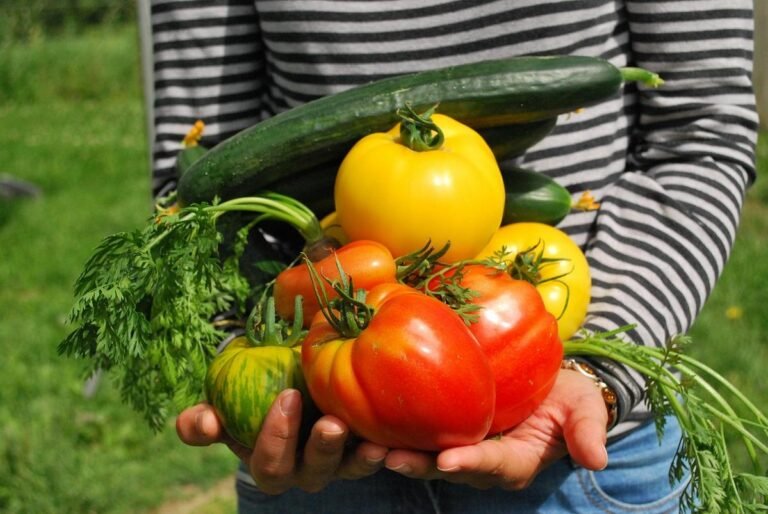
Harvest often, harvest young. Most vegetables — beans, peas, summer squash, cucumbers — produce more when picked young and often. Letting fruit get oversize signals the plant to slow new production. A daily 5-minute walk-through during peak season catches everything.
Succession plant quick crops. Lettuce, radishes, beans, and carrots all benefit from succession planting (a small new planting every 1–2 weeks). The first wave is finishing while the second wave is producing. A single planting harvested all at once gives you 2 weeks of one crop, then nothing.
Weed weekly, not monthly. Weeds in raised beds grow fast in the rich soil. A 10-minute weekly weed pull keeps things manageable; skip 3 weeks and the weeds have seeded and the bed needs significant work.
Water consistently. Raised beds dry out faster than ground beds. Drip irrigation on a timer is the most reliable solution — soaker hoses or drip lines deliver 5–10 minutes per day in hot weather, less in cool. Inconsistent watering causes blossom-end rot on tomatoes and split skins on root vegetables.
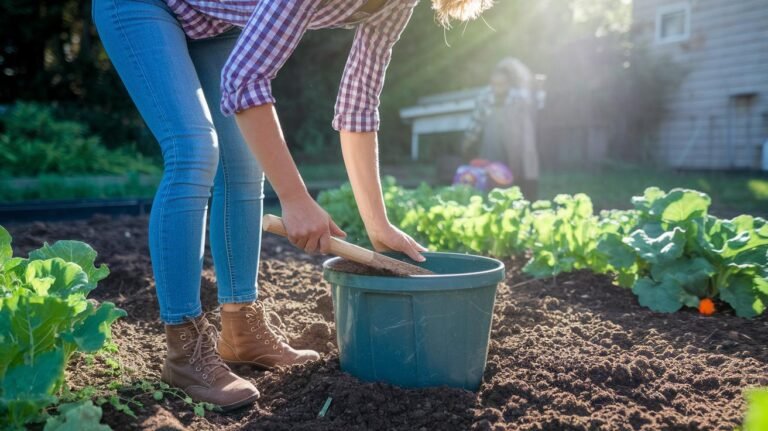
Refresh the soil annually. Add 2–3 inches of finished compost on top of the bed each spring and fall. The raised bed structure loses 1–2 inches of height per year as soil compacts; the compost addition restores it and adds nutrients. For more on soil refresh timing, see the raised bed soil guide.
Track what worked. A simple garden journal — even photos with dates — helps you remember which varieties did well, which crops bolted too fast, and what to plant differently next year. The notes pay off the second and third seasons more than the first.
Plan for crop rotation. Don’t plant the same crop family in the same spot two years running. Tomatoes, peppers, eggplant, and potatoes all share soil-borne diseases — rotating their position each year breaks the disease cycle. The cabbage family (broccoli, cauliflower, kale) has its own set of pests that build up in repeated soil. A simple three-year rotation across two beds keeps the cycle going: nightshades one year, brassicas the next, then legumes (peas, beans) the third year before circling back. Single-bed gardeners can rotate within the bed by season instead of by year.
FAQ
How many vegetables can I plant in a 4×8 raised bed?
Roughly 6–8 tomatoes, or 10–12 peppers, or 30–40 lettuce plants, or much more for densely-planted crops like carrots and radishes. Most home gardeners use mixed plantings — 3 tomatoes plus 5 peppers plus mixed quick crops in one bed produces well without overcrowding.
What vegetables grow best in a 4×8 raised bed?
Tomatoes, peppers, lettuce, carrots, radishes, cucumbers (trellised), bush beans, kale, chard, and herbs all suit a 4×8 bed well. Avoid huge crops like full-size pumpkins or sweet corn — they need more space than a 4×8 efficiently provides.
Can I grow tomatoes and peppers together?
Yes — both are in the same plant family (Solanaceae) and have similar water and sun needs. Plant peppers around tomato plants to make efficient use of space. Skip mixing them with brassicas (cabbage family) in the same bed, since both are heavy feeders that compete for soil nutrients.
How deep should a 4×8 raised bed be?
12 inches minimum for most vegetables; 18 inches better for tap-rooted crops (carrots, parsnips, daikon radishes). Tomatoes and other deep-rooted crops perform better in deeper beds. If you’re limited to a shallower depth, skip tap-rooted crops and stick to shallow-rooted vegetables.
How often should I water a 4×8 raised bed?
Daily in hot summer weather; every 2–3 days in cool spring and fall weather. Raised beds dry out faster than ground beds because of better drainage and more soil surface exposed to air. A drip irrigation system on a timer eliminates the guesswork — 5–10 minutes per day in summer, less in cool weather.
What’s the best soil for a 4×8 raised bed?
A mix of about 1/3 topsoil, 1/3 finished compost, and 1/3 coarse-grained drainage material (perlite, vermiculite, or coarse sand). This holds nutrients and moisture without compacting. For full mix ratios and how to refresh soil between seasons, the raised bed soil guide covers the details.
Can I plant vegetables and flowers together in a raised bed?
Yes — many flowers (marigolds, nasturtiums, calendula) deter pests and attract pollinators. Plant flowers around the bed edge or in unused corners. Avoid flowers that compete aggressively for nutrients (sunflowers, aggressive perennials).
How long does a 4×8 raised bed produce per season?
A well-managed bed produces from early spring (lettuce, radishes, peas) through late fall (kale, fall lettuce, root crops) — roughly March through November in most climates, with succession plantings extending each phase. Garlic planted in fall produces for next summer’s harvest, keeping the bed productive year-round in mild climates.