How Long to Grill Steak on a Charcoal Grill
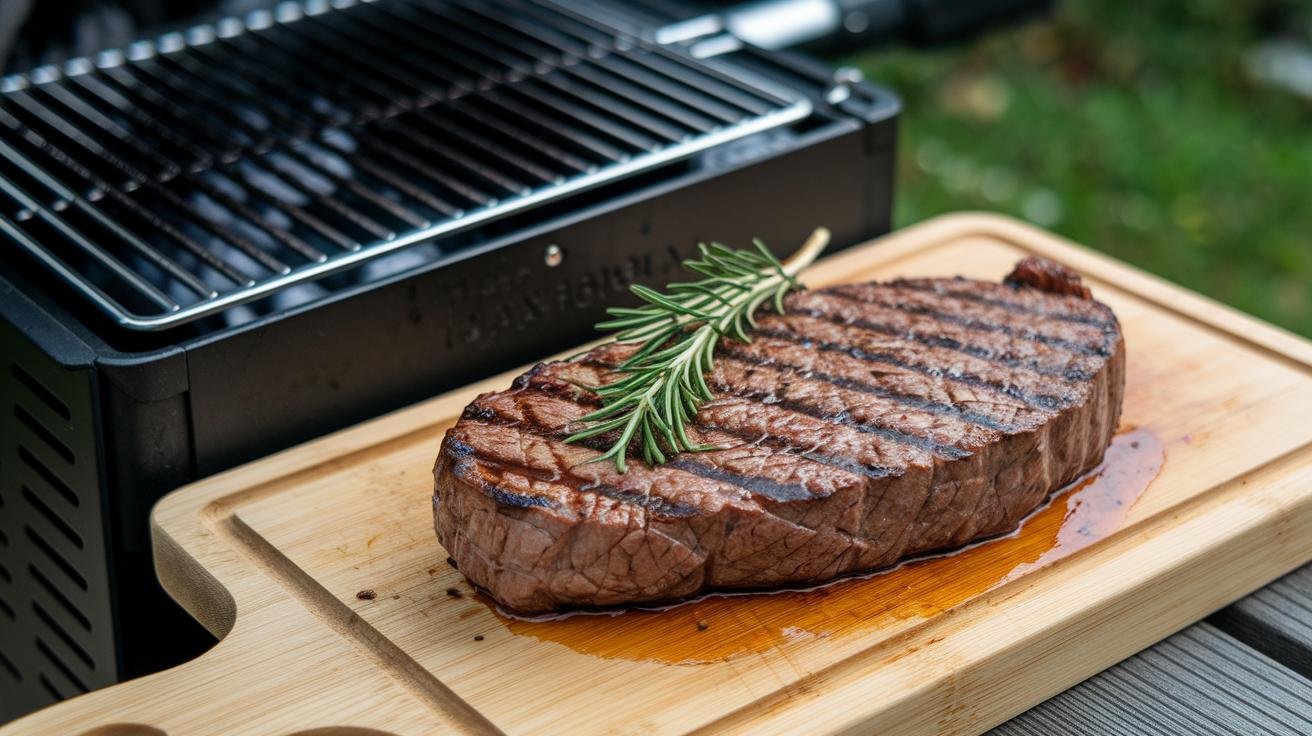
Ever pulled a steak off the grill only to find it gray and chewy instead of pink and juicy? I’ve been there — I ruined a few good ribeyes before the timing finally clicked. The short answer to how long to grill steak on a charcoal grill is this: for a one-inch cut, sear four to five minutes per side over hot coals, then rest it five minutes. That gets you a rosy medium-rare center just about every time. The rest of this guide is the why behind those numbers, plus the fire setup and temperature checks that make them reliable instead of lucky.
I’m Mitch, and I cook over charcoal most weekends. Steak is where charcoal really earns its keep — the dry, high heat builds a crust that gas struggles to match. Let me walk you through exactly how I do it.
As an Amazon Associate, Backyard Superstar earns from qualifying purchases at no extra cost to you.
How Long to Grill Steak on Charcoal, by Thickness
Thickness matters far more than the cut when it comes to timing. A ribeye and a New York strip of the same thickness cook in almost the same time, so measure the steak, not the label. Everything below assumes a hot direct-heat zone of roughly 450 to 500°F and a single flip — no poking, no flipping every thirty seconds. You’re building a crust on each side, and constant turning just interrupts that.
| Steak thickness | Time per side (direct heat) | Pull temp for medium rare |
|---|---|---|
| 1 inch | 4–5 minutes | 130–135°F |
| 1.5 inches | 6–7 minutes | 130–135°F |
| 2 inches | 6–7 min, then finish over indirect heat | 130–135°F |
Those times get you into the ballpark, but they’re a starting point, not gospel. Wind, coal age, and how cold the steak went on all shift the clock a little. That’s exactly why the thermometer in a later section matters — it turns “about five minutes” into “done right now.” For anything thicker than an inch and a half, lean on the two-zone setup: sear hard over the coals, then slide the steak to the cooler side to coast up to temperature without scorching the crust.
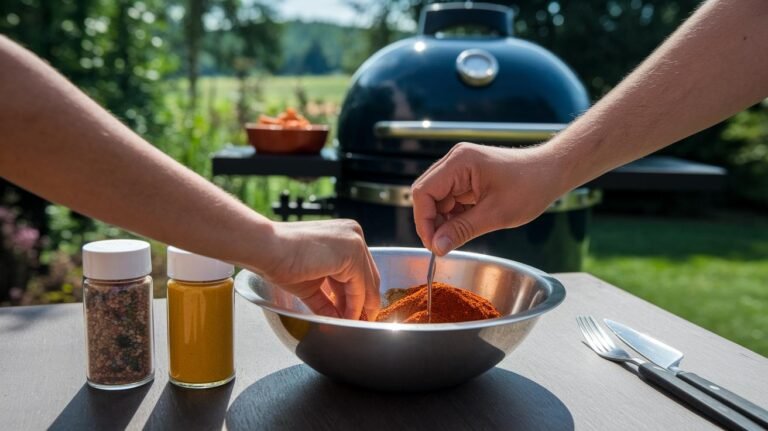
A quick word on prep, because it quietly changes your timing. Pull the steak from the fridge 20 to 30 minutes before it hits the grate — a cold center drags out the cook and leaves the outside overdone by the time the middle catches up. Season generously with coarse salt at least 40 minutes ahead if you can. The salt draws moisture to the surface, dissolves, then gets reabsorbed, seasoning the meat deeper and drying the exterior so it browns better. Short on time? Salt right before it goes on instead — salting in that awkward in-between window leaves the surface wet and works against your crust. A thin coat of high-smoke-point oil, like avocado or canola, helps the sear and keeps the steak from welding itself to the grate.
Building a Two-Zone Charcoal Fire
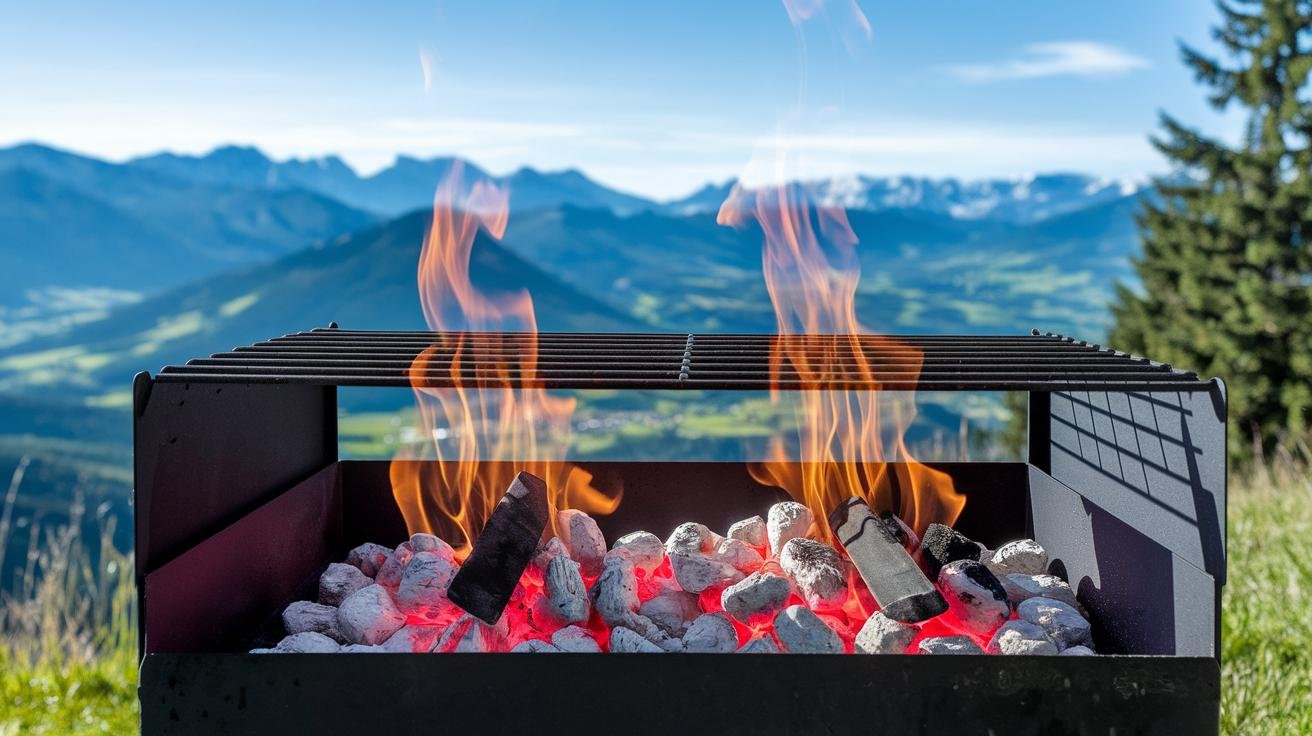
Everything good about grilled steak starts with the fire, and the setup I use every single time is a two-zone fire: coals banked on one side for a screaming-hot searing zone, the other side left bare for a cooler landing spot. That gives you somewhere to move the steak if flames flare up or the outside is browning faster than the inside is cooking. It’s the same heat-management trick behind a good backyard grilling station, just scaled down to a single kettle.
Skip the lighter fluid — it can leave a chemical taste on the meat, and you don’t need it. A Weber Rapidfire chimney starter ($$) lights a full load of coals with a couple sheets of newspaper in about fifteen minutes. Fill it, set it on the grate, and wait until the top coals are glowing under a thin coat of gray ash. Then dump them onto one side and you’re ready.
Fuel is a real choice here, not an afterthought. Lump charcoal lights fast and burns hotter, which is what you want for a hard sear — a dense hardwood lump like Jealous Devil lump charcoal ($$) can push well past 900°F and leaves very little ash to clog airflow. Briquettes burn cooler and steadier, which is handy for longer indirect cooks but less exciting under a steak. For a quick weeknight ribeye, I reach for lump nearly every time. Once the coals are set, open the vents to feed them oxygen; choking the airflow is the fastest way to lose your searing heat right when you need it.
Nailing Medium Rare: Temperature and Doneness Cues
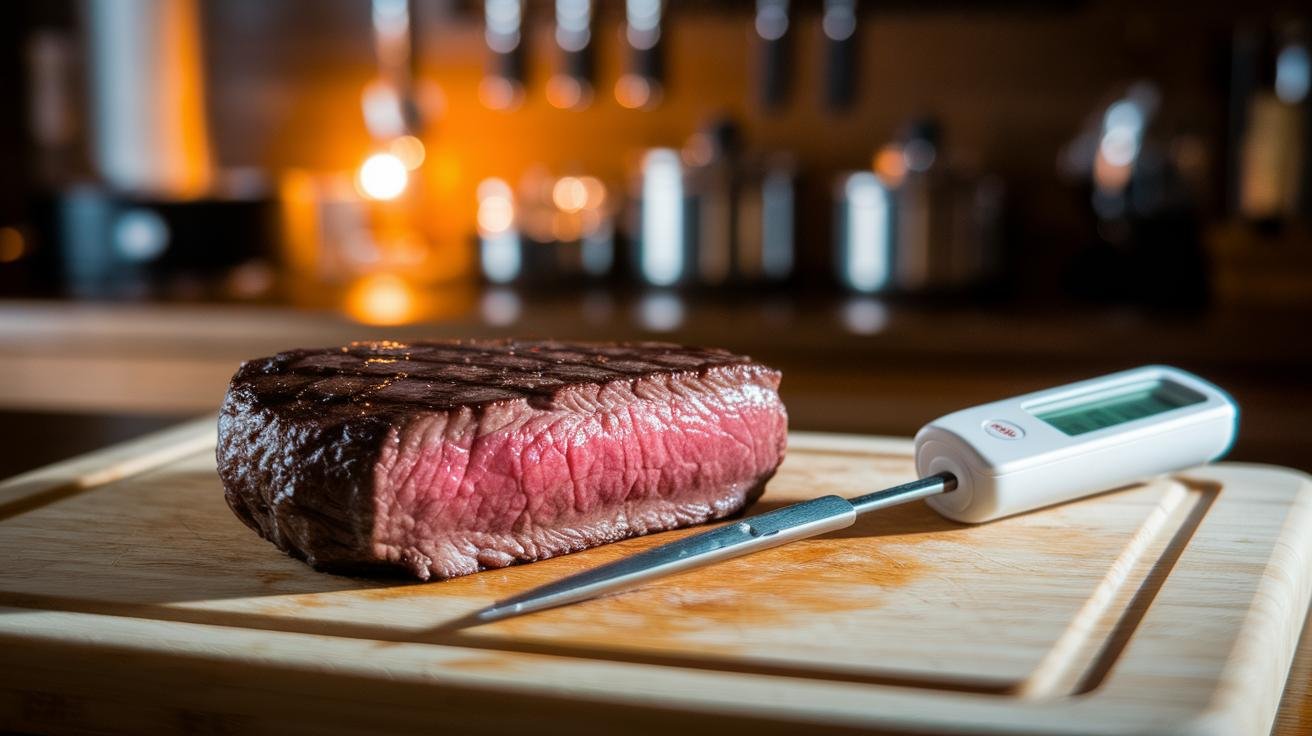
Here’s the truth that saves more steaks than any timing chart: doneness is about internal temperature, not minutes. Medium rare lives at 130 to 135°F in the thickest part of the steak. The single best upgrade you can make to your grilling is a fast instant-read thermometer ($$) — slide the probe into the center just as the sear finishes, and you stop guessing. On a breezy day when the coals are cooling unevenly, that little readout is the difference between a perfect pink center and an overcooked wallet-ruiner.
And if the table doesn’t all want the same thing, one thermometer covers every order. Pull around 120–125°F for rare, 130–135°F for medium rare, 140–145°F for medium, and 150–155°F for medium well — always a few degrees shy of your target, since the rest will carry it the rest of the way. Write those numbers on a card and tape it inside your grill lid until they stick; after a season of cooking, you won’t need it.
No thermometer within reach? You can still read a steak. Lift the edge with tongs and look for a warm, even color and tiny beads of juice starting to form on top; dark-red, wet-looking spots mean it needs more time. The touch test works too — press the steak with a fingertip, and medium rare gives with a soft, springy resistance, roughly like the fleshy pad at the base of your thumb when your hand is relaxed. It takes a few cooks to calibrate your finger, which is exactly why I still keep the thermometer handy.
Whatever you do, don’t cut into the steak on the grill to check it. Slicing early dumps the juices you worked to keep inside, and you’ll end up with a drier steak and a puddle on the board. Trust the temp, not the knife.
Resting, Slicing, and a Quick Herb Butter
Pull the steak at 130 to 135°F and tent it loosely with foil — loosely, so the crust doesn’t steam soft. Let it rest a full five minutes. Two things happen during that pause: carryover cooking nudges the internal temperature up another five degrees or so, landing it right in the medium-rare pocket, and the juices redistribute through the meat instead of running out the moment you cut. Skipping the rest is the most common way a well-grilled steak still ends up disappointing.
While it rests, make a two-minute compound butter. Mash a few tablespoons of soft butter with a minced garlic clove, chopped parsley, and a pinch of salt and cracked pepper. Drop a pat on the hot steak and let it melt into the crust. When you’re ready to serve, slice thin and against the grain — look at the direction the muscle fibers run and cut across them, which shortens each fiber and makes even a firmer cut chew tender. Fan the slices on a warm plate and spoon the buttery juices back over the top.
Reverse Sear and Wood Smoke for Bigger Flavor
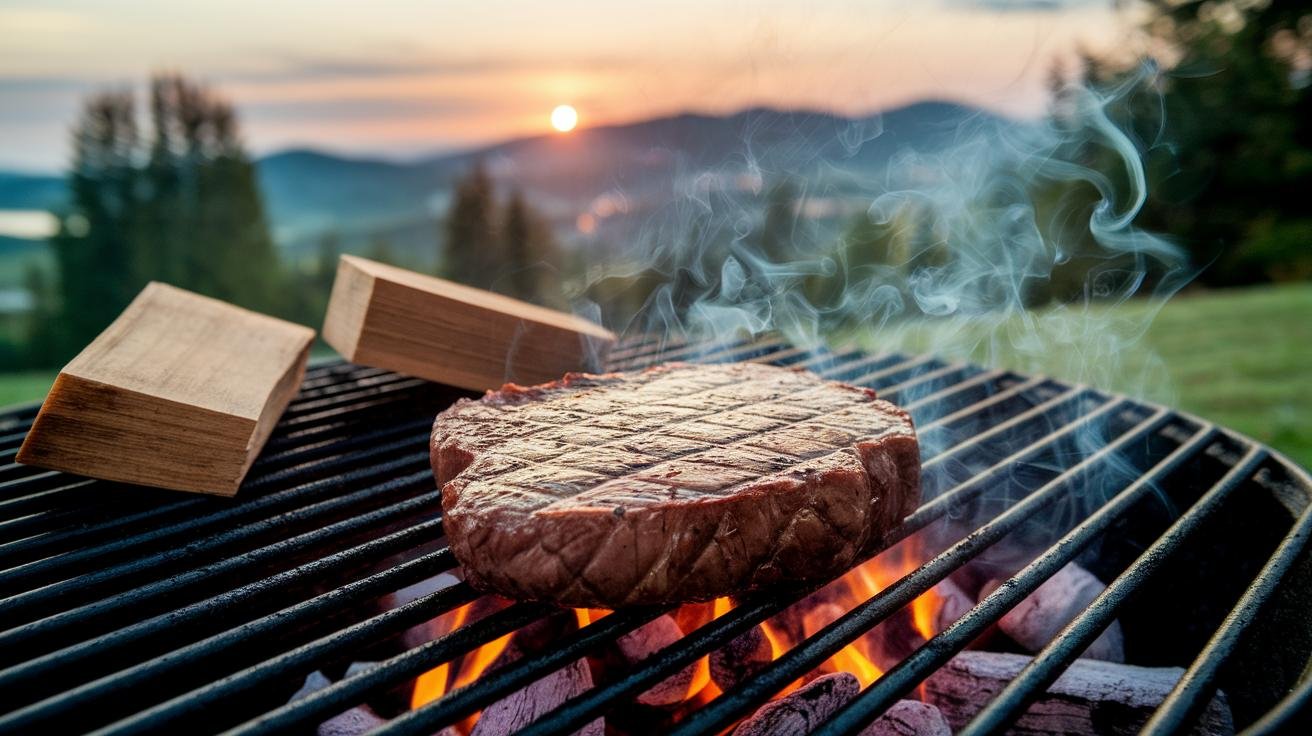
Once you’ve got the basics down, two techniques take a charcoal steak up a notch. The first is the reverse sear, and it’s my go-to for thick cuts — anything an inch and a half or more. Instead of searing first, you start the steak over the cooler, indirect side of the fire and let it climb slowly to about 115°F internal. Then you move it over the hot coals and sear each side for just one to two minutes. Because the inside is already warm, you get a deep, even crust without the gray overcooked band that a hard sear can leave under the surface. It’s slower, but on a two-inch ribeye it’s worth every minute.
The second is smoke. Charcoal already adds flavor, but a couple of wood chunks turn a good steak into something that tastes like it came off a backyard pit. Soak two or three hickory wood chunks ($) for about thirty minutes so they smolder instead of flaming, then nestle them right on the coals and put the lid on with the vent cracked. Hickory and oak give beef a bold, campfire note; if you want something gentler, apple or cherry work too. One caution: resist the urge to press down on the steak with a spatula to “hear it sizzle.” All that does is squeeze the juices into the fire. Let it sit, let it crust, and let the smoke do its thing. The same two-zone-plus-smoke approach is what I use for charcoal-grilled chicken and even shrimp on a charcoal grill.
Common Mistakes That Ruin a Good Steak
Most steak disasters come down to a handful of repeat offenders, and every one is easy to avoid once you know to watch for it:
- Grilling a cold steak. Let it sit out 20 to 30 minutes first — a fridge-cold center takes longer to reach temp and the outside overcooks while it catches up.
- A fire that isn’t hot enough. If the coals aren’t ashed over and ripping, you’ll steam the steak gray instead of searing it. Wait for the white ash.
- Flipping constantly. One flip. Each side needs uninterrupted contact to build a crust.
- Skipping the rest. Cutting in immediately spills the juices you just worked to keep in.
- Cutting with the grain. Even a perfect medium rare chews tough if you slice the wrong way.
Dodge those five and you’re most of the way to a steakhouse result in your own backyard. Round out the plate with a few charcoal grilled vegetable skewers on the cooler side of the fire while the steak rests.
Recommended gear for grilling steak
As an Amazon Associate, Backyard Superstar earns from qualifying purchases at no extra cost to you.
- Top pick — ThermoPro Instant-Read Thermometer ($$). The one tool that turns guesswork into a reliable 130–135°F medium rare.
- Budget pick — OXO Good Grips Grilling Tongs ($). Long reach and a firm grip for a clean single flip.
- For lighting — Weber Rapidfire Chimney Starter ($$). Hot coals in ~15 minutes, no lighter-fluid taste.
- For high-heat sear — Jealous Devil Lump Charcoal ($$). Dense hardwood lump that burns hot and low-ash for a hard crust.
- For smoke — Weber Hickory Wood Chunks ($). A couple on the coals add a bold, beefy campfire note.
Frequently Asked Questions
How long do I grill a 1-inch steak on a charcoal grill for medium rare?
Sear it 4 to 5 minutes per side over direct heat at about 450–500°F, flip once, and pull it at an internal temperature of 130–135°F before a 5-minute rest.
What internal temperature is medium rare?
130 to 135°F, measured in the thickest part with an instant-read thermometer. Pull the steak at that reading and let carryover cooking during the rest finish the job.
Should I use direct or indirect heat for steak?
Both. Sear over direct heat for the crust, then move thicker cuts to the indirect zone to finish cooking through without burning the outside.
How do I check doneness without cutting the steak?
Use an instant-read thermometer, or read the cues: a medium-rare steak gives with soft, springy resistance to the touch and shows a warm color with tiny juice beads on the surface.
Why should I rest a steak after grilling?
Resting 5 minutes under loose foil lets the juices redistribute and adds about 5°F of carryover cooking, so the steak stays juicy instead of bleeding onto the plate.
Which charcoal is best for steak?
Lump charcoal for a hot, fast sear; briquettes for a steadier, longer burn. For a quick weeknight steak, lump’s higher heat wins.
Measure your steak, build a two-zone fire, sear it hard, and check the temp — do those four things and medium rare stops being a gamble. Fire up the coals and give it a go at your next cookout.