Charcoal Grills Pros, Cons & Selection Guide
A charcoal grill costs less up front than a comparable gas grill, puts real smoke flavor on your food, and asks for more of your time and attention in return. That’s the whole trade in one sentence. I’ve run both for years — a gas grill on the side of the house for weeknight burgers, and a charcoal kettle I actually plan my Saturdays around. If you’re deciding whether charcoal is worth the extra fuss, this guide walks through what you gain, what you give up, the types of charcoal and how to light them, safe use, and how a charcoal grill stacks up against gas and kamado so you can buy the right one the first time.
As an Amazon Associate, Backyard Superstar earns from qualifying purchases at no extra cost to you.
Why People Stick With Charcoal
Gas is more convenient in every measurable way, and yet plenty of us keep a bag of charcoal in the garage. The reason comes down to three things, and flavor is the big one. When charcoal burns, it throws off smoke and aromatic compounds that gas combustion simply doesn’t produce, and that’s what gives a charcoal-grilled steak its backbone. Lump charcoal — carbonized hardwood with no binders — gets you closest to a wood-fired taste. Good briquettes come close, but to my palate they never quite catch up.
Heat is the second reason, and it’s the one people underestimate. A well-lit bed of coals will push past 700°F at the grate, hotter than most backyard gas grills can manage. That extra heat is exactly what you want for a proper crust on a ribeye, because the browning reaction that builds flavor really kicks in above 500°F. The first time I seared a steak over a full chimney of lump next to the same cut off my gas grill, the difference in the crust settled the argument for me.
The third reason is harder to put on a spec sheet: the ritual. Lighting a chimney, waiting for the coals to ash over, nudging the vents to hold your temperature — some cooks find that tedious, and some of us find it’s half the point. If you grill mostly on unhurried weekends, that slower rhythm is a feature, not a bug. If you’re feeding kids at 6 p.m. on a Tuesday, it’s going to wear on you fast, and that’s worth being honest with yourself about before you buy.
Types of Charcoal and How to Light It
Walk down the charcoal aisle and the choices blur together, but they really come down to lump versus briquettes. Lump charcoal lights faster, burns hotter, and leaves less ash, at the cost of inconsistent piece sizes — a bag might hold fist-sized chunks next to gravel, so some pieces burn down quicker than others. It sits at the premium end of the price range ($$–$$$ per bag). For high-heat searing I reach for a hardwood lump like Jealous Devil hardwood lump, which runs dense and hot and gives you a clean burn without a lot of dust in the bottom of the bag. If you’d rather not pay premium money for fuel, an all-natural budget lump like Royal Oak lump charcoal ($) does the job — just expect more size variation bag to bag.
Briquettes are the compressed, uniform pieces most people picture. Standard briquettes burn longer and more evenly than lump and cost less, but they throw more ash and, depending on the brand, can carry binders you may not want near your food. Natural or hardwood-only briquettes split the difference — consistent shape, honest ingredients, a middle price. The one product I’ll tell you to walk past every time is match-light charcoal that’s pre-soaked in lighter fluid. It’s convenient for about four minutes and then it taints everything you cook with a chemical edge. Skip it.
Lighting is where a lot of first-timers go wrong, and the fix is cheap. A chimney starter is the single best few dollars you can spend on charcoal cooking: you stuff a sheet of newspaper or a wax cube underneath, fill the top with charcoal, and in fifteen to twenty minutes you’ve got a load of glowing coals with zero lighter-fluid taste. I use a Weber Rapidfire chimney starter ($) and haven’t touched a bottle of lighter fluid in years. An electric starter is a fine alternative if you’d rather not keep newspaper around, and natural wax fire starters are a clean way to get a chimney going. Whatever you do, retire the lighter fluid — it’s the difference between food that tastes like smoke and food that tastes like a gas station.
What You Give Up for That Flavor
Now the honest half of the ledger, because the convenience gap between charcoal and gas is real and you’ll feel it. Startup is the first hit: figure twenty to thirty minutes from cold to cooking with a chimney, versus about ten for gas. On a relaxed Saturday that’s fine. On a weeknight with a hungry family circling the kitchen, that twenty minutes feels a lot longer than it reads on the page.
Temperature control is the other big one, and it never fully goes away. A charcoal fire is always slowly dying — coals burn down, heat drifts, and holding a steady 350°F for an hour means fiddling with the vents and sometimes adding fresh coals mid-cook. Gas holds whatever number you set it to and forgets about it. You get better at reading a charcoal fire with practice, but it stays an active job in a way gas never is. An instant-read thermometer takes most of the guesswork out of the food side of that equation; a ThermoPro instant-read thermometer ($) has saved more of my dinners than any other tool on the patio.
Then there’s the cleanup and the logistics. Every charcoal cook ends with a pile of ash to deal with and grates to scrub, where gas mostly just needs the lid closed. Charcoal bags eat up shelf space in the garage, wind makes lighting and holding heat harder, and if you run out of coals halfway through a cook you’re waiting on a fresh chimney. None of these are dealbreakers on their own. Stacked together, they’re the reason a lot of households end up owning both a charcoal grill for flavor and a gas grill for speed.
What Charcoal Grilling Actually Costs
Here’s the part people get wrong: charcoal looks cheaper, and up front it genuinely is, but the fuel adds up over the life of the grill. A basic charcoal kettle is one of the least expensive ways into serious backyard cooking, while a comparable gas grill costs several times as much on day one. I bought my first kettle for beer money and it’s still running.
Charcoal grills sort into three rough tiers. Budget kettles ($) are thin steel with a basic design and no frills — fine for learning, but they rust out and lose heat faster. Mid-range kettles ($$) step up to heavier steel, proper vent controls, and an ash catcher that makes cleanup bearable; this is the sweet spot for most people. Premium and oversized grills ($$$) bring heavy-gauge steel or cast iron, hinged grates, and multiple cooking zones for cooks who are out there every weekend.
For a first “real” charcoal grill, I point almost everyone to the same place: the Weber Original Kettle Premium 22″ ($$). It has a built-in thermometer, a genuinely good one-touch ash cleanup system, and the 22-inch bowl gives you room for two-zone cooking. It’s the grill I recommend more than any other because it does everything a beginner needs and nothing they don’t. If money is tight, the plain Weber Original Kettle 22″ ($) drops the thermometer and the fancier ash catcher but cooks on the identical bowl. And if you already know you’re going to be low-and-slow smoking as much as grilling, the Weber Master-Touch 22″ ($$$) adds a hinged grate, a better lid holder, and a dedicated charcoal-basket setup that makes managing a two-zone fire noticeably easier.
On fuel, expect a few dollars of charcoal per cook — a little more for lump, a little less for briquettes. Over a year of regular grilling the running cost lands higher than gas, but the money you saved buying the grill covers that difference for a good few years. The real takeaway: over a decade of ownership, charcoal and gas land in roughly the same neighborhood on total cost. Charcoal wins the day you buy it; gas wins a little on every cook after. So pick based on how you like to cook, not on which one looks cheaper on the shelf.
Grilling Safely With Charcoal
Charcoal brings a couple of safety issues that gas doesn’t, and they’re worth taking seriously because the failure modes are ugly. The big one is carbon monoxide — burning charcoal produces it, so a charcoal grill only ever belongs in a fully open outdoor space. Never light one in a garage, on a screened porch, or under a low awning, even with a door open. CO doesn’t announce itself, and “it seemed ventilated enough” is how people get hurt.
Hot coals are the other one. Long after the grill looks and feels cool, coals can stay hot enough to start a fire for a full day or more. Dump ash only into a metal container — never a paper bag or a plastic bin — and give it a couple of days before it goes near anything combustible. Keep the grill at least ten feet from the house and a few feet clear of fences and shrubs, because embers ride the wind farther than a gas flame ever will; the clearances in our fire pit placement and safety distances guide apply just as well to a charcoal grill. And if your only cooking spot is a wooden deck, run gas — the radiant heat under a charcoal grill can scorch decking even through a mat. A good pair of heat-resistant gloves and long-handled tools round out the setup and keep your hands well clear of the part that bites.
Charcoal vs. Gas vs. Kamado
If you’re still weighing grill types, it helps to see the three side by side. Gas is the convenience champion, charcoal is the flavor-per-dollar champion, and a kamado is the do-everything option that costs more and lasts longest. Here’s how they compare on the factors that actually change your buying decision.
| Factor | Charcoal | Gas | Kamado |
|---|---|---|---|
| Smoke flavor | Strong | Light (needs a smoker box) | Strong |
| Startup time | 20–30 min | ~10 min | 30–40 min |
| Max grate temp | 700°F+ | 550–650°F | 750°F+ |
| Low-and-slow smoking | Good | Limited | Excellent |
| Day-to-day convenience | Lower | Highest | Lower but very stable |
| Upfront cost | $–$$ | $$–$$$ | $$$ |
| Fuel cost per cook | $$ | $ | $$ |
| Typical lifespan | 5–15 years | 8–15 years | 15–25+ years |
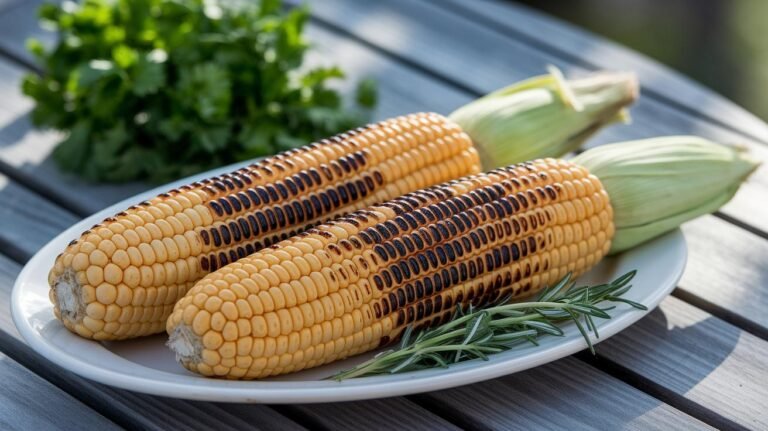
The short version: choose charcoal if flavor is your priority, you grill somewhere between once and a few times a week, and you want the lowest cost of entry for genuinely good results. Choose gas if you’re firing it up several nights a week and convenience beats flavor — our gas grills guide digs into that case. And choose a kamado if you want one machine that sears, smokes, bakes, and holds temperature like a champ, which the kamado grills guide covers in full. If you’re building a permanent outdoor cooking setup around whatever you pick, the grilling station design guide is where I’d start, and the charcoal grilled corn recipe is a quick way to taste what the coals actually add.
Recommended gear for charcoal grilling
As an Amazon Associate, Backyard Superstar earns from qualifying purchases at no extra cost to you.
- Top pick — Weber Original Kettle Premium 22″ ($$). Built-in thermometer, easy ash cleanup, room for two-zone cooking — the grill I recommend first.
- Budget pick — Weber Original Kettle 22″ ($). Same bowl and cook quality, minus the thermometer and fancier ash catcher.
- Premium pick — Weber Master-Touch 22″ ($$$). Hinged grate and charcoal baskets make two-zone and low-and-slow much easier.
- Best accessory — Weber Rapidfire chimney starter ($). Ready coals in 15–20 minutes with no lighter-fluid taste.
- Best fuel — Jealous Devil hardwood lump charcoal ($$). Dense, hot, clean-burning lump for searing; Royal Oak lump ($) is the budget stand-in.
- Worth owning — ThermoPro instant-read thermometer ($). Takes the guesswork out of a shifting charcoal fire.
FAQ
Do charcoal grills taste better than gas grills?
Most cooks would say yes. Charcoal combustion produces smoke and aromatic compounds that gas doesn’t, and the difference shows up most on shorter cooks like steaks, burgers, and chicken pieces where the surface takes on real smoke. On long cooks the gap narrows, because the food spends enough time picking up flavor either way.
What’s the difference between lump charcoal and briquettes?
Lump charcoal is pure carbonized hardwood — it lights faster, burns hotter, leaves less ash, and tastes cleaner, but the piece sizes are inconsistent so parts of the bed burn quicker than others. Briquettes are compressed sawdust with binders: they burn longer and more evenly, cost less, and produce more ash. Natural briquettes with no chemical binders are a solid middle ground.
How long does charcoal take to be ready?
About 15–20 minutes in a chimney starter, 25–30 minutes with newspaper and scraps, and roughly 10 with an electric starter. The coals are ready when they’re coated in gray ash and glow bright orange when you fan them. Cook before that and you get uneven heat — plus a chemical taste if any lighter products were involved.
How much charcoal do I need per cook?
A couple of pounds of lump or a few pounds of briquettes covers a typical one-hour cook for four to six people. For long, low-and-slow cooks, use the minion method: pour a load of unlit coals in the grill, then top them with a partial chimney of lit ones so the fresh coals catch gradually and stretch your burn time.
Is charcoal grilling bad for the environment?
Charcoal does produce higher emissions per cook than gas, and sourcing matters — FSC-certified or domestically made lump is a better choice than imported tropical hardwood charcoal. If you want to limit the impact, save charcoal for weekends and lean on a gas grill during the week, or commit to one grill and buy fuel responsibly.
How do I dispose of charcoal ash safely?
Wait a couple of days after the last coal dies out — coals can hold enough heat to start a fire for well over 24 hours even when the grill feels cool. Move the cold ash into a metal container, never paper or plastic. Small amounts of plain wood-charcoal ash can go in the compost; larger amounts go to yard waste or the trash.
Can I use a charcoal grill on a wooden deck?
Not safely. Charcoal grills belong on non-combustible surfaces like a paver patio, concrete, or gravel, with a few feet of clearance from anything that burns. The heat radiating down from the bowl can scorch decking even through a protective mat. If a deck is your only option, use a gas grill, which runs cooler underneath.
What accessories actually matter for a charcoal grill?
Three earn their keep. A chimney starter ends your relationship with lighter fluid and hands you ready coals in under twenty minutes. An instant-read thermometer saves more meat from overcooking than any other tool. And a sturdy pair of long-handled tongs plus a heatproof glove keep your hands out of the heat. You can skip lighter fluid, “instant light” charcoal, and most specialty cleaners — a stiff brush and water handle the rest.
How does a charcoal grill compare to a dedicated smoker?
A charcoal grill can smoke with a two-zone setup — coals and a wood chunk on one side, food on the other — and it does short smokes like chicken and ribs well. For very long cooks like brisket or pork shoulder, temperature drift becomes a chore, and a dedicated smoker or a kamado holds steady heat far better across a 12-hour session. If you want one machine that grills and seriously smokes, the kamado is the split-the-difference pick.