How to Plant a Victory Garden in Any Yard
A victory garden isn’t a history exhibit — it’s the most practical patch of ground you can dig. During World War II, roughly twenty million American households grew a big share of the country’s fresh vegetables in backyards, vacant lots, and window boxes. I keep coming back to that number because it proves the point: ordinary people with ordinary yards fed themselves, and you can too. If you want to plant a victory garden this season, the work breaks down into a handful of decisions about sun, soil, and which crops to trust first. Get those right and the rest mostly takes care of itself.
I’ve grown some version of this garden for years — part nostalgia, mostly because homegrown produce tastes better and costs less than the grocery run. Below is how I’d set one up from scratch, whether you’ve got a half-acre or a fire escape.
As an Amazon Associate, Backyard Superstar earns from qualifying purchases at no extra cost to you.
What a Victory Garden Really Is
Strip away the wartime posters and a victory garden is just a food garden with a mission behind it. In the 1940s that mission was national: home growers took pressure off a commercial food supply strained by rationing and troop demand, and the government handed out seeds and pamphlets to make it happen. Neighbors turned lawns, schoolyards, and public parks into vegetable rows. It worked because it was decentralized — millions of small plots adding up to real tonnage.
The reasons people plant one today are different but rhyme with the old ones. Grocery prices climb, supply chains hiccup, and there’s a quiet satisfaction in walking out the back door for dinner instead of driving for it. A victory garden gives you fresher food, a smaller grocery bill, and a buffer against the weeks when lettuce somehow costs four dollars a head. It also happens to be one of the cheapest hobbies going once you’re past the first season’s setup. That’s the whole pitch — no wartime required.
Planning Your Victory Garden Layout
Before you buy a single seed, spend an afternoon watching your yard. The one variable that makes or breaks a vegetable garden is sunlight, and most crops want at least six hours of direct sun a day — fruiting plants like tomatoes and peppers push that closer to eight. Walk out at 9 a.m., noon, and 4 p.m. and note where the shadows fall. The spot that stays bright longest is your garden, even if it’s not where you pictured it.
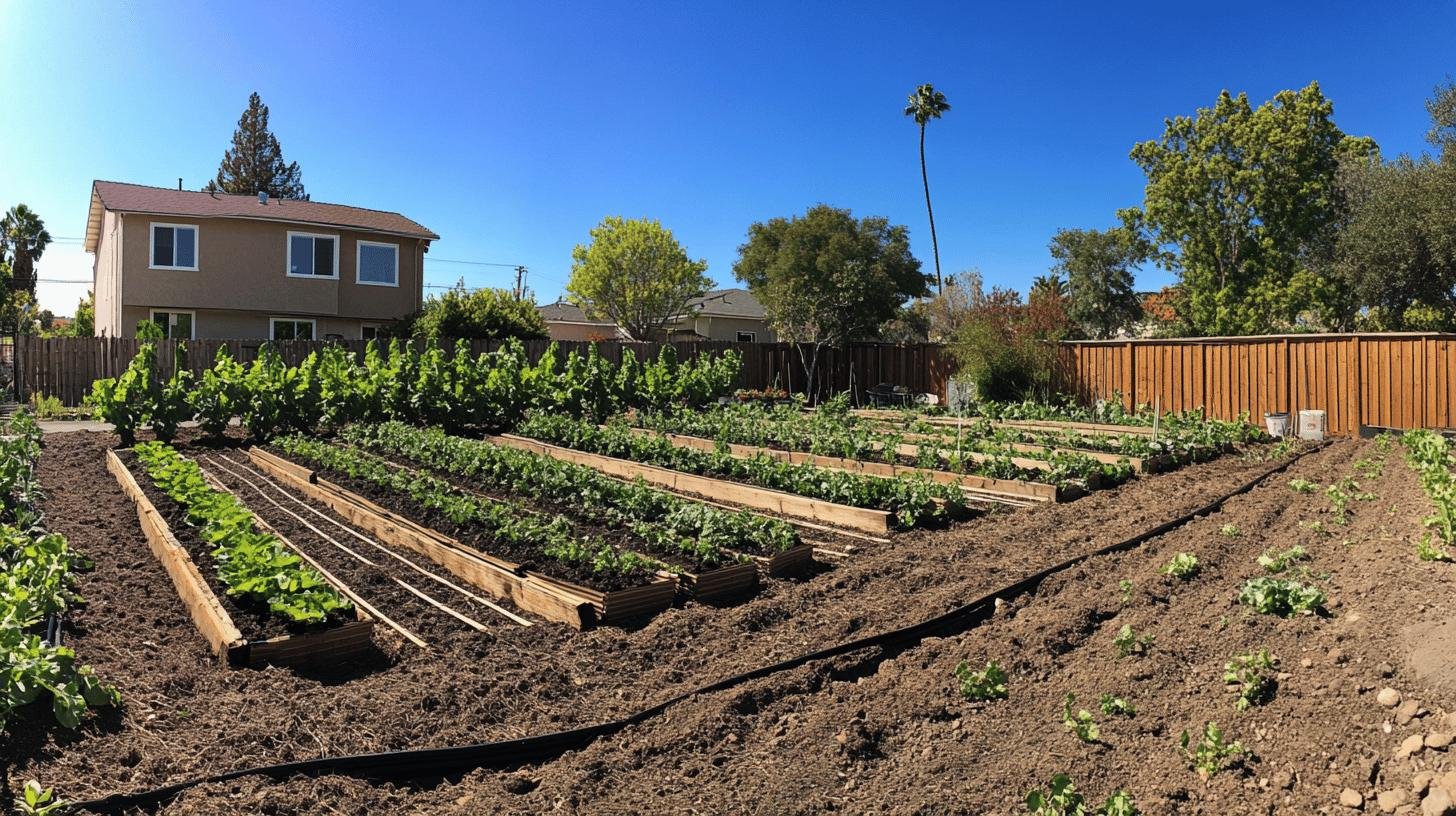
After sun, think about water and reach. A bed you have to haul a hose fifty feet to reach is a bed you’ll neglect by July, so put the garden within an easy hose-length of a spigot. Give yourself paths wide enough to kneel and harvest without trampling plants, and don’t cram rows so tight that air can’t move between them — crowded, stagnant plantings are how fungal problems get started. If your native ground is rocky or waterlogged, skip the in-ground fight entirely and build a raised garden bed you can fill with good soil from day one.
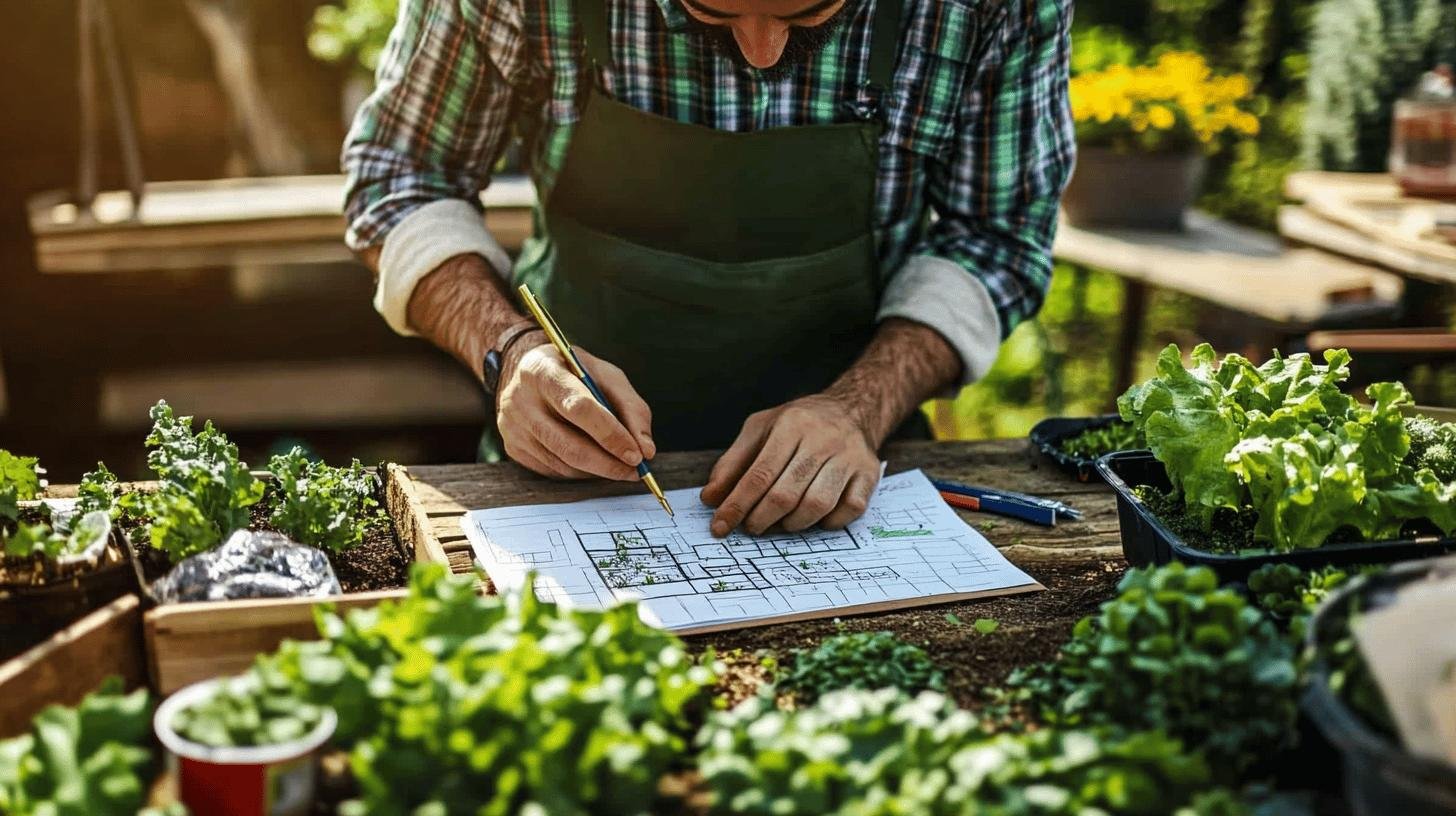
I sketch every garden on paper first, and I’d tell any beginner to do the same. A rough map — beds, paths, where the tall stuff goes so it doesn’t shade the short stuff — surfaces problems while they’re still free to fix. Graph paper works fine; so does the back of an envelope. The point is to think it through before the shovel comes out.
The Vegetables Worth Planting First
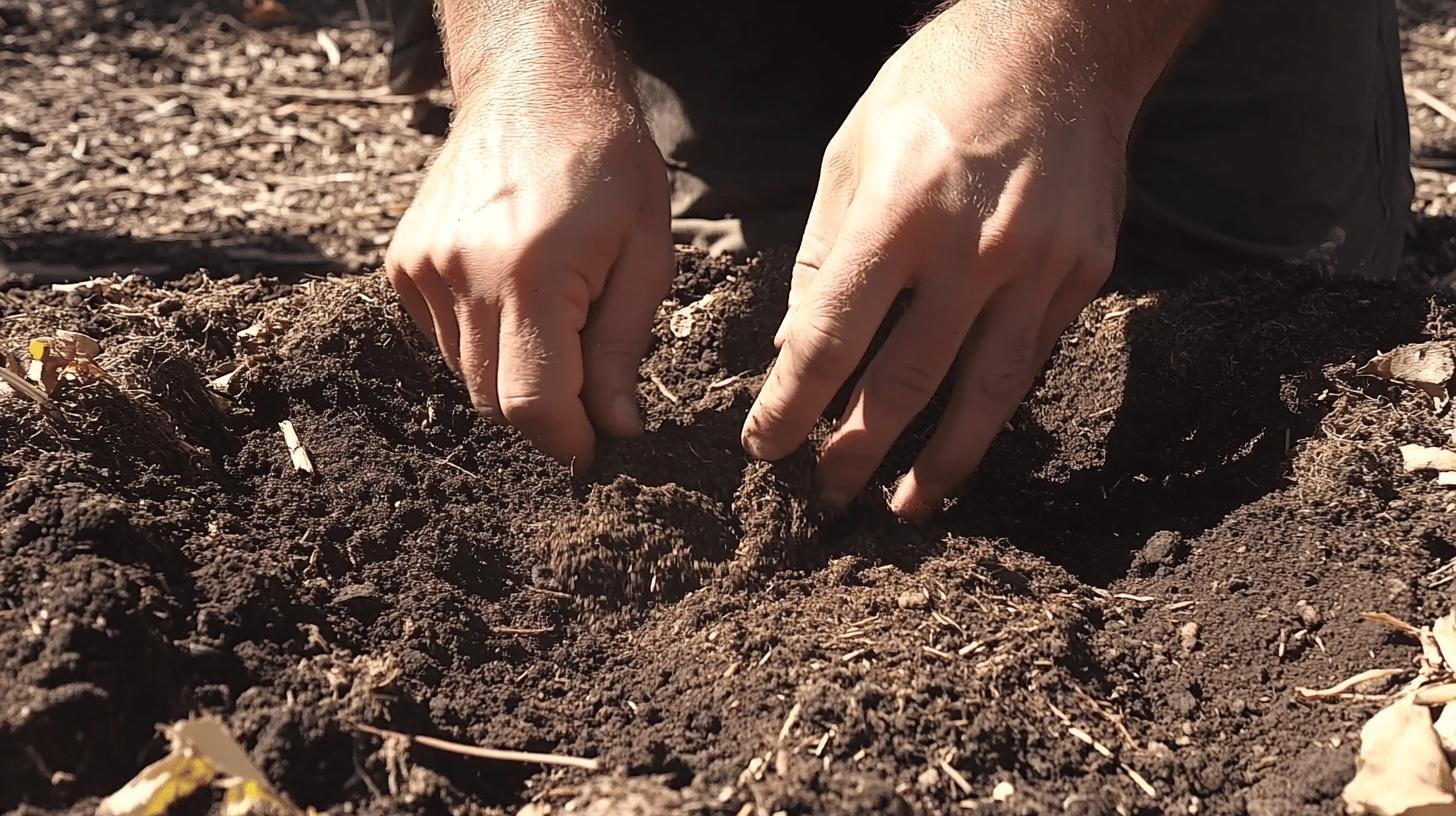
The fastest way to quit gardening is to wait two months for your first harvest and lose interest. So I front-load a victory garden with quick wins. Radishes go from seed to plate in about a month. Loose-leaf lettuce and other salad greens keep pace, and you can cut them a few leaves at a time instead of pulling the whole plant. Bush beans and peas aren’t far behind. These crops build the confidence — and the momentum — that carries you into the slower, more rewarding stuff like tomatoes and squash.
Here’s a quick reference for how long the workhorse crops take from seed to first harvest:
| Vegetable | Approx. time to harvest | Why plant it |
|---|---|---|
| Radishes | ~30 days | Fastest possible win; great for kids |
| Loose-leaf lettuce & greens | ~30 days | Cut-and-come-again; weeks of salads |
| Bush beans | ~50–60 days | Heavy yield, low fuss, feeds the soil |
| Peas | ~45–60 days | Cool-season crop; plant early |
| Tomatoes | ~80–90 days | The payoff crop of summer |
| Summer squash | ~50–65 days | Almost embarrassingly productive |
Match your picks to your climate and, honestly, to your dinner table — there’s no sense growing eggplant if nobody in the house eats it. If you’re starting cold and want a curated mix rather than a dozen separate seed-rack decisions, a multi-variety heirloom set like the Survival Garden Seeds 30-Variety Heirloom Pack ($$) covers cool- and warm-season crops in one box, and because they’re open-pollinated you can save seed from this year’s plants for next year. That last part is very much in the victory-garden spirit. For a deeper look at the most forgiving crops, my guide to easy vegetables to grow from seed goes crop by crop.
Building Soil That Actually Grows Food
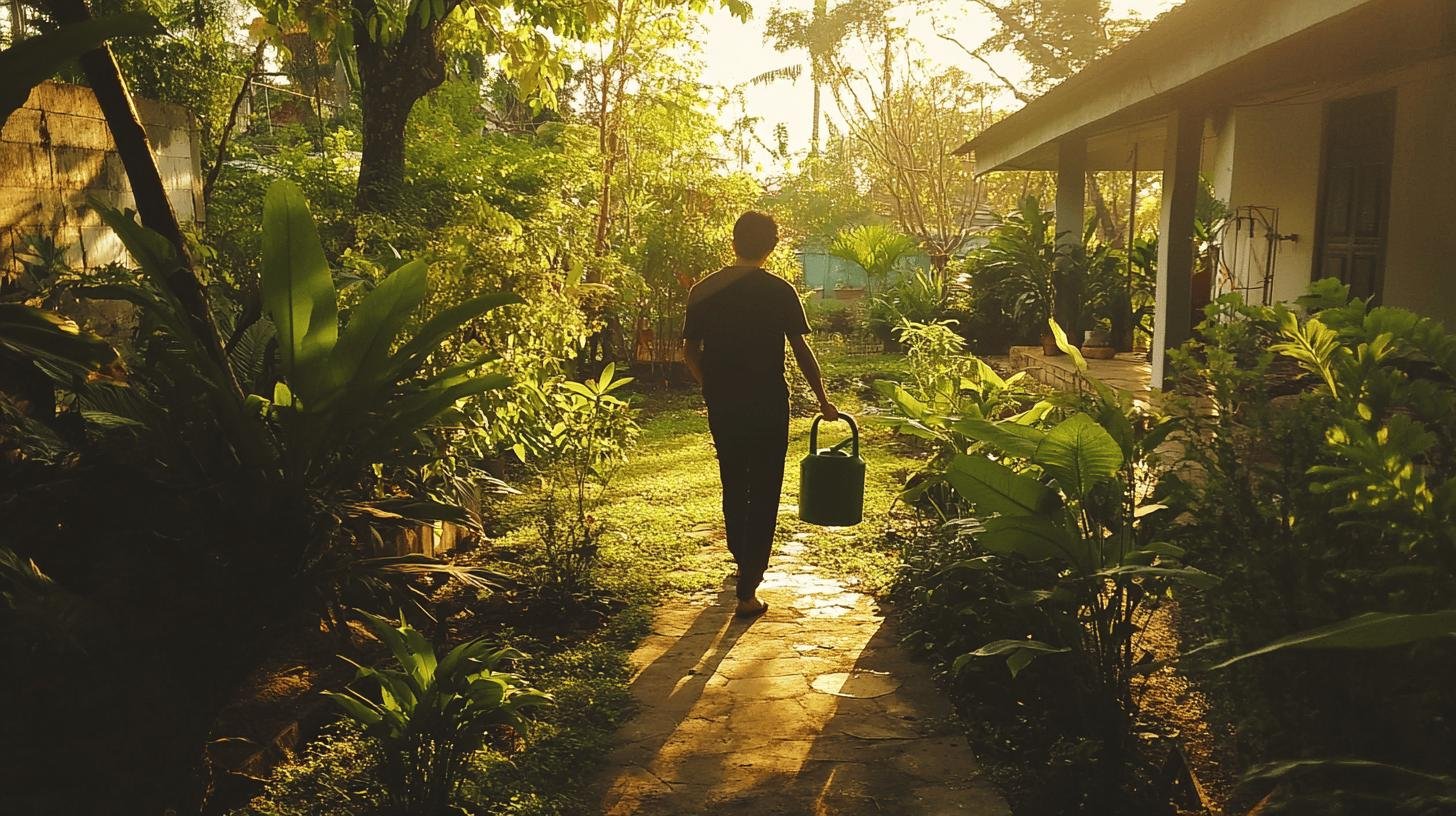
Everything above ground rides on what’s below it. Healthy soil isn’t dirt — it’s a living system of bacteria, fungi, and worms that pry nutrients loose and hand them to your plants’ roots. Feed that system and it feeds you back; ignore it and you’ll be pouring on fertilizer all summer chasing yellow leaves.
Start by finding out what you’re working with. A cheap test tells you your pH and where your nutrients stand, which saves you from guessing. Most vegetables want a pH between about 6.0 and 7.0, and a mail-in kit like the Soil Savvy Soil Test Kit ($) comes back with an actual fertilizer recommendation instead of a color chart you have to interpret. If you’d rather DIY the reading, here’s how to test your soil pH at home.
Whatever the test says, the fix usually starts with organic matter. I work two to three inches of compost into every bed at the start of the season and top it up midseason. Well-rotted manure does the same job — a bag of composted product like Black Kow Composted Cow Manure ($) is an easy way to add fertility without torching young roots the way fresh manure will. I learned that one the hard way, scorching a whole row of seedlings with manure that hadn’t finished breaking down. Once your plants are in, a two-inch mulch layer holds moisture, smothers weeds, and keeps the soil temperature steady — three chores handled by one wheelbarrow of straw or shredded leaves.
Planting Techniques That Stretch a Small Garden
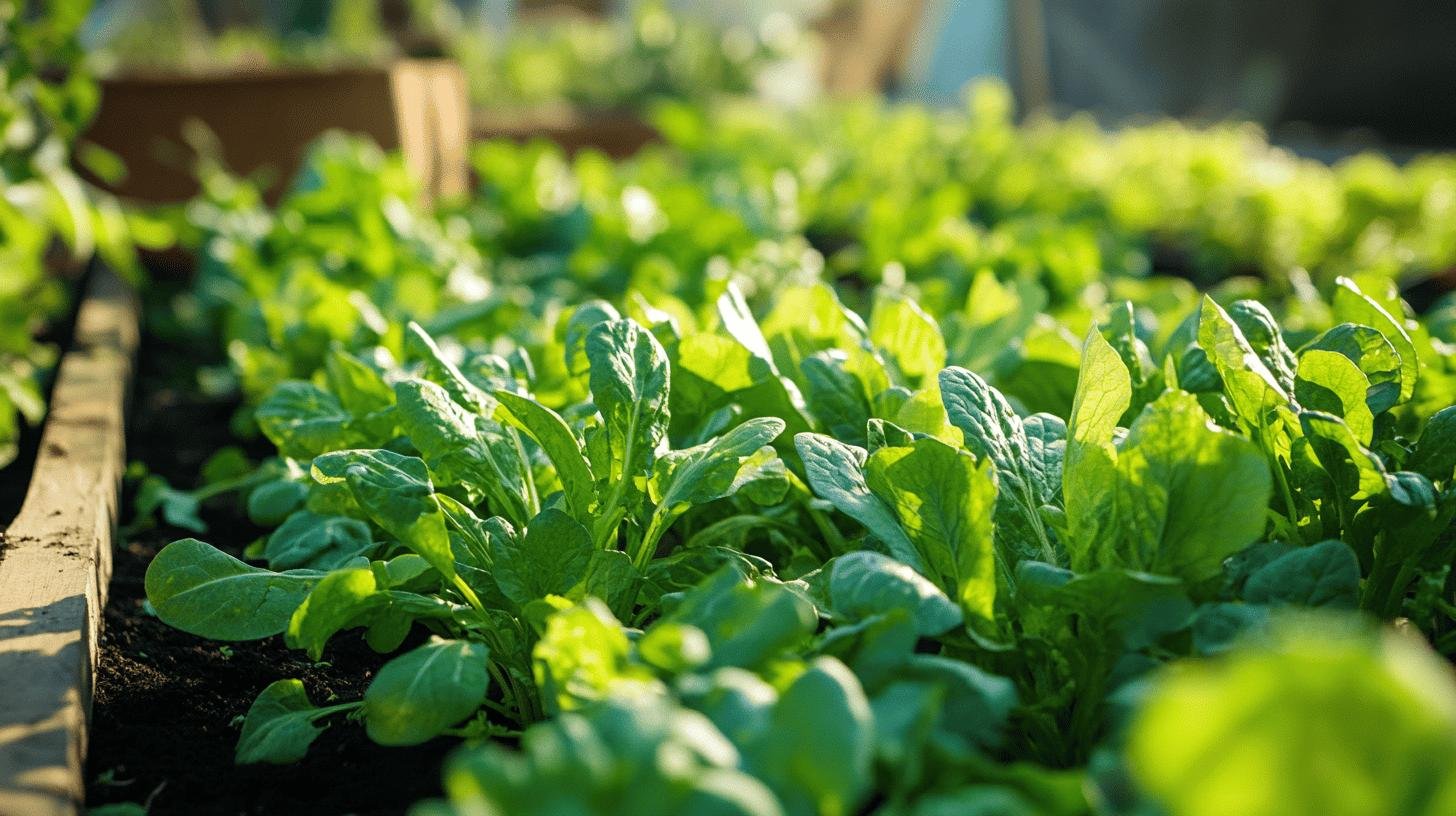
A victory garden earns its name by producing more than its square footage suggests it should, and that comes down to technique. Companion planting is the first lever: some plants genuinely help their neighbors, like basil tucked among tomatoes or beans that pull nitrogen out of the air and leave the soil richer than they found it. Crop rotation is the second — move your tomatoes and other heavy feeders to a new spot each year so pests and diseases can’t settle in and the soil doesn’t get mined of the same nutrients season after season.
The technique that changed my gardens most, though, is succession planting: instead of sowing a whole packet of radishes or lettuce at once, I sow a short row every two weeks. That turns a single overwhelming harvest into a steady trickle you can actually eat before it bolts. Intercropping stacks the same trick in space — pair a fast crop like radishes with a slow one like carrots in the same row, and you’ll pull the radishes long before the carrots need the room.
You can start most of this straight in the ground, but starting seeds indoors buys you weeks of season, especially in the north. A self-contained setup like the VIVOSUN Seed Starting Tray with Grow Light and Heat Mat ($$) gives seedlings the steady 65–75°F and bright light they need to come up stocky instead of leggy — then they harden off and move outside once the frost date passes. When it’s time to transplant, a sturdy hand tool earns its keep; I’ve beaten a lot of flimsy trowels to death and finally settled on the Fiskars Ergo Garden Trowel ($), which has a cast-aluminum head that won’t bend when it hits a root.
Keeping the Garden Going All Season
Planting is the easy part. What separates a garden that feeds you in August from one that fizzles in June is the boring, steady maintenance — and the biggest piece of that is water. Most vegetables want roughly an inch of water a week, delivered deep and consistent rather than a daily splash. Stick a finger two inches into the soil; if it’s dry down there, water, and if it’s damp, wait. The single best upgrade I ever made was putting the watering on a timer. A Raindrip Automatic Watering Kit with Timer ($$) drips water straight to the roots at dawn whether or not I remember, which keeps the garden alive through vacations and takes the guesswork out of a heat wave.
The rest of maintenance is a rhythm you fall into: pull weeds while they’re small and shallow, before they steal water and light from your crops. Walk the beds every few days and look under leaves for the first sign of pests, so you catch an infestation at ten bugs instead of ten thousand. Pinch off dead or diseased growth to keep plants putting energy into food. And side-dress your heavy feeders with a little compost midseason — a garden that’s cranking out tomatoes is spending nutrients fast, and a top-up keeps it from stalling. None of this takes long. Fifteen minutes every couple of days beats a lost weekend of rescue work.
Growing a Victory Garden in Small Spaces
You do not need a yard to plant a victory garden. Some of the most productive setups I’ve seen live on balconies, patios, and rooftops, grown entirely in containers. The rules shift a little in pots: they dry out far faster than open ground, so container gardens usually need watering every day in summer heat, and the nutrients wash out quicker, so they want feeding more often. Give them the same six-plus hours of sun and the right pot size — a five-gallon container for a tomato, something smaller for herbs and greens — and they’ll produce.
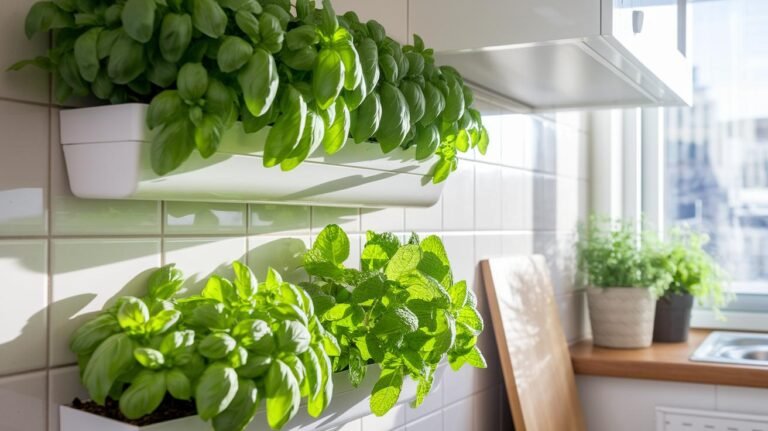
Lean on varieties bred for tight quarters. Dwarf and bush tomatoes, compact peppers, and container cucumbers give you real yield without sprawling across the whole balcony, and herbs like basil, parsley, and chives are practically made for a sunny windowsill. If tomatoes are your target crop, my walkthrough on growing tomatoes in pots covers the container sizes and feeding schedule that keep them cranking. A few well-tended pots can put a surprising amount of food on the table — proof that the victory-garden idea scales down to whatever space you’ve actually got.
Recommended gear for your victory garden
As an Amazon Associate, Backyard Superstar earns from qualifying purchases at no extra cost to you.
- Best starter seeds — Survival Garden Seeds 30-Variety Heirloom Pack ($$). Cool- and warm-season crops in one box, open-pollinated so you can save seed.
- Know your soil — Soil Savvy Soil Test Kit ($). Mail-in test that comes back with a real fertilizer recommendation, not a guess.
- Feed the bed — Black Kow Composted Cow Manure ($). Fully composted, so it enriches soil without burning young roots.
- Start seeds early — VIVOSUN Seed Starting Tray with Grow Light & Heat Mat ($$). Steady warmth and light for stocky seedlings weeks ahead of the frost date.
- Dig & transplant — Fiskars Ergo Garden Trowel ($). Cast-aluminum head that won’t bend against roots or rocky ground.
- Water on autopilot — Raindrip Automatic Watering Kit with Timer ($$). Drips to the roots at dawn so the garden survives heat waves and vacations.
Frequently Asked Questions
How do I start a victory garden from scratch?
Pick the sunniest spot in your yard that gets at least six hours of direct light, sketch a simple layout, improve the soil with compost, and sow a few fast, forgiving crops like radishes and lettuce first. Build from there as your confidence grows.
What are the best vegetables for a victory garden?
Fast, reliable crops earn their spot first: radishes, loose-leaf lettuce, bush beans, and peas all produce quickly, while tomatoes and summer squash deliver the bigger midsummer payoff. Grow what your household actually likes to eat.
How big should a victory garden be?
As big or small as your space and appetite allow — a few containers on a balcony or a 10-by-10-foot plot in the yard both count. Start smaller than you think you want; it’s easier to expand a garden you can keep up with than to rescue one you can’t.
Can I grow a victory garden in containers?
Absolutely. Give pots the same six-plus hours of sun, choose dwarf or bush varieties, and plan on daily watering and more frequent feeding, since containers dry out and lose nutrients faster than in-ground beds.
How much money can a victory garden actually save?
It varies with what and how much you grow, but a modest garden of high-value crops — salad greens, tomatoes, herbs — can offset a meaningful chunk of a household’s produce spending once you’re past the first season’s setup costs. The seed-saving habit lowers the bill further every year.
When is the best time to plant a victory garden?
Cool-season crops like peas, lettuce, and radishes go in as soon as the soil can be worked in early spring; warm-season crops like tomatoes and squash wait until after your area’s last frost date. Check your local frost dates and let them set the calendar.