How Wool Pellets Work as Garden Fertilizer
Wool pellets are an organic garden fertilizer made from compressed sheep fleece — the same material that becomes wool sweaters, but using grades too coarse for textiles. They deliver a slow steady supply of nitrogen over 4–6 months, hold up to 30 times their weight in water, and break down into soil-building organic matter as they decompose. For gardeners looking for a single amendment that feeds plants, improves soil structure, and reduces watering needs, wool pellets do more in one product than most organic fertilizers do separately. Here’s how they work, when to apply them, how they compare to other organic options, and where to buy them.
What Wool Pellets Are and How They’re Made
Wool pellets start as raw fleece collected during the sheep shearing process. Each year, sheep producers shear their flocks for the textile market, but a significant portion of any fleece is too coarse, too short, or too contaminated with vegetable matter to be sold for clothing. That portion — historically discarded or sold cheaply as packing material — is now the primary feedstock for pellet manufacturers.
The processing is mechanical, not chemical:
- Raw wool is sorted to remove the worst contamination (large debris, severe matting).
- The fibers are lightly shredded to shorten them, making them easier to compress uniformly.
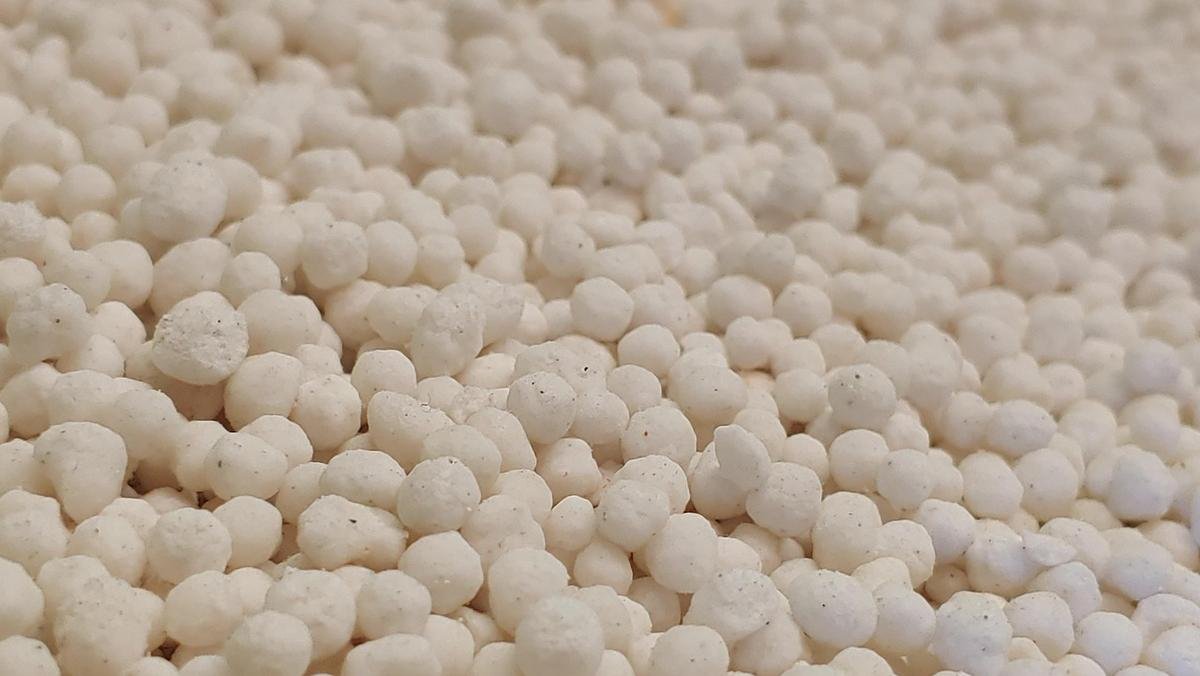
- The shredded fibers go through a pelletizing press, which uses high pressure to compress them into small cylindrical pellets — roughly the size of rabbit feed.
- The natural lanolin (the waxy oil in sheep’s wool) binds the fibers together without any glue or chemical binder.
The result is a granular product that stores indefinitely in a sealed bag, doesn’t smell, and breaks apart predictably when it contacts moist soil. No synthetic additives, no fillers, no minerals quarried from anywhere.
NPK Content and Slow-Release Action
Wool pellets typically test around 9-0-2 NPK — 9% nitrogen, 0% phosphorus, 2% potassium. Different suppliers and wool grades produce slight variation, with most products falling between 9-0-2 and 9-1-2 on independent lab tests.
The slow-release mechanism works through microbial decomposition. Wool is essentially protein (keratin), and soil bacteria and fungi feed on the protein structure, releasing nitrogen into the soil as plant-available ammonium and nitrate over time. The decomposition takes about 4–6 months under normal soil temperatures and moisture conditions, longer in cold or dry conditions.
That steady release is the practical advantage over fast-release organic options. Blood meal (one of the most common organic nitrogen sources at 12-0-0) releases its full nitrogen load in 2–6 weeks — fine for kickstarting growth but risks fertilizer burn if you over-apply. Wool pellets at the same nitrogen weight per pound spread the same nutrient delivery across 4–6 months, with almost no burn risk even at double application rates.
One trade-off: the near-zero phosphorus content means wool pellets aren’t a complete fertilizer for plants that need significant phosphorus — like tomatoes setting fruit or newly planted shrubs growing roots. For those, pair wool pellets with a phosphorus-rich amendment like bone meal (3-15-0) or rock phosphate.
How Wool Pellets Improve Soil and Moisture Retention
Beyond the NPK feeding, wool pellets do two things to soil that most fertilizers don’t: hold water and build organic matter.
Water retention. Wool fibers are hygroscopic — they absorb up to 30 times their weight in water. When pellets are mixed into garden soil and then watered, they swell into small moisture reservoirs that slowly release water back into the root zone as the surrounding soil dries. Home gardeners report cutting watering frequency by 20–30% in beds amended with wool pellets, especially in sandy soils and container gardens that normally dry out fast.
Soil structure. As the pellets decompose, the wool fibers create micro-channels through the soil profile that improve drainage in heavy clay and air circulation in compacted ground. Over 2–3 years of regular use, beds amended with wool pellets show measurable improvement in soil tilth — looser, easier to work, with more visible earthworm activity.
Microbial support. The protein in wool feeds soil bacteria and fungi, which in turn feed plant roots through nutrient cycling and disease suppression. Earthworm counts in wool-amended beds typically increase 25–30% within the first year — a useful proxy for overall soil health.
For other organic soil amendments that pair well with wool pellets and address the phosphorus gap, see our roundup of organic soil amendments for vegetable gardening.
Application Rates by Garden Type
Wool pellets are forgiving on application rate — slow release means there’s no burn risk at the levels below. But matching the rate to the garden type produces the best results:
| Garden type | Rate | Notes |
|---|---|---|
| Established beds | 2–3 lb per 25 sq ft | Once a year in spring, raked into the top 2 inches of soil |
| New beds being prepared | 4–5 lb per 25 sq ft | Worked into the top 4 inches of soil; doubles as a soil amendment |
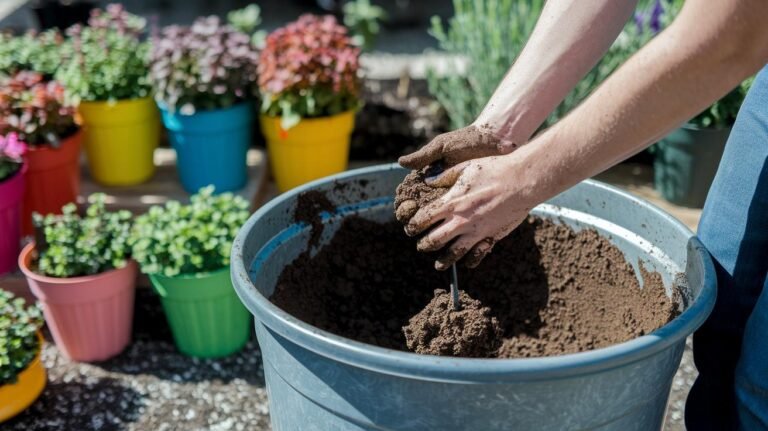
| Containers and pots | 10–15% of total mix volume | Mixed in at potting time; one-time application lasts the full season |
| Lawn (top-dressed) | 2–3 lb per 100 sq ft | Raked into the lawn in early fall; water in |
| Trees and shrubs | 1 cup per 1-inch trunk diameter | Spread around the drip line in spring |
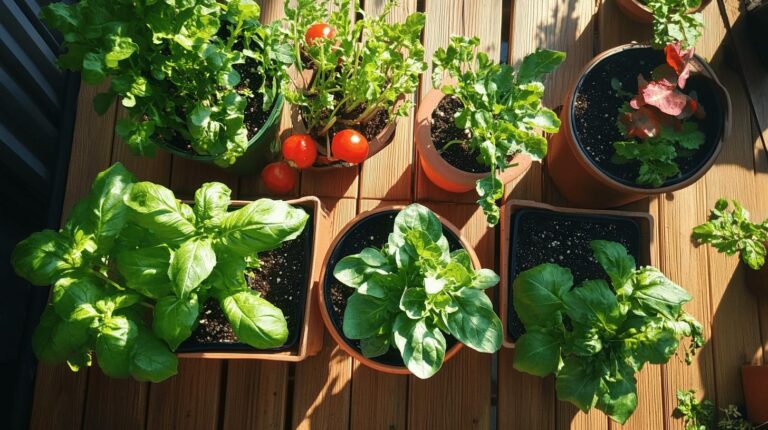
For container gardening specifically, the high water-retention capacity makes wool pellets especially valuable in pots, which usually dry out faster than in-ground beds. Mixing pellets at 10–15% of total potting mix volume keeps containers moist for 2–3 days longer between waterings. For more on what to look for in container soil generally, see our guide to the best soil mix for container gardening.
For lawn applications, wool pellets work as an organic alternative to synthetic granular fertilizer. Top-dress in early fall after aeration for best soil penetration. Our walkthrough of how to use organic fertilizer on your lawn covers the timing in more detail; wool pellets slot into that schedule cleanly.
When to Apply: Spring vs. Fall Timing
Two main application windows, each with practical pros and cons:
Fall application (October–November). The 4–6 months of cool, moist soil that follow give microbes ideal conditions to begin breaking down the pellets gradually. By spring, the nitrogen is fully cycled and available right when plants need it for new growth. This is the rhythm most experienced organic gardeners prefer.
Spring application (March–April). Apply when planting or in the few weeks before. Decomposition starts immediately in warming soil, with nitrogen becoming available within 4–6 weeks — well-timed for vegetables setting their first growth flush. Faster visible results, but slightly less efficient overall since some nitrogen volatilizes before plants can use it.
Best of both worlds: split the application. Apply two-thirds of the annual rate in fall (which sets up next season’s soil) and one-third in mid-spring (which gives an immediate boost to that season’s plants). This rhythm produces the smoothest nitrogen curve and the most consistent yield.
For perennials and shrubs, fall application is preferable because they’re entering dormancy and want the nitrogen ready when they emerge. For annuals (vegetables, summer flowers), spring application aligns better with their compressed growth cycle.
Wool Pellets vs. Other Organic Fertilizers
How wool pellets compare to the more common organic fertilizer options:
| Fertilizer | NPK | Release speed | Notes |
|---|---|---|---|
| Wool pellets | 9-0-2 | Slow (4–6 months) | Best moisture retention; phosphorus near zero |
| Compost (finished) | ~1-1-1 | Very slow | Cheapest if you make your own; builds soil best long-term |
| Blood meal | 12-0-0 | Fast (2–6 weeks) | Strong nitrogen; smell repels some pollinators temporarily |
| Bone meal | 3-15-0 | Very slow (12+ months) | The phosphorus complement to wool pellets |
| Fish emulsion | 5-1-1 | Fast (1–2 weeks) | Liquid; great for quick foliar feeding |
| Kelp meal | 1-0-2 | Slow | Adds trace minerals; light feeding only |
The combination most gardeners settle into: wool pellets as the primary slow-release nitrogen and soil amendment, paired with bone meal at planting time for phosphorus, plus occasional fish emulsion or compost tea for fast-acting boosts during the growing season. That trio covers most plants’ needs without leaning on synthetic fertilizer at all.
Where to Buy and What to Look For
Wool pellets are increasingly stocked at garden centers, farm-supply stores (Tractor Supply, Rural King), and online specialty retailers. A few brand names to look for:
- Wild Valley Farms Wool Pellets: One of the original U.S. producers. 25-lb and 50-lb bags. Widely available online.
- Local sheep co-ops: Many regional wool growers’ associations process and sell pellets directly. Often the freshest product at the lowest price per pound.
- Larger gardening retailers (Gardener’s Supply, Johnny’s, Park Seed): Carry pellet products under several store and supplier brands.
When evaluating a product, three things to check:
- NPK label: 9-0-2 or close. If a product reads dramatically different (e.g., 5-0-0 or 12-1-0), it may have been processed with additives — read the ingredient list.
- Country of origin and grade: U.S.-domestic wool pellets are typically slightly more expensive than imported but support local sheep operations. Either is fine product-wise.
- Bulk pricing: 25-lb bags run $25–$40; 50-lb bags run $40–$65. Per-pound costs drop noticeably at the 50-lb size. A 50-lb bag covers roughly 600 square feet at standard rates — enough for most suburban gardens for a year or two.
Two practical tips: store pellets in a sealed bag or container — they’re hygroscopic, so they’ll absorb humidity from the air over time and start to clump if left open. And don’t pre-mix pellets into water before applying; the activation happens in the soil with the microbes, not in a bucket. Just spread dry and water in.
Putting Wool Pellets to Work in Your Garden
For most home gardens, wool pellets are an easy upgrade to an organic fertilization program. One annual application at the rates above feeds the soil, holds moisture, and improves structure across multiple seasons. The visible payoff usually appears in year two — when the soil from year one’s application has built measurable organic matter and plants show steadier vigor than they did before. Year three is when the labor savings really kick in: less watering, less fertilizing, healthier microbe populations doing more of the work.
If you’re new to wool pellets, start with one bed or container set. A single 25-lb bag is enough to amend a 12×8-foot vegetable bed plus a half-dozen containers — enough to see the difference without committing to scaling across the whole yard in year one. Once you’ve seen how the moisture retention plays out in your specific climate, scale up confidently in year two.
Common Questions About Wool Pellets
What are wool pellets?
Wool pellets are an organic fertilizer made from compressed sheep fleece — typically the coarser grades unsuitable for textiles. They’re processed mechanically with no chemical additives, holding their shape through natural lanolin. Once applied to soil, they deliver slow-release nitrogen over 4–6 months while improving water retention and building organic matter.
What is the NPK of wool pellets?
Wool pellets typically test around 9-0-2 NPK — 9% nitrogen, 0% phosphorus, 2% potassium. Different suppliers vary slightly between 9-0-2 and 9-1-2. The near-zero phosphorus means wool pellets pair well with bone meal (3-15-0) for plants needing significant phosphorus, like tomatoes or newly planted shrubs.
How much wool pellet fertilizer should I use?
Apply 2–3 lb per 25 square feet of established bed annually, or 4–5 lb per 25 square feet for new beds being prepared. For containers, mix in at 10–15% of total potting mix volume. Lawns get 2–3 lb per 100 square feet top-dressed in early fall. Trees and shrubs get 1 cup per inch of trunk diameter around the drip line.
When should I apply wool pellets?
Fall application (October–November) is ideal — the pellets break down over winter and have nitrogen ready for spring growth. Spring application (March–April) works too and produces visible results within 4–6 weeks. The smoothest nitrogen curve comes from a split application: two-thirds in fall and one-third in spring.
Do wool pellets burn plants like synthetic fertilizer?
No. Wool pellets release nitrogen so gradually through microbial decomposition that even doubling the recommended application rate produces no fertilizer burn. This makes them especially forgiving for first-time organic gardeners and for use in containers and around young transplants.
Where can I buy wool pellets?
Garden centers, farm-supply stores (Tractor Supply, Rural King), online specialty retailers, and direct from regional sheep co-ops. Wild Valley Farms is the most widely available U.S. brand. A 25-lb bag runs $25–$40 and covers about 300 square feet; a 50-lb bag runs $40–$65 and covers about 600 square feet.
How do wool pellets compare to compost?
Wool pellets are higher in nitrogen (9% vs. ~1% for compost) and release nutrients more predictably over 4–6 months. Compost releases very slowly over 1–2+ years and builds soil structure over longer time horizons. Most gardeners use both — wool pellets for measurable nitrogen feeding, compost for ongoing soil-building.