Best Materials for Vertical Garden Structures
A vertical garden lives or dies on the thing you never see once the plants fill in: the frame behind them. Pick the wrong material and you’ll watch a beautiful wall of greens pull loose from the fence in the first hard rain, or warp in the August sun until the whole thing bows. Choosing the best materials for vertical garden structures comes down to three honest questions — how much wet soil the frame has to hold, how it handles sun and rain where you live, and how much you want to spend. I’ve built these out of cedar, bolted steel grids to a block wall, and hung felt pockets that lasted exactly two seasons, so let me save you the trial and error.
As an Amazon Associate, Backyard Superstar earns from qualifying purchases at no extra cost to you.
The five materials worth your time are wood, metal, rigid plastic, fabric pockets, and wood-plastic composite. Each one trades off differently on weight capacity, lifespan, upkeep, and cost, and there’s no single winner — the right pick depends on your wall and your climate. What follows is how they actually behave once they’re loaded with soil and left outside for a few years, not how they look in the catalog.
How the Five Materials Compare at a Glance
Before I get into each one, here’s the honest side-by-side. Weight capacity is the number that matters most, because wet potting mix is heavier than people expect — a saturated fabric pocket that felt like nothing when you hung it can hit fifteen or twenty pounds, and a full cedar box packs a lot more. I’ve swapped exact dollar figures for tiers ($ = budget, $$ = mid, $$$ = premium) because prices swing with size and season, but the ranking between materials holds.
| Material | Lifespan (outdoors) | Weight capacity | Weather resistance | Cost tier | Upkeep |
|---|---|---|---|---|---|
| Wood (cedar, redwood) | 10–15 yrs with sealing | 50–80 lbs | Good; seal yearly | $$–$$$ | Annual sealant |
| Metal (galvanized steel, aluminum) | 15+ yrs | 100+ lbs | Excellent, coated | $$ | Low; watch for rust |
| Rigid plastic (PVC, polypropylene) | 5–10 yrs | 20–50 lbs | Good; UV-prone | $ | Low; recoat for UV |
| Fabric pockets (felt, polyester) | 2–3 yrs | Under 20 lbs/pocket | Fair; drains fast | $ | Replace every few seasons |
| Composite (wood-plastic) | 15–20 yrs | 60–90 lbs | Excellent, UV-stable | $$$ | Almost none |
Read that table as a spectrum from “cheap and temporary” to “expensive and permanent.” Fabric and thin plastic get you growing this weekend for very little money, but you’re signing up to replace them. Metal and composite cost more up front and reward you with years of not thinking about the frame at all. Wood sits in the middle — the best-looking option by a mile, but only if you’re willing to reseal it each spring. If you’re still deciding on the whole look rather than just the frame, my guide to designing a living wall for outdoor spaces covers layout and plant pairing before you commit to a material.
Wood: The Best-Looking Frame, If You’ll Maintain It
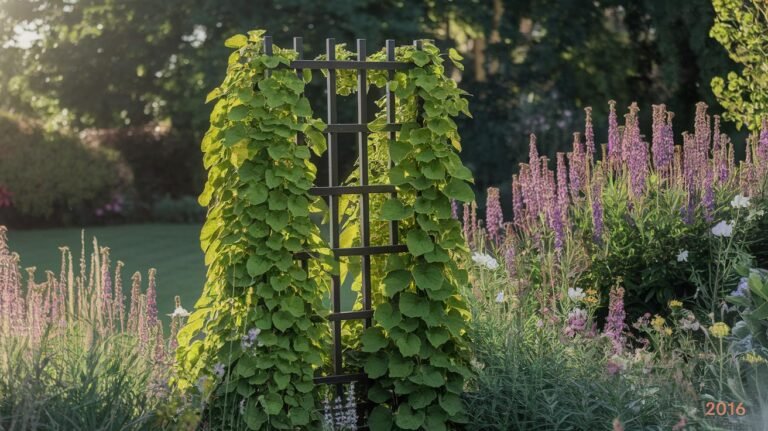
Nothing beats cedar or redwood for warmth. The grain looks like it belongs in a garden instead of on it, and cedar in particular carries a natural oil that shrugs off rot and bugs without any chemical help. A well-built cedar frame holds fifty to eighty pounds of soil comfortably, which is plenty for herbs, lettuces, trailing flowers, and most of what people actually grow on a wall. The one string attached is maintenance: bare wood left in the weather goes gray and eventually soft, so you owe it a coat of exterior sealant every spring. Skip two years running and you’ll find spongy spots where water pooled.
If you want the wood look without cutting and joining your own lumber, a ready-made cedar planter with a built-in trellis does double duty — soil box at the bottom, climbing frame up top. The Anraja raised garden bed planter with lattice trellis ($$$) is the kind I’d point a first-timer to: it stands on its own legs, so you’re not drilling into siding, and the lattice gives climbers something to grab. It’s a premium buy, but cedar earns it over a decade of use.
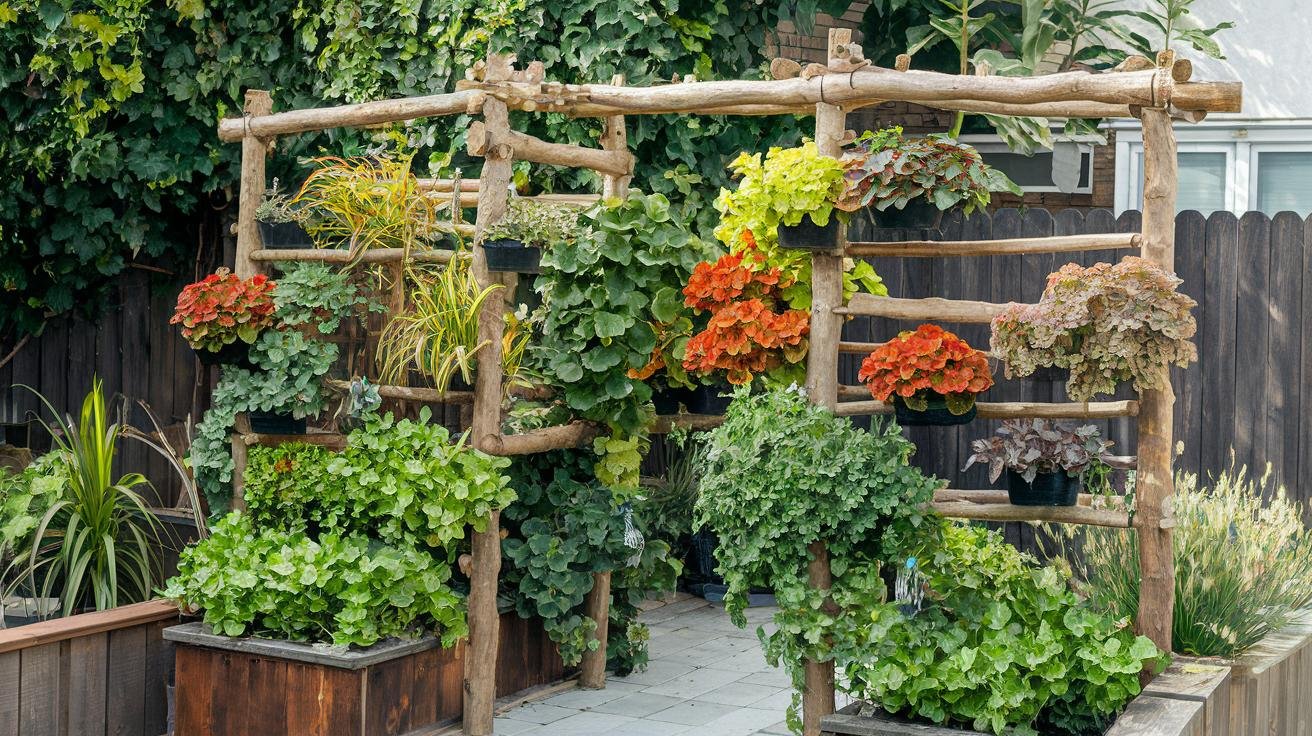
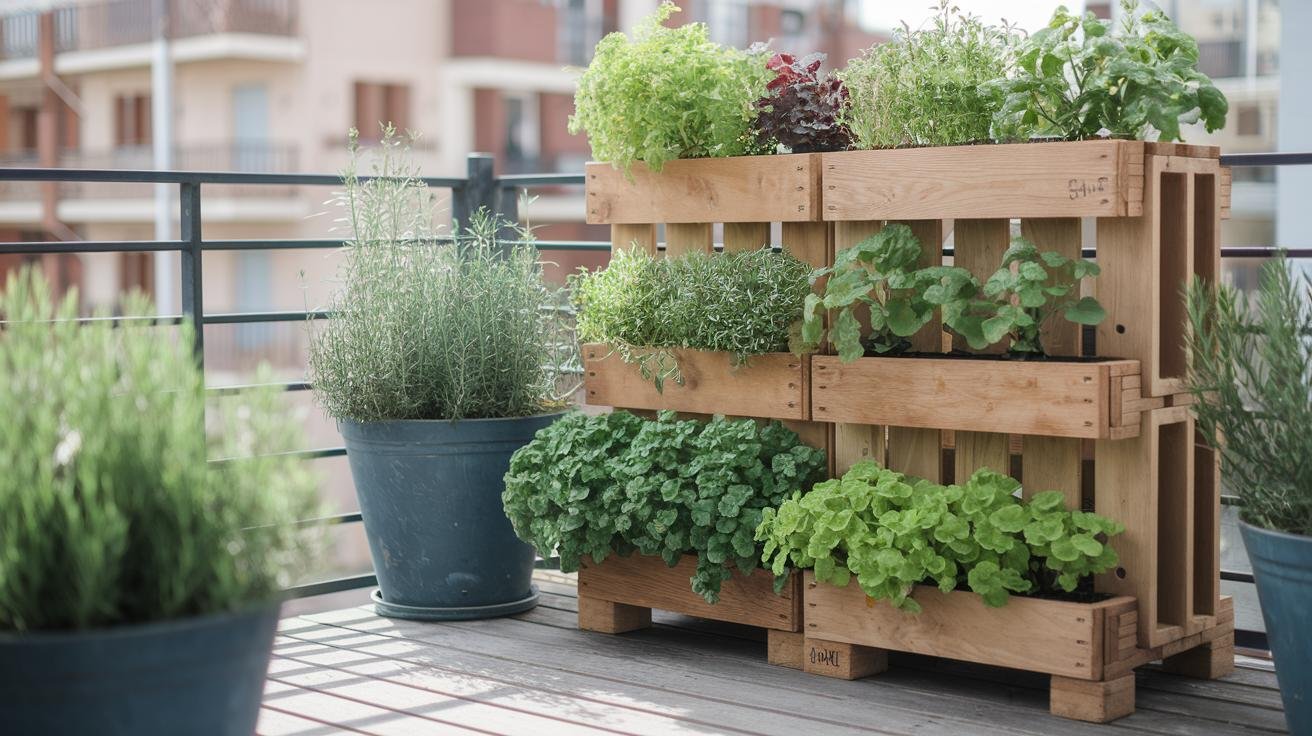
Pressure-treated lumber is the budget cousin — cheaper, and treated to resist moisture — but I keep it out of the soil zone on anything I’ll grow food in, and use it for structural legs and backing instead. And if you like building, a scrubbed, sealed shipping pallet leaned against a fence is still the classic cheap DIY wall; just line the back so soil doesn’t wash through the slats. Whichever route you take, remember that wood’s weight rating assumes dry soil. Fill it, water it, and you’re suddenly holding a lot more, so anchor a tall wooden frame to the wall rather than trusting it to stand on gravity alone.
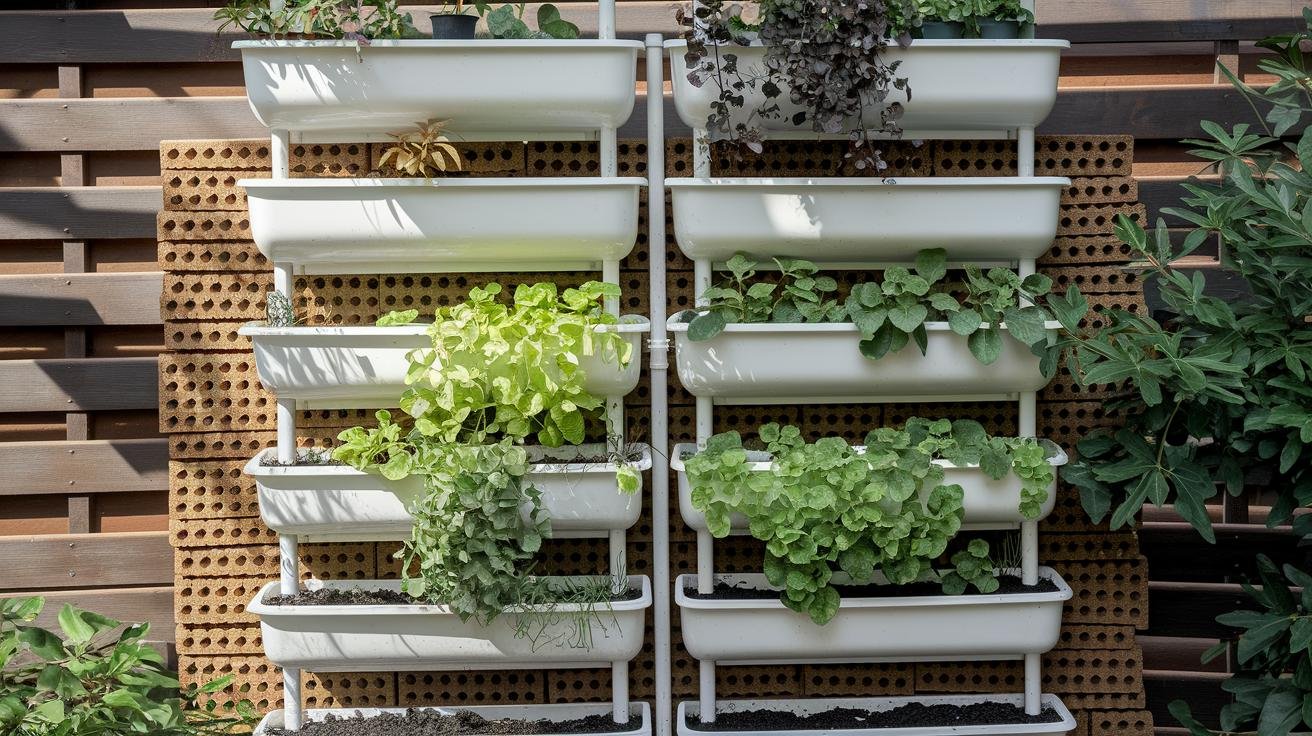
Metal: The Strongest Frame for a Heavy Wall
When I need to hang real weight — big pots, a dense privacy screen, a mini “green tower” of stacked planters — I reach for metal. Galvanized steel and powder-coated aluminum grids carry a hundred pounds and then some without flexing, and they hold their shape when the wind picks up in a way wood and plastic simply don’t. The zinc coating on galvanized steel is what buys you the fifteen-plus-year lifespan; the moment that coating gets scratched down to bare metal, rust starts, so the only real upkeep is a seasonal look-over and a dab of rust-inhibiting paint on any chip.
A rustproof grid or trellis panel is the most versatile piece of hardware in this whole category, because you can clip lightweight planters onto it in rows, curve it around a corner, or bolt several together into a tall screen. I like the Amagabeli rustproof metal garden trellis (2-pack, 60" x 18") ($$) for this — the panels are stiff enough to mount flat against a wall or stand in a bed, and two of them cover a decent stretch. Anchor metal with galvanized fasteners, not whatever screws are in the drawer; mismatched steel corrodes fast at the joints, and the joints are exactly where a loaded frame fails. Get the mounting right and metal is close to fit-and-forget.
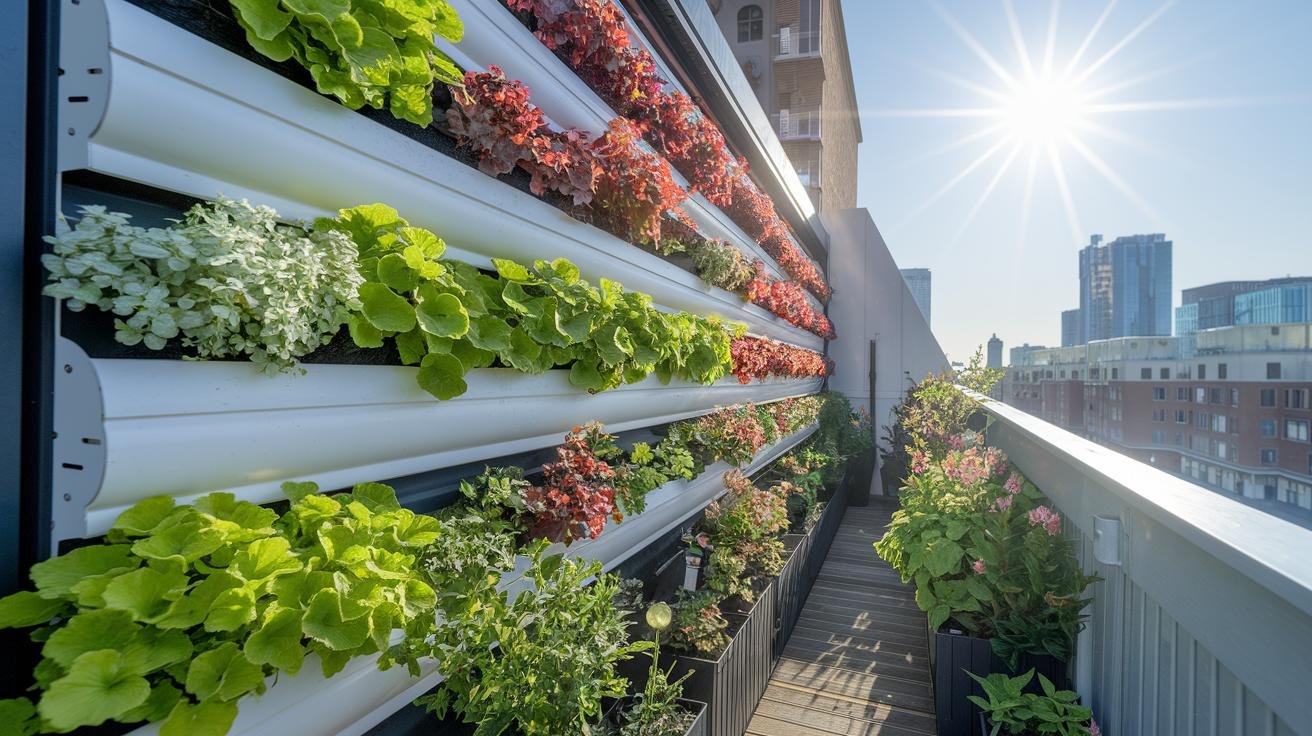
Rigid Plastic and Modular Systems: Cheapest Way In
If you want a living wall growing by Sunday night for the least money, rigid plastic is your friend. PVC and polypropylene planters weigh almost nothing, never rot, and wipe clean, which makes them the easy on-ramp for anyone testing whether they’ll even like vertical gardening. The trade-off is the sun: untreated plastic left in full afternoon light goes brittle and cracks in a few seasons. Look for UV-stabilized products, and if yours isn’t, a spray-on UV-resistant coating stretches the life considerably.
The format I recommend most for beginners is a stacking tower, because it needs no wall at all — the pots interlock and stand on the ground or a saucer. The Mr. Stacky 5-tier stackable planter ($) puts roughly twenty planting spots in one square foot of patio, and the tiered design lets water trickle down from the top pot to the ones below. It’s polypropylene, so keep it out of the harshest sun or plan to replace it eventually, but for the price it’s the fastest, most forgiving entry into growing vertically.
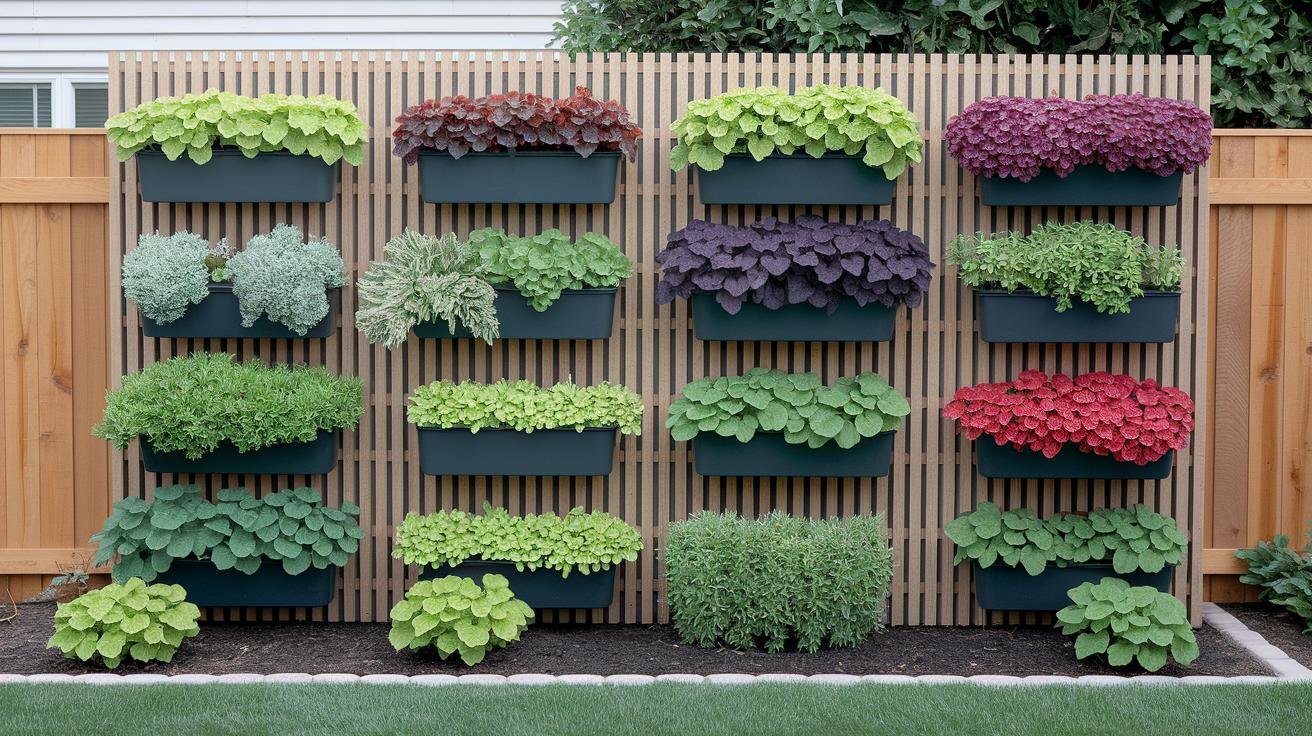
When you’re ready to actually cover a wall, modular pocket systems scale up cleanly. The Worth Garden self-watering stackable wall planters (6-set, 18 pockets) ($$) mount to the wall and interlock, and each unit feeds water down to the next, so you’re not hand-watering eighteen pockets one at a time. Systems like this are the sweet spot between the throwaway felt pouch and a full custom build — plastic-cheap to expand, but engineered enough to last. If you’d rather cut and assemble your own framing, I walk through that in the DIY modular garden wall panels guide.
Fabric Pockets: Lightweight, Breathable, Short-Lived
Felt and heavy polyester pocket panels are the lightest option on the board, and there’s a real horticultural reason to like them: the fabric breathes, so roots get air and excess water drains straight through instead of drowning the plant. Herbs, lettuces, strawberries, and small flowers thrive in them. The honest catch is lifespan. Fabric wears out where water drips most, and even good polyester starts breaking down after two or three seasons — I’ve never gotten more than that out of a set left outdoors year-round.
Because each pocket tops out under twenty pounds, keep fabric walls to lightweight crops and skip anything that wants a big root ball, like tomatoes or squash. A felt panel like the Meiwo 7-pocket vertical wall planter ($) is the cheapest way to green up a bare fence fast, and the metal grommets let you hang it from a rail or hooks in minutes. Just go in knowing it’s a consumable, not a fixture — think of it like potting up annuals, where refreshing the setup is part of the deal. For the plants themselves, my roundup of the best vertical herb garden kits pairs well with a pocket wall.
Composite: Pay Once, Forget About It
Wood-plastic composite is what I’d choose if I never wanted to touch the frame again. It blends wood fibers with plastic to get a cedar-like look that needs no sealing, no painting, and no winter wrapping, and it laughs off UV and moisture for fifteen to twenty years. It carries sixty to ninety pounds, so it’s stout enough for a serious wall, and it won’t splinter, rot, or check the way real wood does. The only real downside is the sticker: composite is the priciest material here, and it’s the least biodegradable when it finally does reach the end of its life.
If you’re building a permanent feature — an entry wall, a poolside screen, something you want to look good a decade from now without a maintenance calendar — composite is the material that pencils out, because you buy it once instead of resealing wood every spring. For a weekend project or a rental, it’s overkill; the cheaper materials make more sense when you might move or change the layout.
Matching the Material to Your Wall and Climate
Once you know the materials, the pick usually decides itself from a few practical checks. Start with load: tally the weight of your planters filled with wet soil, then choose a material rated well above that number, not right at it. Next comes your climate. Relentless sun argues for metal or composite and against untreated plastic; a wet, freeze-thaw winter punishes wood joints and favors coated metal or composite. Drainage matters too — fabric drains on its own, but behind rigid panels you want a waterproof membrane so runoff doesn’t rot your siding or wall.
A few add-ons make almost any material last longer and behave better:
- A waterproof membrane behind rigid panels, to keep water off the wall it’s mounted to.
- A UV-resistant coating on any plastic or composite that isn’t already sun-stabilized.
- Galvanized or stainless fasteners at every joint, so the hardware outlasts the frame.
- Drip irrigation, which matters more on a vertical garden than a flat bed because the top pots dry out fastest.
That last one is the difference between a wall that thrives and one that’s half-dead by July. Vertical setups drain top to bottom, so the upper plants go thirsty while the lower ones stay wet, and hand-watering rarely evens it out. A simple timed kit like the Raindrip R560DP automatic drip watering kit ($) runs a line to each level and waters them all on a schedule; it’s the cheapest upgrade with the biggest payoff. If you want to compare feed styles first, I break them down in the vertical garden irrigation systems guide. And whatever frame you land on, fill it with a light, well-draining potting mix rather than heavy garden soil — the right soil mix keeps the weight down and the roots happy.
Buy a Kit or Build It Yourself
You’ve really got two paths, and both are fine. A ready-made kit — a stacking tower, a modular pocket set, a cedar planter with a trellis — gets you a tested, matched system that snaps together in an afternoon with no tools and no guesswork about whether the pieces fit. That’s the right call if you value your Saturday and want it to just work. Building your own from raw materials costs less per square foot and lets you size the wall to an odd space exactly, but you’re on the hook for the engineering: the load math, the anchoring, the drainage. If you’ve built a raised bed or a fence, a DIY vertical frame is well within reach; if this is your first outdoor project, start with a kit and graduate to a custom build once you know what you actually want.
Recommended Vertical Garden Materials & Gear
The quick version of everything above — same tagged links, sorted by where they fit.
- Premium wood — Anraja cedar planter with lattice trellis ($$$): freestanding cedar box plus climbing frame; best looks, seal yearly.
- Strongest frame — Amagabeli rustproof metal trellis (2-pack) ($$): holds 100+ lbs, clip on planters, near-zero upkeep.
- Easiest start — Mr. Stacky 5-tier stackable planter ($): ~20 plants in one square foot, no wall needed.
- Modular wall — Worth Garden self-watering wall planters (18-pocket) ($$): interlocking, self-feeding, expandable.
- Budget/fabric — Meiwo 7-pocket felt wall planter ($): lightest and cheapest; a 2–3 season consumable.
- Watering — Raindrip R560DP drip kit ($): timed drip to every level; the highest-payoff add-on.
Frequently Asked Questions
What material holds the most weight in a vertical garden?
Metal wins. A galvanized steel or aluminum grid carries 100 pounds and up without flexing, well past what wood (50–80 lbs) or fabric pockets (under 20 lbs each) can take. If you’re hanging heavy pots or a dense privacy screen, start with metal.
Which material lasts the longest outdoors?
Wood-plastic composite (15–20 years) and coated metal (15+ years) lead the pack because neither needs annual upkeep. Cedar reaches 10–15 years but only if you reseal it every spring; rigid plastic runs 5–10; fabric pockets last just 2–3 seasons.
What’s the cheapest way to build a vertical garden?
A felt pocket panel or a stacking plastic tower gets you growing for very little, both in the $ tier. Just treat them as short-lived — you’ll replace fabric in a couple of seasons and shade plastic from harsh sun to slow cracking.
How do I keep moisture from damaging the wall behind the panels?
Put a waterproof membrane between any rigid panel and the wall it’s mounted to, and make sure water can drain out the bottom. Fabric pockets drain on their own; rigid systems need you to plan the runoff so it doesn’t rot siding.
Should I buy a kit or source the materials myself?
Buy a kit if you want a matched, tested system that assembles in an afternoon with no tools. Source your own if you’re comfortable with the load math, anchoring, and drainage and want to fit an odd space for less per square foot.
How do I care for metal and wood frames?
For metal, scan for scratches or rust each season and touch up bare spots with rust-inhibiting paint. For wood, brush on exterior sealant every spring and check for soft spots where water pools. Both last far longer with those five-minute seasonal checks.
The Bottom Line
There’s no single best material — there’s the best one for your wall. If you want it to look beautiful and you’ll maintain it, go cedar. If you’re hanging real weight, go metal. If you want cheap and fast, start with fabric or a plastic tower and upgrade later. And if you want to build it once and never think about it again, pay up for composite. Match the frame to your load, your climate, and your budget in that order, add drip irrigation whatever you choose, and your vertical garden will still be standing — and thriving — years from now.