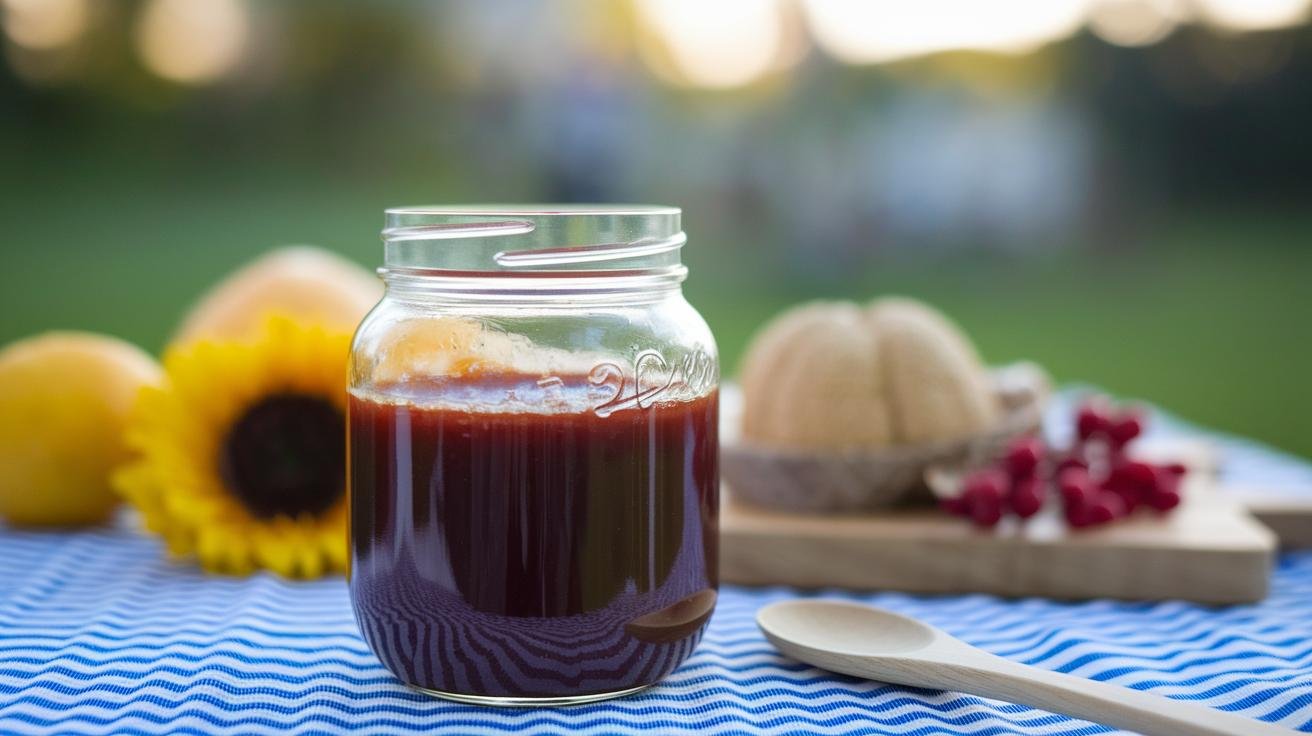
Homemade Barbecue Sauce for Charcoal Grilling
Bottled barbecue sauce is fine until the first time you make your own over live coals — then there’s no going back. The version I keep coming back to takes about thirty minutes, uses pantry staples you almost certainly already have, and picks up a real whisper of smoke from the grill that no jar can fake. It clings to ribs, drips slow off the brush, and turns a weeknight cookout into something people ask you about later. Here’s exactly how I make a tangy-sweet homemade barbecue sauce for charcoal grilling, plus the small tricks that make it taste like it simmered all afternoon.
As an Amazon Associate, Backyard Superstar earns from qualifying purchases at no extra cost to you.
The 30-Minute Charcoal-Ready Barbecue Sauce Recipe
This is a quick stovetop-or-grill sauce built on ketchup, with apple cider vinegar for a bright zip and brown sugar for a mellow, glossy sweetness. It comes together in one pot in about half an hour, and you don’t need anything fancier than a medium saucepan — a spot on your grill’s side burner works just as well. If you want to fold in real smoke while it simmers, tuck a small foil pouch of soaked wood chips off to the side of the coals; I’ll walk through that in a minute.
Ingredients
- 1½ cups ketchup
- ½ cup apple cider vinegar
- ¼ cup brown sugar
- 2 tablespoons Worcestershire sauce
- 1 tablespoon smoked paprika
- 1 teaspoon garlic powder
- 1 teaspoon onion powder
- ½ teaspoon liquid smoke
Optional add-ins: 2 tablespoons honey or molasses for stickier sweetness, or ½ teaspoon mustard powder for a gentle tang that cuts the sugar.
Steps
- Whisk all the ingredients together in a medium saucepan, off the heat, until smooth.
- Bring it to medium heat until you see gentle bubbles, stirring every 30 seconds so nothing scorches on the bottom.
- Once it reaches a soft boil and the smoky-tangy aroma comes up, drop the heat to low.
- Simmer 15–20 minutes, stirring every 5 minutes, until it thickens enough to coat the back of a spoon.
- Skim off any foam for a smooth finish.
- Taste and adjust — a pinch of salt, or a dash of cayenne if you want heat.
- Pull it off the heat and let it rest under the lid a few minutes so the flavors settle.
That yields about two cups, enough to baste four to six servings of ribs, chicken, or vegetables. A silicone grilling basting brush is the one tool I’d insist on here — it holds a thick sauce without shedding bristles into your dinner, and the long handle keeps your knuckles off the grate. If you like doing your sauce work right on the coals, a small cast-iron sauce pot shrugs off the direct heat that would warp a thin pan.
Why These Pantry Staples Work Together
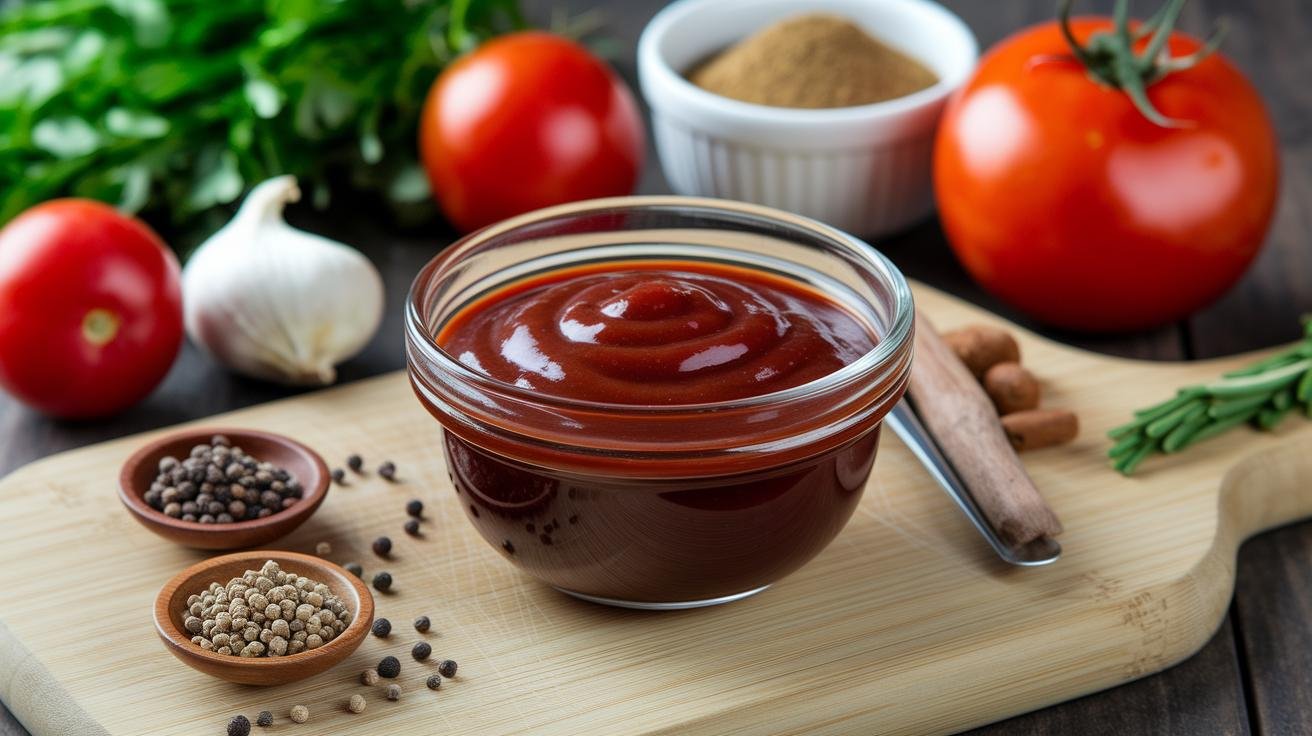
Every ingredient here is pulling a specific weight, and understanding that is what lets you tweak the sauce with confidence instead of guessing. Ketchup is the body and the backbone — it brings tomato sweetness and the thickness that makes the sauce cling. Apple cider vinegar is the counterweight, cutting through all that sweetness with a bright acidity so the finished sauce tastes balanced rather than cloying. Brown sugar rounds everything with soft caramel notes and gives you that lacquered shine on the meat.
The savory backbone comes from Worcestershire sauce, which adds a deep umami edge, while smoked paprika layers in a warm smokiness before the grill ever touches it. Garlic and onion powder fill in the aromatic base notes that keep the sauce from tasting flat. And the liquid smoke is your insurance policy — half a teaspoon is enough to make the sauce taste like it spent the afternoon by a campfire, which matters most if you’re finishing on a gas side burner instead of over coals.
Folding Real Smoke Into the Sauce on the Grill
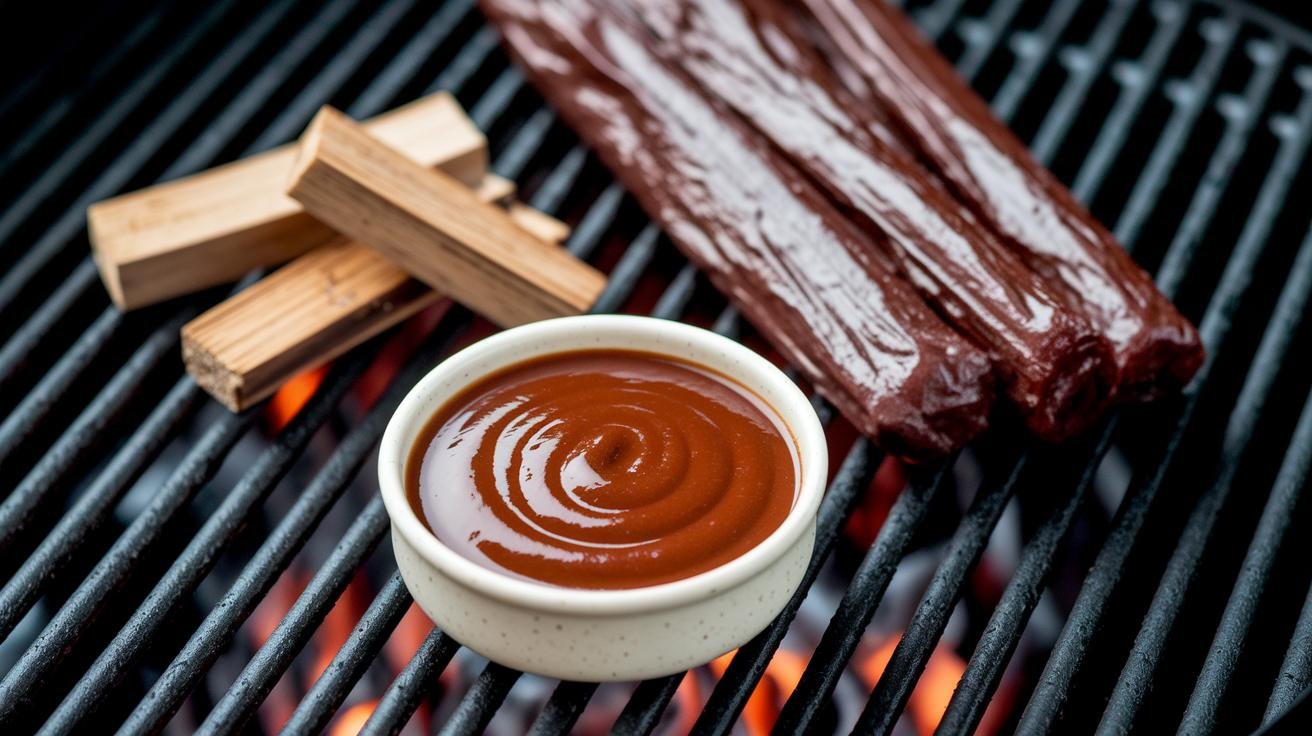
Here’s the step that separates a good homemade sauce from one people remember: let it drink in real smoke while it simmers. Set your sauce pot on a cooler grate, or tuck it beside coals banked off to one side (that’s indirect heat), then cover the grill and give it about five minutes. The sauce catches a sweet, smoky aroma that weaves all the way through it, with no scorch spots — just remember to stir once before you finish so the flavor stays even.
If you want to push the smoke further, make a chip pouch. It’s the same move whether you’re smoking the sauce or the meat, and it’s worth learning because it’s the backbone of everything low-and-slow. Soak a handful of hickory or apple wood chips for at least 30 minutes, drain them, and wrap them in a small foil pouch poked with a few holes on top. Set the pouch on hot coals or under the lid of your covered grill, and after a few minutes give the pan a stir so the smoke swirls through. A splash more smoked paprika in the pot deepens the effect. Getting comfortable with a chip pouch here pays off across the grill — it’s the same principle behind our homemade spice rub for charcoal-grilled ribs, where smoke and seasoning do the heavy lifting together.
Getting the Consistency Exactly Right
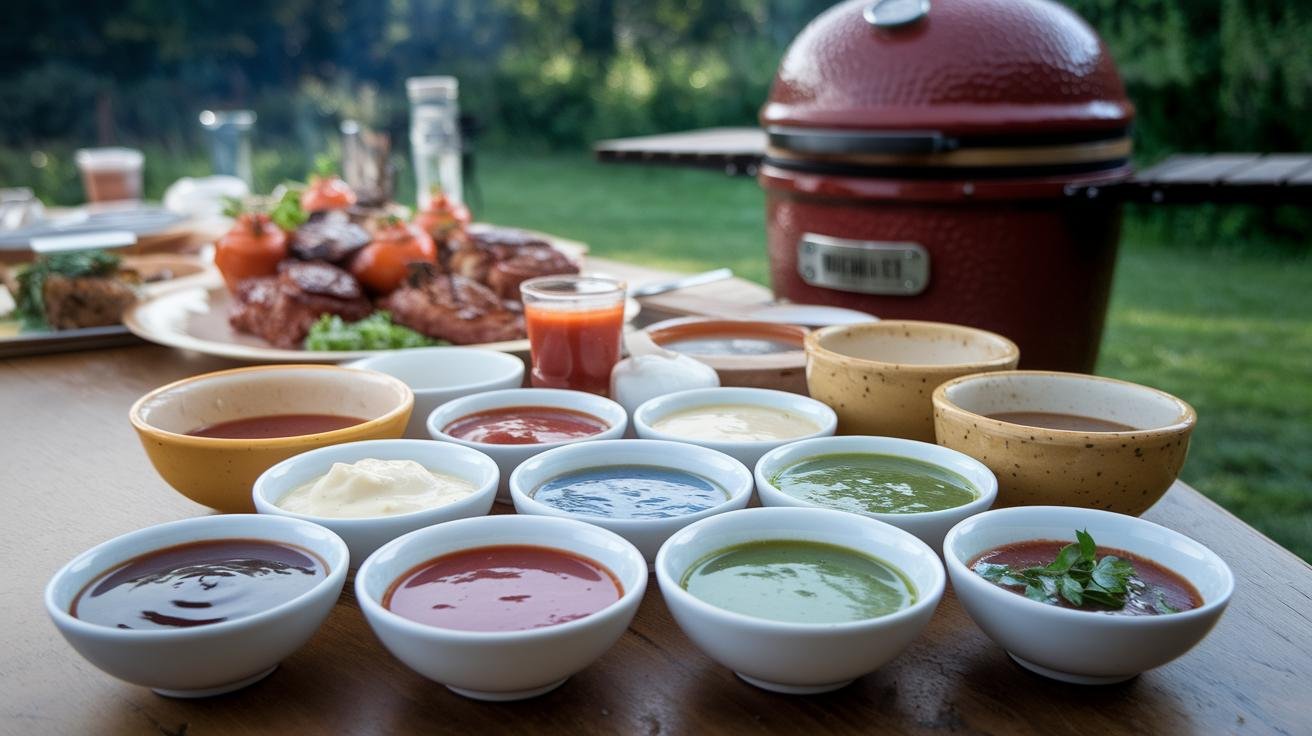
When you’re brushing sauce onto ribs over glowing coals, thickness is everything. Too thin and it runs right off the meat; too thick and it won’t spread into an even coat. The good news is that consistency is the easiest thing to fix in either direction, right up to the last minute.
To thicken a sauce that’s too loose, stir in 2 to 3 tablespoons of tomato paste, or just let it simmer another 5 to 10 minutes — the bubbles cook off water and concentrate the sweet-tangy flavor as they go. To loosen a sauce that’s gone stiff, whisk in a tablespoon or two of water, extra vinegar, or unsweetened apple juice and watch it lighten right away, ready to coat chicken or vegetables without clumping. If you’re cutting back on sugar, swap the brown sugar for erythritol at a 1:1 ratio and simmer a little longer so any crystals melt; you’ll keep the glossy sheen without the sugar spike. Taste as you go, and trust your eyes — if it’s still too stiff, a splash of vinegar loosens it; too runny, and a few more minutes on low brings it back.
Five Regional Twists Worth Trying
Once you’ve made the base a couple of times, it becomes a launch pad. Each of these variations starts from the same pot and takes it somewhere different, so you can match the sauce to what’s on the grate.
| Style | Add to the base | Best on |
|---|---|---|
| Kansas City | 2 Tbsp molasses + 1 tsp chili powder | Ribs — big, sticky, sweet with gentle heat |
| Carolina mustard | Swap ketchup for ¾ cup yellow mustard + ¼ cup cider vinegar | Slow-smoked pork shoulder |
| Texas | 1 tsp ground cumin + ½ tsp crushed red chili flakes | Brisket and beef — smoky, earthy |
| Pineapple | ½ cup crushed pineapple + 1 Tbsp honey | Grilled chicken or fish |
| Peach glaze | ½ cup peach purée + 1 tsp chopped fresh thyme | Pork chops — summery and bright |
The Kansas City version is the crowd-pleaser, all lacquered sweetness hugging every smoky crackle on a rack of ribs. The Carolina mustard blend goes the other way — bright and tangy enough to cut clean through rich pork. Texas leans savory and earthy to echo a dry-rubbed brisket, while the pineapple and peach twists bring fruit-forward sweetness that caramelizes beautifully over the coals. None of them take more than a minute to mix in.
Saucing Ribs, Chicken, and Vegetables the Right Way
Timing is where a lot of good sauce gets wasted. Because this one is sugar-forward, it’ll burn if you brush it on too early over direct heat — the sugars scorch before the meat is done. For ribs, wait until the last ten minutes of indirect cooking, then brush on a coat and close the lid so the heat wraps around the rack and melts the sauce into a glossy, caramel-kissed crust. You’ll hear it sizzle as it sets.
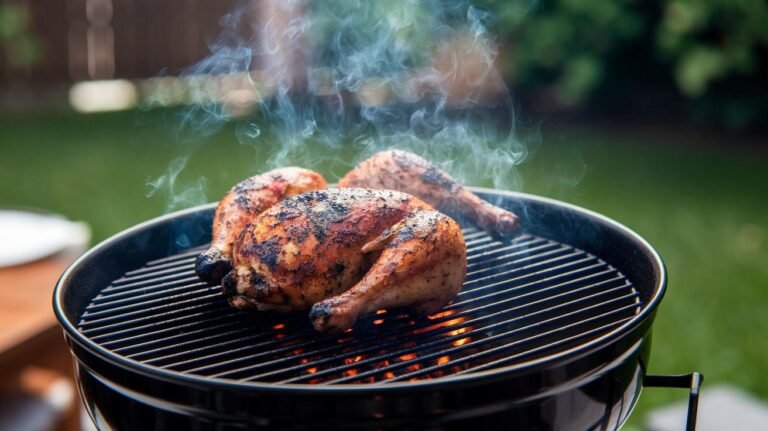
Chicken wants a different rhythm. Once the coals settle into an even glow, swipe on sauce every five minutes, building thin layers until the meat hits an internal temperature of 165°F — a quick check with an instant-read meat thermometer takes the guesswork out and keeps the skin from drying while you chase doneness. Those repeated coats are what lock in the smoky flavor. Vegetables are the easy win: drizzle sauce over ears of corn straight off the grate, glaze roasted bell peppers, and set out bowls of coleslaw and potato salad for dipping. For more ways to put those coals to work, our recipes for a Weber charcoal grill cover everything from burgers to low-and-slow pork, and getting the fire dialed in first — a chimney starter gets you evenly lit coals in about fifteen minutes — makes all of it easier.
Storing, Making Ahead, and Freezing
This sauce is built for making ahead, which is half its appeal. Once it’s simmered, let it cool completely before you bottle it — sealing it warm traps steam and clouds that glossy color. Scoop it into a clean, airtight jar and refrigerate, where it keeps its flavor for up to two weeks; a set of swing-top glass bottles makes it easy to store and doubles as a nice way to hand a batch to a neighbor. Label each jar with the date so you always reach for the freshest one, and if you see a little oil rise to the top, just give it a gentle shake to swirl it back in.
For longer storage, freeze the sauce in ice-cube trays or in small freezer bags filled with quarter-cup servings laid flat until solid. Stash the frozen cubes in a labeled bag and pull the oldest first. To use, thaw a cube in the fridge or drop it straight into a small pot and warm it on low, stirring until it’s glossy and smooth again. Making a double batch now means the next cookout is one step shorter — and a homemade sauce ready in the freezer is exactly the kind of small thing that makes a backyard feel like it’s running the way you want it to.
Recommended gear for saucing on a charcoal grill
As an Amazon Associate, Backyard Superstar earns from qualifying purchases at no extra cost to you.
- Top tool — Silicone grilling basting brush ($). Holds a thick sauce without shedding bristles; long handle keeps hands off the grate.
- For doneness — ThermoPro TP19H instant-read thermometer ($). Takes the guesswork out of saucing chicken to a safe 165°F.
- For real smoke — Hickory or apple wood chips ($). Soak, pouch, and tuck by the coals to weave smoke through the sauce.
- Grill-safe pot — Cast-iron sauce pot ($$). Simmer right on the coals without warping a thin pan.
- Even coals — Weber Rapidfire chimney starter ($). Lights charcoal evenly in ~15 minutes, no lighter fluid taste.
- To store & gift — Swing-top glass bottles ($). Keep a batch fresh in the fridge and easy to hand off to a neighbor.
Frequently Asked Questions
How do I make a charcoal grill-ready barbecue sauce?
Whisk together 1½ cups ketchup, ½ cup apple cider vinegar, ¼ cup brown sugar, 2 Tbsp Worcestershire sauce, 1 Tbsp smoked paprika, 1 tsp each garlic and onion powder, and ½ tsp liquid smoke. Simmer 15–20 minutes until it thickens enough to coat a spoon.
How can I boost the smoky flavor in the sauce?
Add an extra tablespoon of smoked paprika and ½ teaspoon of liquid smoke, then set a foil pouch of soaked wood chips on the coals under your covered saucepan for real smoke infusion. Simmering the pot over indirect heat for five minutes also weaves smoke through it.
How do I adjust the sauce’s thickness?
To thicken, stir in 2–3 tablespoons of tomato paste or simmer 5–10 more minutes. To thin, whisk in 1–2 tablespoons of water, vinegar, or unsweetened apple juice until it reaches the consistency you want.
What flavor variations can I try?
Try Kansas City style with molasses and chili powder, a Carolina mustard blend, a Texas version with cumin and chili flakes, a pineapple twist, or a peach-and-thyme glaze. Each starts from the same base and takes about a minute to mix in.
When should I brush barbecue sauce on grilled meat?
Because the sauce is sugar-forward, brush ribs in the last ten minutes of indirect heat so the sugars don’t scorch. For chicken, apply thin layers every five minutes until it reaches 165°F internally, which builds a glossy, smoky crust without burning.
How long does homemade barbecue sauce last, and how should I store it?
Refrigerate it in an airtight jar for up to two weeks, or freeze it in cubes or bags for up to three months. Let it cool before sealing, and thaw and reheat gently, stirring to recombine any separated oils.