Cover Crops for Raised Beds That Build Soil
Every fall I used to leave my raised beds bare after the last tomatoes came out, raking them flat and calling it “putting the garden to bed.” Then a season of watching the top few inches wash into pale, packed crust taught me what that empty soil was really doing: nothing good. A cover crop fixes that. Growing cover crops for raised beds is the closest thing I’ve found to free soil improvement — you scatter a handful of seed over a bed you’re not using, let the plants do the work of feeding and protecting the dirt, then turn them back in before you plant again. It’s the quiet, unglamorous habit that has done more for my beds than any bag of amendment I’ve ever bought.
As an Amazon Associate, Backyard Superstar earns from qualifying purchases at no extra cost to you.
What a Cover Crop Actually Does for a Raised Bed
A cover crop is simply a plant you grow to feed the soil rather than to harvest. Instead of leaving a bed empty between your real crops, you fill it with something fast and generous — clover, rye, buckwheat, vetch — and let its roots and leaves go to work. When you cut it down and let it break down in place, all of that green growth becomes organic matter, and the network of roots it leaves behind becomes channels for air and water. That’s the whole idea, and in a raised bed it matters more than most people expect.
Here’s why. A raised bed is a container, and container soil settles, compacts, and loses nutrients faster than open ground because it’s small, well-drained, and worked hard. Bare soil over winter is the worst of it — rain pounds the surface into a crust, nutrients leach straight out the bottom, and by spring you’re topping the bed off with fresh mix again. A living cover changes that math. Legumes like crimson clover and hairy vetch pull nitrogen out of the air and store it in their roots, so when they break down they hand that nitrogen to the next crop instead of you buying it in a bag. Grasses like winter rye send down dense, fibrous roots that hold the soil together and scavenge leftover nutrients before they wash away. And nearly everything green adds organic matter, which is the single thing that makes raised-bed soil hold water, feed microbes, and crumble the way good garden soil should.
The effect compounds, too. The first year you’ll mostly notice the bed isn’t a crusted brick in March. By the second and third, the soil is darker, spongier, and easier to plant into, and you’re reaching for the fertilizer less often. It’s slower than dumping in amendments, but it’s the fix that keeps paying you back — a bit like the difference between renting soil health and slowly owning it. If you’re still building your base mix, it pairs naturally with getting the best soil for raised garden beds right in the first place.
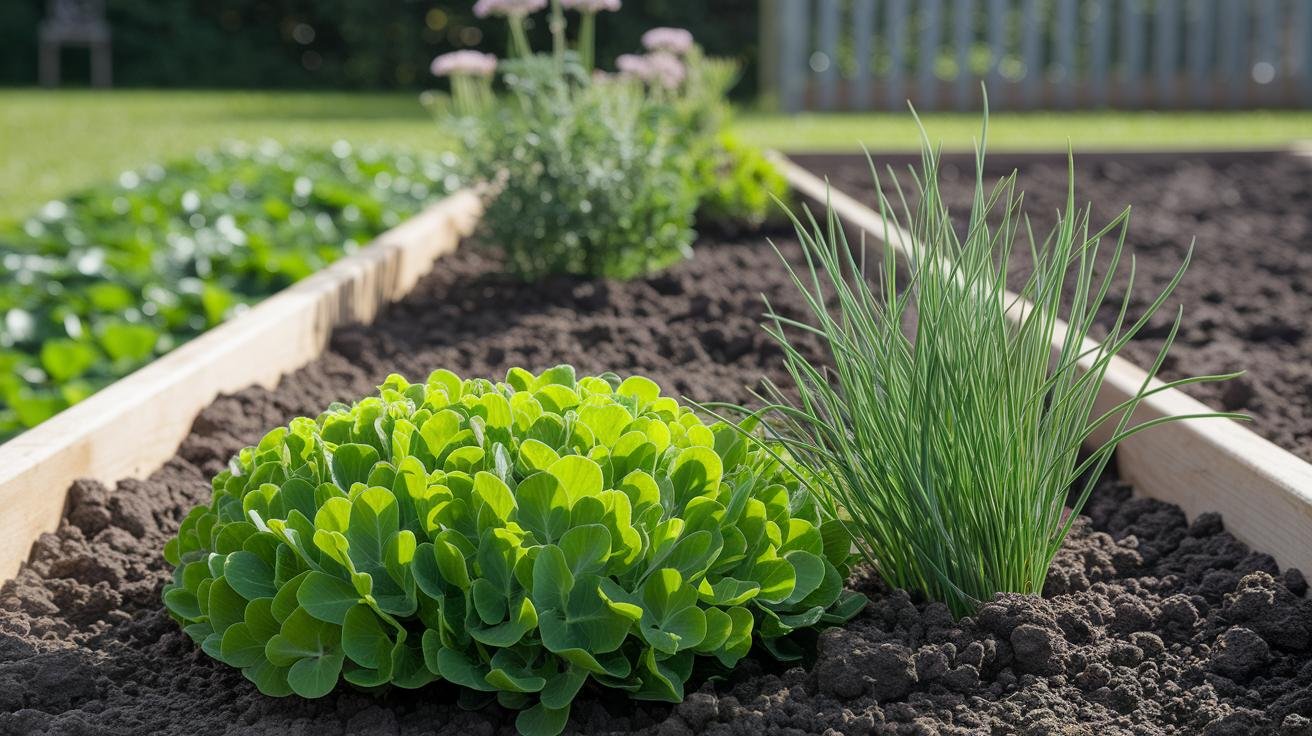
Matching the Cover Crop to Your Season
The most common mistake I see is treating “cover crop” as one thing. It isn’t. The right choice depends almost entirely on when your bed is empty and how long you’ll leave it that way, because the plants fall into two broad camps that behave very differently. Getting this match right is most of the battle.
The first camp is warm-season, frost-tender covers — buckwheat is the star here. You sow it into a bed that’s sitting open in summer, maybe after the spring lettuce is done and before you plant fall greens, and it explodes: two to three feet of leafy growth in about a month, smothering weeds and pulling in pollinators the whole time. The first hard frost kills it, so it’s a “fill the gap” crop, not an overwinter one. The second camp is cool-season covers you sow in late summer or early fall to grow through winter — crimson clover, winter rye, hairy vetch, and Austrian winter peas. These are the workhorses for the classic “put the bed to bed” scenario, standing green through the cold and giving you a burst of growth to turn in come spring.
A useful rule of thumb: if you want free nitrogen for hungry crops next year, lean on a legume; if you want the most soil-holding, weed-smothering biomass, lean on a grass; and if you want both, sow them together, which is exactly what the pre-mixed garden blends do. Here’s how the common choices sort out for a home raised bed.
| Cover crop | Type | When to sow | Main job | Winter-hardy? |
|---|---|---|---|---|
| Buckwheat | Broadleaf (non-legume) | Summer gaps | Fast weed smother + pollinators | No — dies at frost |
| Crimson clover | Legume | Late summer / early fall | Fixes nitrogen, adds color | Yes, to about Zone 6 |
| Winter rye (cereal rye) | Grass | Early to mid fall | Erosion control + weed suppression | Yes — very cold-hardy |
| Hairy vetch | Legume | Late summer / early fall | Heavy nitrogen fixer | Yes |
| Garden blend (grass + legume) | Mix | Fall (most) / spring | Biomass + nitrogen in one pass | Depends on mix |
One caution worth flagging on winter rye: it’s the toughest, most reliable cover you can grow, but it’s mildly allelopathic, meaning the residue can suppress small seeds for a couple of weeks after you turn it in. That’s a gift when you want to knock back weeds, but it means you should wait two to three weeks after terminating rye before direct-sowing carrots or lettuce. Transplants aren’t bothered. If you’d rather not manage that timing, a clover or a blend is the more forgiving pick. For lining up all of this against your frost dates, our seasonal organic vegetable planting calendar is a handy companion.
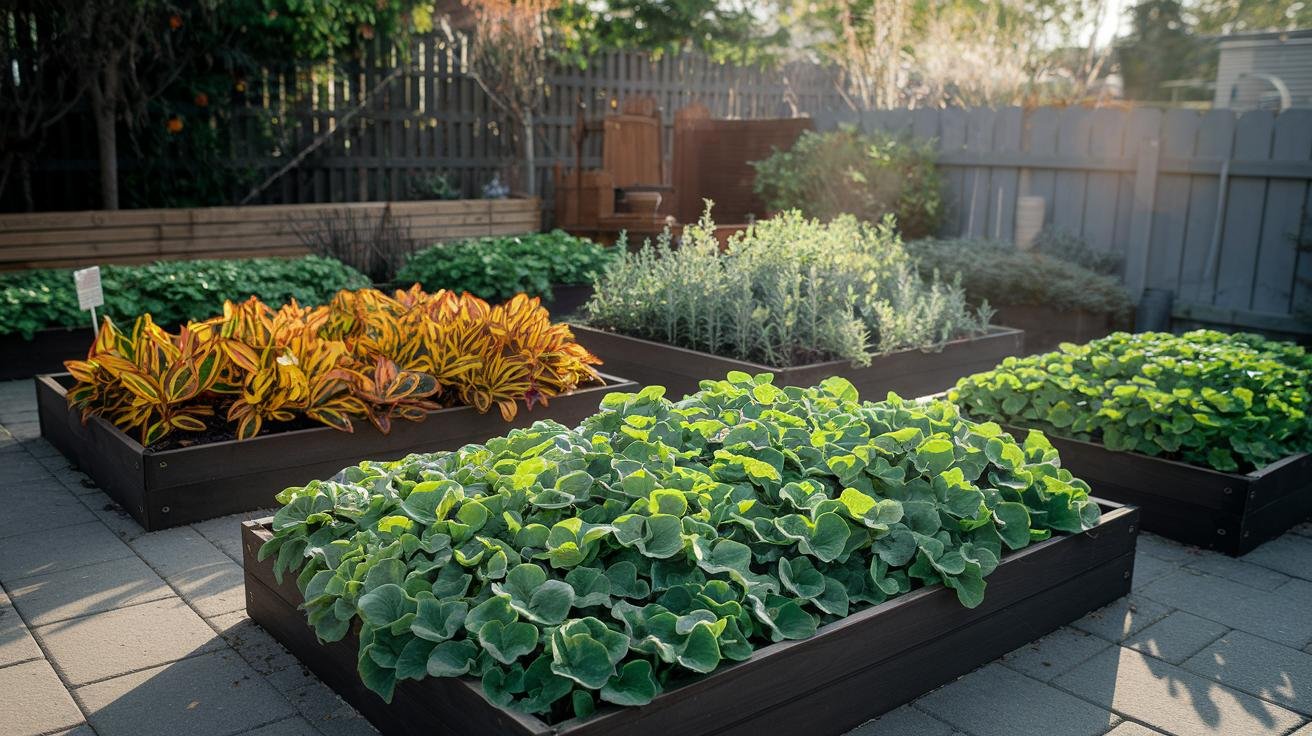
The Cover Crop Seeds I Reach For
You don’t need much seed for a raised bed — a single small bag usually covers several beds and a couple of seasons — so I’d rather buy something reliable than the cheapest scoop at the feed store. These are the ones I keep on the shelf, grouped by what they’re genuinely best at rather than by price. The tiers below ($ to $$$) are the honest part; exact prices bounce around too much to quote.
If you want one bag that does the whole job, a balanced garden mix is the easiest place to start. The Outsidepride Gardenway Cover Crop Seed Mix blends grasses and legumes — triticale, peas, oats, annual ryegrass, vetch, and crimson clover — so you get soil-holding roots and nitrogen fixing from a single sowing without having to think about ratios. It’s my default recommendation for anyone growing cover crops for the first time, because a blend hedges against a bad establishment year: if one species struggles, another fills in. A five-pound bag is far more than a few raised beds need, which means it lasts, and the seed keeps fine in a cool, dry spot between seasons.
For beds that feel tight and airless — the ones where the soil packs down hard by midsummer — I reach for a blend with a taproot in it. The No-Till Garden Cover Crop Mix includes daikon radish alongside hairy vetch, collards, and triticale, and those radishes drill deep, then rot over winter to leave the soil riddled with soft vertical channels. It’s a genuinely satisfying thing to dig into come spring, and it’s built for exactly the no-till, leave-it-in-place approach that suits raised beds. Same tier as the Gardenway mix, just aimed at compaction rather than all-purpose use.
When I specifically want free nitrogen for next year’s tomatoes or squash, I sow a single legume, and Outsidepride Crimson Clover Seed is the one I trust. It comes nitro-coated and inoculated, which is a small detail that matters — the coating carries the rhizobia bacteria the clover needs to actually fix nitrogen, so you’re not gambling on whether your soil already has them. It’s inexpensive, establishes easily in early fall, and in spring the bed turns a gorgeous deep crimson before you turn it under. Hard to beat for the price, which is why it sits in the budget tier. Those hungry follow-on crops, like the ones in our guide to planting tomatoes in raised beds, are exactly who benefits from that stored nitrogen.
For the coldest gardens and the toughest winters, nothing beats cereal rye. The Mountain Valley Seed Co. No-Till Winter Rye is a non-GMO cover-crop rye (not lawn ryegrass — an important distinction) that germinates fast in cool soil and stays green when everything else has quit. It’s the best insurance against a bare bed washing out over winter, and its dense roots leave the soil noticeably looser. Just remember the allelopathy note above and give it a couple of weeks before sowing tiny seeds behind it. Budget tier, and a five-pound bag will outlast several winters.
Finally, for summer gaps — that awkward stretch when a bed is empty in July and you don’t want to leave it to the weeds — Outsidepride Buckwheat Seed is the fastest fix I know. Sow it after your last frost, and in four weeks you’ve got a thick, weed-smothering canopy dotted with white flowers that the bees love. It’s not winter-hardy and it’s not a nitrogen fixer, so think of it as a warm-season placeholder that builds organic matter and buys you time, then dies cleanly at frost to become mulch. Budget tier, and a one-pound bag covers a lot of summer beds.
One tool worth mentioning while we’re here: getting seed spread evenly by hand is harder than it looks, and clumpy sowing gives you a patchy stand. A small Scotts Whirl Hand-Powered Spreader makes broadcasting fine seed over a bed far more even than a cupped hand ever will, and it’s just as useful for grass seed and fertilizer the rest of the year. Not essential for a single small bed, but if you’re covering several, it earns its keep.
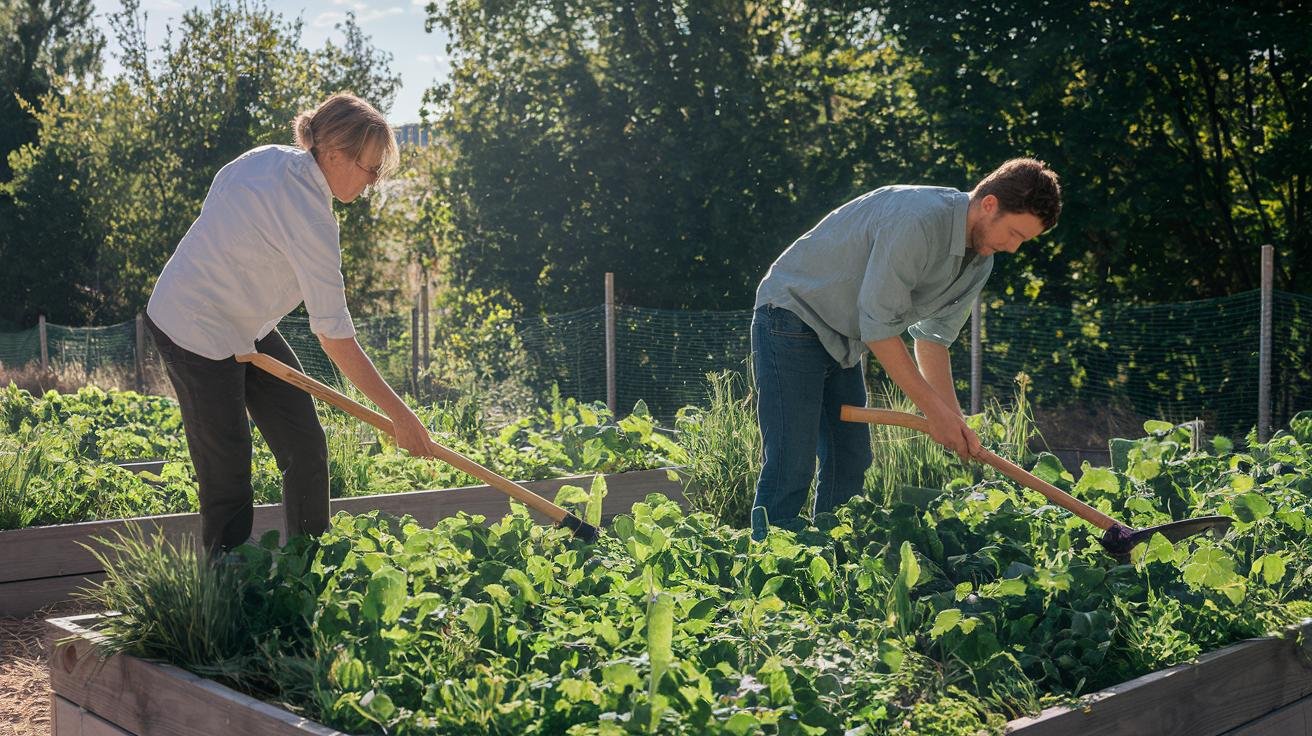
How to Sow a Cover Crop in a Raised Bed
Sowing a cover crop is genuinely one of the easiest jobs in the garden — there’s no spacing to fuss over and no thinning — but a few small steps make the difference between a thick, even stand and a patchy one. Here’s the routine I follow.
- Clear and lightly rake the bed. Pull the last spent crop, rake the surface roughly level, and break up any crust. You want loose contact between seed and soil, not a smooth, sealed surface.
- Broadcast the seed by hand or spreader. Scatter it as evenly as you can across the whole bed. A rough guide for a 4×8 bed is a small handful of a blend, or about a half-cup of rye plus a quarter-cup of clover if you’re mixing your own — err on the generous side, since a dense stand smothers weeds better.
- Rake it in shallowly. Lightly rake so most seed is buried a quarter to a half inch. Cover-crop seed is small; bury it too deep and it won’t come up, leave it all on top and the birds will thank you.
- Water gently and keep it moist. Water in with a fine spray and keep the surface damp until germination, which is usually four to ten days. This is the only part that needs attention — dry seed just sits there.
- Mulch lightly if you like (optional). A thin scatter of straw over the seed helps hold moisture and hide it from birds, especially for fall sowings. Keep it thin so seedlings push through.
Timing is the thing to get right. Cool-season covers want to be in the ground four to six weeks before your first hard frost so they establish real growth before winter; a rye or clover sown too late will survive but won’t give you much biomass. Buckwheat and other summer covers just need frost-free weather and warm soil. If you’re not sure when your windows fall, matching sowing to your zone the way our guide to zone-specific fall seed starting lays out will keep you from missing the fall planting date.
Turning the Crop Back Into Soil
Growing the cover crop is only half of it — the payoff comes from how you end it. The goal is to kill the plants and get that green growth breaking down in the bed, ideally two to four weeks before you want to plant, so the soil life has time to digest it into something roots can use. In a small raised bed you don’t need machinery or herbicide; a few simple methods work.
The gentlest is chop-and-drop. Cut the cover crop down at the soil line with shears or a hori-hori just as it begins to flower (that’s when it’s most nutrient-rich and before it sets seed), then lay the tops right back on the bed as mulch. The roots stay in the ground and rot in place, feeding the soil and leaving their channels intact, while the tops break down on top like any mulch. It’s the least disruptive to soil structure and my default for a no-dig bed. For a faster turnaround, you can chop the growth and shallowly work it into the top few inches, which speeds decomposition but disturbs the soil more. Either way, wait the two to four weeks before planting, and wait the longer end after rye because of that seed-suppressing residue.
Frost does the terminating for you with buckwheat and any tender summer cover — it dies on the first hard freeze, and you can simply leave the collapsed growth as a winter blanket and clear it in spring. Whatever the method, resist the urge to strip the bed bare and cart the residue off to the compost pile. The whole point was to add organic matter to this bed; letting it break down where it grew is what builds the soil. Once it’s decomposed, you plant straight into a bed that’s richer and looser than the one you left in fall — and if you want to top it off, a light layer of finished organic soil amendments on top of a broken-down cover crop is a combination that’s hard to beat.
Cover Crop Mistakes That Cost You a Season
Cover cropping is forgiving, but a handful of mistakes show up again and again, and each one quietly wastes a season. The first is sowing too late. A cover crop needs time to grow before cold or heat shuts it down; a rye sown in late November in a cold zone technically lives but produces almost no biomass, which means almost no benefit. Get the seed down while there’s still growing weather.
The second is letting the crop go to seed. If you let clover, rye, or vetch flower and set seed before you cut it, you’ve just planted next season’s volunteers throughout the bed, and you’ll be pulling cover-crop seedlings out of your carrots for months. Terminate at early flowering, not after. The third is planting a bed too soon after turning in a heavy cover, especially rye — the breaking-down residue ties up nitrogen and can suppress small seeds, so a rushed planting sulks. Give it the two-to-four-week rest.
The fourth mistake is choosing the wrong crop for the goal, like sowing a grass when what the bed really needed was nitrogen for hungry tomatoes, or a tender buckwheat right before winter. Match the plant to the season and the job, using the table above. And the last one is overthinking it into never starting at all. A patchy, imperfect cover crop still beats bare soil every single time — the beds don’t need a perfect stand, they just need something green holding the ground and feeding it. Start with a forgiving blend or a bag of crimson clover this fall, and let the results talk you into doing it again.
Recommended gear for this project
As an Amazon Associate, Backyard Superstar earns from qualifying purchases at no extra cost to you.
- Best all-in-one — Outsidepride Gardenway Cover Crop Seed Mix ($$). A grass-plus-legume blend that builds soil and fixes nitrogen in a single sowing.
- Best for compacted beds — No-Till Garden Cover Crop Mix ($$). Daikon radish drills deep and rots out to leave soft channels through the soil.
- Best nitrogen fixer — Outsidepride Crimson Clover Seed ($). Nitro-coated, inoculated, and cheap — free nitrogen for next year’s heavy feeders.
- Toughest for winter — Mountain Valley No-Till Winter Rye ($). Cold-hardy cover-crop rye that holds soil and smothers weeds through the coldest months.
- Best for summer gaps — Outsidepride Buckwheat Seed ($). Grows a weed-smothering canopy in about a month, then dies cleanly at frost.
- For even sowing — Scotts Whirl Hand-Powered Spreader ($$). Broadcasts fine seed far more evenly than a cupped hand across several beds.
Frequently Asked Questions
What is the best cover crop for a raised bed?
For most home gardeners a balanced grass-and-legume blend is the best all-round choice, because it builds soil-holding biomass and fixes nitrogen in one sowing. If you want a single species, crimson clover is the easiest nitrogen fixer for fall, and cereal winter rye is the toughest for cold-winter erosion control.
When should I plant cover crops in raised beds?
Sow cool-season covers like clover, rye, and vetch four to six weeks before your first hard frost so they establish before winter. Sow warm-season covers like buckwheat any time after your last spring frost when the soil is warm, to fill summer gaps between crops.
Do I have to dig cover crops into the soil?
No. In a raised bed you can simply cut the crop down at flowering and leave the tops on the surface as mulch while the roots rot in place — the chop-and-drop method. Digging it in a few inches speeds decomposition but disturbs the soil more, so it’s a matter of preference.
How long after a cover crop can I plant vegetables?
Wait about two to four weeks after cutting the crop down so it can start breaking down and stop tying up nitrogen. Allow the longer end of that range after winter rye, because its residue can temporarily suppress small direct-sown seeds; transplants can usually go in sooner.
Will a cover crop take over my garden?
Not if you terminate it before it sets seed. The main way a cover crop becomes a weed is by being left to flower and drop seed in the bed, so cut it at early flowering. Choosing an annual like buckwheat or crimson clover rather than a perennial also keeps it from persisting.