How to Choose a Hammock Stand for Small Yards
A small backyard doesn’t disqualify you from a hammock — it just narrows the field of stands that will actually fit. The right hammock stand for a small yard is one that’s around 8 to 10 feet long, supports the weight you need, sits stable on whatever ground you’ve got, and folds out of the way when you aren’t using it. I’ve set up stands on patios, soft lawns, and gravel, and the difference between a stand you love and one you trip over comes down to a handful of decisions up front. Here’s how to pick one, set it up, and keep it from taking over the yard.
As an Amazon Associate, Backyard Superstar earns from qualifying purchases at no extra cost to you.
The Short Answer: Best Hammock Stand for a Small Yard
If you don’t want to read the whole thing, here’s the short version: a space-saving stand 8 to 10 feet long and under 3 feet wide, rated for at least 300 pounds, fits almost any small backyard with room to spare. Steel space-saving stands are the most common — heavy and stable, and they collapse for storage. Aluminum is lighter if you’ll move it often. Wood looks the best of the three but takes the most space and the most yearly upkeep.
For most people, a steel space-saving combo that includes the hammock is the easiest way in. The Amazon Basics Double Hammock with 9-Foot Steel Stand is the value pick I point friends to — a 9-foot footprint that fits a compact yard, a 450-pound capacity that covers two adults, and a carry case so it breaks down for the off-season. You get the stand and the hammock in one box, which saves you matching them yourself (value pick, $$).
If you want a name-brand version that holds up year after year, the Vivere Double Cotton Hammock with Space-Saving Steel Stand is the one I see last the longest. Same 9-foot, 450-pound space-saving format, assembles in minutes with no tools, and the cotton bed is genuinely comfortable. It comes in a pile of colors, so it’s the easy choice if you care how the thing looks in the yard (style pick, $$–$$$).
What to check before you buy:
- Length: 8–10 ft is the sweet spot for compact yards.
- Capacity: 300 lb covers one adult plus a book and a drink; 450 lb covers two adults lounging together.
- Footprint width: under 3 ft fits between most patio furniture.
- Folding/breakdown: the difference between off-season storage and a frame that lives in your yard year-round.
- Surface: paved, soft soil, and grass each call for different anchoring — more on that below.
How to Size and Place a Hammock Stand in a Tight Yard
Measure twice. Most hammock stands run 8 to 10 feet long and under 3 feet wide, so you need a clear footprint that long plus about a foot of breathing room at each end so the hammock doesn’t catch on anything when it sways. Look up, too — low branches, awnings, or string lights can knock against a hanging hammock if the height isn’t right.
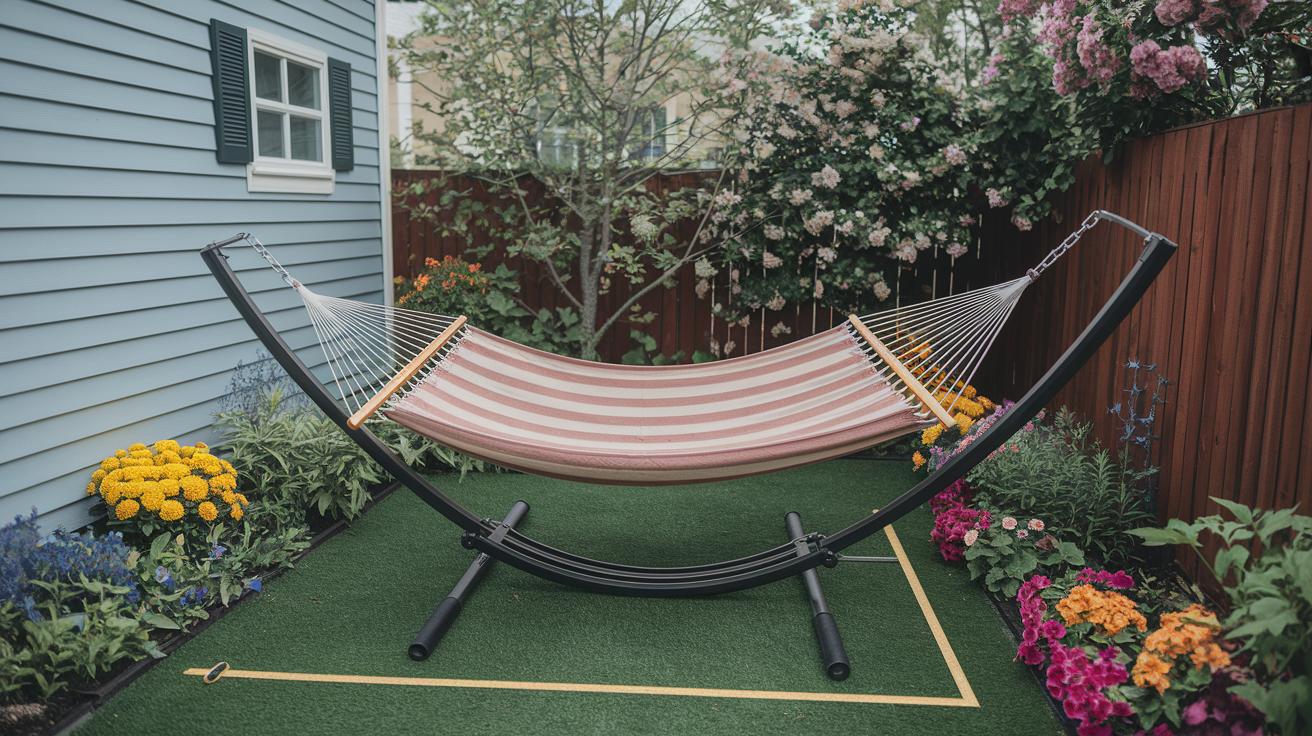
A quick checklist before you order:
- Measure the yard length and width where the stand will live.
- Mark the four corners with stakes or chalk so you can see the footprint on the ground.
- Check whether the surface is soft soil, hard-packed dirt, paved, or grass — each anchors differently. Soft soil and sand need ground anchors made for loose surfaces; hard-packed dirt or clay holds standard stakes well; a patio slab is the easiest of all.
- Leave at least 12 inches of side-to-side clearance from walls, fences, and large planters.
Capacity matters as much as footprint. A stand rated for 300 pounds covers one adult plus accessories; 450 pounds is the line for two adults lounging together. Don’t shop on the headline weight number alone, though — the rated capacity assumes the stand is set up correctly on a level surface, and the safety margin shrinks fast on uneven ground. For the full breakdown, see our garden hammock weight capacity guide.
If your yard is genuinely narrow but has two solid trees the right distance apart, a between-trees install is actually cheaper and uses zero floor space. That’s a different setup, though — we cover it in how to install a backyard hammock between trees. For yards with no suitable trees, a stand is the move.
Steel vs. Aluminum vs. Wood: Picking a Stand Material
The three common materials are steel, aluminum, and wood. Each has tradeoffs that matter more in a small yard than they would in a big one, because you’ll see and bump into the stand more often.
Steel Stands
Steel is heavy, stable, and inexpensive. A powder-coated steel finish holds up to rain and dew for years if you store it under cover off-season or accept some surface wear. The weight is the point — a 50-pound steel stand isn’t going to tip when a kid runs past, and you can leave it set up without worrying about wind shifting it. If you want a stand only (you’ve already got a hammock you like), the SUPER DEAL Portable 9-Foot Steel Hammock Stand is the budget workhorse — a 620-pound static capacity, six adjustable hook positions so you can dial in the sag, and a carry case for breakdown (budget pick, $). The downside in a small yard: it’s heavy enough that you won’t want to move it twice. Pick steel if the stand is staying in one spot.
Aluminum Stands
Aluminum is the small-yard sweet spot when you’ll move the stand often. It weighs about half what steel does, doesn’t rust, and many aluminum setups fold down small for storage in a closet, behind a grill, or against a garage wall. The tradeoff is a little more flex and, usually, a lower weight rating. For a one-person, move-it-anywhere setup — patio at home, campsite on the weekend — the KingCamp Free-Standing Hammock with Aluminum Stand packs into a carry bag and sets up on any flat surface. It’s rated for a single adult rather than two, so think of it as the portable, lightweight option rather than the family lounger (lightweight/portable pick, $$).
Wooden Stands
Wood stands look the best of the three. A solid oak or pine beam in a stained finish blends with raised beds, cedar fencing, and the rest of your outdoor furniture in a way metal never will. The cost is upkeep: you’ll need to reseal the wood once a year, more often in wet climates, or the beams will swell and crack. Wood stands also take up the most width and don’t fold, so they’re less practical if you need to clear the yard for parties or winter storage. If you’re handy, building one from pallet wood is cheaper than buying — pick wood (or a DIY build) if you’ll leave the stand out year-round and want it to read as furniture, not equipment.
Bottom line: steel for a stable, stay-put stand on a budget; aluminum if you’ll move it often or need it to pack away; wood if you’re prioritizing how it looks over how easy it is to move.
Tool-Free Assembly and Storage Tricks for Compact Spaces
Most modern hammock stands ship tool-free. The two parts you’ll deal with are quick-release pins — small metal pegs that lock the frame sections together — and telescoping tubes that adjust the stand’s overall length. Snap the pins, slide the tubes to the length you want, and you’re done. Plan on 15 to 20 minutes for the first setup; faster every time after that.
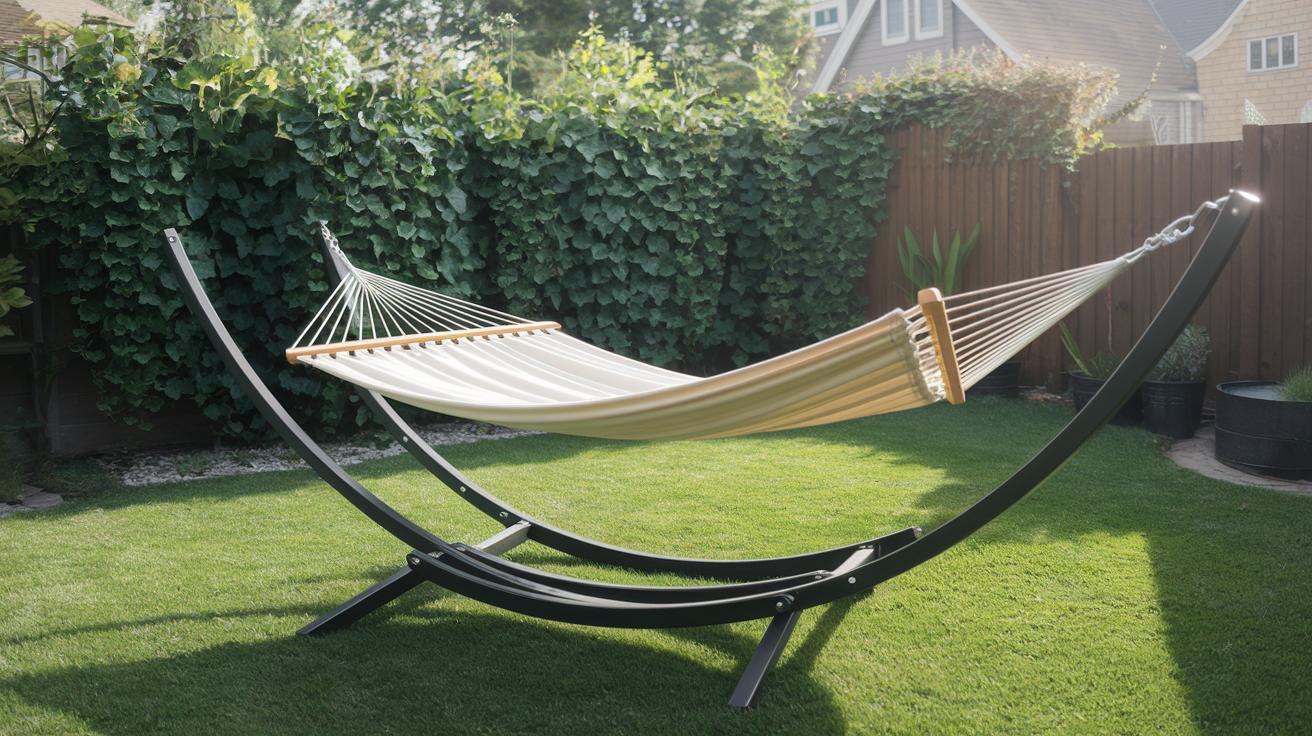
A few setup tips that aren’t always in the instructions:
- Lay all the pieces out before you start. The kit will have 6 to 10 parts and there’s no point fishing for one once you’ve started assembly.
- Hand-tighten every connection first, then go around and snug each one. Tightening them one at a time can leave you with a frame that’s slightly out of square.
- If the stand has stabilizer bars at the base, install those last. They’re easier to align once the upper frame is locked in.
For storage, fold-flat and breakdown frames are the clear winner in a small yard. Space-saving steel stands collapse into 4 to 6 long pieces that bundle into the included carry case; lightweight aluminum packs even smaller. Either way, the bundle leans neatly against a garage wall, slots behind a grill, or fits into a corner of a shed. Wood stands typically don’t break down at all, so plan on leaving a wood stand out or earmarking a covered porch for it — tarping it for winter helps but doesn’t replace the year-end reseal.
Style, Budget, and Double-Duty Hammock Stand Ideas
Once the stand is functional, the next question is whether it looks like part of the backyard or a piece of gym equipment dropped in the grass. A few small choices make the difference.
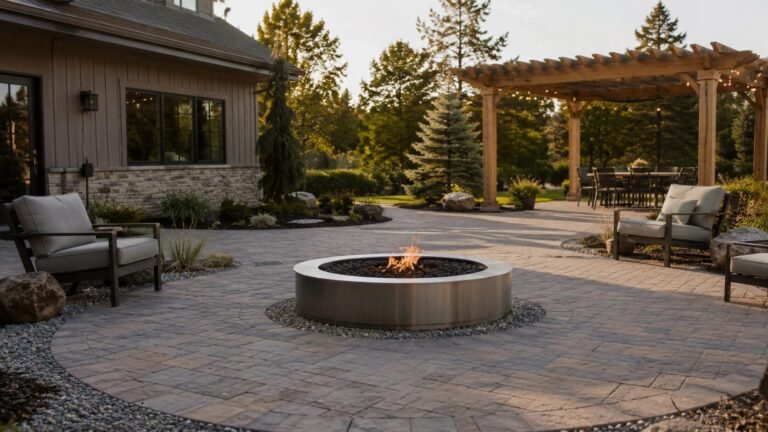
Pick a finish that matches what’s already outside. Natural oak or teak stains on a wood stand pull in the warmth of a cedar fence or raised beds. Black or graphite powder-coated metal frames look at home next to modern patio furniture or a steel fire pit. Tan and bronze finishes are the safest hedge if you don’t want to commit to either palette.
Budget-wise, here’s what each price band gets you:
- Entry level: Basic steel stands. Solid construction, basic powder coat, 300–450 lb capacity. Functional but no frills.
- Mid range: Space-saving steel combos that include a hammock and a carry case. This is where I’d shop for a small yard — you get everything in one box.
- Premium: Name-brand combos with better fabric, reinforced joints, or lightweight aluminum frames, plus entry-level wood stands.
- Top tier: Solid hardwood (oak, cypress, cedar) stands — heirloom-furniture pricing for an heirloom-furniture object.
A surface that’s already in good shape — a level patio slab, a deck — doesn’t need a stand-specific mat underneath. Soft grass, sand, or gravel benefits from a small rubber pad or paver under each leg to keep the stand from sinking after a few weeks of use.
For dressing up the area around a small-yard hammock, a few options that work in tight space:
- Surround the stand with potted ferns, ornamental grasses, or trailing ivy for shade and a sense of enclosure. Our roundup of the best plants to plant around a backyard hammock area covers low-fuss options that handle the foot traffic.
- Run a string of overhead lights for evening atmosphere. A solar set like the Brightech Ambience Pro Solar String Lights needs no outlet — the panel charges during the day and the Edison-style bulbs throw a warm glow over the hammock at night (accessory, $$).
- Add a small side table beside the stand for a drink, a book, or a phone. A weatherproof resin table like the Keter Adirondack Deluxe Patio Side Table shrugs off rain and won’t rust next to a metal stand (accessory, $). Having a spot for your stuff turns a hammock into a real lounging zone instead of a one-trick perch.
If you’re handy and like a project, you can build a stand-and-pergola hybrid from pallet wood for considerably less than a pre-made wood stand. Our garden hammock frame plans for pallet wood walks through the full build, including the bracket choices that handle the load.
Picking a Hammock Stand You’ll Actually Use
The best hammock stand for a small yard is the one that fits the space, suits how often you’ll move it, and matches the look you want. For most people working with a tight footprint, that’s a 9-foot space-saving steel combo rated for 450 pounds — sturdy enough to lounge in comfortably, and small enough off-season that it doesn’t take over the garage. Go aluminum if you’ll move it constantly, or wood if you want it to read as furniture and don’t mind the upkeep.
Whatever you pick, the 20 minutes you spend measuring the yard and checking the ground anchoring matters more than the brand on the box. Once it’s set up, plan on a quick reseal or rust check at the end of each season — that’s the difference between a stand that lasts five years and one that lasts fifteen. And keep the hammock itself clean and rotated so the fabric ages at the same pace as the frame.
Common Questions About Hammock Stands for Small Yards
What stand size and capacity should I choose for a small backyard?
For most small backyards, a space-saving stand 8 to 10 feet long and under 3 feet wide, rated for at least 300 pounds, is the right starting point. That capacity covers one adult comfortably. Step up to a 450-pound rating if two adults will lounge together.
How do I measure and mark the footprint for a hammock stand in a tight yard?
Measure the yard length and width where the stand will sit, mark the four corners of the stand’s footprint with stakes or chalk, check the ground surface for anchoring needs, and leave at least 12 inches of clearance from walls, fences, and planters on each side.
Which material is best for a hammock stand in a small space?
Steel is the best value for a stable, stay-put stand. Aluminum is lighter and packs away smaller if you’ll move it often. Wood looks the best but takes more space and needs annual sealing.
How long does it take to assemble a foldable hammock stand?
Most modern foldable hammock stands use tool-free quick-release pins and telescoping tubes, and assemble in 15 to 20 minutes the first time. Subsequent setups go faster — usually under 10 minutes.
What does a hammock stand for a compact backyard typically cost?
Entry-level steel stands are the cheapest, mid-range space-saving combos that include a hammock cost more but bundle everything together, and solid-hardwood wood stands sit at the top of the range. Confirm current pricing on the product page before you buy.
Can a folding hammock stand safely hold two people?
Yes, as long as the stand is rated for the combined weight. Look for a capacity of 450 pounds or higher for two adults, set the stand up on a level surface, and check that all quick-release pins are fully seated before getting in.