Hummingbird Garden Design Ideas That Bring Them In
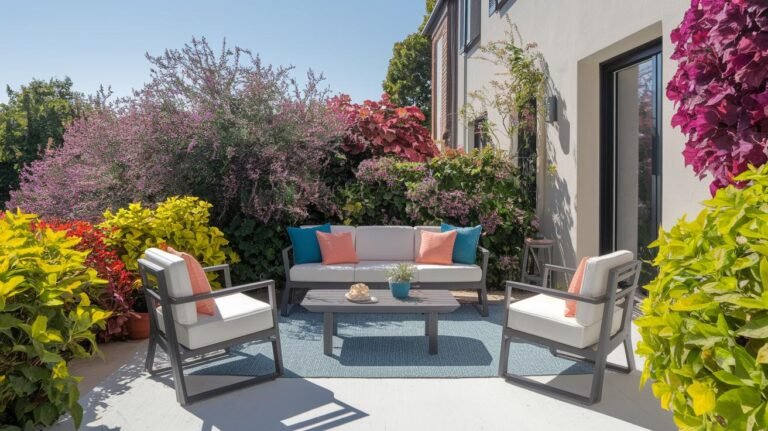
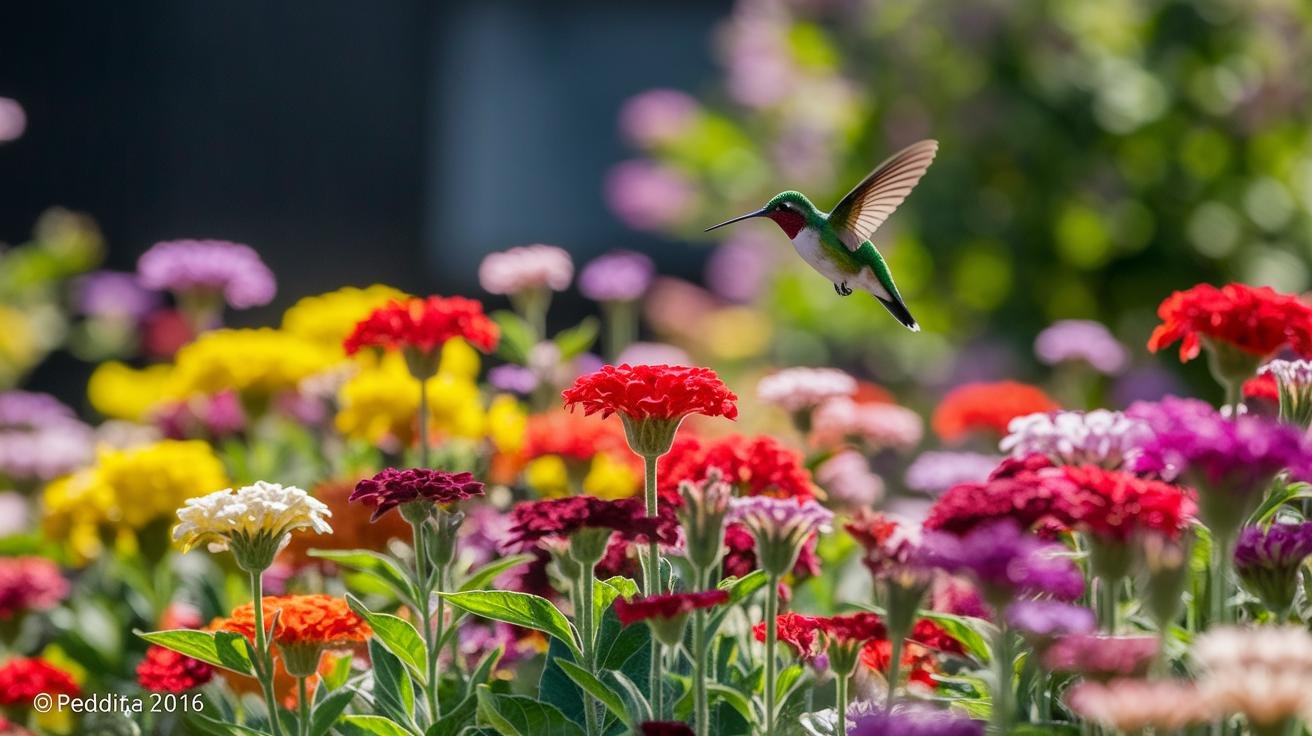
The first time a hummingbird hovered a foot from my face, close enough that I heard the hum before I saw the blur, I was hooked for good. You don’t need much land to earn that moment. A few of the right plants, a little thought about how they’re arranged, and a reliable place to drink is all it takes to turn a patio or a strip of border into a spot these birds check every single day. Good hummingbird garden design isn’t about cramming in color — it’s about reading the yard the way a hummingbird does, from bright nectar out in the open to a shady branch to rest on, and giving them a reason to keep circling back.
Here’s how I put a hummingbird garden together, from the layout and the plants right through to feeders, water, and the small habits that keep the whole thing humming from spring to frost.
As an Amazon Associate, Backyard Superstar earns from qualifying purchases at no extra cost to you.
Design the Layout to Guide Their Flight
Hummingbirds are territorial little things, and they move through a garden along predictable routes — from a high perch where they can survey the yard, down to a patch of nectar, and back up to rest and defend their patch. When you design with that rhythm in mind, the garden works with them instead of against them.
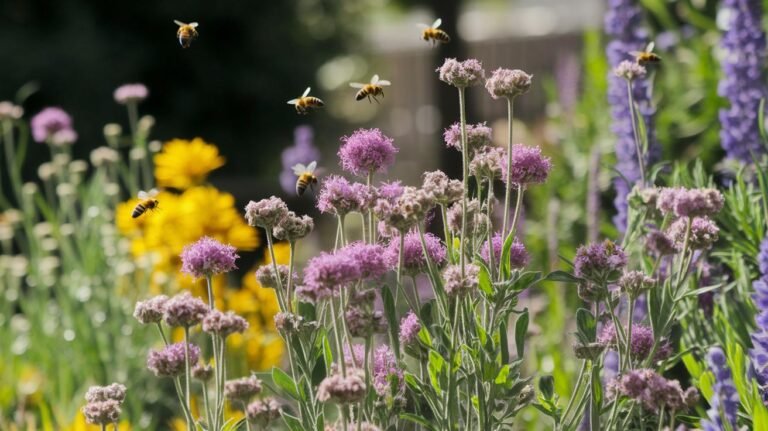
The single most useful trick I’ve learned is to plant in drifts rather than dots. A lone salvia gets ignored; a sweep of five or seven of the same plant reads as a destination from across the yard. Odd-numbered groups look more natural than even ones, and clustering the same species together means a bird can work several blooms without darting all over. I like to set those drifts so they lead the eye — and the birds — from a sunny opening toward a leafier, shadier edge, because that’s the path a hummingbird tends to take: feed in the sun, retreat to the shade.
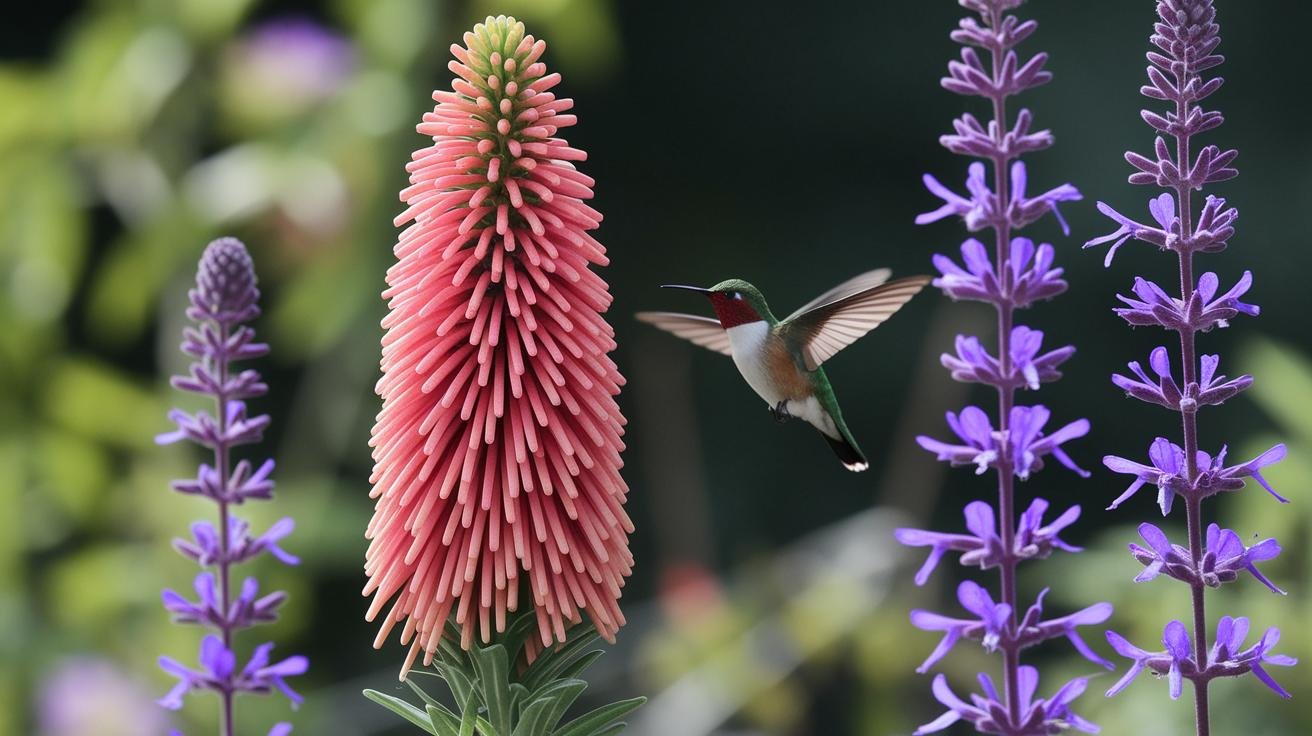
Then pick your loudest color and use it sparingly, as a beacon. A single stand of fire-engine-red bee balm or a red hot poker against a green backdrop pulls hummingbirds in from a surprising distance; reds and hot oranges are the colors they spot first. Ring that focal point with medium-height perennials so the planting feels full and layered rather than like a row of soldiers. And spend one afternoon actually watching where the sun falls — most nectar plants want six or more hours of it, so knowing your bright spots before you plant saves you moving things later. If you’re starting a border from scratch, my guide to designing a pollinator garden walks through the same bones for bees and butterflies.
The Nectar Plants Hummingbirds Actually Seek Out
Everything else is set dressing; the plants are the reason a hummingbird shows up. What you’re after are tubular, nectar-heavy flowers, ideally natives, in reds, oranges, and hot pinks. A hummingbird’s long bill and tongue are built to reach into deep flower tubes that most insects can’t, so those trumpet and spike shapes are exactly what they’re looking for. Native species tend to hold more nectar and bloom in sync with the birds’ migration, which is why they out-perform showier hybrids that were bred for looks over nectar.
These are the workhorses I come back to, and between them they’ll cover a long stretch of the season:
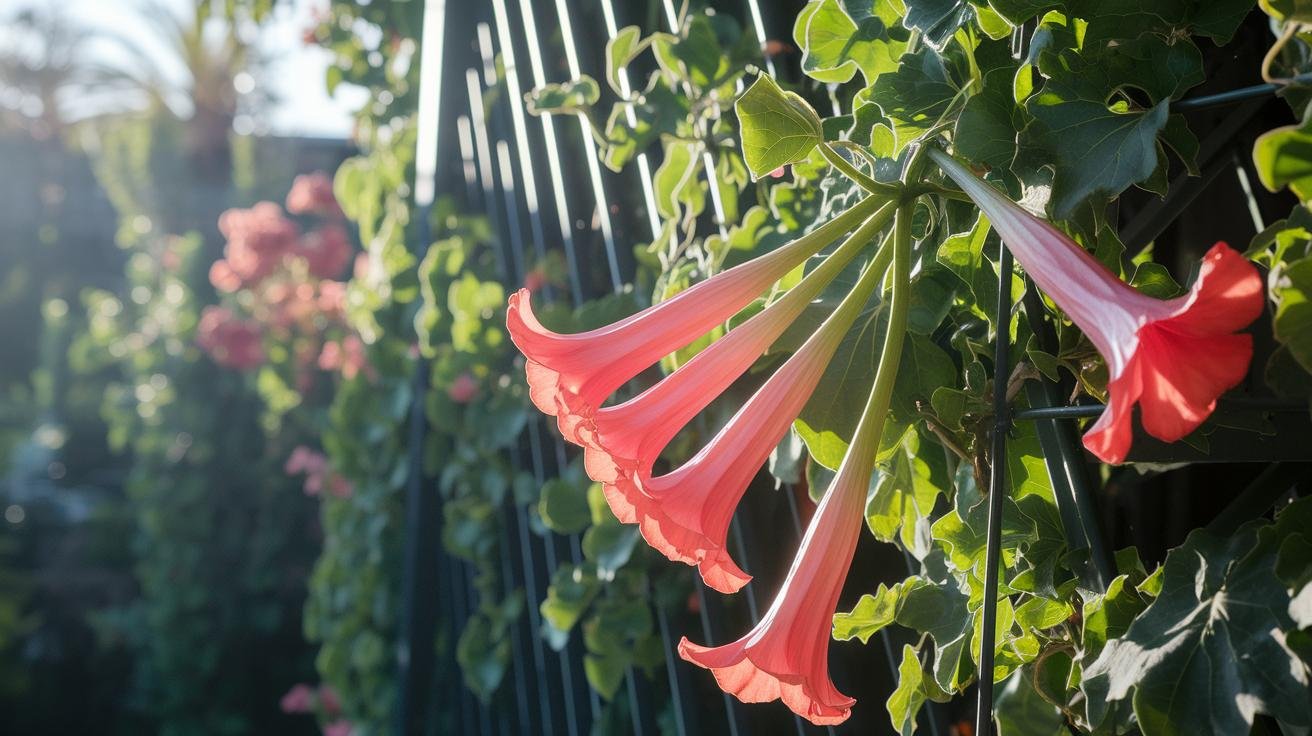
- Trumpet vine (Campsis radicans) — vigorous native climber, orange trumpets from summer into fall. Give it a sturdy support and room; it’s enthusiastic.
- Bee balm (Monarda didyma) — shaggy red and pink pompoms in midsummer, minty-scented foliage, an absolute magnet.
- Salvia (Salvia spp.) — spikes of tubular blooms that keep coming for weeks; native types like Salvia azurea tuck their nectar deep.
- Cardinal flower (Lobelia cardinalis) — tall, deep-red spires for a moist corner, and hummingbird catnip in late summer.
- Columbine (Aquilegia canadensis) — nodding red-and-yellow spurred flowers for spring, happy in part shade.
- Red hot poker (Kniphofia uvaria) — torch-like orange-red spikes that pour out nectar and make a fearless focal point.
- Agastache (Agastache spp.) — anise-scented foliage under lavender-pink spikes, blooming right through late summer.
You don’t need all seven. Pick three or four that suit your light and soil, plant each in a small drift, and stagger them so something’s always in flower. Bee balm is where I’d point a beginner — it’s cheap from seed, spreads into a generous clump, and hummingbirds find it fast. A packet of bee balm (Monarda) seeds costs less than a coffee and gives you enough plants to anchor a whole bed (budget range, $). For a fuller shopping list of regionally-appropriate options, see my roundup of the best native plants for pollinator gardens, and if your best spot sits in dappled light, shade-tolerant nectar plants will serve both hummingbirds and butterflies.
Plan for Blooms From Spring to Frost
A hummingbird garden that peaks for three weeks in July and then goes quiet won’t hold birds. The goal is an overlapping relay of bloom, so that as one plant fades another is already opening. This matters most at the shoulders of the season — early spring, when migrants arrive hungry and little else is flowering, and fall, when they’re fueling up to leave.
I map it out loosely by season and let the plants do the rest. Early on, shrubs like azalea or a redbud along a path carry the garden until the perennials wake up. Columbine and trumpet vine bridge into early summer; bee balm and salvia take over the heat of midsummer; and red hot poker and late salvias carry the torch into fall. Here’s the simple framework I plant to:
| Season | What’s carrying the nectar |
|---|---|
| Early spring | Columbine, flowering shrubs (azalea, redbud) |
| Late spring–early summer | Trumpet vine, early salvia |
| Midsummer | Bee balm, salvia, agastache |
| Late summer–fall | Red hot poker, cardinal flower, late salvias |
Leaning on perennials that already bloom for a long window makes this far easier than chasing a dozen short-lived plants — my list of sun-loving perennials that bloom all season is a good place to start filling gaps. Keep deadheading spent flowers as you go and most of these will push out fresh blooms rather than setting seed and quitting.
Add Feeders and Moving Water
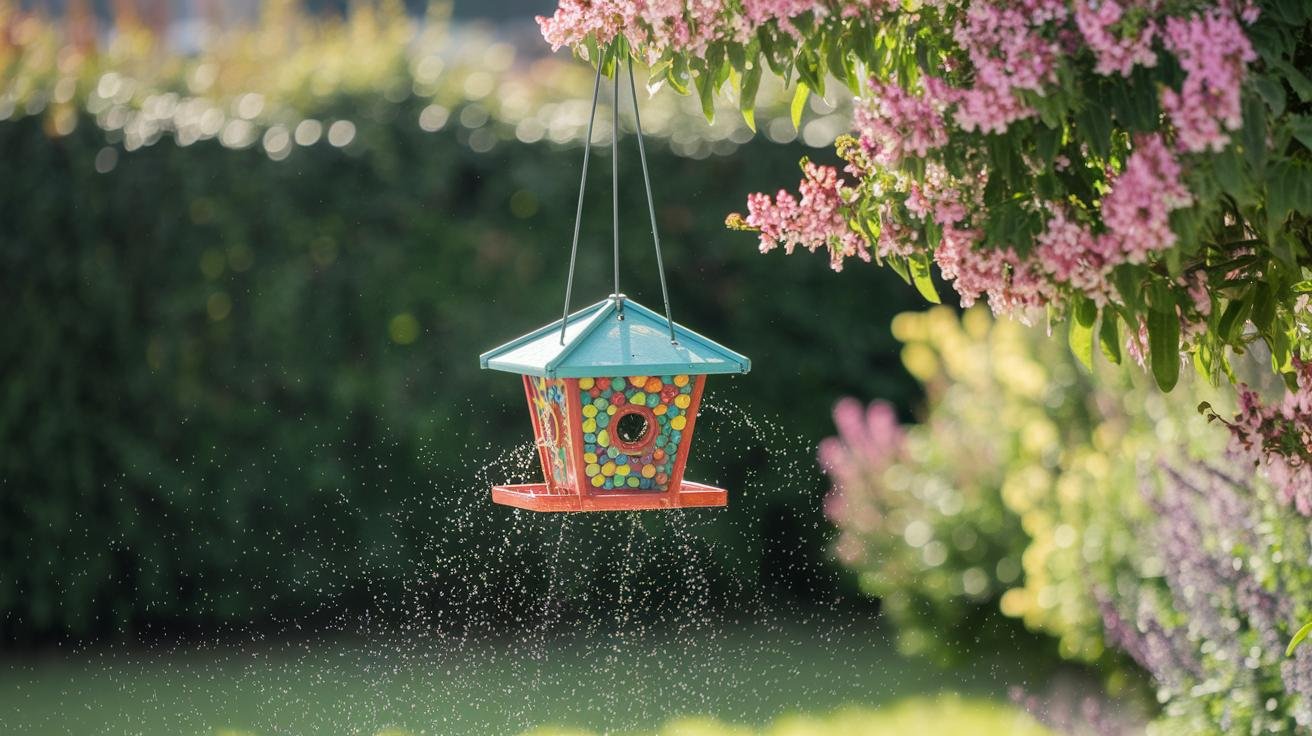
Plants are the foundation, but a feeder bridges the hungry gaps — the week before your salvia opens, or the cool days of early spring and late fall when blooms are scarce. A feeder is also the fastest way to convince a passing bird that your yard is worth a second look while your plantings fill in.
My advice is to buy a feeder you’ll actually keep clean, because sugar water ferments fast in summer heat and a dirty feeder does more harm than good. Saucer-style feeders win here: the nectar sits in a shallow basin below the ports, so there’s no vacuum to drip, bees can’t reach it, and the whole thing twists apart to wipe out in seconds. The Aspects HummZinger HighView is the one serious hummingbird people reach for — a dish feeder with a built-in ant moat that comes apart for cleaning with no fuss (mid-range, $$). If you’d rather cover more ground for less, the classic bottle-style First Nature 32 oz feeder holds plenty, has a wide mouth that’s easy to fill and rinse, and is the proven value pick (budget range, $).
Skip the red dye and the store-bought nectar entirely. Mix your own: four parts water to one part plain white sugar, stirred until it dissolves, no coloring needed. Hang the feeder in part shade so the nectar keeps longer, a few feet from a perch, and change it every three to five days — more often in a heat wave, when it can spoil in a day.
Then give them water, because moving water pulls hummingbirds in almost as reliably as flowers do. They won’t wade into a deep birdbath, but they love a fine spray to fly through and shallow ripples to sip from. The easy win is dropping a small solar bubbler into a shallow dish — a solar-powered birdbath fountain pump runs off sunlight with no cord to bury, and the ripples catch the light in a way that says “come here” from across the yard (budget range, $). Keep the water no more than an inch or two deep, set a flat stone at the edge as a landing spot, and you’ve built a hummingbird spa for the price of lunch.
Give Them Shelter and Places to Perch
It’s easy to focus entirely on feeding and forget that a hummingbird spends most of its day not feeding. They perch — a lot — to rest, to preen, and to keep a jealous eye on their nectar. Give them somewhere to do it and they’ll linger instead of passing through.
Dense shrubs and a small tree or two do double duty: they shelter birds from wind and hawks and give them protected spots to nest. A native honeysuckle, a viburnum, or a row of evergreens along a boundary creates exactly the layered cover they want. Then add a few bare perches — slim, twiggy branches poked into the ground three to five feet above your flowers work perfectly, and a male will often claim the highest one as his lookout. Vary the heights so more than one bird can settle in.
If you want to go a step further, leave a little mess on purpose. Tucking soft plant fiber or moss into a shrub gives nesting females material to work with, and a garden that offers food, water, cover, and nesting sites stops being a rest stop and becomes a home. A design that layers heights — tall shrubs at the back, mid-border nectar plants, low groundcover up front — delivers all of that without any extra effort, and it’s the same principle behind making the most of a tight space in my small backyard design ideas.
Keep It Blooming: Simple Seasonal Care
The upkeep on a hummingbird garden is genuinely light, and most of it is the kind of pottering that’s a pleasure rather than a chore. A few habits keep everything productive.
Deadhead spent blooms weekly — a quick pinch of the faded flowers tells the plant to make more, which is exactly what you want when the whole point is nonstop nectar. Scrub the feeder every time you refill it; a soft bottle brush and hot water clears the cloudiness and the ants before they take hold. When aphids or spider mites show up on tender new growth, start with a blast of plain water, and reach for something gentle only if you have to — an OMRI-listed insecticidal soap concentrate knocks down soft-bodied pests without the broad-spectrum insecticides that would harm the pollinators you’re trying to attract (budget range, $). For a fuller, chemical-light approach, my notes on natural pest control apply just as well in the ground.
Feed the soil, not just the plants: a scatter of compost in spring and a two-inch layer of mulch holds moisture, feeds the bed slowly, and keeps weeds down so your nectar plants aren’t competing. Prune leggy growth in early summer to keep plants bushy and blooming, and cut climbing vines back right after they flower. Do that much, and the garden mostly runs itself while you sit with a cold drink and watch the wings.
Recommended Gear for a Hummingbird Garden
The handful of things that earn their place, from plants to upkeep — all links carry our Amazon Associates tag.
- Bee balm (Monarda) seeds — shop bee balm seeds — cheapest way to anchor a nectar bed. Best starter plant, $.
- Aspects HummZinger HighView feeder — view feeder — easy-clean saucer with an ant moat. Premium pick, $$.
- First Nature 32 oz feeder — view feeder — big capacity, easy fill, proven value. Budget pick, $.
- Solar birdbath fountain pump — view fountain pump — cordless ripples that draw birds in. Water feature, $.
- Safer Brand insecticidal soap concentrate — view soap — gentle, pollinator-safe pest control. Upkeep, $.
Frequently Asked Questions
What is the best layout for a hummingbird garden?
Plant nectar flowers in odd-numbered drifts of five or seven rather than single plants, lead those drifts from a sunny opening toward shadier cover, and use one bold red or orange plant as a focal beacon. Add perches above the blooms so birds can rest and defend their patch.
What plants attract hummingbirds throughout the season?
Tubular, nectar-rich natives work best: columbine and trumpet vine for spring into early summer, bee balm, salvia, and agastache for midsummer, and red hot poker, cardinal flower, and late salvias for fall. Choose three or four and stagger their bloom times.
Do I need a feeder if I have nectar plants?
Not strictly, but a feeder bridges the gaps between blooms and draws birds in while your plantings fill out. Use a 4:1 water-to-plain-sugar mix with no dye, hang it in part shade, and clean and refill it every three to five days.
How do I add water for hummingbirds?
Skip deep baths — hummingbirds prefer a fine mist or shallow, moving water. A small solar bubbler in a dish no more than an inch or two deep, with a flat landing stone at the edge, is the simplest setup and needs no wiring.
What colors attract hummingbirds the most?
Reds and hot oranges catch their eye first, with pinks close behind. Use those bold shades as focal points against green foliage, and they’ll spot the garden from a distance.
How do I keep hummingbirds coming back every year?
Offer all four of the things they need — nectar plants, a clean feeder, moving water, and shrubs for shelter and nesting — and keep the garden blooming from spring to frost. A yard that reliably feeds and shelters them becomes a returning stop year after year.