Fence Line Garden Ideas to Transform Your Yard
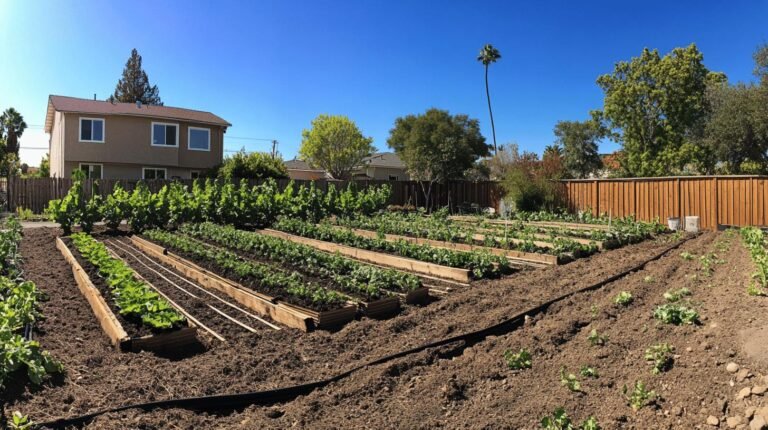
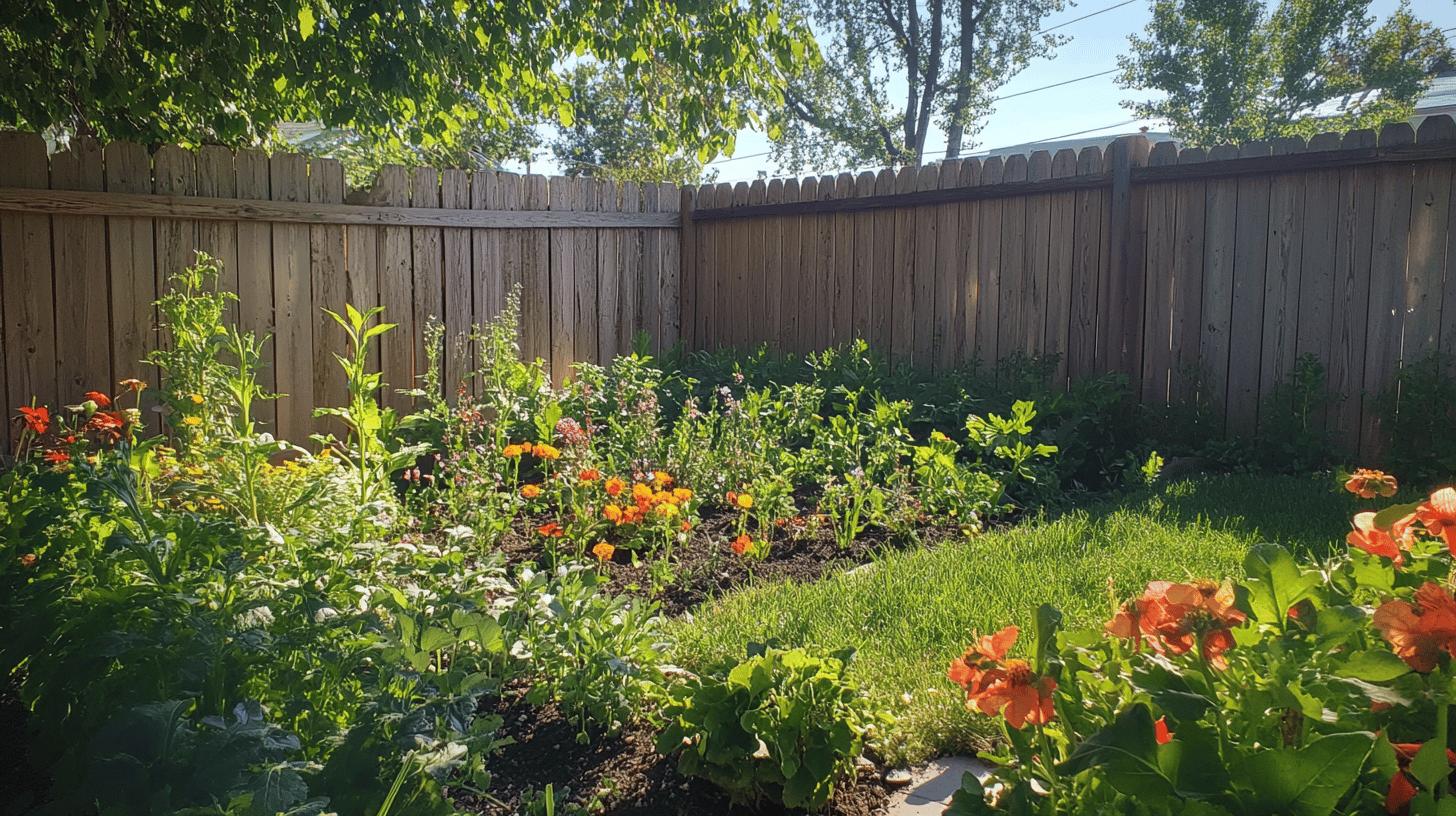
That strip of ground running along your fence is probably the most wasted space in your yard. Most of us treat the fence line as a boundary and nothing more — a place the mower can’t quite reach and the weeds love. But it’s usually the longest continuous planting bed you’ve got, and a fence line garden turns a flat wooden wall into a layered, private, living border. I’ve planted and replanted my own fence line a few times over the years, killed a few things figuring it out, and landed on a setup that looks good without eating my weekends. Here’s how to build one that works.
As an Amazon Associate, Backyard Superstar earns from qualifying purchases at no extra cost to you.
Why Your Fence Line Is Worth Planting
Run a tape measure along your fence and the number usually surprises people. Even a modest suburban lot often has 40, 60, sometimes 100-plus feet of fence — far more linear planting space than the average front bed. Left bare, that space does nothing for you except grow weeds and frame the yard in plain pickets or chain link.
Plant it, and three things happen. You get privacy without building a taller fence, because a row of shrubs reads as a green wall and softens the hard line of the boards. You get a backdrop that makes everything else in the yard — the patio, the lawn, the fire pit — look more finished. And you create habitat: a planted fence line is a highway for bees, butterflies, and birds moving through the neighborhood. For a boundary you were going to have anyway, that’s a lot of return on a weekend of digging.
Lay Out the Border with Curves and Varied Depth
The single biggest mistake I see is a bed that hugs the fence in a straight, skinny ribbon — a foot or two deep, dead parallel to the boards. It looks like a moat. The fix is to let the front edge of the bed wander.
Instead of a straight line, give the border a gentle, undulating front edge that swells out to six feet deep in places and pulls back to three or four in others. That curve does real work: it draws your eye along the length of the yard, it creates pockets where you can drop in a standout shrub or a small tree, and it gives you room to layer plants front to back. A bed that varies between roughly 4 and 15 feet deep starts to feel like a planned border at a botanical garden instead of a strip of foundation planting.
Mark the curve with a garden hose laid on the ground before you cut a single edge — drag it around until the shape looks right from the patio and from the back door, since those are the angles you’ll actually see it from. Then cut the bed to match. Deeper isn’t always better; match the depth to what you’re willing to maintain, because every square foot of bed is a square foot you’ll weed and mulch.
Layer Plants by Height for Privacy and Depth
A fence line border looks best — and screens best — when it’s planted in three rough tiers, tallest at the back against the fence and shortest at the front edge.
Back row (the screen): this is where height and privacy come from. Evergreen or semi-evergreen shrubs in the 6-to-8-foot range do the heavy lifting — sweet viburnum, boxwood grown tall, holly, or upright juniper depending on your climate. Space them so they’ll knit into a continuous wall at maturity without crowding. If you want instant structure while shrubs fill in, a tall iron screen panel like the H Potter Heavy-Duty 2-Panel Garden Screen Trellis gives you a 6-plus-foot privacy element on day one and a frame for a climber to grow up (premium, $$$).
Middle row (the body): flowering shrubs and tall perennials in the 3-to-4-foot range fill the visual gap between the screen and the ground. This is where you play with color and texture across the seasons — think hydrangea, spirea, ornamental grasses, or repeat-blooming roses. Mixing leaf shapes here keeps the border from reading as one green blob.
Front row (the ground level): low, spreading plants under about two feet finish the edge and hide the bare ankles of everything behind them. A run of low-maintenance perennial flowers gives you color you don’t have to replant every spring, and tucking in a spreading ground cover between them shades out weeds and ties the whole front edge together. Keep this row genuinely low so it doesn’t block the plants you spent good money on behind it.
One palette tip that keeps a long border from looking chaotic: pick three or four colors and repeat them down the length rather than planting one of everything. Repetition is what makes a big planting feel intentional.
Use Climbing Vines to Soften a Bare Fence
Shrubs cover the ground in front of the fence; vines cover the fence itself. If you’ve got bare boards or chain link staring back at you, a climber is the fastest way to green up that vertical face. Clematis, climbing roses, honeysuckle, and star jasmine all clamber happily given something to grab, and the flowering kinds give you a fragrant, blooming wall instead of a flat one. My full rundown of the best climbing plants for vertical gardens covers which ones suit sun versus shade and how aggressive each one gets.
Most climbers won’t cling to a smooth wood fence on their own — they need something to twine through. Don’t screw a flimsy trellis straight to the boards; mount it on standoffs an inch or two off the fence so air can move behind the foliage and you can still get to the fence to stain it. For a freestanding accent or a container by the gate, a powder-coated steel obelisk such as the Lalahoni 6-Foot Garden Trellis (2-pack) gives a clematis or climbing rose a sturdy frame and won’t rust out the way bare iron does (mid-range, $$). Whatever you use, get it in the ground before the vine, not after — installing a trellis around an established climber is a thorny, tangled job I’ve learned to avoid.
Water and Mulch So the Bed Maintains Itself
A long border is a lot of plants to keep watered, and dragging a hose down 60 feet of fence every evening in July gets old fast. The answer is drip irrigation on a timer. A drip line snaked through the bed delivers water right at the roots, where it does the most good and the least to encourage fungus, and a timer means you genuinely stop thinking about it. A kit like the Raindrip Automatic Drip Irrigation Kit with Timer bundles the timer, pressure regulator, supply tubing, and drippers sized for shrubs and beds, so you can set up a hands-off system in an afternoon without any plumbing (mid-range, $$). Set it to run in the early morning and you’ll cut your watering chore down to roughly nothing.
Mulch is the other half of low-maintenance. A 3-inch layer of mulch over the bed (and over the drip line) holds moisture in, smothers most weed seedlings before they start, and keeps soil temperature steady through heat waves and cold snaps. As it breaks down it feeds the soil, so you top it up once a year rather than fighting bare dirt all season. I run organic wood-chip or bark mulch and refresh it each spring — my notes on the best organic mulch for weed suppression break down which types last longest and suppress weeds best. Keep the mulch pulled back a couple of inches from shrub stems so you’re not trapping moisture against the bark.
Pruning and Seasonal Upkeep That Keeps It Sharp
A planted fence line isn’t no-work, but it’s close if you stay ahead of it. Most of the shrubs in a border need a real trim only two or three times a year, not every weekend. I do a structural prune in late winter while plants are dormant, a light shape-up after the spring flush, and a tidy in fall — and that’s about it for the bones of the bed.
For the everyday cutting — deadheading spent blooms, snipping wayward shoots, clearing the odd dead branch — a good pair of bypass pruners lives in my back pocket all season. The Fiskars Bypass Pruning Shears cut clean on stems up to about five-eighths of an inch, the blade shrugs off sap, and they’re cheap enough that there’s no excuse not to own a pair (budget, $). Clean cuts heal faster and invite less disease than the ragged tears you get from dull or anvil-style blades, so keep them sharp.
Beyond pruning, the seasonal rhythm is simple: refresh mulch in spring, work a little compost into the bed once a year, pull weeds while they’re small, and watch for pests rather than spraying on a schedule. Plant a mix of species and encourage beneficial insects and nature handles most of the bug pressure for you. A border built on healthy soil and sensible spacing mostly takes care of itself.
Clean Edges and Eco-Friendly Finishing Touches
Here’s the detail that separates a planted fence line that looks deliberate from one that looks like it’s losing a fight with the lawn: a crisp edge where the bed meets the grass. A defined edge stops turf from creeping into the bed, gives you a clean line to mow against, and frames the whole planting. You can cut a simple spade edge and re-cut it each spring, or install a physical border. A no-dig product like the Dimex EasyFlex No-Dig Landscape Edging bends around those curves you laid out earlier and anchors with spikes instead of a trench, so a long run goes in fast (mid-range, $$). If you want to compare materials and styles first, my garden edging guide walks through the options.
To keep the whole border genuinely low-impact, lean on a few habits that pay off over time: companion-plant species that deter each other’s pests, leave a little leaf litter and a brush pile in a back corner for beneficial insects, use fallen leaves as free mulch, and catch rainwater in a barrel to feed the drip system in dry spells. A fence line garden built this way gets easier every year as the plants mature and the soil improves, not harder.
FAQ
What are the best low-maintenance plants for a fence line?
Tough, structural shrubs like sweet viburnum, boxwood, holly, and upright juniper carry the back of the border with minimal fuss, while spreading ground covers and hardy perennials fill the front. Choose species suited to your USDA zone and they’ll need little beyond seasonal pruning and mulch.
How deep should a fence line garden bed be?
Aim for a bed that varies between about 4 and 15 feet deep along its length. The varied depth lets you layer plants by height and creates a fuller, more natural border than a thin strip hugging the fence.
Which plants give the most privacy along a fence?
Dense evergreen shrubs are your best bet — sweet viburnum for fragrant screening, or upright juniper and boxwood for year-round cover. A tall trellis panel or a vine-covered frame adds instant height while the shrubs fill in.
What can I plant to cover a bare fence?
Climbing vines like clematis, climbing roses, honeysuckle, and star jasmine green up the fence itself. Give them a trellis mounted slightly off the boards to grab onto, and they’ll soften the vertical face within a season or two.
How do I keep weeds down in a fence line border?
A 3-inch layer of organic mulch smothers most weed seedlings, and a spreading ground cover fills the gaps weeds would otherwise claim. A clean, defined edge between bed and lawn keeps grass from creeping in.
Do I need irrigation for a fence line garden?
You don’t strictly need it, but a drip line on a timer makes a long border far easier to keep alive through summer. It waters at the roots, wastes less than overhead watering, and removes the daily hose chore.
When is the best time to plant a fence line border?
Spring and fall are ideal, when temperatures are mild and roots can establish before summer heat or winter cold. Fall planting in particular gives shrubs a head start for the following season.