Ideal Soil pH Range for Vegetable Gardens
Vegetables grow best in soil between pH 6.0 and 6.8 — slightly acidic and squarely in the range where most plant nutrients become available to roots. Outside that range, even fully fertilized beds underperform because plants physically can’t absorb what’s there. This guide covers why pH matters, the specific target ranges for common vegetables, how to adjust soil pH if testing shows it’s off, and how to keep pH stable across seasons.
The Sweet Spot for Most Vegetables
The single most useful pH number for vegetable gardeners: 6.0–6.8. Roughly 80% of common vegetables do best somewhere in that range. Soil at 6.5 is the safe default if you’re managing a mixed-crop garden and don’t want to fine-tune for each plant.
Three broader ranges worth knowing:
- Strongly acidic (pH below 5.5). Most vegetables struggle. Aluminum and manganese become toxic. Phosphorus binds up and becomes unavailable. Only acid-tolerant crops (blueberries, potatoes at the low end of their range) thrive here.
- Slightly acidic to neutral (pH 5.5–7.0). The productive zone for almost all vegetables. Sub-zones within this range matter for specific crops, covered in the crop-by-crop section below.
- Slightly alkaline (pH 7.0–7.5). Tolerable for cole crops (cabbage family) and some others, but iron and manganese start becoming less available. Plants show interveinal chlorosis (yellow leaves with green veins) when these micronutrients drop below threshold.
- Strongly alkaline (pH above 7.5). Most vegetables struggle. Iron deficiency is the most visible symptom. Phosphorus also becomes less available at high pH, though differently than at low pH.
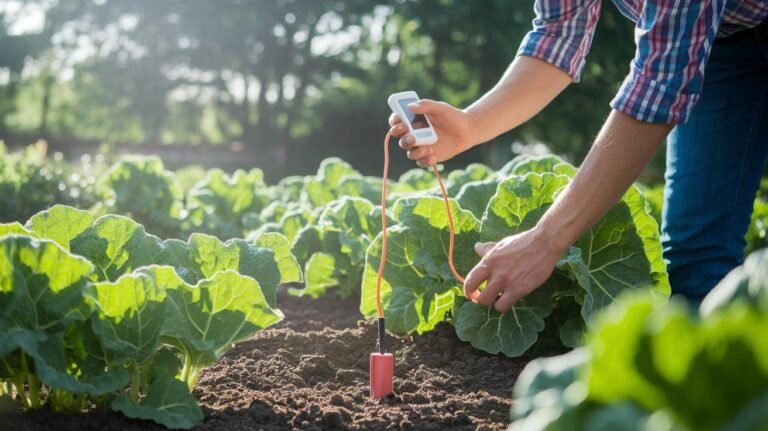
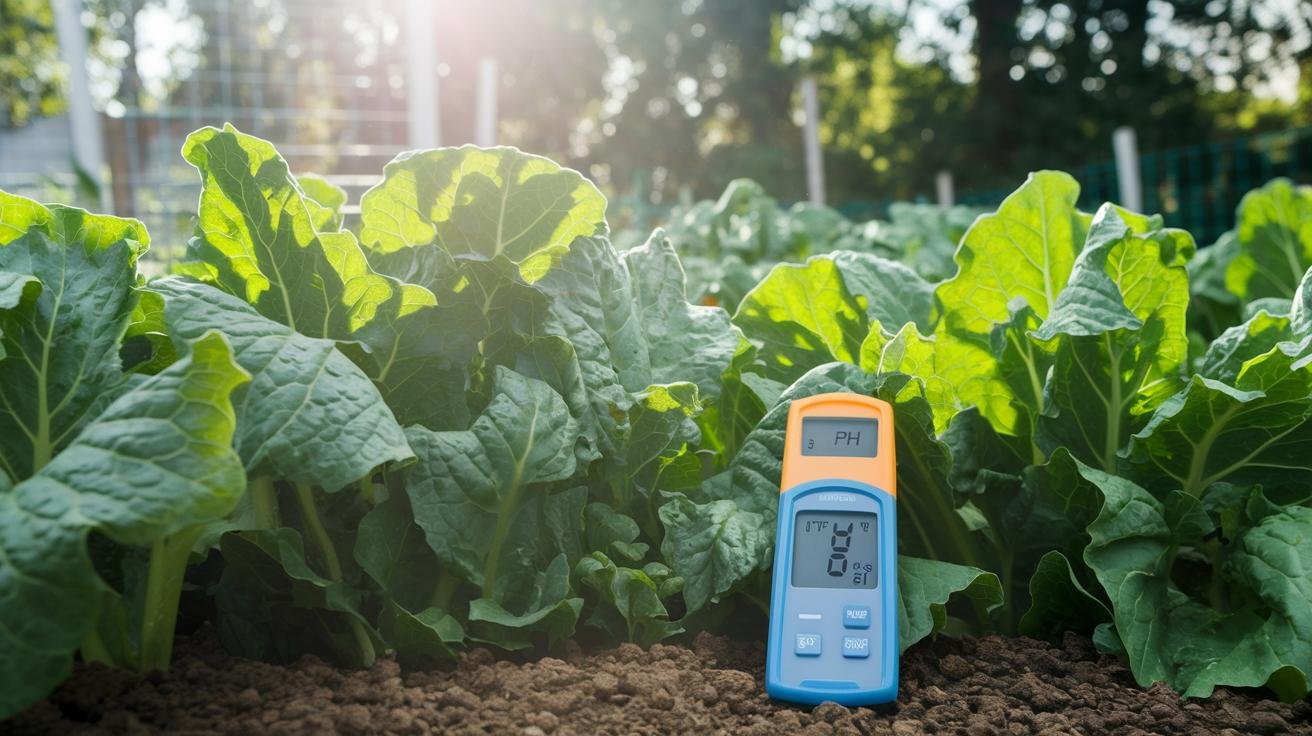
If you’re not sure where your soil sits, the how to test soil pH at home guide covers four testing methods from a free pantry test to a digital meter.
Why pH Controls Nutrient Availability
Soil pH determines how soil chemistry holds onto or releases nutrients. The mechanism matters because it explains why fertilizing alone doesn’t fix pH-related problems.
How pH affects each major nutrient:
- Nitrogen (N): Most available at pH 6.0–8.0. Highly acidic soil reduces the bacteria that convert organic nitrogen to forms plants can use.
- Phosphorus (P): Most available at pH 6.0–7.0. Below 5.5, phosphorus binds with iron and aluminum. Above 7.5, it binds with calcium. Both forms are insoluble — the phosphorus is there but plants can’t access it.
- Potassium (K): Wide availability across pH 6.0–9.0, but slightly reduced at the acidic end.
- Calcium and magnesium: Most available at pH 6.5–8.0. Both become deficient in highly acidic soil.
- Iron, manganese, zinc, copper: Most available at pH 4.0–6.0. Drop sharply above pH 7.0. This is why blueberries and other acid-loving plants need low pH — they’re iron-hungry.
- Molybdenum: Most available above pH 6.5. Deficient in highly acidic soil.
The practical implication: a plant showing nutrient deficiency symptoms (yellowing, stunting, poor fruit set) in fertilized soil is often dealing with pH-related lockout, not a fertilizer shortage. Testing pH before adding more fertilizer is the cheaper, more effective fix.
Visible symptoms by nutrient lockout:
- Pale yellow new growth, green veins: iron deficiency (pH likely too high).
- Yellowing between veins on older leaves: magnesium deficiency (pH likely too low).
- Stunted growth, purple tinge to leaves: phosphorus lockout (pH either too low or too high).
- Stunted growth, pale color overall: nitrogen lockout (pH probably too low, or organic matter too low).
How to Adjust pH with Lime and Sulfur
Two amendments handle almost all pH adjustments. Both take 3–6 months to fully integrate, so plan ahead — apply in fall for spring planting.
To raise pH (soil too acidic):
- Garden lime (calcium carbonate): 5 pounds per 100 square feet raises pH by approximately 0.5 point. Most common and least expensive option.
- Dolomitic lime: Same dosage as garden lime but adds magnesium alongside calcium. Useful when soil tests show low magnesium too.
- Hydrated lime: Stronger and faster-acting than garden lime. Easier to over-apply and burn plants. Skip unless you know what you’re doing.
- Wood ash: Mild pH-raising effect. Apply at 5–10 pounds per 100 square feet. Only from clean hardwood ash; skip ash from treated lumber, painted wood, or charcoal briquettes.
To lower pH (soil too alkaline):
- Elemental sulfur: 1 pound per 100 square feet lowers pH by approximately 0.5 point. The standard amendment.
- Aluminum sulfate: Works faster than elemental sulfur but can build up aluminum toxicity over time. Use sparingly and only for short-term adjustments.
- Iron sulfate: Lowers pH and adds iron. Useful when soil tests show iron deficiency alongside high pH.
- Peat moss or pine needles: Mild long-term acidifiers. Useful for acid-loving plants like blueberries when worked into the planting hole. Not effective for big pH shifts on their own.
Application notes:
- Apply in fall for spring planting. The amendment needs 3–6 months to fully react with soil chemistry.
- Work the amendment into the top 6–8 inches of soil rather than just spreading on the surface. Tilling or hand-mixing distributes more evenly.
- Always retest after 3–6 months before adding more. pH adjustments are easier to add than to reverse.
- For container gardens, mix amendments into the soil mix rather than topdressing — limited soil volume reacts faster but is also easier to over-correct.
What dosage actually means in dollars. Garden lime runs $5–$10 for a 40-pound bag (enough to amend 800 square feet at standard dosage). Elemental sulfur runs $10–$20 for a 5-pound bag (enough to amend 500 square feet). pH adjustment is one of the cheapest yard interventions available.
For broader soil-building context beyond pH adjustment, the raised bed soil guide covers building soil structure and organic matter alongside pH.
Crop-by-Crop pH Preferences
While 6.0–6.8 covers most vegetables, individual crops have preferences worth noting if you’re planning bed assignments or troubleshooting underperformance.
| Vegetable | Preferred pH Range | Notes |
|---|---|---|
| Asparagus | 6.5–7.0 | Long-lived perennial; gets pH right at planting time |
| Beans (snap and dry) | 6.0–7.0 | Wide tolerance; fix nitrogen so less fussy about pH |
| Beets | 6.5–7.0 | Iron deficiency at low pH; cracking at high pH |
| Broccoli | 6.5–7.5 | Higher pH discourages clubroot disease |
| Brussels sprouts | 6.5–7.5 | Same as broccoli; clubroot protection |
| Cabbage | 6.5–7.5 | Same as broccoli; clubroot protection |
| Carrots | 6.0–6.5 | Slight forks at higher pH; tolerates 5.5–7.0 |
| Cauliflower | 6.5–7.5 | Cole crop; higher pH preferred |
| Corn | 6.0–7.0 | Wide tolerance; heavy nitrogen feeder |
| Cucumbers | 6.0–7.0 | Standard vegetable range |
| Eggplant | 5.5–6.8 | Tolerates slightly more acidic than most vegetables |
| Garlic | 6.0–7.5 | Wide tolerance; bulb-up issues at extremes |
| Kale | 6.0–7.5 | Hardy across wide range |
| Lettuce | 6.0–7.0 | Bitter flavor at low pH |
| Onions | 6.0–7.0 | Slightly larger bulbs at the alkaline end of range |
| Peas | 6.0–7.5 | Tolerates wide range; fix nitrogen |
| Peppers | 5.5–6.8 | Tomato-family; tolerates slightly acidic |
| Potatoes | 4.8–6.5 | Lower pH discourages scab disease |
| Pumpkins and squash | 5.5–7.0 | Wide tolerance; heavy feeders |
| Radishes | 6.0–7.0 | Standard vegetable range |
| Spinach | 6.5–7.5 | Higher pH reduces oxalic acid; bolt-prone in heat |
| Sweet potatoes | 5.5–6.5 | Slightly acidic preferred |
| Tomatoes | 5.5–6.8 | Blossom-end rot at high pH from calcium lockout |
| Zucchini | 6.0–7.0 | Standard vegetable range |
Practical takeaways:
- If you’re growing a mixed vegetable bed, target pH 6.5 as a safe middle ground.
- If you grow lots of cole crops (cabbage family) and they’re underperforming, your bed may be slightly too acidic — pH 7.0 suits them better than 6.0.
- If you grow potatoes alongside other vegetables, dedicate a slightly acidic bed (pH 5.5–6.0) to them — the lower pH reduces scab disease while still supporting other crops nearby.
- If you’re chasing blueberries (technically a fruit but often grown alongside vegetable gardens), give them their own bed with peat moss and ongoing sulfur applications — they want pH 4.5–5.5, far below most vegetables.
Keeping pH Stable Over Time
Once you’ve adjusted pH to where you want it, three habits help keep it there.
Test annually. A single test in early spring tells you whether pH has drifted over the year. Most amended beds stay close to where you set them but can drift 0.2–0.5 points per year, especially with heavy fertilizer use or acidic rain.
Compost adds buffering. Soil rich in organic matter resists pH swings better than mineral soil. Two inches of compost worked in each spring builds organic matter over time and stabilizes pH alongside its other benefits.
Fertilizer choice matters. Many synthetic nitrogen fertilizers (ammonium sulfate, urea) acidify soil over time. Organic fertilizers tend to be gentler on pH. If you’re regularly seeing pH drop in a bed, fertilizer is the most likely cause.
Mulch matters less than expected. Pine bark and pine needle mulch are sometimes blamed for acidifying soil but the effect is small in most cases. Use whatever mulch you prefer and adjust pH directly with lime or sulfur if needed.
Rain pH varies regionally. The eastern US gets more acidic rainfall than western regions, which slowly acidifies eastern soils over time. Worth being aware of, but you don’t need to actively counter it — annual testing catches drift.
Container gardens drift faster. Limited soil volume means pH can shift dramatically over a season with fertilizer use. Test container soil monthly if you’re managing precise pH for acid-loving plants. Most vegetable containers don’t need this attention — annual testing is enough.
Troubleshooting pH Problems
Five common pH-related problems and fixes:
Yellowing tomato leaves with green veins. Iron deficiency, often from high pH. Test pH; if above 7.0, lower with elemental sulfur. If pH is normal, suspect waterlogged soil (which also causes iron deficiency).
Stunted brassicas with bumpy roots. Likely clubroot disease. Liming the bed to pH 7.0+ helps suppress clubroot. Rotate brassicas out of affected beds for 3–5 years.
Blossom-end rot on tomatoes and peppers. Calcium availability issue, often from pH lockout combined with inconsistent watering. Lime application raises pH and adds calcium; consistent watering schedule supports calcium uptake. The garden pest control guide covers other tomato issues that can present similarly.
Potato scab. Caused by Streptomyces bacteria active in alkaline soil. Lower pH to 5.0–5.5 for potato beds specifically. Don’t lime potato beds even if other vegetables want higher pH.
Persistent yellow lawn despite fertilizing. Probably pH-related nutrient lockout. Test lawn soil pH; cool-season grasses want 6.0–7.0, warm-season 6.5–7.0. Lime or sulfur as needed; results show in 2–3 months.
For broader plant health context when pH is one of several variables in play, the natural lawn fertilizer guide covers nutrient management alongside pH.
FAQ
What is the ideal soil pH for a vegetable garden?
Most vegetables do best at pH 6.0–6.8, with 6.5 as a safe default for mixed-crop beds. Specific crops have narrower preferences — cole crops (cabbage family) want 6.5–7.5; tomatoes and peppers want 5.5–6.8; potatoes want 4.8–6.5. The crop-by-crop table in this guide covers the most common vegetables.
What happens if vegetable garden soil pH is too low?
Below pH 5.5, phosphorus binds with aluminum and becomes unavailable to plants. Aluminum and manganese can reach toxic levels. Calcium and magnesium deficiencies appear. Most vegetables grow slowly, look stunted, and produce poorly. Lime brings the pH back into the productive range.
What happens if vegetable garden soil pH is too high?
Above pH 7.5, iron, manganese, and zinc become unavailable. Plants show interveinal chlorosis (yellow leaves with green veins). Phosphorus availability also drops. Tomatoes develop blossom-end rot from calcium lockout despite calcium being present in the soil. Elemental sulfur or aluminum sulfate brings pH down.
How do I lower the pH of vegetable garden soil?
Apply elemental sulfur at 1 pound per 100 square feet to lower pH by approximately 0.5 point. Sulfur takes 3–6 months to integrate. For faster but riskier adjustments, aluminum sulfate works in weeks but can cause aluminum toxicity over time. Iron sulfate lowers pH and adds iron — useful when both are needed.
How do I raise the pH of vegetable garden soil?
Apply garden lime (calcium carbonate) at 5 pounds per 100 square feet to raise pH by approximately 0.5 point. Dolomitic lime adds magnesium alongside calcium. Apply in fall for spring planting; allow 3–6 months for the pH shift to fully integrate. Retest before adding more — overshooting is easy.
How often should vegetable garden pH be tested?
Once a year, in early spring before adding amendments. New beds, beds where you’ve recently added fertilizer or compost, or beds showing plant problems warrant additional testing. Container gardens drift faster than in-ground beds — monthly testing makes sense for precision crops in containers.
Can I use coffee grounds to lower garden soil pH?
Mildly, but the effect is smaller than people expect. Fresh coffee grounds are slightly acidic (pH 4.5–5.0) but the acidity neutralizes quickly as they decompose. Used coffee grounds are near-neutral (pH 6.5–6.8). Worth using as a soil amendment for organic matter, but don’t rely on them for significant pH adjustment — use elemental sulfur for that.
Does adding compost change soil pH?
Finished compost is generally near-neutral (pH 6.5–7.0) and has a buffering effect — it makes soil pH more stable but doesn’t dramatically shift it in either direction. Worth adding compost annually for the soil structure and microbial benefits; not effective as a primary pH adjustment tool.